
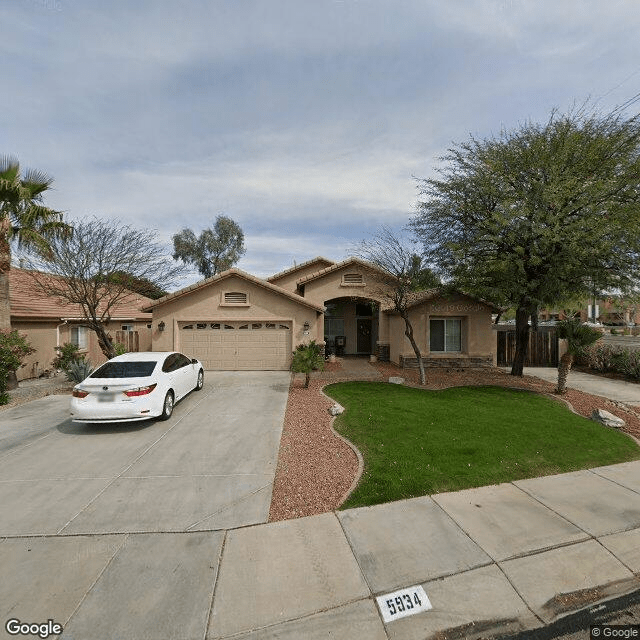
5934 West Villa Theresa Drive, Glendale, AZ 85308
For more information about senior living options: (866) 208-4318
Golden Years Assisted Living Costs & Pricing
Golden Years Assisted Living offers competitive pricing when compared to both Maricopa County and the broader state of Arizona. For a private room, the monthly cost at Golden Years is $3,000, which is notably lower than the county's average of $3,318 and the state's average of $3,345. Similarly, for a one-bedroom unit, Golden Years charges $3,500, slightly below both Maricopa County's average of $3,473 and Arizona's overall average of $3,532. These figures illustrate Golden Years' commitment to providing quality assisted living options at a more accessible price point within the local market.
| Floor plans | Golden Years Assisted Living | Maricopa County | Arizona |
|---|---|---|---|
| Private | $3,000 | $3,318 | $3,345 |
| 1 Bedroom | $3,500 | $3,473 | $3,532 |
Memory care communities with a similar price nearby
-
About the same

Desert Garden Senior Living
$3,000 to $3,500 / month20.4 miles away -
from -$500 / mo
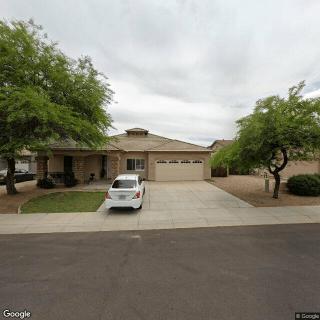
Anc Assisted Living Homes I
$2,500 to $3,500 / month15.6 miles away -
from -$300 / mo
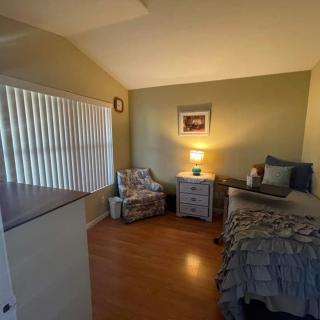
Caring Hearts Senior Care
$2,700 to $3,500 / month11.8 miles away -
About the same
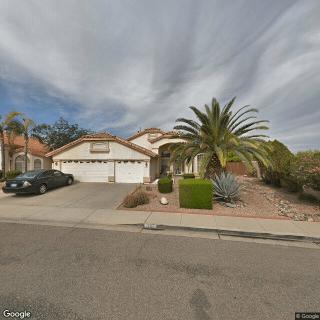
Horizon Assisted Living
$3,000 / month2.5 miles away -
from -$500 / mo
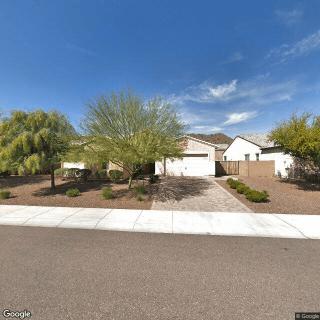
Northlands Assisted Living Home
$2,500 / month7.2 miles away
Overall Review of Golden Years Assisted Living
Pros
 The owner of Golden Years is very professional and goes above and beyond to provide great care for her clients.
- She encourages independence and assists with dignity along the way.
- Delicious home-made meals and engaging entertainment are provided to the residents.
- There are 24/7 staff who are highly skilled and knowledgeable.
- The home is described as a God-sent place where residents are treated with dignity.
- Golden Years is a place that advocates for loved ones.
- Family members often fall in love with the owner/manager and her home during tours.
- The floor plan, outdoors/backyard, delicious menu, and great activities contribute to a well-structured home.
Cons
 Some claim that all the reviews are lies and were submitted by the owner's family.
- One statement alleges the reviews are fake, created by relatives of the owner.
- It is suggested that the authenticity of the reviews is questionable due to family involvement.
Review
Golden Years Assisted Living in Glendale is best suited for families seeking a warm, home-like setting where residents receive highly personalized, one-on-one attention under the close oversight of a professional owner. The community operates like a small household, often around five residents, where independence is encouraged, dignity is guarded, and everyday routines can be tailored to individual preferences. The arrangement appeals to families who value direct, continuous communication with the person who leads and advocates for their loved one, and who want meals, activities, and planning to feel more like a thoughtful, intimate home than a large campus.
The strongest selling points center on the owner’s hands-on leadership and the small, tightly knit environment. Reviews consistently highlight a professional, caring owner who goes above and beyond to support independence and dignity. Residents benefit from homemade meals that feel comforting and customizable, along with engaging activities and regular in-house entertainment. The staff are described as 24/7 available, highly skilled, and knowledgeable, ensuring that support is stable and responsive. Families frequently note that the care feels focused, with frequent family updates and a level of involvement that mirrors a family-owned home more than a typical facility.
Still, there is a clearly noted caveat that can influence decisions. One review raises a credibility concern, alleging that other positive reviews are not genuine. While this single perspective should be weighed seriously, it contrasts with multiple other favorable reports that emphasize transparent, compassionate advocacy by the owner. There is also an implicit consideration inherent in the small-home model: the level of medical oversight and specialized programming may not match what larger, purpose-built facilities offer, especially for residents with complex medical needs or advanced memory care requirements. These realities are important for families to assess against the appealing intimacy and personal touch.
The favorable attributes do offset several potential drawbacks when evaluated against real family needs. The intimate size translates into very close monitoring, easier family communication, and a sense of continuity, families can often attend, participate in menus, and influence routine more directly than in bigger communities. The owner’s advocacy and the tendency to customize meals and activities create a cohesive, responsive care plan that can quickly adapt to healthy changes or preferences. Outdoor amenities, the fenced patio with misters, for example, and the chance for residents to enjoy fresh air with supervision add to the overall quality of life. For families prioritizing a nurturing, resident-centered approach, these factors frequently outweigh the limitations of a smaller operation.
Alternatives are worth considering for families whose loved ones require more formal medical oversight, broader social programming, or specialized memory-care services. If 24/7 on-site nursing, complex medication management, or dementia-specific programs on a larger campus are essential, a bigger assisted living community or a memory-care-focused facility might be a better fit. Likewise, if there is concern about the owner’s central role and the possibility of limited staff depth during peak or emergency times, touring several options to compare staffing models, availability of float staff, and long-term stability becomes crucial. The skeptical review underscores the importance of independent diligence: verify references, visit in person, and ask pointed questions about turnover, leadership continuity, and emergency planning.
In the end, Golden Years stands out as a strong choice for families who want intimate, owner-driven care, where meals are comforting, activities are meaningful, and the care atmosphere feels like a protective, personalized home. It is particularly well-suited for seniors who value independence within a small, closely supervised setting and who trust the owner to advocate relentlessly on their behalf. For those needing high-acuity medical support, specialized memory-care programming, or the breadth of services typical of larger campuses, a careful side-by-side with higher-capacity options is prudent. Prospective families should schedule a tour, request a candid conversation with the owner, review the menu and activity schedule, and meet staff members to assess whether this unique model aligns with their loved one’s current and anticipated needs.
 5 resident community capacity
 Assisted Living
 Board and Care Home
 Memory Care
 Respite Care
 Cats allowed
 Dogs allowed
 Activities on-site
 Beautician on-site
 Cable or satellite TV
 Devotional services off-site
 Dining room
 Fully furnished
 Garden
 Housekeeping services
 Indoor common areas
 Move-in coordination
 Outdoor space
 Private
 Telephone
 Wheelchair accessible showers
 Wi-Fi/high-speed internet available
 Phoenix Sky Harbor International (18 miles away)
 24-hour supervision
 Ambulatory care
 Assistance with bathing
 Assistance with dressing
 Assistance with transfers
 Diabetes diet
 Diabetic care
 High acuity care
 Incontinence care
 Meal preparation and service
 Medication management
 Special dietary restrictions
 Transportation arrangement (medical)
 Transportation to doctors appointments


 An In-Depth Look at Reminiscence Therapy in Dementia Care
 Dementia-Related Hallucinations: Causes, Experiences, and Practical Approaches
 Illuminating Insights About Alzheimer's Disease: Ten Crucial Realities