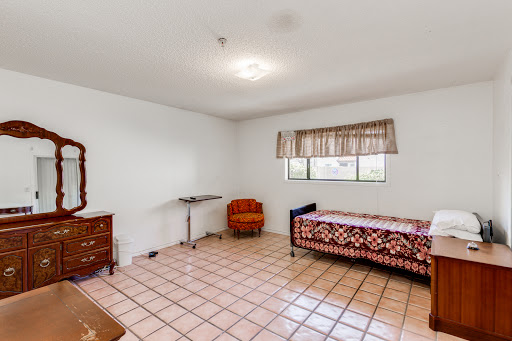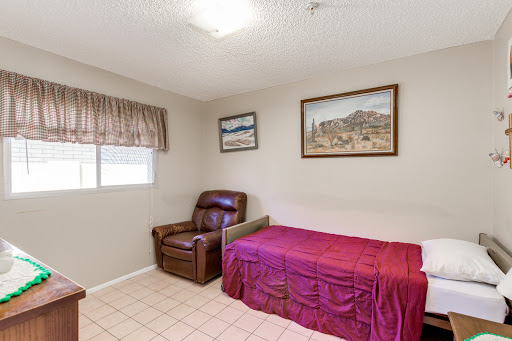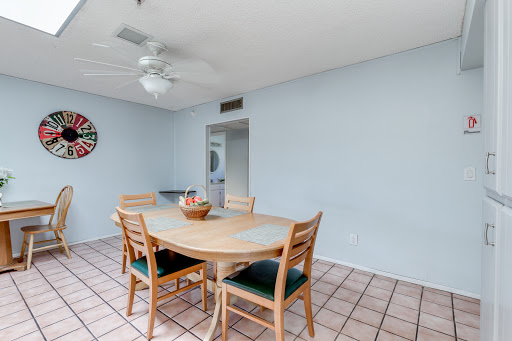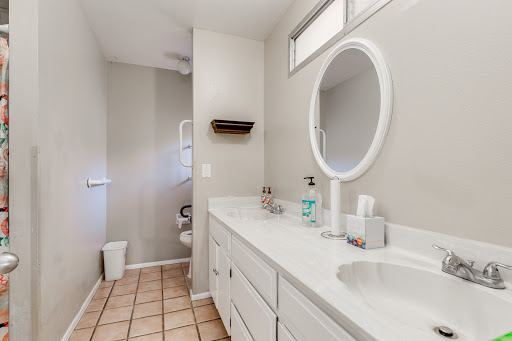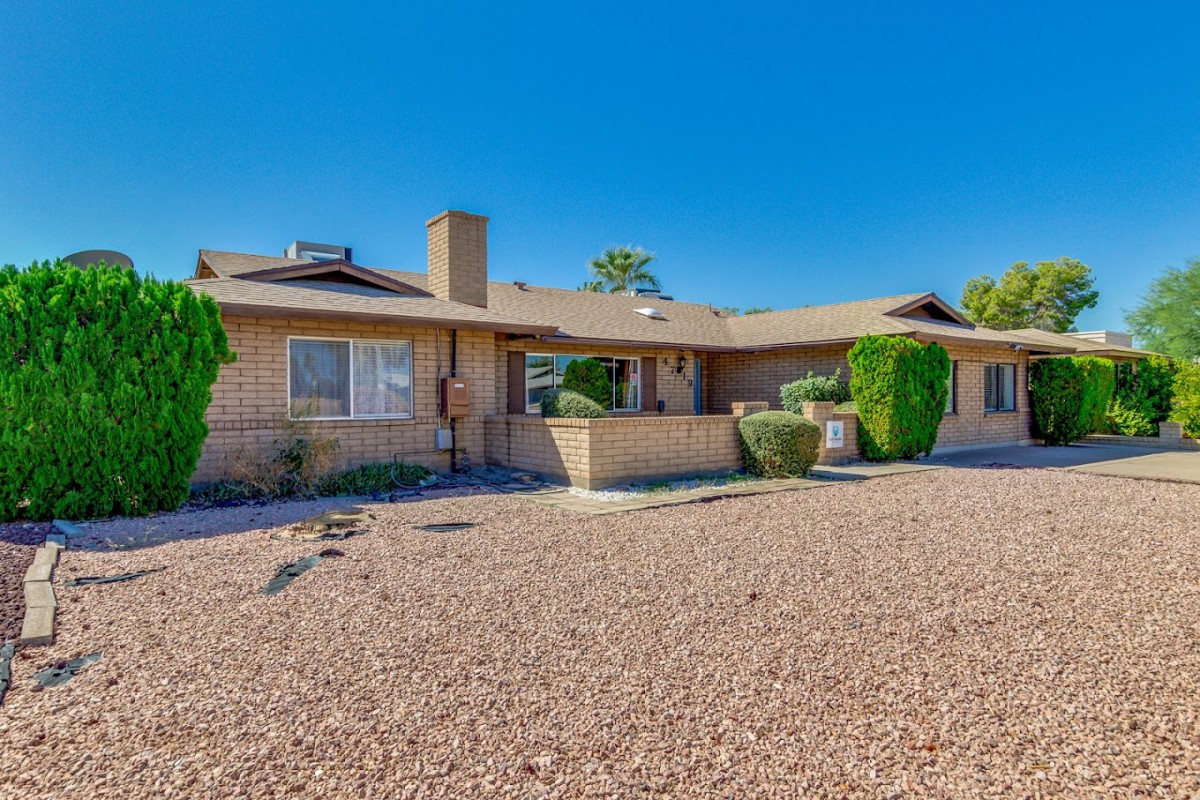
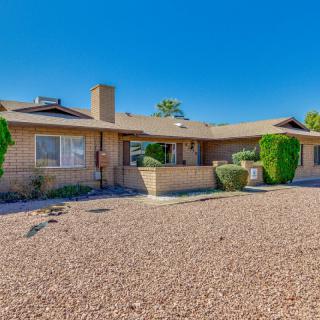
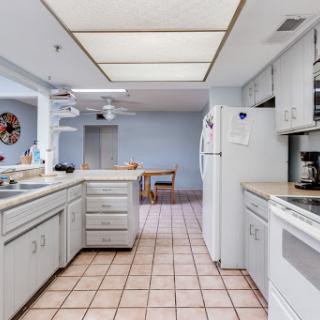
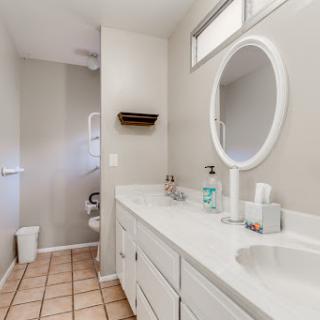

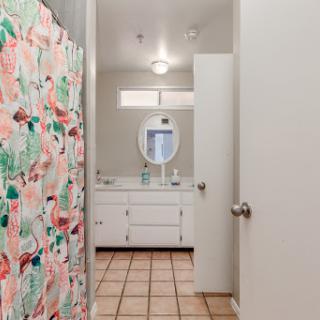
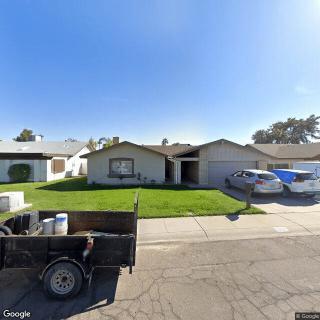
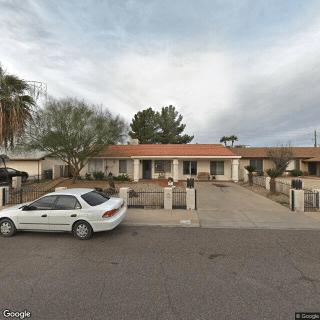
4719 West Harmont Drive, Glendale, AZ 85302
For more information about senior living options: (866) 208-4318
Overall Review of Apollo Residential Assisted Living
Pros
 The caregivers at Apollo Residential Assisted Living are attentive and caring.
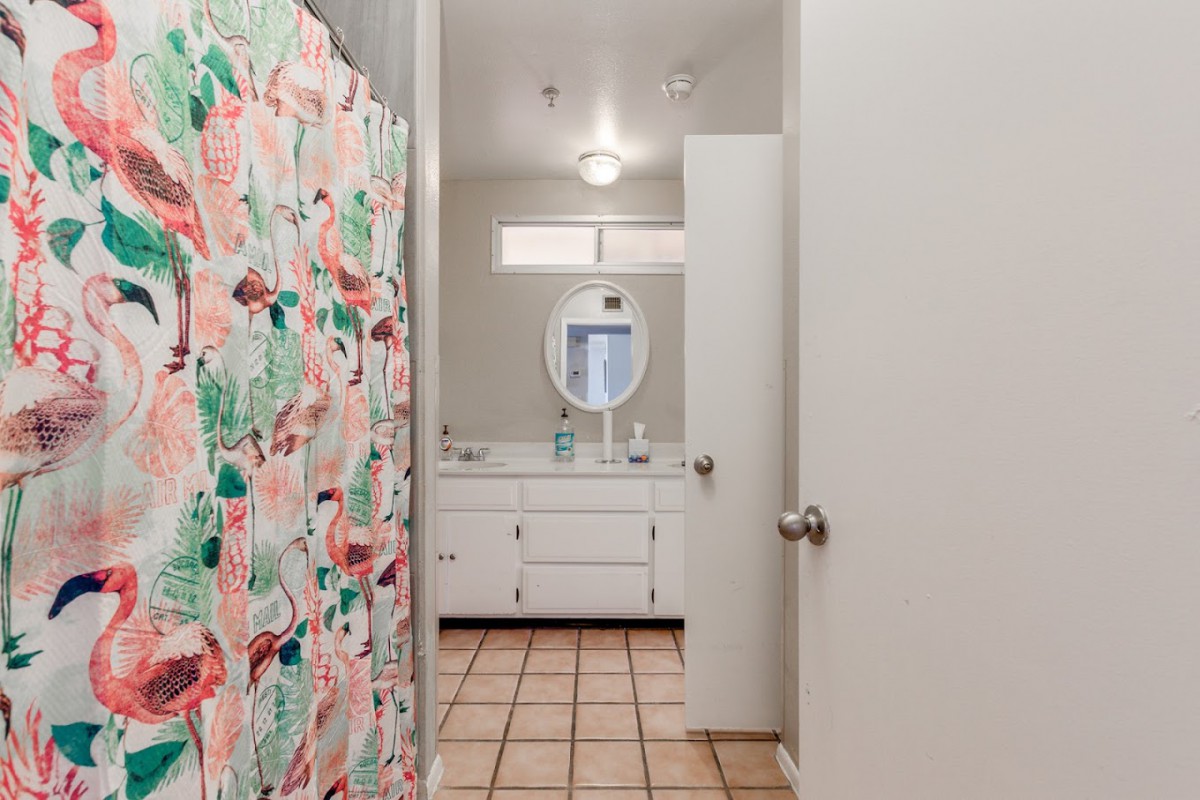
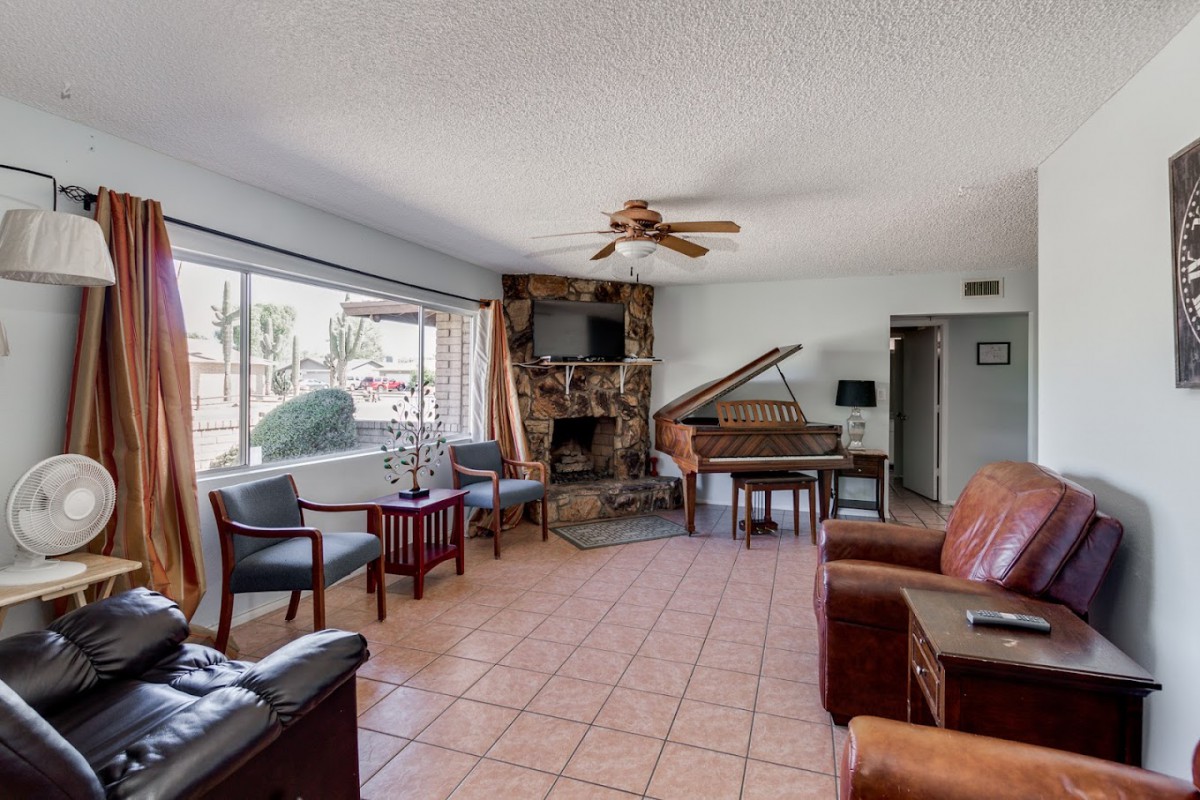
- The environment is warm and home-like, creating a positive setting for residents.
- The staff provide excellent care for residents with dementia.
- Management offers attentive, open communication with families.
- Dr. Chris is extremely knowledgeable and a wonderful advocate for residents.
- The care team is superb, with friendly, open staff delivering individualized care.
- The facility is highly regarded and often recommended by families.
- Residents experience positive changes in attitude, health, and happiness under the care.
- Families feel at ease and welcomed as partners in the care of their loved ones.
- Communication with caregivers and providers has been exceptional, keeping families connected.
Cons
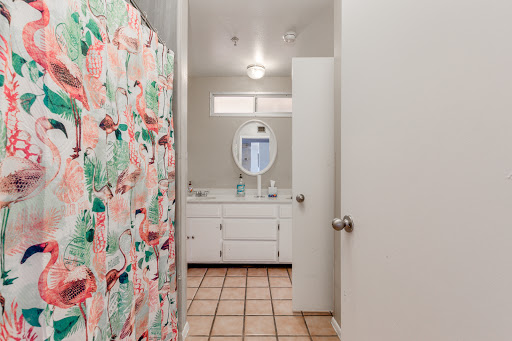
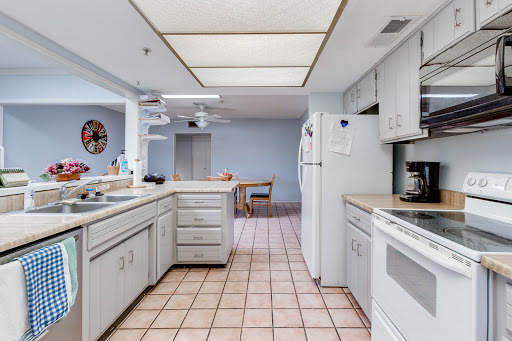
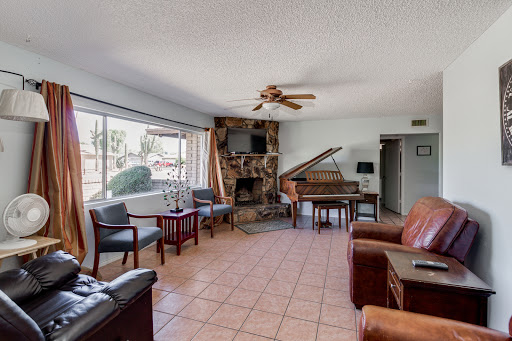
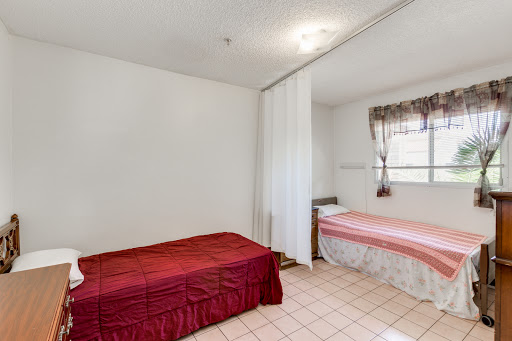
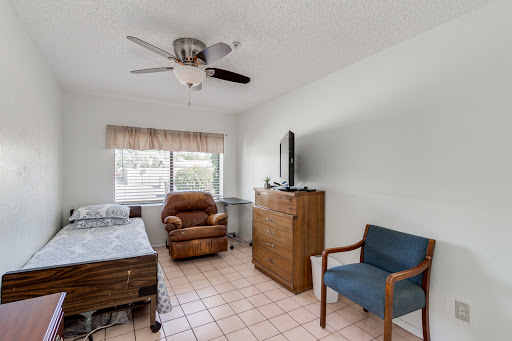
 The facility is a bit crowded for space.
Review
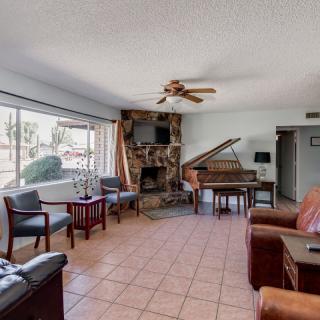
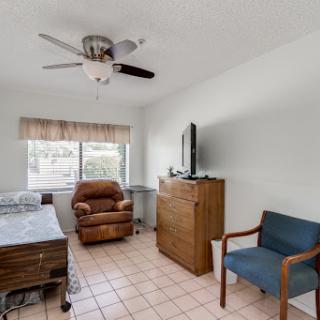
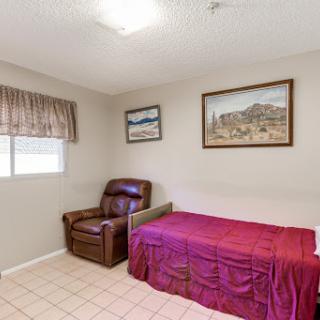
Apollo Residential Assisted Living in Glendale is best suited for families seeking a warm, home-like setting where caregiving is personal, highly attentive, and integrated with medical oversight. The small, modest group-home feel supports daily familiarity and ongoing relationship-building between residents and staff. This environment works particularly well for residents with dementia or Alzheimer's, where consistent routines and a calm atmosphere reduce confusion and anxiety. Families repeatedly emphasize that caregivers are genuinely caring and that management remains accessible and engaged. The sense of peace, combined with individualized attention, makes Apollo a practical choice for those prioritizing close-knit care over institutional scale.
That tight, intimate model, however, carries trade-offs that some families will want to weigh carefully. The facility’s size means space can feel crowded, and there are fewer expansive amenities or sprawling activity calendars than larger communities. For families seeking a robust social scene, extensive therapy options, or a campus with multiple dining and recreation venues, alternatives may be more compelling. The one-star rating in the mix also signals that no setting will be perfect for every expectation, and some families may encounter mismatches with pace, programming, or communication styles. In these cases, a larger, more resource-rich environment might align better with needs and preferences.
Yet the strongest advantages tend to offset these constraints. The care team’s attentiveness translates directly into daily quality-of-life improvements for residents, with staff who prioritize individualized plans and consistent follow-through. A calm, home-like atmosphere can be especially meaningful for memory-impaired residents who benefit from predictable routines and familiar faces. The small scale supports meaningful relationships, which in turn fosters trust and smoother care coordination. When combined with diligent management communication, these elements create a reliable safety net that many families value far more than extra square footage or gym rooms.
Medical leadership stands out as a core strength. Dr. Zambakari is repeatedly highlighted as knowledgeable, proactive, and deeply involved in tailoring care to each resident’s needs. The practice of including families in decisions, sustaining clear and regular updates, and coordinating with external providers (such as the VA) provides a level of clinical partnership that is hard to find in larger, less personalized settings. This physician-level engagement often translates into more precise dementia care, timely adjustments to treatment plans, and a sense of partnership that reassures relatives who live out of state or far away. The owner-driven, respectful culture reinforces continuity and accountability.
Memory-care advantages come through in tangible ways. Residents often show improved mood and engagement, with referrals to purposeful activities like garden work that promote dignity, autonomy, and daily meaning. The resident experience is framed as “like living at home,” a description that resonates with families seeking dignity, autonomy, and gentle supervision rather than institutional oversight. The combination of a peaceful environment, individualized care, and strong family communication tends to yield better consistency in daily routines, fewer behavioral disruptions, and higher overall satisfaction for many families navigating dementia care decisions.
The bottom-line recommendation centers on fit. Apollo Residential Assisted Living is a compelling choose-for-many when a compact, family-centered approach to senior care is desired, especially for memory-care needs and for families who require active physician involvement and transparent communication. It is a particularly strong match for those who prioritize a calm, homey atmosphere and close-knit staff-resident relationships over extensive campus amenities. For those who crave larger campuses, broader activity schedules, or advanced clinical infrastructure, exploring alternatives may be warranted. Prospective families should tour with questions about care-plan customization, staff-to-resident ratios, and pediatric- or VA-related coordination to ensure the setting aligns with the resident’s day-to-day needs and the family’s availability for involvement.
 10 resident community capacity
 Assisted Living
 Board and Care Home
 Respite Care
 Cable or satellite TV
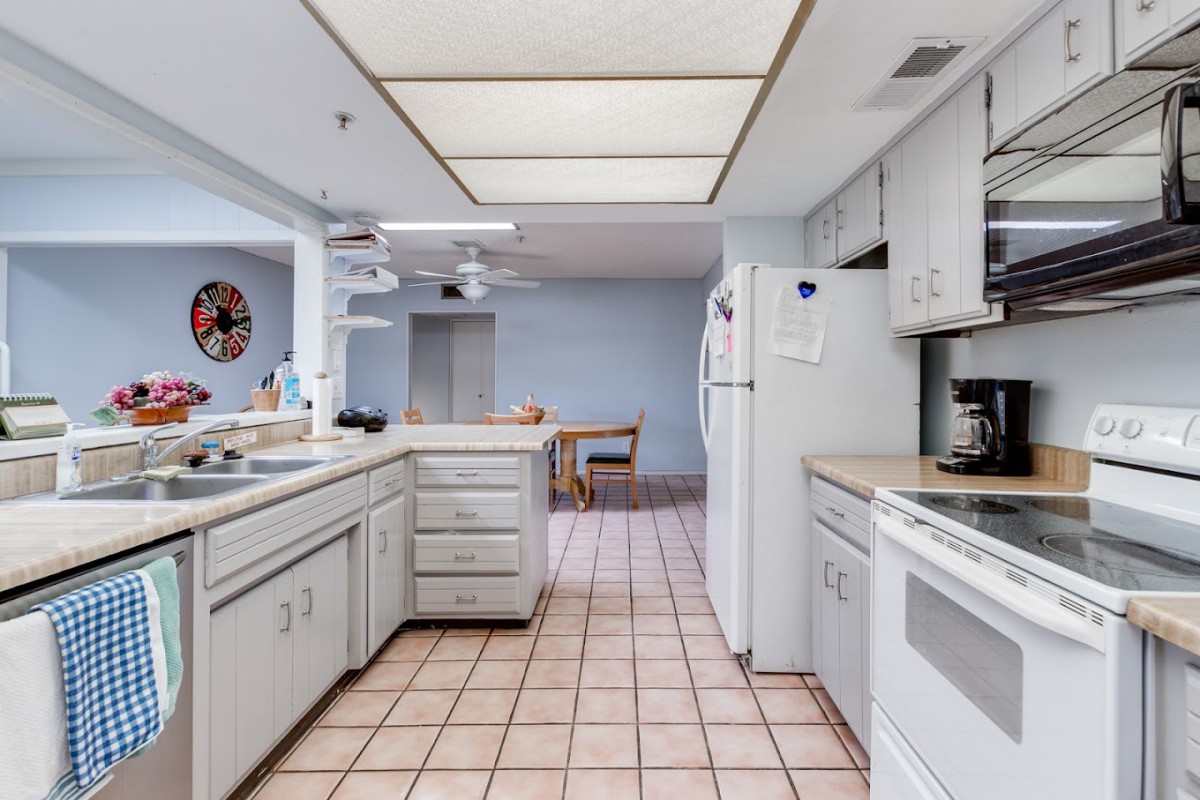
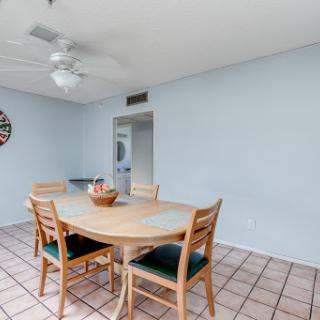
 Dining room
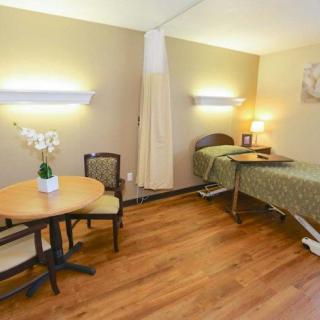
 Fully furnished
 Garden
 Housekeeping services
 Move-in coordination
 Outdoor space
 Telephone
 Wi-Fi/high-speed internet available
 Phoenix Sky Harbor International (12 miles away)
 24-hour supervision
 Activities of daily living assistance
 Assistance with bathing
 Assistance with dressing
 Assistance with transfers
 Diabetes diet
 Meal preparation and service
 Medication management
 Special dietary restrictions
 Transportation arrangement (medical)
 Transportation to doctors appointments


 Choosing the Right Senior Care: A Detailed Exploration of Assisted Living and Nursing Homes
 Understanding the True Cost of Assisted Living in 2025: A Comprehensive Guide
 Understanding Medicaid Coverage for Assisted Living: A Comprehensive Guide