

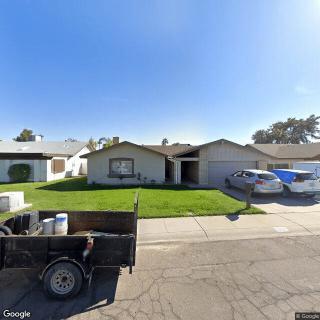
4719 WEST HARMONT DRIVE, Glendale, AZ 85302
To contact a resident: (623) 930-6764
For more information about senior living options: (866) 208-4318
Overall Review of Apollo Assisted Living
Pros
 The caregivers are attentive and caring.
- The management team provides excellent and attentive communication.
- The environment is calm and peaceful, contributing to residents' comfort.
- Dr. Chris is extremely knowledgeable and a wonderful advocate for residents.
- The care team is superb, with friendly, open staff delivering individualized care.
- The facility feels like home and residents are very well cared for.
- Apollo Residential Assisted Living is a wonderful place with excellent daily care.
- The staff and providers maintain exceptional communication and follow-up, including with Dr. Zambakari.
- Families are welcomed as partners in care and stay well informed, including through updates and photos during restrictions.
- The facility and staff come highly recommended by reviewers.
Cons
 The facility is a bit crowded for space.
Review
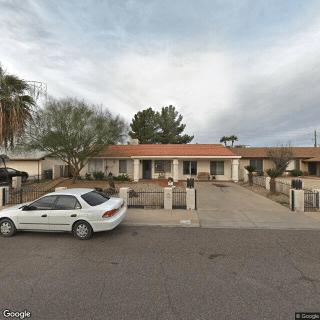
Apollo Assisted Living in Glendale is best suited for families seeking a small, home-like setting where dementia care and individualized attention are prioritized. This community operates more like a tightly knit family-owned home than a large campus, placing caregivers close to each resident and enabling steady, personal contact with a medical advocate. It is an ideal fit for loved ones who value low-key, peaceful surroundings, consistent daily routines, and a strong emphasis on tailoring care to specific cognitive and health needs. Those who want a grand, spacious facility with expansive common areas, formal programming, or highly visible on-site medical resources may find alternatives more appropriate. For families prioritizing warmth, direct communication, and a sense that “home” is central to care, Apollo stands out.
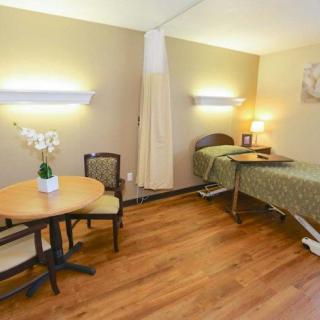
The core advantages center on staff attentiveness and the quality of relationships between residents, families, and caregivers. The rooms and common areas are modest, but the environment is not sterile; the staff’s approach is hands-on, personable, and consistently focused on individualized needs. Family members repeatedly note excellent management communication and a willingness to engage as partners in care. When a resident has dementia or other complex conditions, this close-knit setting translates into steady supervision, responsive adjustments to care plans, and a calm atmosphere that reduces agitation. The combination of a home-like feel with a highly attentive team helps offset the restraint that a smaller footprint might impose.
A standout strength is the professional leadership and medical collaboration that underpins daily care. Dr. Chris (Dr. Zambakari in several references) is described as exceptionally knowledgeable and an effective advocate, tailoring interventions to the challenges a resident faces and remaining deeply involved in planning. This medical leadership is complemented by robust family involvement; families report clear, ongoing updates and prompt responsiveness, especially when decisions involve specialized needs or VA coordination. The ability to integrate medical guidance with family input creates a care trajectory that feels coherent and proactive, rather than reactive or opaque. In practice, this translates to residents who appear more settled and whose care plans reflect nuanced understanding of their histories and preferences.
Resident experiences and tangible outcomes cited in the reviews reinforce the practical value of Apollo’s approach. Residents repeatedly become more content, with health and mood improvements noted by family members who have observed long-term stays. The garden and other simple, engaging activities offer meaningful outlets that concretely contribute to happiness and purpose. Several families highlight the sense of belonging, residents speak of Apollo as home, and families describe the community as a place where routine, dignity, and respect are the norm. The positive shifts in attitude and daily life extend beyond cognitive comfort to outward signs of engagement, suggesting that the environment supports sustained quality of life rather than merely meeting basic needs.
Those considering alternatives should weigh two clear thresholds. First, if space and formal amenities are non-negotiable, if a resident would benefit from expansive common areas, larger campuses, or a broader menu of on-site therapies, another community may be a better fit. Second, if higher-intensity medical oversight or a facility with a more clinical footprint is required, larger assisted living or specialized memory-care centers could deliver that level of infrastructure more comfortably. Apollo’s strengths, personalized care, consistent communication, and a compassionate, physician-led model, are precisely what many families want, but they come with trade-offs in scale and formality.
To make a well-grounded decision, families should probe how care is coordinated day-to-day and who drives care decisions. Key questions include: what is the staff-to-resident ratio across shifts, how often are care plans reviewed with family input, and how readily can the team coordinate with external specialists or VA services? Confirm that a resident’s primary physician or medical advocate remains accessible and how communication is documented and shared. If the aim is dementia-focused, home-like care with strong family partnership, Apollo offers a compelling, practical option. For families prioritizing space, abundant programming, or extensive clinical services, it may be wise to compare with larger facilities before finalizing the choice.
 Board and Care Home
 Phoenix Sky Harbor International (12 miles away)


 Navigating the Tax Landscape of Caregiving: Credits, Deductions, and Beyond
 Highly Beneficial Low-Impact Exercises for Senior Living Residents
 Is In-Home Healthcare Tax Deductible? Your Comprehensive Guide