
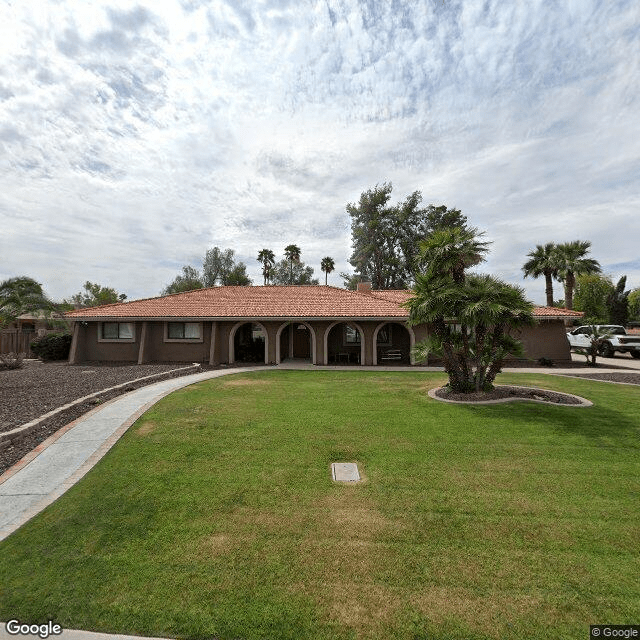
7615 W Wagoner Rd, Glendale, AZ 85308
To contact a resident: (602) 862-9355
For more information about senior living options: (866) 208-4318
Adobe Residential Care Costs & Pricing
Adobe Residential Care offers competitive pricing for its services compared to the broader market in Maricopa County and across Arizona. For residents seeking a semi-private room, Adobe's monthly cost is $1,900, significantly lower than the county average of $2,801 and the state average of $2,820. Those opting for a private room at Adobe will find a fee of $2,000, which remains below both the county's and state's averages of $3,318 and $3,345, respectively. This cost-effectiveness makes Adobe Residential Care an appealing choice for families looking for quality care without exceeding their budget.
| Floor plans | Adobe Residential Care | Maricopa County | Arizona |
|---|---|---|---|
| Semi-Private | $1,900 | $2,801 | $2,820 |
| Private | $2,000 | $3,318 | $3,345 |
Senior living communities with a similar price nearby
-
from +$100 / mo
Garcia's Assisted Living Home LLC
$2,000 / month20.4 miles away -
from +$100 / mo
All Stars Assisted Living
$2,000 to $2,500 / month11.8 miles away -
from +$100 / mo

Genesis Assisted Living Care Home
$2,000 to $2,500 / month16.7 miles away -
from +$300 / mo
Bent Tree Assisted Living
$2,200 to $3,200 / month6.2 miles away -
from -$100 / mo
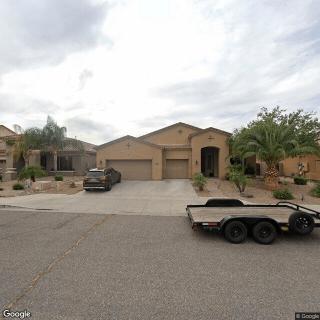
Lory's Care Home
$1,800 to $2,500 / month8.3 miles away
Overall Review of Adobe Residential Care
Pros
 The place is nice.
- Adobe Country Gables is an amazing home.
- Rick and Melissa are incredible caregivers who treat everyone like family.
- They treat residents very well, and the aunt is happy there.
- Adobe Country Gables outshines other places.
- The reviewers highly recommend Adobe Country Gables.
Review
Adobe Residential Care in Glendale is best suited for seniors who want a warm, home-like assisted living experience where staff know residents by name and treat them like family. The standout is the caregiving team, Rick and Melissa are described as incredible caregivers who genuinely care for each person, creating a sense of belonging and safety. The environment supports a gentle, predictable routine in a small, intimate setting rather than a sprawling campus. Positive anecdotes about long-tenured satisfaction, an aunt who has thrived there for years and a father who joined three months ago and is thriving, underscore that the culture is built on personal attention and emotional connection. This positioning makes it a compelling fit for families who prize familiarity, consistent care, and a cozy, residential atmosphere.
Those considering alternatives should note who this community may not be ideal for. If a resident requires extensive on-site medical programming, memory-care specialization, or a large, activity-rich campus with abundant transportation options, larger operators or facilities with formal memory-care wings may be a better match. Families seeking 24/7 professional nursing on site, a broad menu of therapies, or highly structured daily calendars might find a smaller, quieter setting less aligned with those needs. The rural-tinged Glendale environment and quieter pace may also feel too secluded for seniors who expect urban conveniences or frequent external outings as a core feature of daily life.
The core pros here, chiefly the warmth and attentiveness of a small, family-style operation, offset the potential downsides of a compact footprint. The care team’s commitment translates into highly personalized attention, with quick responsiveness and a deep familiarity with each resident’s preferences. Long-tenured staff and a consistently caring culture reduce the feeling of isolation that can come with smaller homes, delivering emotional security that more impersonal, larger communities often struggle to reproduce. The home-like setting and a pleasant local ambiance, complete with nearby pastoral touches like animals and fruit trees, contribute to well-being beyond what a generic activities calendar might offer, making day-to-day living feel thoughtfully curated.
Prospective visitors should verify a few practical details during a tour to ensure a precise fit. Observe how staff interact with residents across shifts, and probe for consistency in caregiving and tone of service. Ask about staff-to-resident ratios, overnight coverage, and the process for handling emergencies, as these illuminate the true level of clinical support available. Review a sample care plan to confirm that medications, daily tasks, and wellness checks align with the resident’s needs. Inquire about the rhythm of weekly routines, transportation for appointments, and how outings are integrated, so expectations match reality and the pace feels right for the loved one.
The community’s setting carries a distinct advantage for those who value privacy, safety, and a slower pace. The tranquil, semi-rural feel supports steady routines and meaningful interpersonal connections, which can be a powerful determinant of satisfaction for seniors who resist the bustle of larger facilities. The deeply personal approach from staff is a major asset, often translating into meaningful, day-to-day improvements in mood and engagement. Still, families should be candid about what matters most: if a resident thrives on a full social calendar or requires intensive oversight, it’s prudent to push for concrete details on programming, transportation, and medical oversight before committing.
Bottom line: Adobe Residential Care stands out for seniors who crave a genuine, home-like atmosphere reinforced by devoted caregivers who become trusted partners in daily life. It is a standout option for families prioritizing emotional well-being, personalized attention, and a stable, intimate setting over scale and clinical intensity. Alternatives should be explored by those needing advanced medical services, specialized memory care, or a more activity-rich, highly monitored environment. A focused tour and direct conversations with Rick, Melissa, and the team will reveal whether this intimate setting aligns with the resident’s care goals and the family’s expectations, enabling a confident, informed choice.
 Board and Care Home
 Cats allowed
 Dogs allowed
 Private
 Respite or short term stays offered
 Phoenix Sky Harbor International (19 miles away)

 Recognizing the Journey: Understanding and Navigating Anticipatory Grief
 Encouraging Participation in Adult Day Care: A Guide to Supporting a Hesitant Parent
 Comprehensive Exploration of Living Wills and Other Advance Directives