
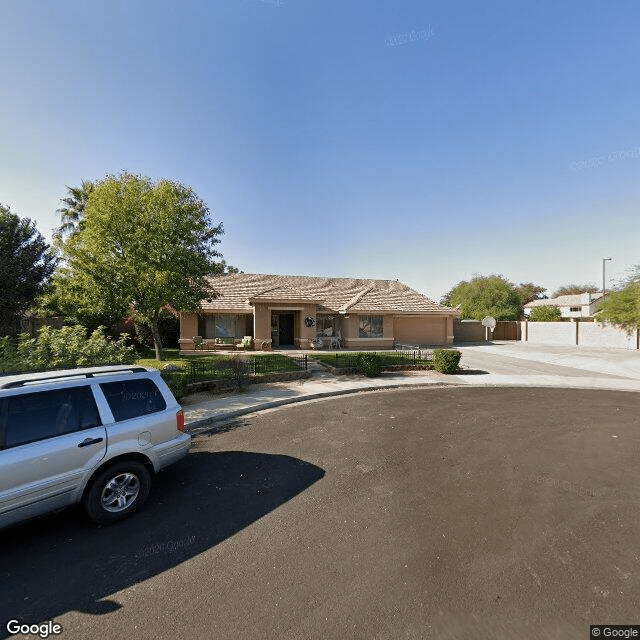
1804 S. Southwind CT, Gilbert, AZ 85295
To contact a resident: (480) 726-6788
For more information about senior living options: (866) 208-4318
Red Mountain Assisted Living at Gilbert Costs & Pricing
Red Mountain Assisted Living at Gilbert offers competitive pricing for its residents, with monthly costs for semi-private rooms set at $2,800, which is slightly lower than the Maricopa County average of $2,801 and Arizona's state average of $2,820. For those seeking more privacy, the facility provides private rooms at a rate of $3,500. While this exceeds both the county's average of $3,318 and the state's average of $3,345, it reflects the exceptional quality of care and accommodations that Red Mountain is known for. Overall, the pricing structure demonstrates a commitment to offering value in a comfortable environment tailored to meet the needs of its residents.
| Floor plans | Red Mountain Assisted Living at Gilbert | Maricopa County | Arizona |
|---|---|---|---|
| Semi-Private | $2,800 | $2,801 | $2,820 |
| Private | $3,500 | $3,318 | $3,345 |
Senior living communities with a similar price nearby
-
from -$175 / mo

The Eldercare Home Of Tempe
$2,625 to $3,412 / month8.8 miles away -
from -$300 / mo

La Bella Vita ALH
$2,500 to $7,000 / month7.9 miles away -
from -$400 / mo
Golden Touch One Adult Care Home
$2,400 to $5,800 / month4.1 miles away -
from -$400 / mo
Goshen Home Care
$2,400 to $2,700 / month17.3 miles away -
from +$200 / mo
Desert Garden Senior Living
$3,000 to $3,500 / month22.8 miles away
Overall Review of Red Mountain Assisted Living at Gilbert
Pros
 The family found a smaller care center that feels like a blessing.
 - The staff are exceptionally attentive.
- Holidays are exceptional and families are involved in every way.
- The home is family-owned and exceeds expectations.
- Long-term staff are very attentive, and the care exceeds expectations in every way.
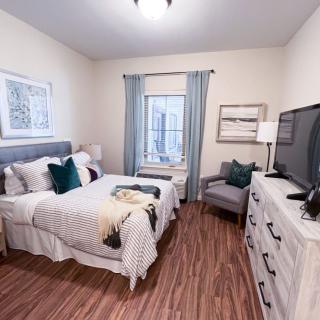
- The facility is a fairly new building with bright rooms that let in light.
- The staff handle medications well and are helpful as needed.
Cons
 The facility was not the best fit for her.
- The presence of a dog made the environment a little loud.
- Her mom did not want to be in a place with animals.
Review
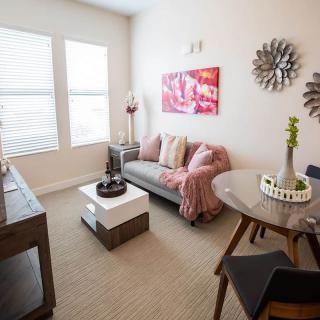
Red Mountain Assisted Living at Gilbert is best suited for families seeking a small, family-owned community where care feels personal, not corporate. The reviews emphasize a tightly run home atmosphere with exceptionally attentive staff and long-tenured caregivers who know residents’ routines and preferences. Families repeatedly highlight holiday celebrations as especially meaningful and note that involvement from loved ones is welcomed and integrated into daily life. The facility’s relatively new construction, about four years old, offers bright, light-filled rooms, which contributes to a homelike vibe rather than a clinical corridor feel. This combination, intimate size, continuity of care, and a welcoming culture, drives the core value for seniors who flourish when staff know them by name and care decisions are made with family input in mind.
For those who may want to consider alternatives, certain preferences point to other options. A resident who valued strict pet-free living and a quieter environment encountered a mismatch due to a dog on site and the resulting noise. That specific preference matters: for families or residents who cannot tolerate animals or who crave a serene, low-disruption setting, a no-pet facility or a campus with more stringent noise controls may be a better fit. Additionally, families seeking more formalized, higher-intensity programming or specialized memory-care services might find larger communities or facilities designed around those clinical needs offer clearer alignment with expectations. In short, this community excels on personalized, warm care rather than on scale or ultra-structured programming.
The strongest pros, the continuity of staff, the hands-on involvement of a family-owned operation, and the overall atmosphere, materialize as practical advantages that offset potential drawbacks. Long-term staff translates into reliable medication management, fewer handoffs, and a depth of trust that eases transitions for residents and families alike. The family ownership adds accountability and a culture that prizes compassionate, attentive care over corporate metrics. A fairly new building with generous light improves daily comfort, and a culture that invites family participation during holidays and events strengthens the sense of belonging. For seniors who value predictable routines, clear lines of communication, and a caregiving team that feels like an extended family, these advantages deliver meaningful, tangible value.
However, the reviews do reveal a measurable caveat. The one critical note, about a dog on the premises causing discomfort for a resident who did not want animals, highlights a real boundary condition. For anyone highly sensitive to animals or seeking a silent, pet-free environment, this could undermine the perceived suitability. The care in most days appears outstanding, but that single-factor variance can tip the balance for those with strict no-pet requirements or for families who prioritize a certain quietness level. Prospective residents should therefore verify the pet policy explicitly and assess how the environment actually feels at different times of day to ensure it aligns with personal comfort.
Ultimately, the decision comes down to fit. Red Mountain Assisted Living at Gilbert delivers a compelling package for families wanting a small, neighborly setting where caregivers know residents well, care plans are coordinated with family input, and everyday life feels warm and involved. It is a robust choice for seniors who do not require highly clinical environments but do need reliable support with medications, daily activities, and meaningful social engagement. Those who insist on a pet-free, ultra-quiet ambiance or who require advanced memory-care specialization should explore alternatives with formalized programs and stricter environmental controls. A direct visit is essential, spend time with staff, observe the floor during mealtimes, and confirm the cadence of family involvement to ensure expectations line up with reality.
 Board and Care Home
 Activities off-site
 Bath tubs
 Beautician on-site
 Indoor common areas
 Outdoor common areas
 Private
 Private bathrooms
 Respite or short term stays offered
 Wheelchair accessible showers
 Phoenix Sky Harbor International (16 miles away)
 Diabetic care
 High acuity care
 Incontinence care
 Medication management
 Meals provided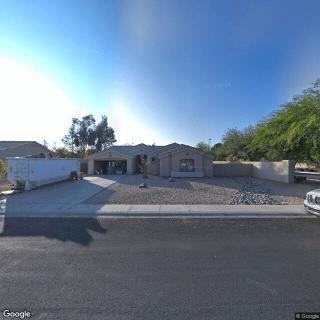

 Managing Nursing Home Expenses After Medicare Coverage Ends
 Is a Geriatric Care Manager the Right Choice for Your Family?
 Compassionate Conversations: How to Comfort Someone Who Is Grieving