
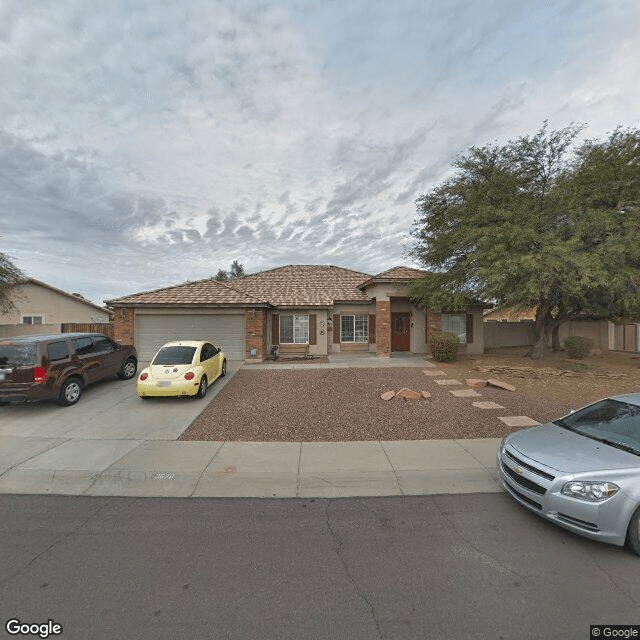
3678 East Thornton Avenue, Gilbert, AZ 85297
For more information about senior living options: (866) 208-4318
Overall Review of Guiding Angels Assisted Living
Pros
 The home is welcoming and provides a friendly environment.
- The facility is consistently clean and well maintained.
- The staff are incredibly compassionate and attentive to residents’ needs.
- It offers a supportive environment with engaging activities and meals that cater to dietary needs.
- Residents are pleasant to talk to and enjoy smiling and interacting when they gather in the living room.
- Immaculate Heart of Mary Assisted Living is a true blessing with compassionate staff and expert dementia care.
- The team brings peace and stability to each day, reflecting genuine care for residents and families.
- Guiding Angels Assisted Living provides an accommodating, peaceful ambience with a family-oriented atmosphere and attentive, 24-hour staff.
Cons
 The caregivers are substandard, they yell at residents, ignore calls for help, and sell you a bill of goods.
- They note that a loved one’s medical history and financial issues are discussed publicly, and that an advocate is needed to watch out for their well-being.
- They strongly advise not placing a loved one there, citing HIPAA violations, lies, and zero activities.
- They report frequent neglect and HIPAA violations, plus altercations between caregivers that even require police or EMS involvement.
- They claim there are no activities, residents are left in their rooms for hours, and caregivers are on their phones instead of helping.
- They allege some staff fabricate five-star reviews to praise the facility.
Review
Guiding Angels Assisted Living in Gilbert, AZ is best suited for families seeking a warm, home-like setting where staffing is visible around the clock and everyday life feels inclusive. The community tends to attract residents who thrive on a familial vibe, regular socialization, and straightforward, all-inclusive pricing that covers meals, laundry, and private accommodations customized to personal taste. For families prioritizing warmth, personal attention, and a smaller, less clinical atmosphere, this facility can feel like the right fit.
Those who should consider alternatives are families with residents requiring advanced memory care, stringent safety protocols, or highly structured activities and oversight. Several reviews raise serious concerns about caregiver training, consistency, and safety. If dementia-specific programs, rigorous incident reporting, and unassailable privacy safeguards are non-negotiable, it is prudent to explore facilities with proven track records in memory care and documented compliance. For families wary of privacy breaches or high-stress staff dynamics, other options may offer clearer benchmarks of reliability and accountability.
The strongest positives here, clean, welcoming spaces; compassionate, attentive staff; engaging activities; and meals tailored to dietary needs, build a genuine sense of home that many families value. The 24-hour presence and owner accessibility reinforce trust and responsiveness, while the private rooms and all-inclusive structure reduce ongoing friction over costs. For residents who respond well to a family-oriented rhythm and frequent social interaction, these features can meaningfully offset the appeal of more impersonal care settings and create everyday comfort and predictability.
Yet the main cons cited are substantial enough to demand serious scrutiny. The most alarming feedback describes yelling by caregivers, neglecting calls for help, and privacy breaches, issues that, if substantiated, undermine basic safety and dignity. Additional reports of limited activities and residents who appear disengaged or unattended compound the concern. In a landscape where memory care needs and acute medical support may escalate quickly, these red flags carry real weight. The magnitude of these allegations means any decision should hinge on verifiable, sustained improvements and transparent accountability before relying on comfort alone.
Practically, the decision hinges on due diligence. Prospective families should demand a candid tour focused on staff-resident interactions, ask for current caregiver-to-resident ratios, and review credentials, including CPR and dementia-care training. Insist on access to recent state inspection reports and a clear record of corrective actions. Request conversations with multiple current residents’ families to gauge consistency of care and privacy practices, and seek opportunities for a trial stay to observe daily routines, meal service, and activity programming firsthand. Compare the experience to other local options known for dementia training, robust activity calendars, and transparent governance to ensure alignment with priorities and risk tolerance.
In the end, Guiding Angels offers a compelling blend of homelike comfort, personal attention, and inclusive pricing that can serve well for families who value a warm environment and straightforward care. However, the constellation of serious red flags raised in some reviews cannot be dismissed without verification. If transparent proof emerges of strong staff training, reliable supervision, and consistent, dignified care, this facility can be a solid choice for the right resident. If not, the careful, comparative shopping that prioritizes memory care competence, safety, and verifiable accountability is essential. The prudent path is a disciplined tour, frank conversations, and a clearly documented care plan that answers how daily risks will be managed and mitigated.
 10 resident community capacity
 1-bedroom apartments
 Assisted Living
 Board and Care Home
 Memory Care
 Respite Care
 Cable or satellite TV
 Dining room
 Fully furnished
 Garden
 Housekeeping services
 Move-in coordination
 Outdoor space
 Telephone
 Wi-Fi/high-speed internet available
 Phoenix Sky Harbor International (21 miles away)
 24-hour supervision
 Activities of daily living assistance
 Assistance with bathing
 Assistance with dressing
 Assistance with transfers
 Diabetes diet
 Meal preparation and service
 Medication management
 Special dietary restrictions
 Transportation arrangement (medical)
 Transportation to doctors appointments





 Understanding Dementia Through Its Seven Stages: A Comprehensive Look at Progression and Expectations
 A Holistic Dementia Care Guide: Effective Strategies for Memory Support
 Comprehensive Insights into Activities of Daily Living (ADLs) and Their Assessment