

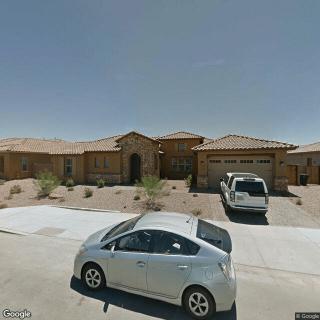
3230 East Fruitvale Court, Gilbert, AZ 85297
For more information about senior living options: (866) 208-4318
Coronado Ranch Ach Costs & Pricing
Coronado Ranch Ach offers competitive pricing in comparison to both Maricopa County and the broader Arizona state averages. For a semi-private room, residents can expect to pay $1,800 per month, significantly lower than the county average of $2,801 and the state average of $2,820. This cost-effectiveness extends to private accommodations as well, with Coronado Ranch Ach charging $3,500 compared to Maricopa County's average of $3,318 and the state's average of $3,345. These rates not only reflect value but also underscore Coronado Ranch Ach's commitment to providing affordable care while maintaining high standards of service within the community.
| Floor plans | Coronado Ranch Ach | Maricopa County | Arizona |
|---|---|---|---|
| Semi-Private | $1,800 | $2,801 | $2,820 |
| Private | $3,500 | $3,318 | $3,345 |
Assisted Living communities with a similar price nearby
-
from +$200 / mo

Angel's Adult Group Home
$2,000 to $3,000 / month15.4 miles away -
from +$205 / mo

Divine Mercy Assisted Living Home
$2,005 to $3,110 / month6.3 miles away -
About the same

Divine Grace Assisted Living Home
$1,800 to $2,500 / month10.0 miles away -
from +$200 / mo

Portobello Assisted Living Home
$2,000 to $2,500 / month7.5 miles away -
About the same

Home Sweet Home
$1,800 to $2,500 / month7.3 miles away
Overall Review of Coronado Ranch Ach
Cons
 The caregivers are mean.
- The owner is also the worst.
- She obviously just wants money and doesn't care about the patients and the caregivers.
- This GH suffers from a mean-spirited autocratic management.
- AVOID at all costs. You can do much better for your loved ones.
Review
Coronado Ranch Ach in Gilbert, AZ presents no clear fit for families seeking compassionate, resident-centered care. The available feedback portrays a culture governed by autocratic leadership and a staff dynamic that residents and families may experience as unkind. In practical terms, only those with no viable alternative options and a tolerance for a rigid, money-driven leadership would consider this community. For the typical family weighing quality of life, dignity, and dependable daily support, this facility stands out as a poor match and a high risk to a senior’s stability and comfort.
Those evaluating alternatives should focus on facilities where care staff are consistently courteous, engaged, and supported by a leadership that communicates openly with families. If the goal is reliable warm care, transparent governance, and a resident-first approach, Coronado Ranch Ach should not be the starting point. Look for communities with stable staffing, low turnover, and management that invites family input rather than centralizing control. For residents who require coordinated medical oversight, mobility assistance, or memory care, the absence of supportive leadership compounds everyday challenges and erodes trust.
The main cons, as reflected by the reviews, center on a mean-spirited atmosphere and autocratic management. The owner is characterized as primarily money-focused, with little regard for residents or the caregiving team. This combination creates a perception of disregard for resident wellbeing and a morale-sapping environment that can manifest as inconsistent care, limited responsiveness, and heightened stress for both residents and families. The repetition of identical negative assessments reinforces the impression of a systemic pattern rather than isolated incidents, signaling a risk that is systemic rather than episodic.
There are no evident pros in the feedback that would meaningfully offset these significant drawbacks. No documented strengths, such as exceptional clinical staffing, robust activity programs, transparent billing practices, or responsive, family-inclusive governance, emerge from the reviews. The absence of credible positives intensifies concern, making it difficult to justify choosing this community when a higher-quality alternative likely exists nearby. Without noteworthy compensating attributes, the negative dynamics become the dominant factor shaping daily experience and long-term satisfaction.
Practical decision-making steps should guide families during site visits and conversations. Observe real interactions between staff and residents: tone, patience, and whether residents appear engaged and safe. Probe leadership structure, owner involvement, turnover rates, and the mechanism for family feedback. Request a representative day-in-the-life schedule, dining experiences, and documented assistance with mobility, medications, and personal care. Review state licensing records, recent survey results, and any formal complaints. Compare with at least two other communities that can demonstrate governance transparency, consistent staffing, and a track record of respectful, person-centered care. If credibility on governance and staff culture remains weak, move on without hesitation.
In sum, Coronado Ranch Ach is not recommended for families prioritizing dignity, warmth, and consistent, well-coordinated care. The negative signals regarding leadership style and staff demeanor overshadow any potential convenience or cost considerations, and alternative communities are likely to deliver a markedly better daily experience for residents. For those assembling a short list of options, exclude this facility early and align choices with communities that demonstrate compassionate care, stable staffing, and governance that actively partners with families to support a senior’s well-being and autonomy.
 10 resident community capacity
 Assisted Living
 Board and Care Home
 Respite Care
 Cats allowed
 Dogs allowed
 Cable or satellite TV
 Dining room
 Fully furnished
 Garden
 Housekeeping services
 Move-in coordination
 Outdoor space
 Private
 Telephone
 Wi-Fi/high-speed internet available
 Phoenix Sky Harbor International (20 miles away)
 24-hour supervision
 Activities of daily living assistance
 Assistance with bathing
 Assistance with dressing
 Assistance with transfers
 Diabetes diet
 Meal preparation and service
 Medication management
 Special dietary restrictions
 Transportation arrangement (medical)
 Transportation to doctors appointments
 Intimate, small-community setting with comprehensive, personalized care.




 Senior Transition Services: Understanding Their Role, Cost, and Importance
 Exploring the Path to Senior Living: A Comprehensive Look at Independent Living and Assisted Living
 Is Assisted Living Deductible on Your Taxes? Understanding the Complexities of Assisted Living Expenses and Deductions