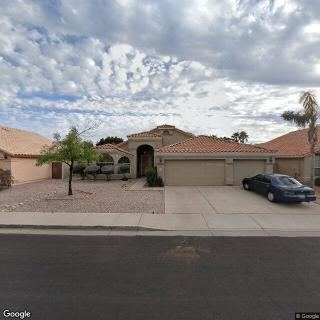
Veema Chandler Assisted Living Homes

4695 West Tyson Street, Chandler, AZ 85226

For more information about senior living options: (844) 490-3973

3.9 from 43 reviews
5 stars
26
4 stars
4
3 stars
2
2 stars
4
1 stars
7

Assisted Living Board and Care Home

What level of care are you interested in?

Assisted Living

Memory Care

Independent Living

Skilled Nursing Facility

Continuing Care Retirement Community (CCRC)CCRC

Other


Request a tour at Veema Chandler Assisted Living Homes

    Overall Review of Veema Chandler Assisted Living Homes

    Pros

    • pro The mother was welcomed warmly and treated like family by the staff when she moved in.
    • pro The facility is clean and well maintained with nice amenities.
    • pro The meals are quite good.
    • pro The weekly appointments in the building salon made her feel beautiful and gave her dignity.
    • pro The med techs and nurses were very responsive and professional.
    • pro The weekly music events, crafts, and on-site church services gave quality to her life.
    • pro Hunter at the front desk is a great asset.
    • pro The caregivers in assisted living were kind and attentive.
    • pro The environment is beautiful and the staff and residents are friendly and welcoming.

    Cons

    • pro The dining is described as beyond poor, often sloppy and barely edible.
    • pro Chicken tenders were served raw on multiple occasions.
    • pro Wait times for meals are excessive; dessert options are limited and drink portions are tiny.
    • pro Billing frequently charges for guest meals despite no guests.
    • pro Staff are overworked and understaffed; nurses are rarely present; call button responses can be lengthy; at one point there was no nurse for over three months.
    • pro PRN pain meds require pre-approval, and there was an incident where an extra dose of morphine was given without approval.
    • pro Sundays often have only one caregiver for the entire assisted living unit.
    • pro Residents must handle their own TV issues with Cox despite TV service being included; maintenance delays and slow repairs; ice maker broken and repaired by a resident.
    • pro Move-out process lacks a proper walk-through; damages are charged with a 15% move-out administration fee; reimbursements are delayed and itemized invoices are provided only after repeated requests.
    • pro Management is unresponsive after move-in; the director avoids the reviewer in the dining room; staff question privately hired companions about their roles.

    Review

    The Enclave At Chandler elicits a wide range of experiences from families who have lived there, from joyous gratitude to deep frustration. One family member paints a picture of a place that, at its best, felt like a warm home where their father found new friendships, engaging activities, and dining options that made him happy again. He grew to love his residence, and the family observed him becoming the happiest they'd seen him in years. Yet another family member has a starkly different memory, recounting persistent decline in quality after corporate ownership changed hands, with a strong recommendation against moving loved ones there or into other facilities owned by the same corporation. That reviewer says they were an active on-site advocate for years, and their experience suggests that governance and leadership shifts dramatically affected day-to-day care and service.

    The accounts span a broad period, with references to residents who were there from 2018 through 2025. One reviewer emphasizes the impact of ownership transitions, arguing that after the corporate change, the facility's performance deteriorated rapidly. This same perspective highlights a pattern of unresponsiveness to concerns once move-in fees are paid, and it points to a perceived gap between the promises seen on tours and the realities inside the community. In contrast, other reviewers recount positive, personal connections: staff who treated their family members with warmth, a well-maintained environment, and a sense of community that provided meaningful social interactions such as on-site salon services, weekly music events, crafts, and church services. The spectrum is wide, and the differences appear to hinge on staffing levels, management responsiveness, and the specific unit in which a resident resides.

    Dining and meal service emerge as a particularly contentious area. Several reviewers describe the food as poor and inconsistent, with issues like sloppy preparation, long wait times, and even raw chicken on multiple occasions. Dessert options are described as limited, drink portions small, and alternative meals low in quality or frequently unavailable. The contrast is striking because tours often leave prospective residents with a favorable impression of meals. Still, some families note that the meals on the independent or memory care sides could be satisfactory or even good, suggesting that the experience can vary by unit and staff. The dining experience, then, becomes a microcosm of the overall situation: positive moments and pleasant routines are possible, but not guaranteed across the board.

    Billing and financial management are a recurrent source of stress for many families. One family reports frequent charges for guest meals that never occurred, with monthly statements that required careful scrutiny and ongoing intervention. They describe repeated errors and delays in refunds or credits, including a $30 guest-meal credit tied to a resident's death that finally appeared after several months and was not even issued with the correct recipient name. Move-out charges add another layer of tension: an itemized invoice was delayed or incomplete, and a 15% move-out administration fee was billed without a timely, transparent walkthrough. These issues color perceptions of the facility's overall integrity and reliability, fueling ongoing calls to corporate leadership for clearer, more accurate accounting and timely resolution of discrepancies.

    Care quality and staffing stability are at the heart of many concerns. Reviewers describe a system strained by under-staffing and high workloads, with nurses rarely present and call button response times sometimes slow. One account claims there were periods when there was no nurse for more than three months. The implications extend to medications, where reviewers say families must be vigilant and often must step in to oversee administration and approvals. Instances of medication mismanagement are cited, including a reported extra dose of morphine given without prior family approval. In some cases, Sundays are described as particularly challenging, with only one caregiver for an entire assisted-living unit. These anecdotes suggest a disconnect between resident needs and available staff resources, underscoring the importance of robust training, sufficient staffing, and consistent on-site oversight.

    Maintenance, housekeeping, and general facility operations also feature prominently in the critiques. Residents are described as being asked to troubleshoot TV service, fix broken ice makers, and even plunge toilets - tasks that would be unusual in a well-staffed community. Maintenance delays and inconsistent housekeeping practices are noted, with some reviewers reporting that the former business manager had to step in to help clean rooms. The perception of a caring, proactive management team is further clouded by reports of unresponsiveness to concerns and a lack of formal processes for issue resolution. The sense that some problems are tolerated rather than promptly addressed contributes to a broader view that the facility's operations can feel ad hoc.

    Management and leadership ultimately shape how families experience the Enclave. Several reviewers describe a pattern where concerns are raised and then seemingly ignored or dismissed after move-in, with suggestions that the corporate layer uses "ownership changes" as a justification for ongoing shortcomings. On the other hand, there are moments of empathy and accountability: one director did reach out after a long period, and a memory-care team member is commended for warmth and attentiveness. Still, the overall sense from many accounts is that engagement with families often stalls once money has changed hands, and that timely, compassionate responses to serious concerns - especially around patient safety and end-of-life experiences - have been inconsistent.

    Amid the mixed experiences, there are clear threads of gratitude and resilience. Some families recount a beautiful, nurturing environment on the memory care side where staff like Catherine and Devie, along with front-desk team members such as Hunter, provided meaningful care and made a positive difference in daily life. They describe their loved ones receiving respectful treatment, dignified care, and peaceful moments, including a mother who passed away peacefully at age 95 with caregivers who supported her with compassion. The presence of regular activities - salon services, music programs, crafts, and on-site religious services - paints a picture of a community that, under the right conditions and with engaged staff, can offer real quality of life and comfort. These stories remind readers that, for some families, The Enclave At Chandler remains a place of warmth, connection, and care.

    Taken together, the collection of experiences reveals a facility with significant variability in quality and experience. Positive outcomes depend on stable staffing, responsive management, and attentive, individualized care; negative outcomes highlight systemic issues around staffing shortages, inconsistent service, and opaque billing practices. For anyone considering The Enclave At Chandler, the message is to perform thorough due diligence: verify current ownership and leadership, tour with current residents to see daily life firsthand, scrutinize dining and activities offerings across units, review recent billing statements for anomalies, and ask pointed questions about staffing ratios, nurse availability, and care planning. The stories emphasize that while there are moments of genuine care and community, there are also persistent concerns that deserve careful attention before making a decision about placement.

    Features

    Housing

    • 5 resident community capacity 5 resident community capacity

    Types of Care

    • Assisted Living Assisted LivingAssisted living facilities provide crucial support and care for seniors who may need help with daily tasks such as medication management, bathing, and meal preparation. These communities offer a safe and comfortable environment where seniors can maintain their independence while receiving the assistance they need to thrive in their golden years.
    • Board and Care Home Board and Care HomeBoard and care homes provide a smaller, more intimate setting for seniors who require assistance with daily tasks but do not need the level of care offered by a nursing home. They offer personalized care, meals, and social activities in a homelike environment, ensuring that seniors receive individualized attention and support in their golden years.

    Amenities

    • Cable or satellite TV Cable or satellite TVCable or satellite TV is important for seniors because it provides entertainment, news, and companionship, helping to combat loneliness and boredom. It also offers a wide range of programming options tailored to different interests and preferences.
    • Dining room Dining roomDining rooms are important for seniors as they provide a space for socialization, connection, and nutritious meals. They offer opportunities for residents to bond over shared meals, foster a sense of community, and promote healthy eating habits. Dining rooms also ensure that seniors have access to well-balanced meals tailored to their dietary needs and preferences.
    • Fully furnished Fully furnishedFully furnished senior living communities are important for seniors because they provide convenience, comfort, and a hassle-free moving experience. Seniors can easily settle into their new living space without the stress of having to buy and move furniture. This allows them to focus on enjoying their new home and community.
    • Garden GardenGardens are important for seniors as they provide a peaceful and therapeutic environment for relaxation, physical activity, and socialization. Being in nature has been shown to reduce stress, improve mood, and promote overall well-being. Gardens also offer opportunities for seniors to engage in gardening activities, which can improve mobility, flexibility, and cognitive function. Additionally, gardens create a sense of community and connection with others who share a passion for plants and outdoor spaces.
    • Housekeeping services Housekeeping servicesHousekeeping services are important for seniors because they help maintain a clean and safe living environment, promote independence, and reduce the risk of accidents or illnesses. Additionally, having assistance with household chores can alleviate physical strain and allow seniors to focus on other aspects of their well-being.
    • Move-in coordination Move-in coordinationMove-in coordination is important for seniors because it helps ease the transition into their new living environment. It ensures that all logistics, such as packing, organizing movers, and setting up utilities are taken care of, allowing seniors to focus on settling in and adjusting to their new home. Having a smooth move-in process can alleviate stress and anxiety, making the transition smoother and more enjoyable for seniors.
    • Outdoor space Outdoor spaceOutdoor spaces are important for seniors as they provide opportunities for physical activity, social interaction, exposure to natural light and fresh air, and a sense of connection to nature. Having access to outdoor spaces can improve overall well-being and quality of life for older adults living in senior communities.
    • Telephone TelephoneTelephones are important for seniors as they provide a lifeline for communication with loved ones, emergency services, and healthcare providers. They offer a sense of security and independence, enabling seniors to stay connected and access assistance when needed.
    • Wi-Fi/high-speed internet available Wi-Fi/high-speed internet availableWi-Fi/high-speed internet is important for seniors to stay connected with loved ones, access online resources, and participate in virtual activities to combat feelings of loneliness and isolation. It also allows them to easily manage healthcare needs, access entertainment, and engage in lifelong learning opportunities.

    Transportation

    • Phoenix Sky Harbor International (10 miles away) Phoenix Sky Harbor International (10 miles away)

    Care Services

    • 24-hour supervision 24-hour supervision24-hour supervision is important for seniors to ensure their safety, well-being, and access to immediate assistance in case of emergencies or health issues. This constant support provides peace of mind for both seniors and their loved ones, allowing them to age in place with dignity and security.
    • Activities of daily living assistance Activities of daily living assistanceActivities of daily living assistance are important for seniors because they provide essential support with tasks such as eating, bathing, dressing, and mobility. This assistance helps seniors maintain their independence, dignity, and overall quality of life as they age.
    • Assistance with bathing Assistance with bathingAssistance with bathing is crucial for seniors as it helps maintain personal hygiene, prevents infections, and ensures their overall well-being and comfort. It also provides a sense of dignity and independence for seniors who may struggle with this task on their own.
    • Assistance with dressing Assistance with dressingAssistance with dressing is important for seniors because it helps maintain their independence, promotes personal hygiene, prevents accidents and injuries, and improves overall quality of life. This service ensures that seniors can continue to dress comfortably and confidently, despite any physical limitations they may have.
    • Assistance with transfers Assistance with transfersAssistance with transfers is crucial for seniors as it helps prevent falls and injuries, maintains their independence, and ensures they can safely navigate their living environment. It also provides peace of mind for both seniors and their loved ones.
    • Coordination with health care providers Coordination with health care providersCoordination with health care providers is crucial for seniors to ensure proper medical care, medication management, and overall well-being. This collaboration helps prevent overlapping treatments, track progress more effectively, and provide comprehensive support tailored to individual needs.
    • Diabetes diet Diabetes dietA diabetes diet is crucial for seniors as it helps manage blood sugar levels, reduce risks of complications, and improve overall health and well-being. By following a balanced and nutritious diet tailored to their specific needs, seniors can better control their diabetes and enhance their quality of life.
    • Meal preparation and service Meal preparation and serviceMeal preparation and service are crucial for seniors as they may have limited mobility or energy to cook nutritious meals. Having access to healthy and convenient food options can ensure they are getting the proper nutrition needed to maintain their overall health and well-being.
    • Medication management Medication managementMedication management is crucial for seniors to ensure they are taking the right medications at the correct dosages and times. This helps prevent adverse drug interactions, reduces the risk of medication errors, and promotes overall health and well-being. Proactive management also allows for adjustments as needed based on changing health conditions or new prescriptions.
    • Special dietary restrictions Special dietary restrictionsSpecial dietary restrictions are important for seniors because age-related changes in metabolism and health conditions can make it difficult for their bodies to process certain foods. By following a diet tailored to their specific needs, seniors can maintain their overall health and well-being, manage chronic conditions, and reduce the risk of complications such as malnutrition or food interactions with medications.
    • Transportation arrangement (medical) Transportation arrangement (medical)Transportation arrangements for medical purposes are essential for seniors as they may have difficulty driving themselves to appointments or accessing public transportation. Having reliable and safe transportation options ensures that seniors can receive timely medical care and maintain their health and well-being.
    • Transportation to doctors appointments Transportation to doctors appointmentsTransportation to doctors' appointments is crucial for seniors as it ensures they have access to necessary medical care and support for their health needs. Without reliable transportation, seniors may struggle to attend important appointments, leading to potential delays in treatment and health complications. Providing transportation services helps seniors maintain their overall well-being and quality of life.
    Dining

    • Diabetes diet Diabetes dietA diabetes diet is crucial for seniors as it helps manage blood sugar levels, reduce risks of complications, and improve overall health and well-being. By following a balanced and nutritious diet tailored to their specific needs, seniors can better control their diabetes and enhance their quality of life.
    • Special dietary restrictions Special dietary restrictionsSpecial dietary restrictions are important for seniors because age-related changes in metabolism and health conditions can make it difficult for their bodies to process certain foods. By following a diet tailored to their specific needs, seniors can maintain their overall health and well-being, manage chronic conditions, and reduce the risk of complications such as malnutrition or food interactions with medications.

    Activities

    • Community-sponsored activities Community-sponsored activitiesCommunity-sponsored activities are important for seniors as they provide opportunities for social interaction, mental stimulation, and physical activity. These activities can help improve overall well-being, combat loneliness and isolation, and promote a sense of belonging and purpose among older adults.
    • Scheduled daily activities Scheduled daily activitiesScheduled daily activities are important for seniors because they provide structure, socialization, mental stimulation, and physical activity. Engaging in regular activities can improve overall well-being and quality of life for seniors living in a community setting.

    Description

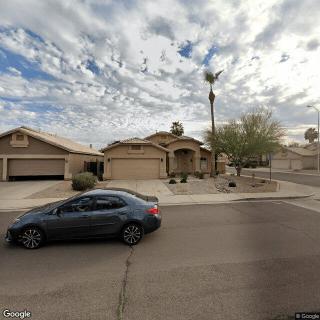
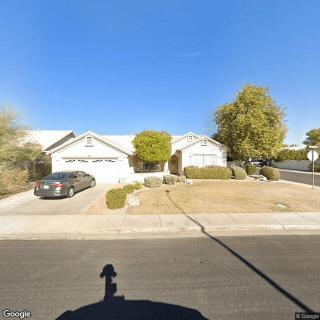
    Veema Chandler Assisted Living Homes in Chandler, AZ offers a warm and inviting environment for seniors in need of board and care services. Our fully furnished homes provide a comfortable living space for residents, with amenities such as a dining room, garden, outdoor space, telephone, and Wi-Fi/high-speed internet.

    We prioritize the well-being of our residents by offering assistance with activities of daily living, including bathing, dressing, and transfers. Our dedicated staff coordinates with healthcare providers to ensure that each resident receives the necessary medical care and medication management. We also cater to special dietary restrictions, including diabetes diets.

    At Veema Chandler Assisted Living Homes, we understand the importance of socialization and engagement. That's why we organize scheduled daily activities for our residents to enjoy. Whether it's participating in group outings or engaging in on-site events, there is always something exciting happening within our community.

    Convenience is key at Veema Chandler Assisted Living Homes. With multiple cafes, parks, pharmacies, physicians' offices, restaurants, places of worship, theaters nearby and hospitals just a short distance away, our residents have access to essential services and entertainment options.

    If you are seeking an assisted living community that prioritizes personalized care in a homely environment coupled with convenient amenities and nearby facilities, Veema Chandler Assisted Living Homes is the perfect choice for you or your loved one.

    Nearby Places of Interest

    Parks

    • Desert Breeze Park (0.3 miles)
    • Bark Park (5.9 miles)

    Restaurants

    • Dirty Blonde Tavern (0.4 miles)
    • Supreme Shawarma (0.7 miles)
    • Wingstop (1.2 miles)
    • Chompie's Restaurant (1.5 miles)
    • The Cheesecake Factory (1.6 miles)
    • Someburros (1.6 miles)
    • The Sicilian Butcher (1.8 miles)

    Pharmacies

    • Walgreens (0.4 miles)
    • CVS Pharmacy (1.1 miles)
    • CVS Pharmacy (1.3 miles)
    • CVS Pharmacy (2.7 miles)
    • Walgreens (2.8 miles)
    • Express Scripts (3 miles)
    • Walgreens (3.3 miles)

    Cafes

    • Starbucks (0.7 miles)
    • Starbucks (0.9 miles)
    • Black Rock Coffee Bar (2.4 miles)
    • Starbucks (2.8 miles)
    • Starbucks (3.1 miles)
    • Starbucks (3.2 miles)
    • Peixoto Coffee Roasters (4.8 miles)

    Physicians

    • Step By Step Pediatrics (0.9 miles)
    • HonorHealth Medical Group - South Tempe - Primary Care (1.8 miles)
    • Centre For Contemporary Dental Concepts (2.1 miles)
    • Valley ENT (2.8 miles)
    • Sonora Quest Laboratories (2.8 miles)
    • Gateway Pediatrics (2.8 miles)
    • Arizona Allergy Associates (3 miles)

    Theaters

    • Chandler Fashion 20 (1.6 miles)
    • Alamo Drafthouse Tempe (4.8 miles)
    • Arizona Mills 18 w/ IMAX (5.8 miles)

    Hospitals

    • Chandler Regional Medical Center (3 miles)
    • Phoenix ER & Medical Hospital (4.1 miles)
    • Banner Health Ocotillo (4.2 miles)

    Places of Worship

    • Temple Emanuel (4.2 miles)
    • Cornerstone Christian Fellowship (4.3 miles)
    • Compass Christian Church (4.4 miles)
    • Kingdom Hall (5.3 miles)
    • Church of Jesus Christ of Latter Day Saints (5.6 miles)

    Frequently Asked Questions

    Where is Veema Chandler Assisted Living Homes?

    Nearby Communities

    Related Resources

    • assisted living insuranceAssisted Living Expenses and Long-Term Care Insurance: A Comprehensive Exploration

      The article discusses assisted living expenses, the importance of long-term care insurance in covering these costs, and various financing options, highlighting the need for careful policy review and early planning to address potential needs. It also clarifies common misconceptions about Medicare and private health insurance limitations regarding long-term care coverage.

    • how to pay for assisted livingSecuring Financial Support for Assisted Living: A Comprehensive Overview

      Assisted living facilities offer crucial support for older adults needing help with daily activities but come with varying and significant costs, which can be financed through personal savings, government assistance programs, long-term care insurance, and home equity options. Professional guidance from experts can aid families in navigating these financial complexities to establish a sustainable budgeting approach for assisted living services.

    • assisted living for seniors on social securitySocial Security Benefits and Assisted Living: Navigating Options Across the U.S.

      Assisted living costs often exceed Social Security benefits, necessitating a combination of funding sources like state aid and Medicaid. Understanding the interaction between Social Security programs and available financial support is essential for affording such care.


    Get Pricing Ask A Question Schedule A Tour Contact Senior Advisor