
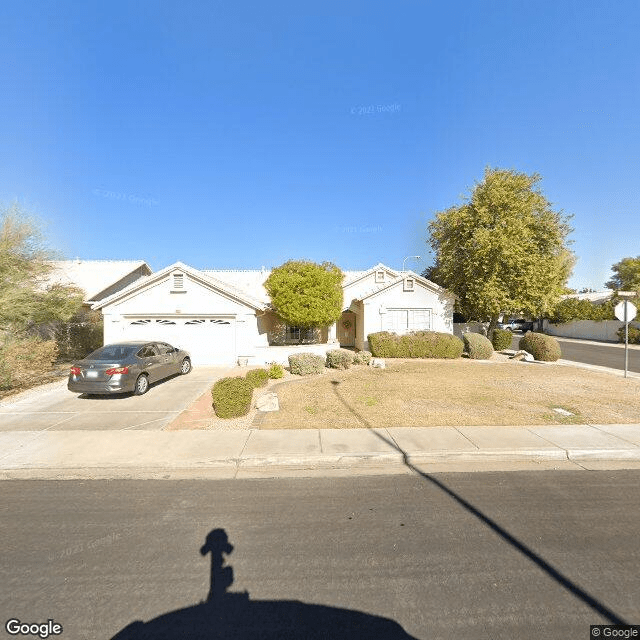
4144 West Bart Drive, Chandler, AZ 85226
For more information about senior living options: (866) 208-4318
Overall Review of Tranquil Living Care Home
Pros
 The home is warm and welcoming to its patients.
- The staff provides attentive care and patience with the patient.
- The reviewer gives TLC five stars, expressing high satisfaction.
- TLC offers flexibility and personal attention to residents and their caregivers.
- TLC honors wishes and provides exceptional round-the-clock care with nurse and doctor visits.
- The resident is comfortable and happiest in her own room at TLC.
- Carolina is responsive to requests and often takes the mother out for activities.
- Tranquil Living Home is a good alternative to a traditional facility.
Cons
 The high-functioning mother isn't ready to be 'imprisoned' in a locked-down assisted living environment.
Review
Tranquil Living Care Home in Chandler is best suited for families seeking a small, home-like setting where seniors receive highly individualized, compassionate care. The residence shines for residents with memory-care needs who are not looking for a sterile, institutional environment, and for those navigating transitions from hospital or acute care toward a steady, comfortable pace of life. The warmth of the staff translates into real peace of mind: caregivers are patient, attentive, and willing to adapt day by day to changing needs. Residents who value a private room, familiar routines, and a sense of home rather than a clinical atmosphere will likely thrive here. The facility has proven its capacity to honor caregiver wishes while prioritizing quality of life.
Yet some families will want to consider alternatives if the priority is intensive, always-on medical oversight or a broad spectrum of campus-style amenities. Larger assisted living campuses with locked-memory neighborhoods and on-site skilled nursing can provide more comprehensive medical coverage, more structured activity schedules, and more predictable staffing. For residents with advanced dementia, aggressive behavioral support, or a need for constant, hospital-grade monitoring, a traditional facility or a skilled nursing setting may deliver greater reassurance. In short, the intimate, flexible model at Tranquil Living is powerful for many, but not all, care trajectories.
From the strongest angles, the pros clearly offset potential drawbacks. The care home’s warmth, responsiveness, and hands-on attention translate into meaningful daily comfort, an especially meaningful advantage for short-term stays and evolving needs. The ability to involve family in decisions, and to honor wishes around hospice or end-of-life care, produces a level of trust that larger facilities often struggle to match. Outings to grocery stores or movies, driven by Carolina-like responsiveness, reflect a rare balance between independence, memory-support, and safety. The shift to hospice services has been handled with sensitivity, ensuring round-the-clock comfort between professional visits while preserving dignity and a familiar room layout. Those elements are not cosmetic; they directly impact quality of life.
However, readers should verify the practical limits. The model relies on a small team and a home setting rather than a campus with constant in-house nursing. Families should ask for specifics on staffing ratios, what “round-the-clock” care actually looks like day-to-day, and how emergencies are managed when on-site resources are limited. Clarify how often professional nurses or doctors are on site, what tasks remain in the family’s hands, and how transitions between hospital, hospice, and home are coordinated. Also important: confirm the privacy and autonomy of residents, and whether activities align with the resident’s cognitive and physical capabilities beyond occasional outings.
For memory-care residents who still want engagement without feeling imprisoned, this home offers a compelling path, particularly when the goal is sensitive, individualized care that respects independence. Families should, however, align expectations around social programming, transport logistics for outings, and how much structure exists in a given week. Given the reported responsiveness and the emphasis on living well in one’s own space, Tranquil Living makes a strong case for those prioritizing quality of life and caregiver partnership over the more regimented day-to-day routine found elsewhere.
Decision-makers should approach with a clear set of questions, a tour, and time to observe interaction patterns between staff and residents. If the aim is to balance warmth, flexibility, and hospice-friendly support within a private-room setting, Tranquil Living Care Home in Chandler offers a well-matched option. It is especially well-suited for high-functioning memory-care residents and families who want a home-forward approach that still honors medical needs and family input. For those whose care requires constant medical presence, or who crave the scale and programming of a larger campus, alternatives should be pursued with equal seriousness.
 5 resident community capacity
 Assisted Living
 Board and Care Home
 Activities on-site
 Cable or satellite TV
 Devotional services off-site
 Dining room
 Fully furnished
 Garden
 Housekeeping services
 Indoor common areas
 Move-in coordination
 Outdoor space
 Telephone
 Wi-Fi/high-speed internet available
 Phoenix Sky Harbor International (10 miles away)
 24-hour supervision
 Ambulatory care
 Assistance with bathing
 Assistance with dressing
 Assistance with transfers
 Diabetes diet
 Diabetic care
 Meal preparation and service
 Medication management
 Special dietary restrictions
 Transportation arrangement (medical)
 Transportation to doctors appointments
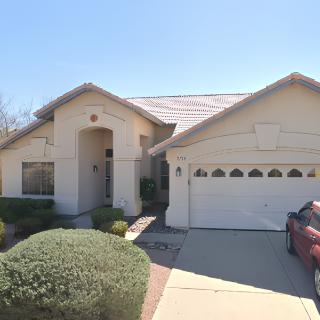
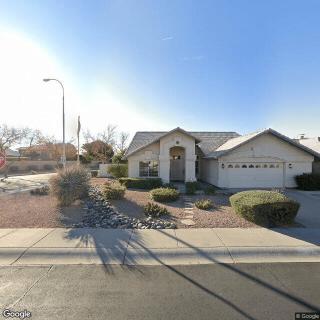
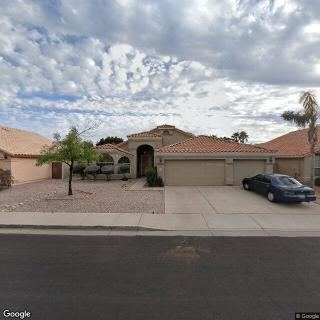

 Comprehensive Residential Support and Assisted Living Solutions for Individuals with Disabilities
 Comprehensive Supportive Living Arrangements for Adults with Disabilities
 Funding and Affording Assisted Living: A Thorough Overview