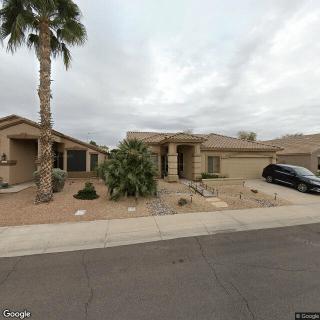



Tina's Place Assisted Living Home in Chandler, AZ

Save

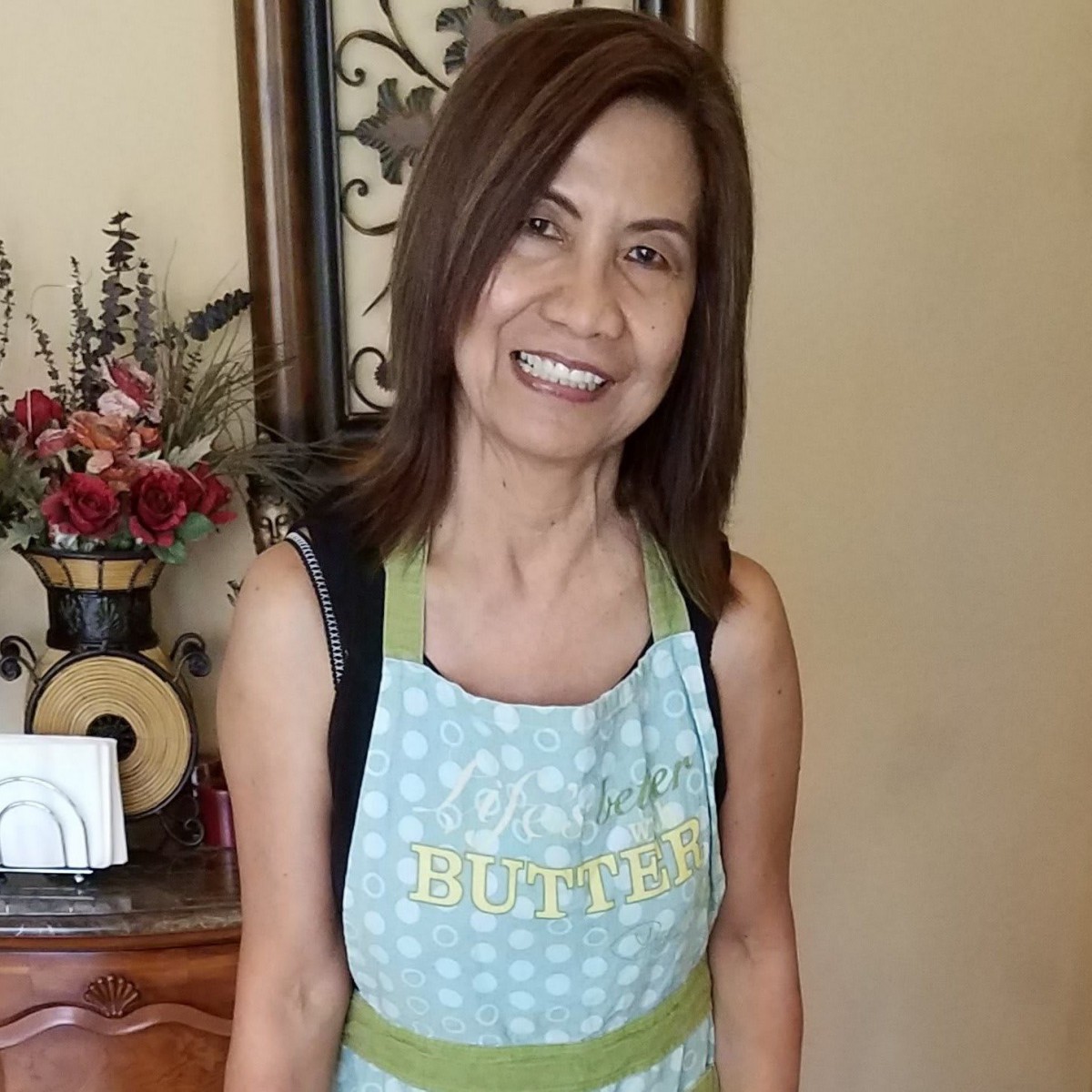
  • Interior

    A woman smiling indoors while wearing an apron.
  • Decor

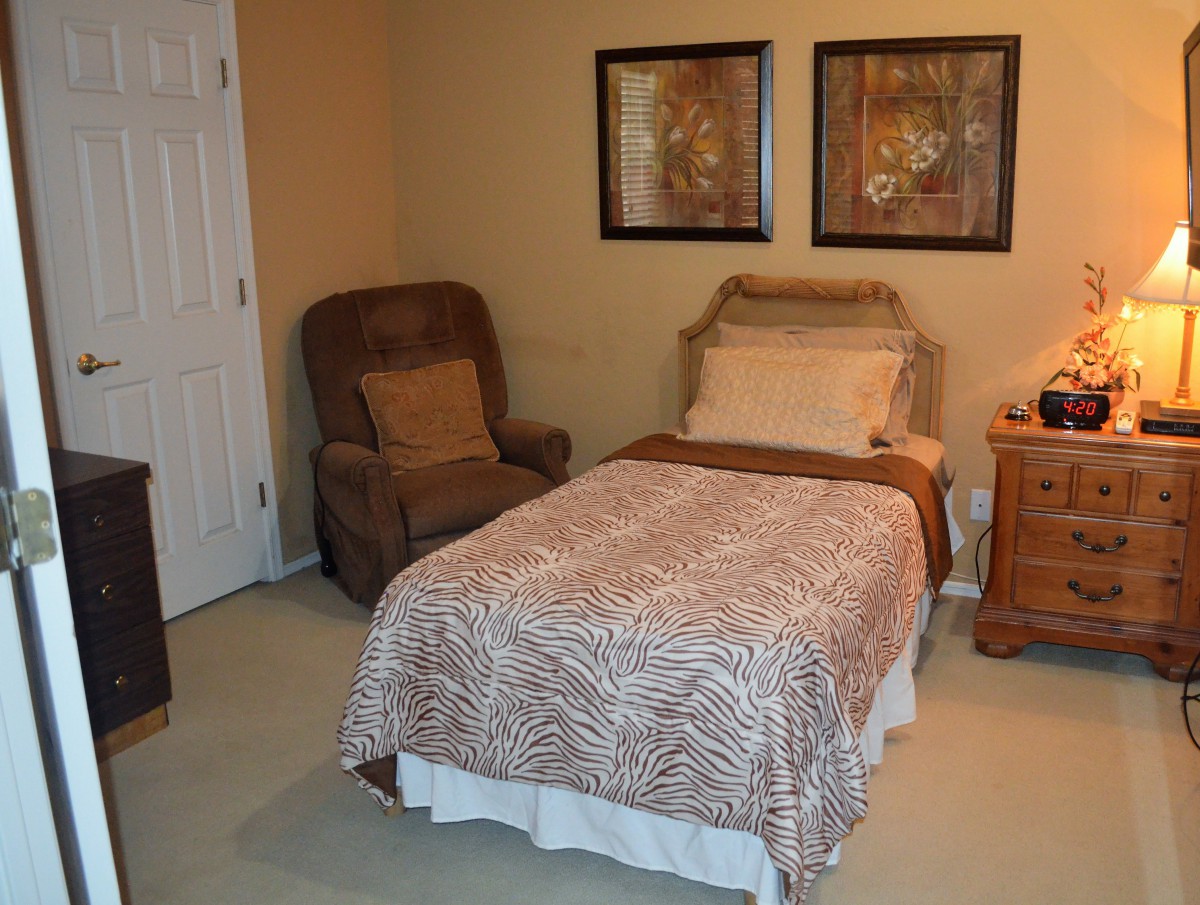
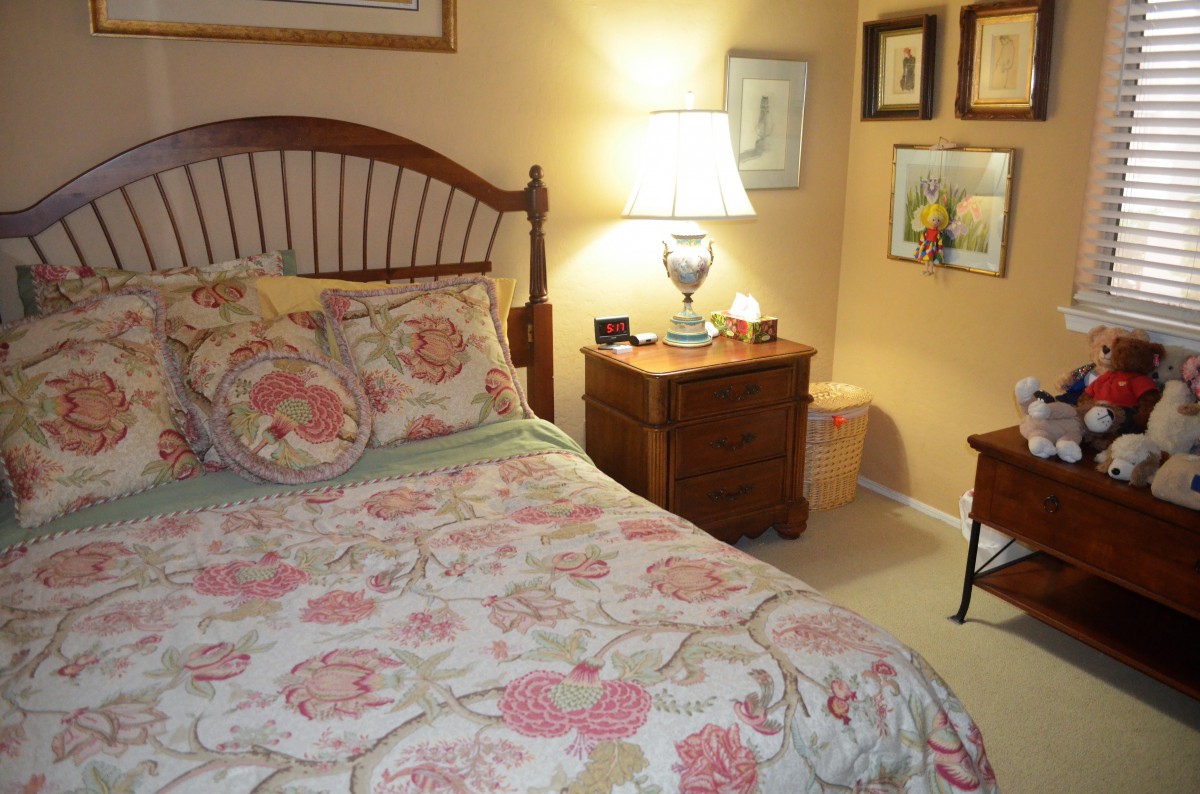
    A cozy bedroom with a single bed, a comfortable chair, and wall art.
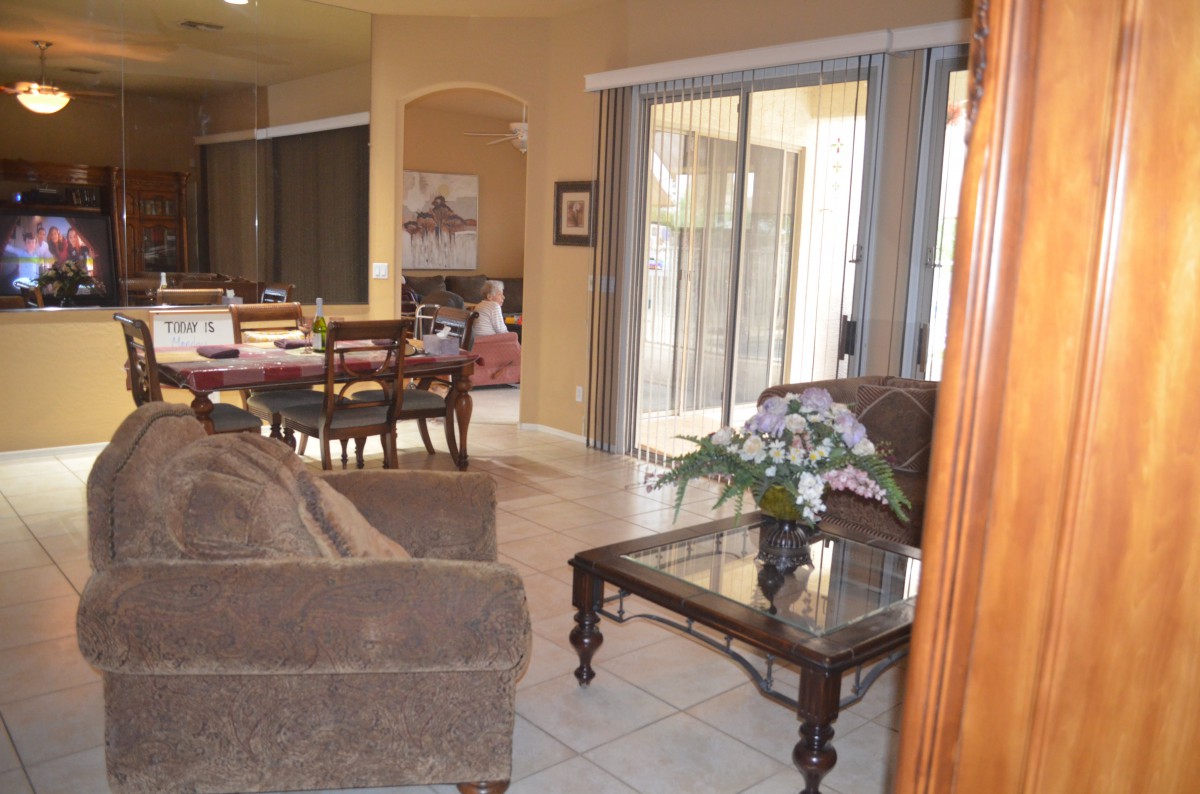
  • Living Room

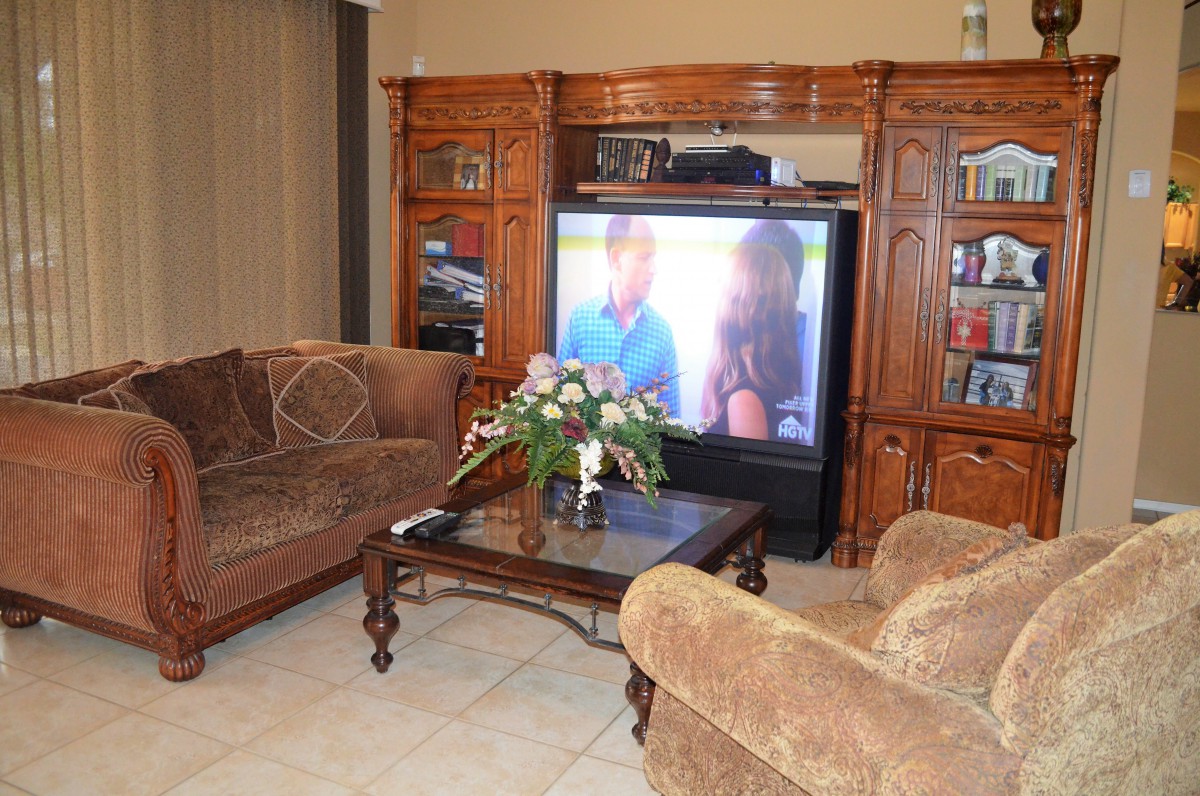
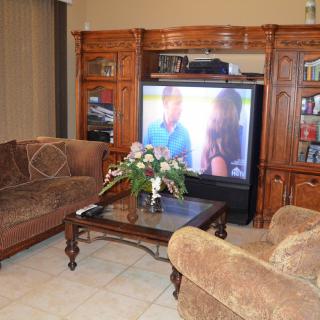
    A cozy living room with a large television, plush sofas, and a wooden entertainment center.
  • Bedroom

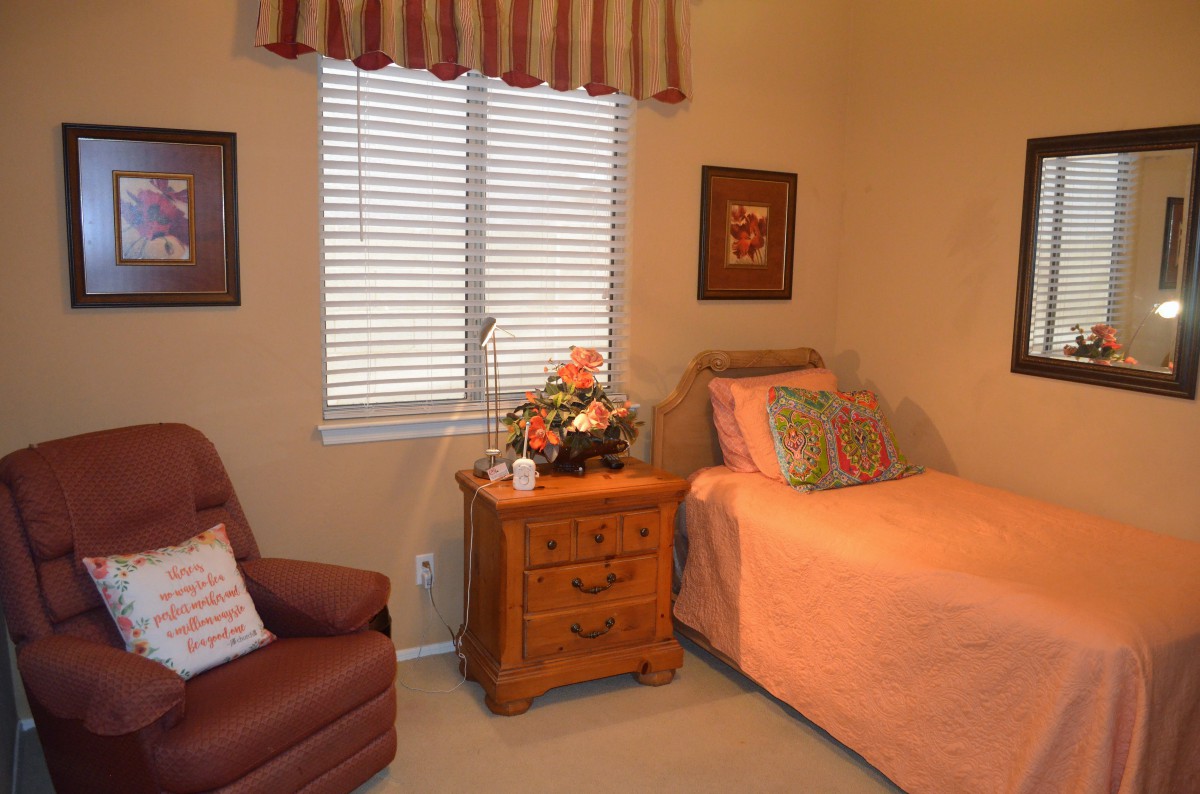
    A cozy bedroom with a single bed, nightstand, and armchair, featuring warm colors and decorative elements.
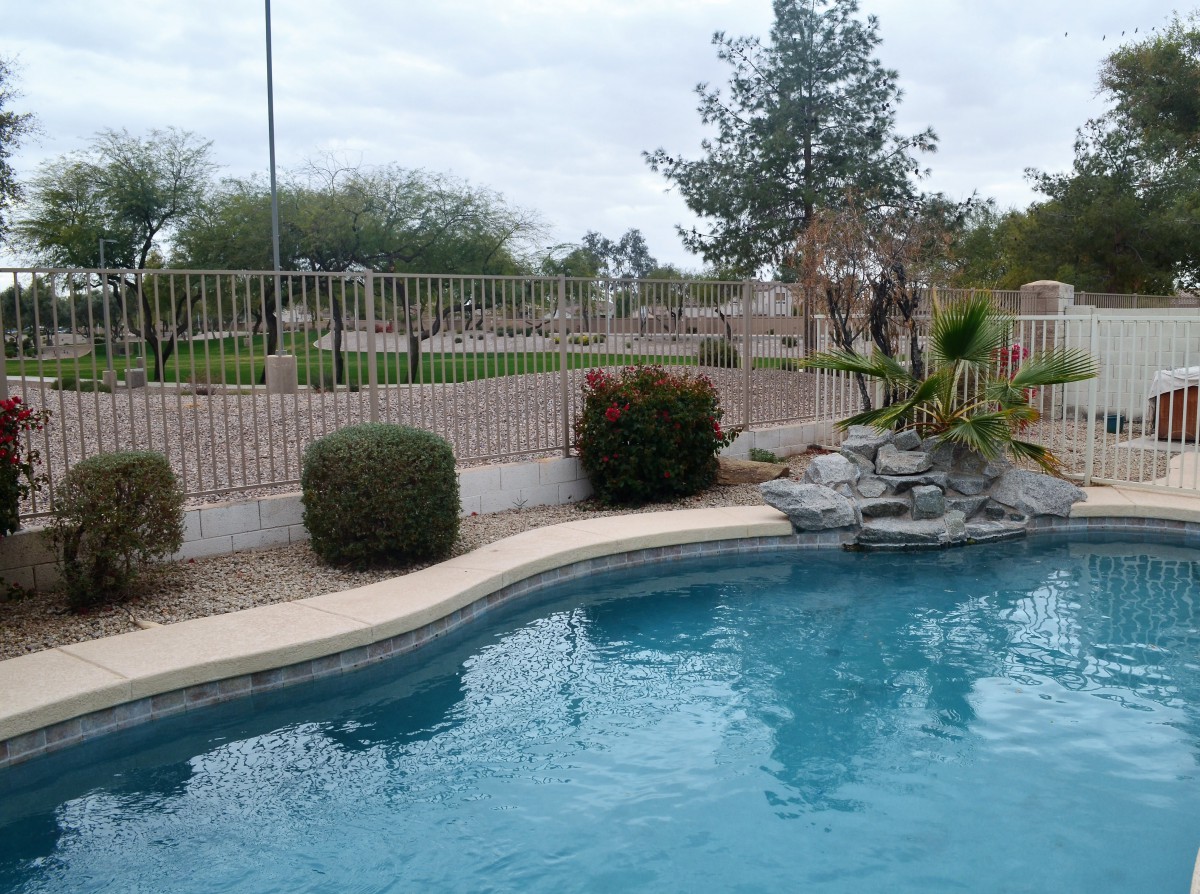
  • Trees

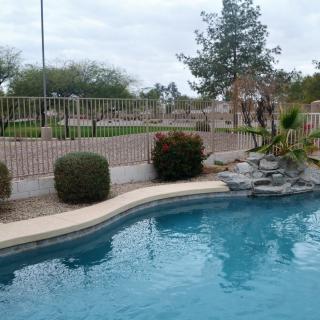
    A serene outdoor pool area with surrounding greenery and a decorative rock feature.
  • Dining

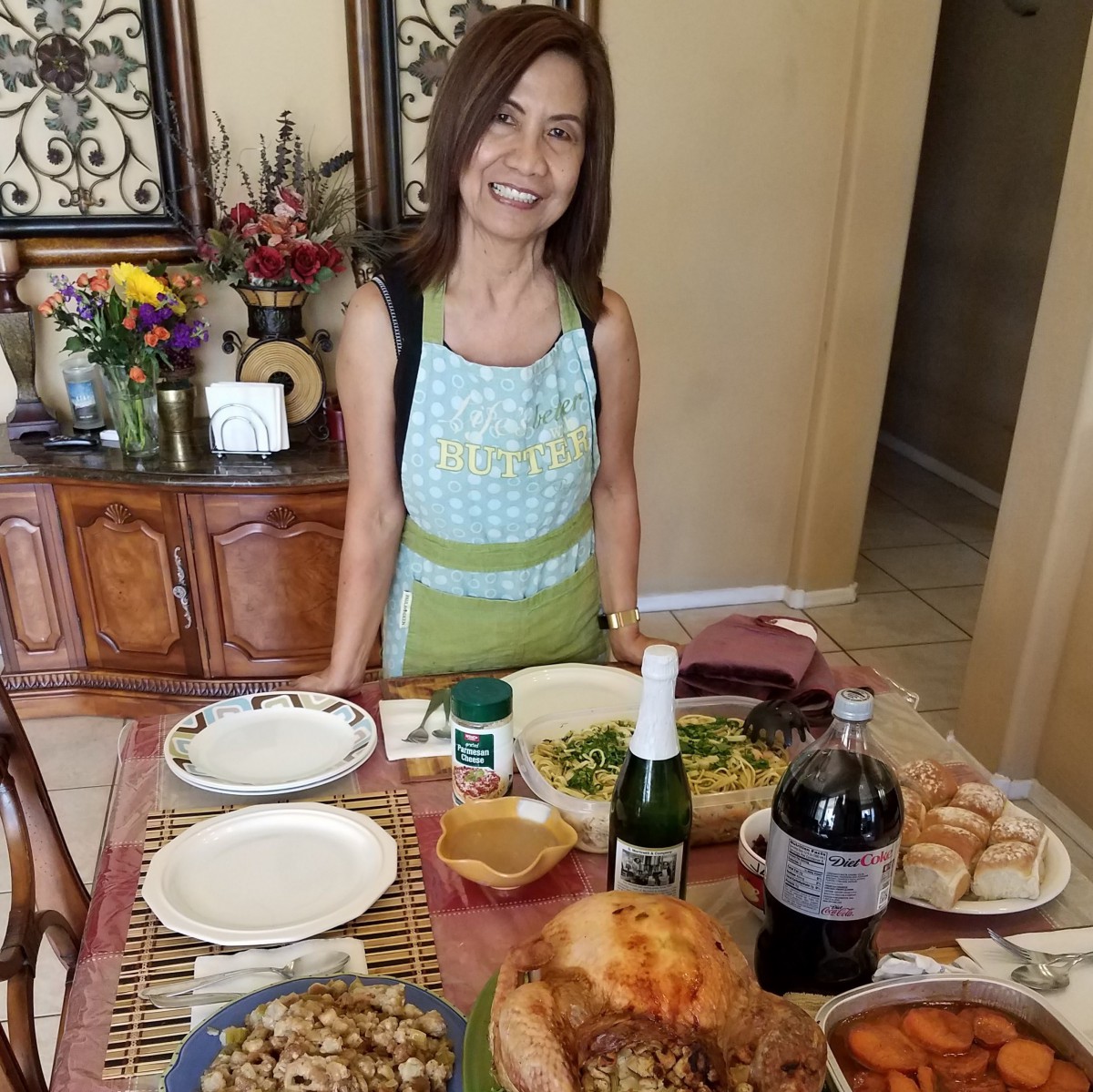
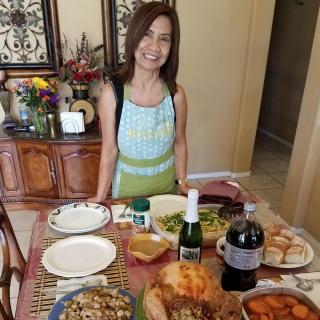
    A woman standing in a kitchen with a table set for a meal.
  • Artwork

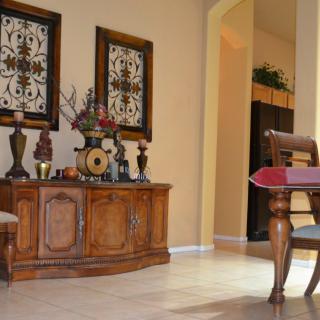
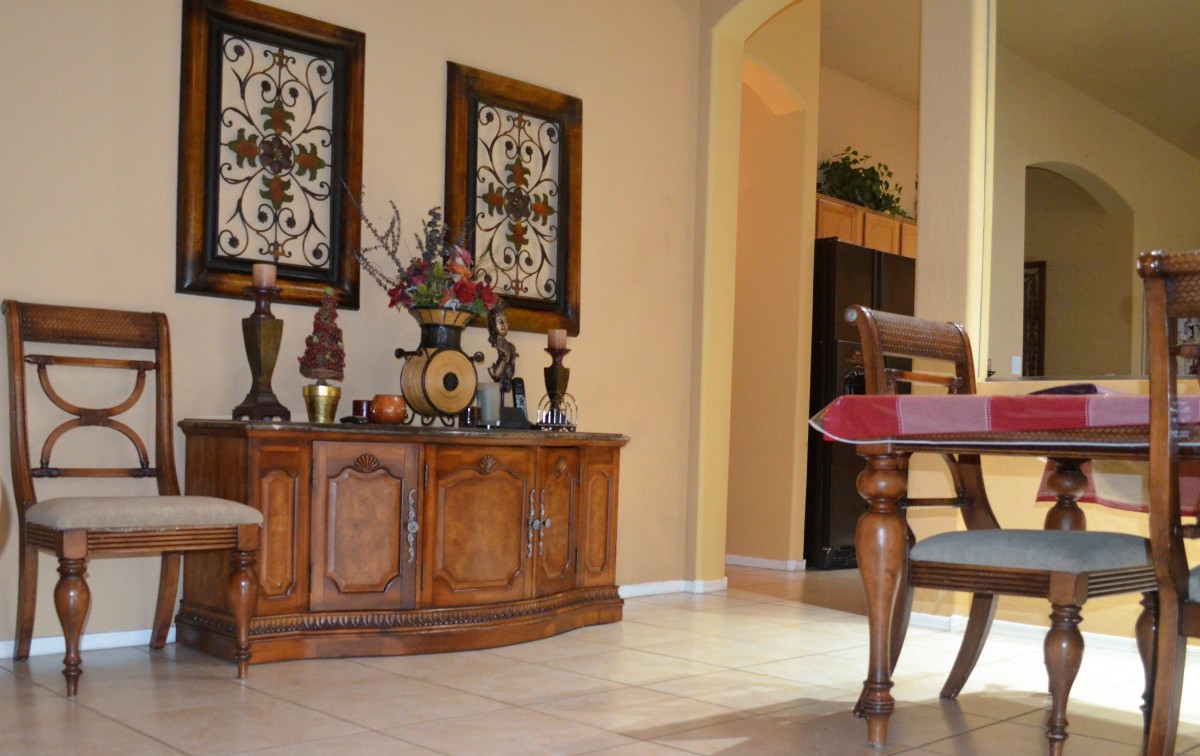
    A cozy living room interior featuring a wooden cabinet adorned with vases and artwork, alongside a partially visible dining table.

Tina's Place Assisted Living Home in Chandler, AZ

Information last verified:

787 West Carob Way, Chandler, AZ 85248

For more information about senior living options: (844) 490-3973

4.8 from 12 reviews
5 stars
11
4 stars
0
3 stars
1
2 stars
0
1 stars
0

Seniors.FYI Elite Community Awards

Top 5% Senior Living Community in 2019

Add this award to your website

Tina's Place Assisted Living Home Costs & Pricing

At Tina's Place Assisted Living Home, the monthly costs for both studio and private rooms are set at $4,100. This pricing reflects a premium when compared to the averages in Pinal County, where studio and private room rates are approximately $3,473 and $3,209, respectively. Similarly, the state average in Arizona for these accommodations stands at $3,829 for studios and $3,345 for private rooms. While Tina's Place may be positioned higher than local and state competitors, it is essential to consider the unique amenities, quality of care, and personalized services that contribute to its value proposition.

Floor plansTina's Place Assisted Living HomePinal CountyArizona
Studio$4,100$3,473$3,829
Private$4,100$3,209$3,345

Overall Review of Tina's Place Assisted Living Home

Pros

  • pro The staff at Manna Assisted Living is professional, responsive, and genuinely caring.
  • pro They take the time to understand residents’ needs and make the placement process smooth and stress-free.
  • pro The home is clean, well-maintained, and has a calm, welcoming environment.
  • pro Caregivers are attentive, compassionate, and treat residents with dignity and respect.
  • pro Families feel at peace knowing their loved ones are in good hands.
  • pro Clients highly recommend Manna Assisted Living as a quality care home in Chandler.
  • pro The staff at Tina’s Place feel like family, with love and kindness shown to residents.
  • pro The owner/manager is wonderful, caring, and compassionate, making Tina’s Place a first-choice facility.
  • pro Tina’s Place is clean and homey, with friendly and dedicated staff.
  • pro Caregivers at Tina’s Place are exceptional, with sufficient staff to attend to residents.
  • pro Residents are treated as family, with a positive, friendly, and encouraging atmosphere.
  • pro The home provides homemade meals and coordinated medical care, including hospice support when needed.

Cons

  • pro The reviewer was not very impressed with the limitations.
  • pro The reviewer felt that activities were limited.
  • pro The reviewer warned that what one sees and what one gets are often two different things.

Review

Tina’s Place Assisted Living Home in Chandler, AZ is best suited for seniors who want a true home-like setting with intimate, hands-on care led by a nurse-owner and a consistently attentive caregiving team. It excels for residents who thrive on daily familiarity, regular staff interaction, and a culture of dignity and respect rather than flashy amenities. The small, residential environment, private and semi-private rooms, a calm living area, and a focus on home cooking, creates a sense of belonging that many families prize when daily routines and personal preferences matter. It is especially well-matched for individuals who are navigating dementia-related needs, post-stroke challenges, or progressive mobility concerns where steady advocacy and careful medication oversight provide real peace of mind. In short, this community is the right fit for families seeking deep, steady engagement and a caregiver team that treats residents as members of a loving, extended family.

Those weighing alternatives should consider options that offer a more expansive activity calendar, larger campuses, or on-site medical resources designed for more complex needs. If a resident requires a highly structured social program, frequent off-site outings, or a facility with abundant on-site clinical services, Tina’s Place may feel limiting. For seniors who prioritize sheer scale, more diverse room configurations, or a broader network of specialists, a bigger community could deliver the breadth that Tina’s Place cannot. Similarly, if independent living with greater privacy or a memory-care unit with formalized, specialized programming is non-negotiable, families may want to look elsewhere. The choice hinges on balancing the comfort and continuity of a small home with the desire for broader ancillary services and social opportunities.

The strongest pros here lie in the intimate care model and the depth of relationship between residents, their families, and the caregiving team. The owner, an RN, maintains daily hands-on oversight, and the staff-to-resident ratio remains high, two to four caregivers per shift is typical, ensuring constant supervision and timely assistance. Families repeatedly emphasize the caring, professional demeanor of the team and the genuine respect shown to residents, which translates into fewer behavioral or safety concerns and more proactive problem-solving. Meals are home-cooked and nourishing, with diligent attention to medications and medical needs, and the environment consistently feels clean, well-maintained, and welcoming. The caregivers’ willingness to accommodate family input, coordinate with hospitals and doctors, and support end-of-life care under hospice reflects a level of dedication that is rare in larger operations. The small size also fosters meaningful social interaction without the impersonality that can accompany bigger facilities.

The main drawbacks center on scale and program breadth. Activities and outings tend to be more staff-led and limited in variety, with family involvement often filling any gaps. Transportation to appointments is typically coordinated outside the home or arranged by family, which can add a layer of planning for those who expect turnkey mobility support. The physical footprint, a modest residence with five residents, means private space options are constrained and some residents may share bathrooms. For families seeking a constant stream of on-site entertainment or a robust, year-round calendar of events, Tina’s Place may feel understated. Yet these very limitations often translate into fewer transitions, more predictable routines, and a stronger sense of safety, trade-offs that are highly valued by those prioritizing steady, personal attention over program breadth.

From a practical perspective, the care approach shines in its clarity and reliability. Medication management is meticulous, with daily checks and timely communication with medical professionals. The home-cooked meals, daily living activities, and an emphasis on social interaction help residents stay engaged without feeling overwhelmed by institutional rigidity. The setting’s strength, consistency, advocacy, and a low-stress environment, proves particularly compelling for families confronting dementia progression, post-stroke recovery, or end-of-life planning. The ability to involve family members meaningfully in care decisions, to observe the routines, and to access hospice support when needed provides a level of assurance that often outweighs the absence of a large activity roster. In essence, Tina’s Place delivers dependable, compassionate care where it counts most: quality of life, dignity, and quiet, confident support for both resident and family.

For families making a decision, the verdict is clear: Tina’s Place is an excellent match for those who value a homey atmosphere, a nurse-led, highly attentive staff, and a deeply personal care approach. It represents a compelling option for memory-impairment care, rehabilitation-following illness, and long-term companionship where continuity and family involvement trump the lure of bigger programs. If the goal is a lively calendar, abundant off-site adventures, and a wide array of on-site medical services, then alternatives with larger footprints should be considered. Prospective families should ask pointed questions during tours: the caregiver-to-resident ratio across shifts, the RN’s on-site presence, how medications are managed and adjusted, the availability of specialized memory-care protocols, and how transportation and doctor visits are coordinated. A visit will reveal how settled, clean, and home-like the space feels, and how comfortable residents appear with the staff. Tina’s Place stands out for delivering trusted, compassionate, and consistent care, an undeniable asset for families prioritizing safety, dignity, and lasting peace of mind, even as it steers away from the bustle of larger facilities.

Features

Housing

  • 5 resident community capacity 5 resident community capacity

Types of Care

  • Assisted Living Assisted LivingAssisted living facilities provide crucial support and care for seniors who may need help with daily tasks such as medication management, bathing, and meal preparation. These communities offer a safe and comfortable environment where seniors can maintain their independence while receiving the assistance they need to thrive in their golden years.
  • Board and Care Home Board and Care HomeBoard and care homes provide a smaller, more intimate setting for seniors who require assistance with daily tasks but do not need the level of care offered by a nursing home. They offer personalized care, meals, and social activities in a homelike environment, ensuring that seniors receive individualized attention and support in their golden years.
  • Memory Care Memory CareMemory care is crucial for seniors as it provides specialized support and services for individuals with dementia or Alzheimer's disease. These programs offer a safe and secure environment where residents receive personalized care, cognitive stimulation, and help with daily activities. Memory care helps seniors maintain their independence, quality of life, and dignity while also providing peace of mind for their families.
  • Respite Care Respite CareRespite care provides temporary relief for caregivers, allowing them to recharge and attend to their own needs. It also gives seniors the opportunity to socialize, receive professional care, and experience a change of scenery, promoting overall well-being and reducing feelings of isolation.

Amenities

  • Activities off-site Activities off-siteEngaging in off-site activities is crucial for seniors to maintain social connections, stay active, and stimulate their minds. It promotes overall well-being and helps combat feelings of isolation and loneliness.
  • Activities on-site Activities on-siteActivities on-site are important for seniors because they provide opportunities for socialization, mental stimulation, physical activity, and overall well-being. Engaging in activities can help seniors stay active, maintain their independence, and improve their quality of life.
  • Air-conditioning Air-conditioningAir conditioning is important for seniors as they are more vulnerable to heat-related illnesses and may have underlying health conditions that make it difficult for them to regulate their body temperature. It helps to keep them comfortable, safe, and healthy in hot weather.
  • Bath tubs Bath tubsBath tubs are important for seniors because they provide a safe and relaxing way to bathe, helping to prevent slips and falls while promoting independence and overall well-being.
  • Cable or satellite TV Cable or satellite TVCable or satellite TV is important for seniors because it provides entertainment, news, and companionship, helping to combat loneliness and boredom. It also offers a wide range of programming options tailored to different interests and preferences.
  • Devotional services off-site Devotional services off-siteDevotional services off-site are important for seniors as they provide spiritual nourishment, social engagement, and a sense of community outside of the senior living facility. This can enhance overall well-being and help combat feelings of isolation and loneliness often experienced by older adults.
  • Devotional services on-site Devotional services on-siteDevotional services on-site provide seniors with spiritual support and a sense of community, as well as an opportunity for reflection and guidance during their senior living experience. This can promote emotional well-being and connection to others, leading to a more fulfilling and enriching lifestyle in their later years.
  • Dining room Dining roomDining rooms are important for seniors as they provide a space for socialization, connection, and nutritious meals. They offer opportunities for residents to bond over shared meals, foster a sense of community, and promote healthy eating habits. Dining rooms also ensure that seniors have access to well-balanced meals tailored to their dietary needs and preferences.
  • Fully furnished Fully furnishedFully furnished senior living communities are important for seniors because they provide convenience, comfort, and a hassle-free moving experience. Seniors can easily settle into their new living space without the stress of having to buy and move furniture. This allows them to focus on enjoying their new home and community.
  • Garden GardenGardens are important for seniors as they provide a peaceful and therapeutic environment for relaxation, physical activity, and socialization. Being in nature has been shown to reduce stress, improve mood, and promote overall well-being. Gardens also offer opportunities for seniors to engage in gardening activities, which can improve mobility, flexibility, and cognitive function. Additionally, gardens create a sense of community and connection with others who share a passion for plants and outdoor spaces.
  • Housekeeping services Housekeeping servicesHousekeeping services are important for seniors because they help maintain a clean and safe living environment, promote independence, and reduce the risk of accidents or illnesses. Additionally, having assistance with household chores can alleviate physical strain and allow seniors to focus on other aspects of their well-being.
  • Indoor common areas Indoor common areasIndoor common areas are crucial for seniors as they provide a space for socialization, recreation, and community engagement, promoting overall well-being and reducing feelings of isolation and loneliness.
  • Move-in coordination Move-in coordinationMove-in coordination is important for seniors because it helps ease the transition into their new living environment. It ensures that all logistics, such as packing, organizing movers, and setting up utilities are taken care of, allowing seniors to focus on settling in and adjusting to their new home. Having a smooth move-in process can alleviate stress and anxiety, making the transition smoother and more enjoyable for seniors.
  • Outdoor common areas Outdoor common areasOutdoor common areas are important for seniors as they provide a space for socialization, physical activity, and relaxation. Being outside in nature can improve mood and overall well-being, while also encouraging movement and engagement with others. These spaces can help combat feelings of isolation and promote a sense of community among residents.
  • Outdoor space Outdoor spaceOutdoor spaces are important for seniors as they provide opportunities for physical activity, social interaction, exposure to natural light and fresh air, and a sense of connection to nature. Having access to outdoor spaces can improve overall well-being and quality of life for older adults living in senior communities.
  • Private PrivatePrivacy is important for seniors as it allows them to maintain their independence, dignity, and sense of control over their own lives. It also gives them the space and freedom to relax, reflect, and engage in activities that bring them joy and fulfillment. Creating private spaces within senior living facilities is crucial for promoting overall well-being and quality of life.
  • Private bathrooms Private bathroomsPrivate bathrooms are important for seniors in senior living communities because they provide independence, dignity, and comfort. Having a private bathroom allows seniors to maintain their personal hygiene routines without the need for assistance, promoting a sense of autonomy and privacy. Additionally, private bathrooms help prevent the spread of infections and provide a safe and clean environment for seniors to navigate safely.
  • Respite or short term stays offered Respite or short term stays offeredRespite or short term stays provide seniors with a temporary solution when their regular caregiver is unavailable, offering them the opportunity to receive additional care and support during times of need, while also giving caregivers a chance to rest and recharge.
  • Swimming pool / hot tub Swimming pool / hot tubSwimming pools and hot tubs are important for seniors as they provide a safe and enjoyable way to stay active, improve mobility, reduce joint pain, and promote relaxation. Regular use of these amenities can contribute to overall well-being and quality of life for older adults living in senior communities.
  • Telephone TelephoneTelephones are important for seniors as they provide a lifeline for communication with loved ones, emergency services, and healthcare providers. They offer a sense of security and independence, enabling seniors to stay connected and access assistance when needed.
  • Wheelchair accessible showers Wheelchair accessible showersWheelchair accessible showers are crucial for seniors as they provide a safe and independent bathing option for those with mobility challenges. These showers help prevent falls and allow seniors to maintain their dignity and autonomy while ensuring they can bathe comfortably.
  • Wi-Fi/high-speed internet available Wi-Fi/high-speed internet availableWi-Fi/high-speed internet is important for seniors to stay connected with loved ones, access online resources, and participate in virtual activities to combat feelings of loneliness and isolation. It also allows them to easily manage healthcare needs, access entertainment, and engage in lifelong learning opportunities.

Transportation

  • Phoenix Sky Harbor International (15 miles away) Phoenix Sky Harbor International (15 miles away)

Care Services

  • 24-hour supervision 24-hour supervision24-hour supervision is important for seniors to ensure their safety, well-being, and access to immediate assistance in case of emergencies or health issues. This constant support provides peace of mind for both seniors and their loved ones, allowing them to age in place with dignity and security.
  • Activities of daily living assistance Activities of daily living assistanceActivities of daily living assistance are important for seniors because they provide essential support with tasks such as eating, bathing, dressing, and mobility. This assistance helps seniors maintain their independence, dignity, and overall quality of life as they age.
  • Ambulatory care Ambulatory care"Ambulatory care services provide essential medical support and treatment to seniors without requiring hospitalization, allowing them to maintain their independence and quality of life while managing chronic conditions or receiving routine medical care."
  • Assistance with bathing Assistance with bathingAssistance with bathing is crucial for seniors as it helps maintain personal hygiene, prevents infections, and ensures their overall well-being and comfort. It also provides a sense of dignity and independence for seniors who may struggle with this task on their own.
  • Assistance with dressing Assistance with dressingAssistance with dressing is important for seniors because it helps maintain their independence, promotes personal hygiene, prevents accidents and injuries, and improves overall quality of life. This service ensures that seniors can continue to dress comfortably and confidently, despite any physical limitations they may have.
  • Assistance with transfers Assistance with transfersAssistance with transfers is crucial for seniors as it helps prevent falls and injuries, maintains their independence, and ensures they can safely navigate their living environment. It also provides peace of mind for both seniors and their loved ones.
  • Coordination with health care providers Coordination with health care providersCoordination with health care providers is crucial for seniors to ensure proper medical care, medication management, and overall well-being. This collaboration helps prevent overlapping treatments, track progress more effectively, and provide comprehensive support tailored to individual needs.
  • Diabetes diet Diabetes dietA diabetes diet is crucial for seniors as it helps manage blood sugar levels, reduce risks of complications, and improve overall health and well-being. By following a balanced and nutritious diet tailored to their specific needs, seniors can better control their diabetes and enhance their quality of life.
  • Diabetic care Diabetic careDiabetic care is crucial for seniors as they are more susceptible to developing diabetes due to aging and other health conditions. Proper management of diabetes can help prevent complications such as heart disease, vision loss, and nerve damage, improving the overall quality of life for seniors in senior living communities.
  • High acuity care High acuity careHigh acuity care is important for seniors because it provides specialized medical attention and support for individuals with complex medical needs. This level of care ensures that seniors receive the appropriate treatment and assistance to maintain their health and quality of life as they age.
  • Incontinence care Incontinence careIncontinence care is essential for seniors to maintain their dignity, hygiene, and overall quality of life. By addressing incontinence issues promptly and effectively, seniors can enjoy a sense of independence and comfort in their daily activities.
  • Meal preparation and service Meal preparation and serviceMeal preparation and service are crucial for seniors as they may have limited mobility or energy to cook nutritious meals. Having access to healthy and convenient food options can ensure they are getting the proper nutrition needed to maintain their overall health and well-being.
  • Medication management Medication managementMedication management is crucial for seniors to ensure they are taking the right medications at the correct dosages and times. This helps prevent adverse drug interactions, reduces the risk of medication errors, and promotes overall health and well-being. Proactive management also allows for adjustments as needed based on changing health conditions or new prescriptions.
  • Special dietary restrictions Special dietary restrictionsSpecial dietary restrictions are important for seniors because age-related changes in metabolism and health conditions can make it difficult for their bodies to process certain foods. By following a diet tailored to their specific needs, seniors can maintain their overall health and well-being, manage chronic conditions, and reduce the risk of complications such as malnutrition or food interactions with medications.
  • Transportation arrangement (medical) Transportation arrangement (medical)Transportation arrangements for medical purposes are essential for seniors as they may have difficulty driving themselves to appointments or accessing public transportation. Having reliable and safe transportation options ensures that seniors can receive timely medical care and maintain their health and well-being.
  • Transportation to doctors appointments Transportation to doctors appointmentsTransportation to doctors' appointments is crucial for seniors as it ensures they have access to necessary medical care and support for their health needs. Without reliable transportation, seniors may struggle to attend important appointments, leading to potential delays in treatment and health complications. Providing transportation services helps seniors maintain their overall well-being and quality of life.

Dining

  • Anytime dining Anytime diningAnytime dining is important for seniors because it allows them the flexibility to eat when they are hungry, rather than being restricted to set meal times. This can be especially beneficial for those with medical conditions or medications that affect their appetite, as well as those who may have difficulty adhering to a strict dining schedule. Overall, anytime dining promotes independence and overall well-being for seniors in senior living communities.
  • Diabetes diet Diabetes dietA diabetes diet is crucial for seniors as it helps manage blood sugar levels, reduce risks of complications, and improve overall health and well-being. By following a balanced and nutritious diet tailored to their specific needs, seniors can better control their diabetes and enhance their quality of life.
  • Guest meals Guest mealsGuest meals are important for seniors living in senior living communities because they provide an opportunity for socialization and companionship. Sharing a meal with friends, family, or new acquaintances can help combat feelings of loneliness and isolation, promote a sense of community, and enhance overall well-being. Additionally, guest meals allow seniors to enjoy delicious food in a comfortable setting without the hassle of cooking or cleaning up, making dining a pleasurable and stress-free experience.
  • Low / no sodium Low / no sodiumLow/no sodium options are important for seniors because excessive sodium intake can lead to high blood pressure, heart disease, and other health issues commonly experienced by older adults. By choosing low/no sodium foods, seniors can better manage their health and reduce their risk of developing these conditions.
  • Meals provided Meals provided"Meals provided" are crucial for seniors in assisted living communities as it ensures they have access to nutritious, balanced meals without the stress of meal planning and preparation. This can help promote overall health and well-being for seniors who may have limited mobility or cognitive abilities.
  • No Sugar No SugarNo sugar diets are important for seniors because they can help prevent or manage chronic conditions such as diabetes, heart disease, and obesity. Sugar can also contribute to cognitive decline and inflammation in the body, so reducing sugar intake can lead to overall improved health and well-being in older adults.
  • Special dietary restrictions Special dietary restrictionsSpecial dietary restrictions are important for seniors because age-related changes in metabolism and health conditions can make it difficult for their bodies to process certain foods. By following a diet tailored to their specific needs, seniors can maintain their overall health and well-being, manage chronic conditions, and reduce the risk of complications such as malnutrition or food interactions with medications.
  • Vegetarian VegetarianA vegetarian diet is important for seniors because it can help lower the risk of chronic diseases, maintain a healthy weight, and provide essential nutrients needed for aging bodies. Additionally, plant-based diets are often easier on digestive systems and can contribute to overall well-being in older adults.

Activities

  • Activities off-site Activities off-siteEngaging in off-site activities is crucial for seniors to maintain social connections, stay active, and stimulate their minds. It promotes overall well-being and helps combat feelings of isolation and loneliness.
  • Activities on-site Activities on-siteActivities on-site are important for seniors because they provide opportunities for socialization, mental stimulation, physical activity, and overall well-being. Engaging in activities can help seniors stay active, maintain their independence, and improve their quality of life.
  • BBQs or picnics BBQs or picnicsBBQs or picnics provide seniors with social interaction, enjoyment of the outdoors, and a sense of community, contributing to their overall well-being and quality of life.
  • Birthday parties Birthday partiesBirthday parties are important for seniors as they provide an opportunity for celebration, socialization, and joy. They allow seniors to feel special and appreciated, boosting their mood and overall well-being. Additionally, birthday parties can help combat feelings of isolation and loneliness by fostering connections with friends, family, and community members.
  • Catholic services Catholic servicesCatholic services are important for seniors because they provide spiritual support, a sense of community, and opportunities for social interaction that can enhance overall well-being and quality of life in their later years.
  • Community-sponsored activities Community-sponsored activitiesCommunity-sponsored activities are important for seniors as they provide opportunities for social interaction, mental stimulation, and physical activity. These activities can help improve overall well-being, combat loneliness and isolation, and promote a sense of belonging and purpose among older adults.
  • Devotional activities offsite Devotional activities offsiteDevotional activities offsite are important for seniors because they provide social engagement, spiritual growth, and a sense of community outside of their living environment. This can improve overall well-being, mental health, and combat feelings of isolation or loneliness.
  • Devotional activities on-site Devotional activities on-siteDevotional activities on-site provide seniors with a sense of community, spiritual fulfillment, and emotional support, promoting overall well-being and a positive sense of purpose in their lives.
  • Karaoke KaraokeKaraoke provides seniors with a fun and social activity that can boost mood, confidence, and cognitive function. It encourages social interaction, physical movement, and creative expression, making it an important form of entertainment for senior living communities.
  • Light therapy programs Light therapy programsLight therapy programs are important for seniors because they can help improve mood, regulate sleep patterns, and reduce symptoms of depression and anxiety. Exposure to natural light can also have positive effects on cognitive function and overall well-being in older adults.
  • Reminiscence programs Reminiscence programsReminiscence programs are vital for seniors as they provide opportunities for them to reflect on their life experiences, share memories with others, and maintain cognitive function. These programs can improve mood, stimulate social interaction, and enhance overall well-being for older adults.
  • Scheduled daily activities Scheduled daily activitiesScheduled daily activities are important for seniors because they provide structure, socialization, mental stimulation, and physical activity. Engaging in regular activities can improve overall well-being and quality of life for seniors living in a community setting.
  • Stretching classes Stretching classesStretching classes are important for seniors because they help improve flexibility, reduce the risk of injury, and promote overall health and well-being. Regular stretching can also help alleviate joint pain and stiffness, enhance balance and coordination, and increase range of motion.
  • Trivia games Trivia gamesTrivia games are important for seniors because they provide mental stimulation, social interaction, and a fun way to keep the mind sharp. They can help improve memory, cognitive function, and overall well-being in older adults.
  • Wii bowling Wii bowlingWii bowling is important for seniors as it provides a fun and engaging way to stay active, socialize, and improve hand-eye coordination. It can help prevent isolation, boost mental well-being, and promote physical fitness in a safe and accessible manner.

Description

Tina's Place Assisted Living Home, located in the warm and welcoming community of Chandler, AZ, offers a compassionate and supportive environment for seniors seeking various levels of care. This charming facility specializes in Board and Care Home services, Memory Care, and Respite Care, making it ideal for individuals with diverse needs.

Residents at Tina's Place can enjoy a wide array of amenities designed to enhance their quality of life. The home features comfortable and fully furnished living spaces with private bathrooms and air conditioning. Residents can participate in engaging on-site activities or relax in beautifully maintained outdoor areas and gardens. Additional amenities include a spacious dining room, cable or satellite TV access, housekeeping services, Wi-Fi/high-speed internet, as well as convenient transportation arrangements for medical appointments. For those who enjoy an active lifestyle, Tina's Place boasts a swimming pool/hot tub along with wheelchair-accessible showers.

The dedicated staff at Tina's Place is committed to providing personalized care that includes assistance with daily living activities such as bathing, dressing, transfers, medication management, and meal preparation tailored to individual dietary requirements, including diabetes diets and vegetarian options. They also coordinate closely with health care providers to ensure residents receive comprehensive support.

Life at Tina’s Place is vibrant and fulfilling thanks to a variety of scheduled activities including BBQs or picnics, birthday celebrations, karaoke sessions, trivia games, stretching classes, light therapy programs, and reminiscence sessions designed to stimulate mental engagement. Spiritual needs are also accommodated through on-site devotional services along with opportunities for community-sponsored religious activities.

Conveniently situated near essential services and recreational spots, such as parks, cafes, restaurants, pharmacies, hospitals, the location promotes a sense of community while ensuring that residents have access to everything they might need for a comfortable lifestyle.

In summary, Tina's Place Assisted Living Home stands out as a nurturing environment where seniors can thrive socially and physically while receiving the care needed to maintain their independence and well-being.

Nearby Places of Interest

This part of Chandler, Arizona offers a convenient and diverse range of amenities for seniors considering the area for living. With several cafes like Black Rock Coffee Bar and Starbucks nearby, you can enjoy your morning coffee or meet up with friends for a chat. There are also a variety of restaurants such as The Casual Pint and Fiesta Mexicana Restaurant Chandler for dining out options. For recreational activities, you can visit Bark Park or Layton Lakes Park for some outdoor leisure. Medical facilities like Phoenix ER & Medical Hospital and Banner Health Ocotillo are easily accessible in case of any health concerns, and pharmacies like Walgreens and CVS Pharmacy are conveniently located for medication needs. Additionally, there are places of worship and physicians' offices within close proximity, ensuring that all aspects of daily life are well catered to in this neighborhood.

Cafes

  • Black Rock Coffee Bar (0.6 miles)
  • Starbucks (2.3 miles)
  • Starbucks (3.4 miles)
  • Peixoto Coffee Roasters (3.6 miles)
  • Dutch Bros Coffee (4 miles)
  • Black Rock Coffee Bar (5.9 miles)
  • Starbucks (6.2 miles)

Restaurants

  • Green Corner Restaurant (0.7 miles)
  • The Casual Pint (0.7 miles)
  • Sidelines Tavern & Grill (0.8 miles)
  • Taco Bell (0.8 miles)
  • Arby's (0.8 miles)
  • Fiesta Mexicana Restaurant Chandler (1.1 miles)
  • McDonald's (1.2 miles)

Parks

  • Bark Park (0.7 miles)
  • Layton Lakes Park (4.4 miles)
  • Desert Breeze Park (5.6 miles)

Theaters

  • Majestic Neighborhood Cinema Grill (1.5 miles)
  • Chandler Fashion 20 (4.1 miles)
  • Chandler Crossroads 12 (4.3 miles)

Hospitals

  • Phoenix ER & Medical Hospital (1.6 miles)
  • Banner Health Ocotillo (2.3 miles)
  • Chandler Regional Medical Center (3.3 miles)

Pharmacies

  • Walgreens (1.8 miles)
  • Walgreens (1.9 miles)
  • CVS Pharmacy (2 miles)
  • Walgreens (2.3 miles)
  • CVS Pharmacy (2.5 miles)
  • Herbal Wellness Center Chandler (3.3 miles)
  • CVS Pharmacy (3.4 miles)

Places of Worship

  • Compass Christian Church (2 miles)
  • Cornerstone Christian Fellowship (2.2 miles)
  • Church of Jesus Christ of Latter Day Saints (3.1 miles)

Physicians

  • Center for Dermatology and Plastic Surgery (2.2 miles)
  • Scottsdale Center for Sight PLC (2.2 miles)
  • Arizona Dermatology & Cosmetic Surgery (2.2 miles)
  • Banner Surgery Center - Chandler (2.6 miles)
  • Hope Eye Center (2.8 miles)
  • Chandler Oral And Maxillofacial Surgery (2.8 miles)
  • Infinity Internal Medicine (2.9 miles)

Transportation

  • Chandler Municipal Airport (CHD) (2.9 miles)

Frequently Asked Questions

How much does it cost to live at Tina's Place Assisted Living Home in Chandler, AZ?
Where is Tina's Place Assisted Living Home?
Does Tina's Place Assisted Living Home provide care for residents with dementia or Alzheimer's disease?
What photos are available for Tina's Place Assisted Living Home in Chandler, Arizona?

Nearby Communities

  • Hilda's Haven ALF#2

    Hilda's Haven ALF#2

    Chandler, AZ

    4.3 from 52 reviews
    $2,700 to $3,500 / month

    pro Christian-run environment with RN support and meals included.

  • Palm Cedar

    Palm Cedar

    Chandler, AZ


    pro Small, intimate board-and-care with personalized assistance and comprehensive services.

  • Just A Touch Of Tender Aide

    Just A Touch Of Tender Aide

    Chandler, AZ


    pro Small, intimate board-and-care home offering personalized care, diabetes-friendly meals, and coordinated medical support.

  • Victoria Home

    Victoria Home

    Chandler, AZ

     
    $2,200 to $2,400 / month

    pro Competitive pricing with private rooms and many nearby amenities.

  • Glecy Infinity Care Assisted Living

    Glecy Infinity Care Assisted Living

    Chandler, AZ

    4.4 from 16 reviews
     

    pro Friendly, attentive staff; home-like atmosphere; active owner involvement; convenient location for visits.

  • Graceville Estate

    Graceville Estate

    Chandler, AZ

    4.6 from 7 reviews
    $3,000 / month

    pro Family-like care with attentive owners and staff.

  • The Village at Ocotillo

    The Village at Ocotillo

    Chandler, AZ

    4.5 from 119 reviews
    $3,155 to $3,715 / month

    pro Clean, inviting atmosphere with excellent dining and engaging activities.

  • Pennington Gardens Assisted Living & Memory Care

    Pennington Gardens Assisted Living & Memory Care

    Chandler, AZ

    4.5 from 30 reviews
    $3,450 to $4,750 / month

    pro Well-maintained facility with friendly, long-tenured staff and quality care.

  • Sante Of Chandler

    Sante Of Chandler

    Peoria, AZ

    4.8 from 109 reviews
     

    pro 24-hour supervision with comprehensive care and robust on-site amenities (salon, fitness, dining, activities).

Related Resources

  • does my mom have dementia quiz5 Early Indicators of Dementia and What You Can Do

    The content outlines five key early indicators of dementia, including significant memory loss and confusion about time and place, while emphasizing the need for professional evaluation and emotional support for both individuals showing symptoms and their caregivers. It encourages family members to monitor these signs closely and use online quizzes for initial awareness.

  • when should someone with dementia go into a care home8 Important Indicators That Memory Care May Be Necessary

    The article highlights eight indicators that a loved one with dementia may require specialized memory care, emphasizing the emotional and logistical challenges families encounter in this decision. It discusses signs such as difficulties with daily tasks, safety concerns, and caregiver burnout, suggesting that memory care facilities can provide the necessary support and structured environments for those experiencing cognitive decline.

  • what do dementia patients think aboutDelving into the Inner World of Dementia: Insights into Thoughts and Awareness
    Dementia, primarily caused by Alzheimer's disease but also linked to other conditions, leads to cognitive decline impacting memory and daily functioning, with individuals experiencing varied awareness of their impairments. Despite memory loss, emotional connections persist, enabling responses to familiar stimuli, highlighting the need for caregivers to provide compassionate support that recognizes both limitations and retained emotional depth.