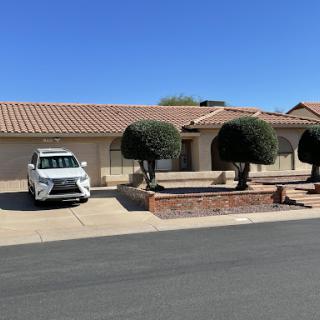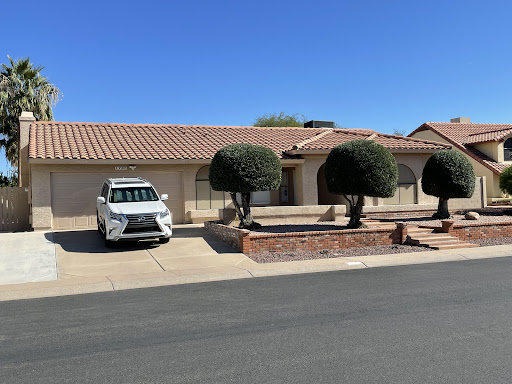
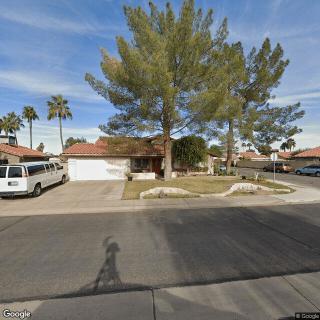
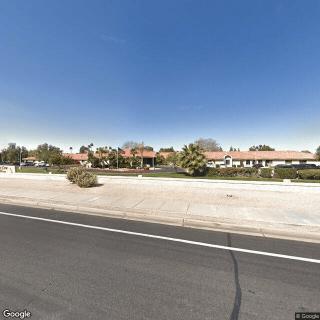
1769 North Ellis Street, Chandler, AZ 85224
For more information about senior living options: (866) 208-4318
Overall Review of Precious Love Adult Assisted Living Facility
Pros
 The staff is excellent and very caring.
- Dennis is a perfectionist who oversees care meticulously and personally tends to residents.
- The home is immaculately clean and meals are delicious.
- Residents receive one-on-one care and are treated like family.
- The team communicates regularly with families and honors their wishes with empathy and understanding.
- Families feel safe, comfortable, and reassured about their loved ones’ care.
Review
Precious Love Adult Assisted Living Facility in Chandler is best suited for families who want a small, home‑like setting where care feels intensely personal, staff are readily accessible, and daily routines resemble a well‑run family household. The community fits residents who respond well to consistent schedules, warm interactions, and meals prepared with care. For families prioritizing a sense of security, intimate attention, and a place where staff know names, preferences, and histories, Precious Love presents a compelling, low‑stress option that can make a difficult transition smoother and more emotionally manageable.
Those needing extensive medical coordination or 24/7 on‑site nursing support may want to consider alternatives. Facilities with larger clinical teams can deliver rapid access to clinicians, more formal on‑site therapy programs, and specialized memory‑care services. If a resident requires complex wound care, ventilator support, dialysis, or other highly technical caregiving, the intimate home setting may not meet every medical contingency, and a larger campus with broader clinical resources could provide greater peace of mind.
Pros frequently highlighted in comparable Chandler homes, spotless cleanliness, freshly made beds, comfortable attire, and meals described as tasty, are strong foundations for quality of life. Beyond the physical environment, the standout strength is one‑on‑one care and visible staff dedication. Families report staff who are patient, empathetic, and consistently present, with a culture that treats residents like family. This combination of meticulous housekeeping, dependable supervision, and ongoing family communication creates a sense of safety and continuity that matters deeply to families navigating uncertain times.
While the benefits are tangible, the main trade‑offs of a smaller, home‑style setting remain present. The most notable concerns revolve around scale: fewer on‑site specialists can translate into slower response times during urgent situations, fewer formalized activity programs, and potential disruption if a key caregiver is briefly unavailable. Social programming may be more limited than in larger communities, and the range of medical services onsite is typically narrower. However, these drawbacks are often offset by the intimate atmosphere, the high level of personal attention, and the ease with which families can stay closely involved in daily care decisions.
Decision criteria should anchor on the resident’s level of independence, medical needs, and the value placed on family involvement. For memory‑care or end‑of‑life care, the advantages of personalized attention, predictable routines, and transparent, frequent communication can outweigh the absence of robust clinical amenities. For seniors who insist on a broad spectrum of therapies, 24/7 on‑site nursing, or expansive social calendars, the more extensive resources of a larger facility may yield greater overall satisfaction. The key is aligning expectations with what a home‑style model can reliably deliver on a daily basis.
Prospective families should verify essential details before committing: staff‑to‑resident ratios by shift, whether dementia‑care training is provided, availability of on‑site nursing or urgent care, and the structure of daily activities to ensure meaningful engagement. Clarify how care plans are developed and updated, how families are informed of changes, and what the protocol is for emergencies after hours. Inquire about meal plans, safety features, housekeeping and laundry routines, and transportation options for appointments. If possible, request a short trial stay to observe routines, responsiveness, and how residents respond to the environment over several days.
 5 resident community capacity
 Assisted Living
 Board and Care Home
 Respite Care
 Cable or satellite TV
 Dining room
 Fully furnished
 Garden
 Housekeeping services
 Move-in coordination
 Outdoor space
 Telephone
 Wi-Fi/high-speed internet available
 Phoenix Sky Harbor International (10 miles away)
 24-hour supervision
 Activities of daily living assistance
 Assistance with bathing
 Assistance with dressing
 Assistance with transfers
 Diabetes diet
 Meal preparation and service
 Medication management
 Special dietary restrictions
 Transportation arrangement (medical)
 Transportation to doctors appointments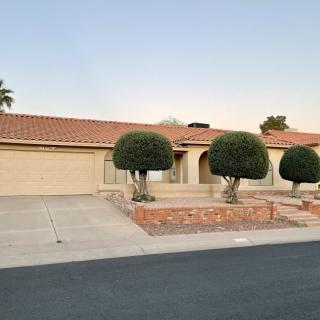


 Social Security Benefits and Assisted Living: Navigating Options Across the U.S.
 An Extensive Exploration of the VA Aid and Attendance Benefit
 Senior Transition Services: Understanding Their Role, Cost, and Importance