
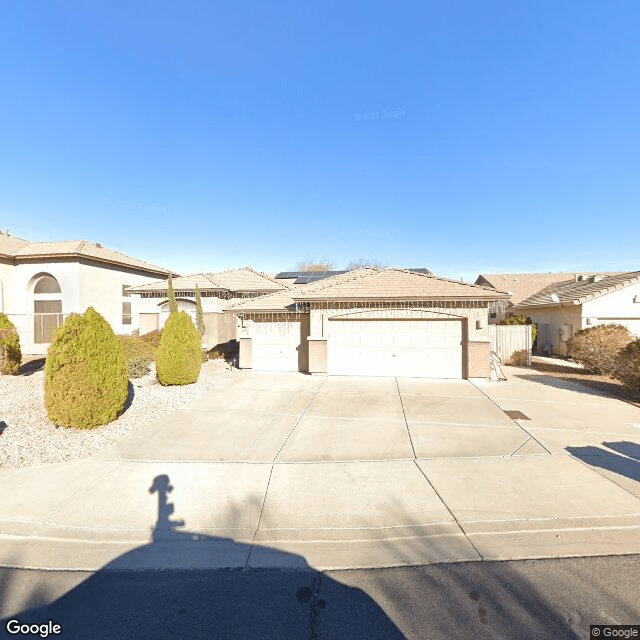
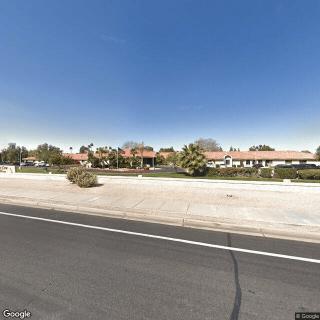
2370 West Megan Street, Chandler, AZ 85224
For more information about senior living options: (866) 208-4318
Caring Hearts Assisted Living Costs & Pricing
Caring Hearts Assisted Living offers competitive pricing for its residents, with monthly costs for private rooms ranging from $3,200 to $3,900. This range positions the facility slightly below the Maricopa County average of $3,318 and Arizona's state average of $3,345 for similar accommodations. For those seeking a one-bedroom option, Caring Hearts charges a flat rate of $3,900, which is in line with Maricopa County's average of $3,473 and slightly above the state average of $3,532. These price points reflect a dedication to providing quality care while remaining accessible within the local market context.
| Floor plans | Caring Hearts Assisted Living | Maricopa County | Arizona |
|---|---|---|---|
| Private | $3,200 to $3,900 | $3,318 | $3,345 |
| 1 Bedroom | $3,900 | $3,473 | $3,532 |
Memory care communities with a similar price nearby
-
from -$200 / mo

Desert Garden Senior Living
$3,000 to $3,500 / month16.1 miles away -
from -$200 / mo
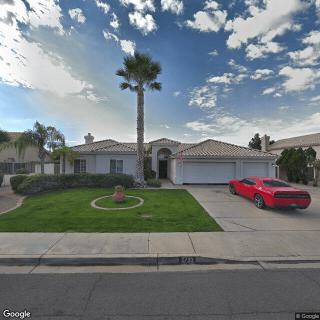
Desert Winds I
$3,000 to $3,800 / month12.0 miles away -
from +$300 / mo
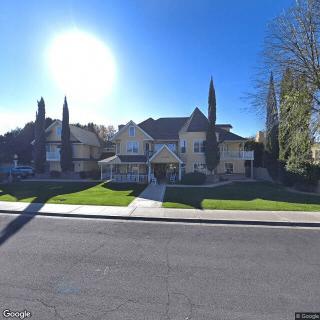
Jim & Patti Jones II
$3,500 to $4,500 / month11.0 miles away -
from -$200 / mo
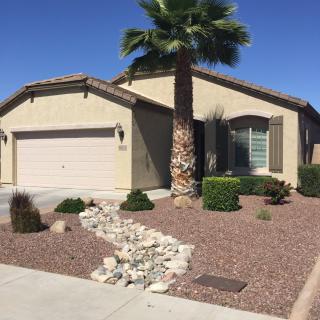
Altercare Assisted Living Home
$3,000 to $3,500 / month16.7 miles away -
from -$450 / mo

Pleasant Living - Vista
$2,750 to $3,250 / month15.8 miles away
Overall Review of Caring Hearts Assisted Living
Pros
 The facility’s strict covid protocol is appreciated.
- She receives ample attention and remains active and engaged.
- She is happy and healthy.
- The facility is highly recommended to others.
- The owner is one of the most caring and highly trained individuals in elder care.
- The owner has a wealth of knowledge on keeping elders safe, clean, and feeling important.
- The staff are attentive and highly trained.
- Families place their loved ones with her, and she works closely with them to meet all needs.
Cons
 The facility is very picky about their covid protocol.
Review
Caring Hearts Assisted Living in Chandler is best suited for families seeking a small, intimate setting where care is visibly guided by an experienced owner and a highly trained team. This community excels for residents who carry limited physical or cognitive needs and benefit from steady routines, close supervision, and ongoing personal connection with leadership. The reviews consistently point to a culture of safety, cleanliness, and making elders feel valued, with residents who stay active rather than retreat to their rooms. In practice, the environment rewards proactive engagement from staff and a hands-on approach from the owner, delivering a level of attention and accountability that many families find reassuring when choosing long-term care.
This is not the choice for families chasing a large campus with expansive amenities or pronounced independence-focused living options. If a higher degree of spontaneous social programming, a wider array of on-site services, or a facility that offers a broader spectrum of lifestyle options is a priority, alternatives that emphasize scale and variety may serve better. Likewise, for those who prefer minimal family involvement in daily planning or who want a more low-key operational style with less visible leadership, a larger operator or a different care philosophy could feel less demanding and more relaxed. For families prioritizing autonomy and a bustling, campus-like atmosphere, Caring Hearts may feel too contained.
The strongest pro here is the combination of leadership-driven care and staff execution. The owner is described as exceptionally caring and highly trained, with a deep wealth of knowledge about supporting elders with limited physical and mental capacity. This leadership translates into consistently safe, clean, and respectful care where residents are encouraged to participate in daily activities and kept from slipping into passivity. Attentive, well-trained staff reinforce that standard, and multiple reviewers note the owner’s willingness to work closely with families to tailor care. The result is a dependable, warm environment where elders feel seen, safe, and important, not merely housed.
If there is a tangible downside, it centers on a potential sense of rigidity that comes with rigorous safety and care standards. Some families may perceive the atmosphere as more structured and formal, with fewer opportunities for spontaneous changes in routine or a broader menu of recreational options. In a setting that emphasizes careful oversight and methodical care, the pace can feel orderly rather than newly adventurous. However, these cons are largely offset by the very strengths that define Caring Hearts: a proven leadership voice in elder care, transparent family communication, and a staff team that translates policy into personalized, day-to-day support.
The offset is substantial. The owner’s direct involvement ensures that care plans stay aligned with evolving needs, and the staff’s ongoing training translates into reliable responses to both routine and emergent situations. Family members consistently receive clear updates and know they can partner in shaping day-by-day living for their loved ones. Residents benefit from consistent routines, regular engagement, and a sense of belonging within a caring micro-community. In practical terms, this means fewer moving parts to manage for families, higher likelihood of consistent quality, and a more predictable, dignified living experience for elders who value respect, safety, and connection.
Bottom line: Caring Hearts Assisted Living represents a strong, decision-focused option for families prioritizing safety, hands-on leadership, and personal attention in a smaller, intimate setting. It is ideal for elders who need vigilant supervision, enjoy steady activity, and respond well to a care team that treats them as individuals. For families seeking larger communities, greater independence, or a broader menu of amenities and social options, alternatives may offer a more expansive match. Prospective families should arrange a visit, observe staff interactions, meet the owner, and review a tailored care plan to verify fit against expectations and specific care needs.
 5 resident community capacity
 Assisted Living
 Board and Care Home
 Memory Care
 Respite Care
 Activities off-site
 Beautician on-site
 Cable or satellite TV
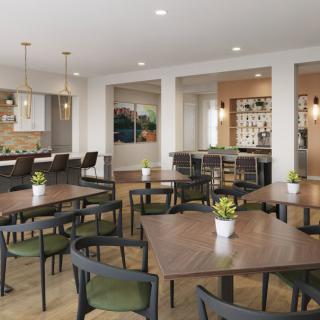
 Dining room
 Fully furnished
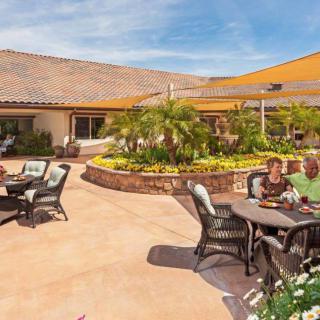
 Garden
 Housekeeping services
 Indoor common areas
 Move-in coordination
 Outdoor common areas
 Private
 Swimming pool / hot tub
 Telephone
 Wheelchair accessible showers
 Wi-Fi/high-speed internet available
 Phoenix Sky Harbor International (11 miles away)
 24-hour supervision
 Ambulatory care
 Assistance with bathing
 Assistance with dressing
 Assistance with transfers
 Diabetes diet
 Diabetic care
 Incontinence care
 Meal preparation and service
 Medication management
 Special dietary restrictions
 Transportation arrangement (medical)
 Transportation to doctors appointments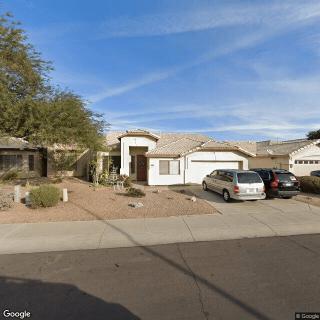

 When Dementia Sparks Anger and Aggression: Understanding the Connection and Ways to Cope
 Dementia Behaviors: In-Depth Understanding and Effective Coping Strategies
 5 Early Indicators of Dementia and What You Can Do