
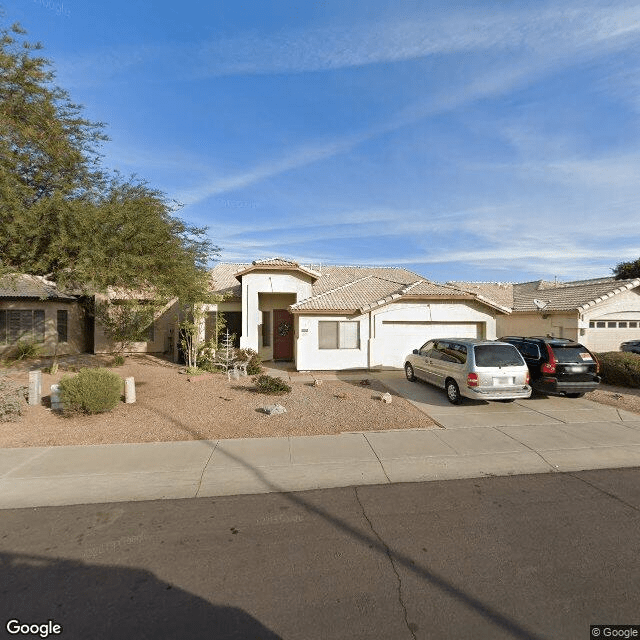
2120 W. Shannon St., Chandler, AZ 85224
To contact a resident: (480) 703-7608
For more information about senior living options: (866) 208-4318
Happy Homes Assisted Living, LLC Costs & Pricing
Happy Homes Assisted Living, LLC offers competitive pricing for its services, particularly when compared to the broader market in Maricopa County and the state of Arizona. For a semi-private room, residents can expect to pay $1,500 per month, significantly lower than the county average of $2,801 and the state average of $2,820. Private rooms at Happy Homes are also attractively priced at $1,700 per month, compared to Maricopa County's average of $3,318 and Arizona's average of $3,345. These cost advantages reflect Happy Homes' commitment to providing quality care at more accessible rates, making it an appealing option for families seeking assisted living solutions in a budget-conscious manner.
| Floor plans | Happy Homes Assisted Living, LLC | Maricopa County | Arizona |
|---|---|---|---|
| Semi-Private | $1,500 | $2,801 | $2,820 |
| Private | $1,700 | $3,318 | $3,345 |
Senior living communities with a similar price nearby
-
from +$100 / mo
Maria's Garden Of Eden
$1,600 to $1,800 / month22.9 miles away -
from +$200 / mo
Straford MC Adult Care Home
$1,700 to $2,000 / month2.3 miles away -
from -$105 / mo
Heritage Lane Behavioral - East
$1,395 to $1,750 / month5.8 miles away -
from +$95 / mo
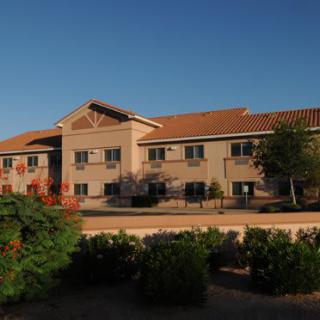
The Citadel
$1,595 to $2,080 / month10.9 miles away -
from +$90 / mo

Westminster Village
$1,590 to $2,045 / month19.1 miles away
Overall Review of Happy Homes Assisted Living, LLC
Pros
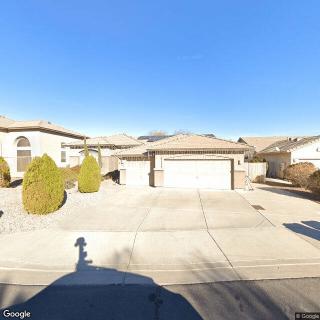
 The home is in a very nice neighborhood.
- The home is very clean inside and out.
- The residents are smiling and happy.
- The company that operates the home loves its residents and cares deeply for them, and it feels like family.
- Gloria and Maribel are doing a great job.
- There is a special place in heaven for front-line caregivers.
- Meals are served on a consistent daily schedule and are healthy.
Cons
 No one cares
Review
Happy Homes Assisted Living in Chandler is best suited for families seeking a small, home-like setting where daily routines and personal attention shape the resident experience. The community appears to operate as a tight-knit, family-style home, with caregivers who emphasize cleanliness, consistent meals, and warm social rituals. The two positive accounts describe a clean environment, meals served at the same time each day, and festive holidays that help residents feel valued and connected. This is the kind of arrangement that works well for seniors who prioritize predictability, personal warmth, and a sense of belonging over high-end campus amenities. Those who want a quiet, intimate atmosphere with caregivers who remember names and preferences will find Happy Homes aligns with those expectations.
Nevertheless, a cautious evaluator should acknowledge the mixed signals from the rating and the limited sampling of reviews. The community has a single 1-star rating in the mix, which signals that some families may encounter dissatisfaction or concerns that deserve scrutiny before committing. Prospective residents and families should approach with a disciplined checklist: verify that the reported cleanliness translates into consistent daily upkeep, confirm that meals and snacks align with dietary needs, and ensure the care staff’s tone and responsiveness meet the level of attentiveness sought. The neighborhood setting in Ahwatukee is a plus, but it does not replace the need for solid assurances about medical oversight and daily caregiving capacity.
The strongest pro bundle centers on staff commitment and a family-like culture. Two reviews highlight staff members, notably Gloria and Maribel, as pivotal anchors who create a welcoming, safe, and supportive atmosphere. The implication is that residents are treated with regular warmth, that birthdays and holidays are acknowledged in meaningful ways, and that care feels personal rather than institutional. Cleanliness and a feeling of “being at home”, not a sterile or clinical environment, appear to reinforce residents’ comfort and routine stability. When a small operator can sustain this level of attentiveness, the pros meaningfully offset the lack of grandeur or extensive programming found in larger properties.
Yet the potential drawbacks should not be discounted. The limited sample of reviews makes it hard to gauge consistency across all shifts, or to identify how care plans adapt to residents with evolving needs. The absence of detail on medical staffing, such as 24/7 nursing coverage, medication management rigor, or access to on-call clinicians, creates a gap for families evaluating memory care needs, rehabilitation, or higher-acuity support. Additionally, the small scale may limit a broad activities calendar, transportation options, or on-site specialized services. For seniors requiring robust clinical oversight or more expansive programming, these gaps could translate into practical drawbacks over time.
For families visiting or evaluating remotely, several verification steps are essential. Ask for a current, written care plan for each resident and how that plan is updated, who conducts regular assessments, and how often a physician or nurse practitioner reviews medication and health changes. Inquire about staff-to-resident ratios on all shifts, the process for responding to emergencies, and the procedures for handling dietary restrictions and mobility assistance. Probe the calendar for recreation, social engagement, outings, and transportation options, then assess whether those offerings align with the resident’s social and cognitive needs. Finally, request transparent information about fees, what is included in the price, and any potential add-ons or increases.
In practical terms, Happy Homes Assisted Living is a solid fit for families prioritizing a warm, homey environment with reliable daily rhythms and clearly caring staff who foster a sense of family. Its appeal rests on cleanliness, predictable meals, and a culture of festive, personal warmth that can make daily life feel secure and uplifting. However, families should explicitly verify staffing levels, medical oversight, and the scope of activities before concluding this is the right long-term home for a resident with advanced or changing care needs. If such needs are prominent, or if a larger community with more formal clinical supports is desired, exploring alternative options with stronger clinical credentials or broader programming is prudent. The decision should hinge on balancing the strength of intimate, attentive care against the demands of sustained medical management and engaging, expansive activity opportunities.
 Board and Care Home
 Private
 Phoenix Sky Harbor International (11 miles away)
 Diabetic care
 High acuity care

 California's Form 602A: An In-Depth Examination of Senior Care Assessment
 Comprehensive Look at Senior Blood Pressure Charts: Normal and Elevated Levels by Age
 Top Canine Companions for Older Adults