Overall Review of D'arcy Manor Assisted Living Home
common15 reviews mention this
Caring, experienced staff stand out
Residents and families repeatedly describe a staff that is caring and experienced.
Multiple reviews describe staff who show up with compassion and kindness, including during hospice and end-of-life care. Families also highlight communication and responsiveness as needs change, and at least one review specifically praises the nursing staff. Several caregiver-focused reviews echo that the team supports residents closely and treats them with respect.
differentiator3 reviews mention this
Help with daily needs
Families feel well supported as residents need help with daily tasks.
Reviews mention assistance as conditions advance, including care that meets changing needs. One family describes feeling safe because a loving caregiver is always nearby to help with daily tasks the resident struggled with. Another review also points to the care received in a hospice phase, with staff going above and beyond for both the resident and the family.
common3 reviews mention this
Good support during moving in
Tours and move-in help are described as organized and reassuring.
Some reviews focus on the initial experience, including a guided tour and education from a sales manager. Another review describes getting assistance and being treated with care and respect through the process of moving into assisted living. Families also describe a welcoming, comfortable feel when touring and preparing for placement.
common3 reviews mention this
A close-knit, family-like community
Residents are described as connected and supportive of one another.
Several reviews describe the community as feeling like a family, with residents offering support to each other. Caregiver reviews also describe residents interacting regularly and adjusting quickly, which families say helps with difficult transitions. One reviewer compares the social feel to a smaller, closer setup where people get to know each other easily.
How we summarize
Counts show how many written reviews mention each theme; a review can touch several themes, and only frequently mentioned themes are displayed.
Features
Housing
5 resident community capacity
Types of Care
Assisted Living
Board and Care Home
Respite Care
Amenities
Cable or satellite TV
Dining room
Fully furnished
Garden
Housekeeping services
Move-in coordination
Outdoor space
Telephone
Wi-Fi/high-speed internet available
Transportation
Phoenix Sky Harbor International (10 miles away)
Care Services
24-hour supervision
Activities of daily living assistance
Assistance with bathing
Assistance with dressing
Assistance with transfers
Coordination with health care providers
Diabetes diet
Meal preparation and service
Medication management
Special dietary restrictions
Transportation arrangement (medical)
Transportation to doctors appointments
Dining
Diabetes diet
Special dietary restrictions
Activities
Community-sponsored activities
Scheduled daily activities
Nearby Places of Interest
Restaurants
In-N-Out Burger (0.7 miles)
Chick-Fil-A (0.8 miles)
The Cheesecake Factory (0.9 miles)
Chompie's Restaurant (1.2 miles)
The Sicilian Butcher (1.2 miles)
Someburros (1.2 miles)
Jack In The Box (1.5 miles)
Pharmacies
CVS Pharmacy (0.8 miles)
CVS Pharmacy (1.4 miles)
Walgreens (1.5 miles)
Walgreens (1.8 miles)
CVS Pharmacy (1.9 miles)
Walgreens (1.9 miles)
CVS Pharmacy (2.8 miles)
Theaters
Chandler Fashion 20 (1.1 miles)
Alamo Drafthouse Tempe (4.6 miles)
Parks
Desert Breeze Park (1.4 miles)
Bark Park (5.5 miles)
Physicians
HonorHealth Medical Group - South Tempe - Primary Care (1.5 miles)
Gateway Pediatrics (1.6 miles)
Valley ENT (1.6 miles)
Sonora Quest Laboratories (1.6 miles)
Arizona Allergy Associates (1.9 miles)
Arizona State Urological Institute (1.9 miles)
East Valley Family Physicians (1.9 miles)
Cafes
Starbucks (1.7 miles)
Starbucks (1.7 miles)
Starbucks (1.9 miles)
Starbucks (2.9 miles)
Peixoto Coffee Roasters (3.3 miles)
Black Rock Coffee Bar (3.8 miles)
Starbucks (4.3 miles)
Hospitals
Chandler Regional Medical Center (1.8 miles)
Banner Health Ocotillo (3.1 miles)
Phoenix ER & Medical Hospital (3.8 miles)
Places of Worship
Cornerstone Christian Fellowship (3.2 miles)
Compass Christian Church (3.4 miles)
Temple Emanuel (4.2 miles)
Church of Jesus Christ of Latter Day Saints (4.7 miles)
Kingdom Hall (4.9 miles)
First United Methodist Church of Gilbert (5.7 miles)
D'arcy Manor Assisted Living Home is located at 3191 West Genoa Way, Chandler, AZ 85226 in Maricopa County, Arizona
Nearby Communities
Aegis At D'Arcy Ranch Assisted Living
Chandler, AZ
4.5 from 2 reviews
$2,495 to $4,295 / month
Clean, well-maintained facility with friendly, helpful staff.
Magnificent Cedar
Chandler, AZ
Small, intimate board-and-care with 24-hour supervision, fully furnished rooms, meals including dietary needs, and coordinated healthcare plus daily activities.
Best Choice Assisted Living Home
Chandler, AZ
4.8 from 18 reviews
$2,500 to $3,500 / month
Compassionate, attentive staff in a warm, clean home.
Jal Assisted Living Facility
Chandler, AZ
Small, personalized setting with comprehensive care options and engaging daily activities.
Castle Canyon Assisted Living
Chandler, AZ
4.5 from 27 reviews
$3,000 to $3,500 / month
Caring, attentive staff in a clean, welcoming, family-like environment.
Summer Place Assisted Living
Chandler, AZ
4.7 from 35 reviews
$2,500 to $3,000 / month
Helpful, supportive staff with a strong reputation for quality care.
Cadence Chandler
Chandler, AZ
4.8 from 96 reviews
$3,550 to $5,200 / month
Attentive staff and high-quality, diverse dining options.
Copper Creek Inn Memory Care
Chandler, AZ
4.7 from 106 reviews
$6,800 to $9,500 / month
Beautiful, clean facility with attentive staff and clear communication with families.
Desert Cove Nursing Center
Youngtown, AZ
3.9 from 149 reviews
$3,960 to $4,710 / month
Caring staff, clean facility, and effective therapy services.
Activities of Daily Living (ADLs) are fundamental tasks vital for an individual's independence, particularly in older adults over 85, and include functions like bathing and dressing; assessing ADLs alongside Instrumental Activities of Daily Living (IADLs) helps determine the level of required assistance due to age-related health challenges. Tailored support plans, involving family and community resources, are essential for maintaining dignity and autonomy in assisted living environments.
Medicare does not cover assisted living costs, as it focuses on acute medical needs and short-term care, with exceptions for certain medically necessary services like physical therapy. Individuals must explore other options such as Medicaid, veterans' benefits, or long-term care insurance to manage these expenses effectively.
Choosing between assisted living and nursing homes involves evaluating emotional and financial factors, with assisted living offering independence and support for daily activities at a lower cost, while nursing homes provide intensive medical care for individuals with significant health needs. The decision is influenced by personal preferences, health status, cognitive function, and varying Medicaid coverage across states.
Get PricingAsk A QuestionSchedule A TourContact Senior Advisor
By clicking submit, you agree to our Partner's Terms of Use. You
also consent to receive calls and texts, which may be autodialed, from our Partner. Your consent is not a condition to
using our Partner's service. Please visit our Partner's Privacy Policy for information about their privacy practices.


 5 resident community capacity
 Assisted Living
 Board and Care Home
 Respite Care
 Cable or satellite TV
 Dining room
 Fully furnished
 Garden
 Housekeeping services
 Move-in coordination
 Outdoor space
 Telephone
 Wi-Fi/high-speed internet available
 Phoenix Sky Harbor International (10 miles away)
 24-hour supervision
 Activities of daily living assistance
 Assistance with bathing
 Assistance with dressing
 Assistance with transfers
 Diabetes diet
 Meal preparation and service
 Medication management
 Special dietary restrictions
 Transportation arrangement (medical)
 Transportation to doctors appointments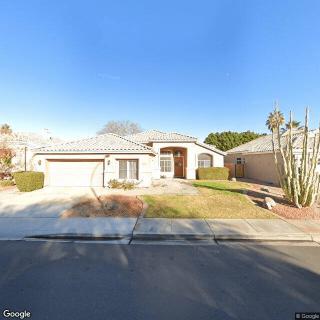
 Clean, well-maintained facility with friendly, helpful staff.

 Comprehensive Insights into Activities of Daily Living (ADLs) and Their Assessment
 Medicare Coverage for Assisted Living: An In-Depth Exploration
 Choosing the Right Senior Care: A Detailed Exploration of Assisted Living and Nursing Homes