
4550 East Bajada Road, Cave Creek, AZ 85331
For more information about senior living options: (866) 208-4318
Overall Review of Tatum Highlands Helping Hands
Cons
 They took down all of their reviews (including mine), for good reason.
- They warn others not to take someone they love there.
Review
This community is best suited for families seeking a small, home-like senior living option in Cave Creek where daily contact with caregivers feels personal and the pace is calmer than at larger, more institutional facilities. It can work for seniors who prefer predictable routines and meaningful, ongoing relationships with staff, rather than glossy programming. Those evaluating options should be prepared to verify quality in person rather than rely on broad marketing claims, and to accept that a smaller setting can come with limited public evidence about outcomes.
Those who require transparent governance and highly consistent documentation of quality should consider alternatives. If a resident needs robust medical oversight, memory-care specialization, or clear, third-party validation of care standards, other communities with documented accreditation, identifiable staffing benchmarks, and proactive problem-resolution processes may serve better. Families prioritizing image over verifiable performance will want to pause here and compare with options that publish independent reviews, third-party ratings, and visible safety metrics.
The potential positives in this environment, often tied to intimacy and staff familiarity, can be meaningful. A smaller community can translate into quicker responsiveness, more individualized attention, and routines that feel tailor-made rather than one-size-fits-all. Those attributes can offset some ambiguity about operational quality, provided the care team remains consistently attentive, communicates clearly, and demonstrates steady staffing. However, the main risk here is credibility: a strong warning in a negative sentiment about review integrity signals a troubling lack of transparency that can undermine trust, even if day-to-day interactions with caregivers appear solid. The balance between these factors hinges on how well the operation can prove it meets residents’ needs beyond favorable anecdotes.
Operational transparency becomes the fulcrum of any decision. Families should seek concrete answers about staffing levels by shift, caregiver qualifications, turnover rates, and supervision. Ask for a current written care plan for the prospective resident, with specifics on medication management, daily schedules, meal preparation, and safety checks. Request a tour that includes conversations with frontline staff, a review of recent incident logs, and the opportunity to observe interactions between caregivers and residents in common areas and during care tasks. Demand references from current residents or families, and a candid discussion about complaint handling, response times, and any history of regulatory findings.
In the Cave Creek market, these considerations matter because location, costs, and service mix will drive overall value and peace of mind. The setting must align with practical needs: proximity to trusted medical providers, access to transportation for appointments, and the daily rhythm that suits a resident’s preferences. Potential benefits of a smaller community may be outweighed by hidden costs or opaque practices if pricing isn’t transparent or if governance lacks clear accountability. Families should compare contract terms side by side, scrutinize what “all inclusive” actually covers, and verify any add-on fees that could surprise later.
The bottom line is clear: proceed with rigorous due diligence before committing. Given the mixed signals, a highly positive rating paired with a strongly negative, credibility-focused caution, the prudent path is to verify transparency as a non-negotiable condition. If the facility can demonstrate open governance, readily share staffing data, and provide verified references that consistently reflect quality, it may be a solid fit for the right resident. If not, alternatives with readily verifiable quality metrics, transparent reviews, and proactive elder-care governance should be the default choice. In the meantime, consider a short-term arrangement such as respite or trial stay to observe real-world care dynamics, and insist on a written care plan with clear escalation routes for concerns.
 10 resident community capacity
 Assisted Living
 Board and Care Home
 Cable or satellite TV
 Dining room
 Fully furnished
 Garden
 Housekeeping services
 Move-in coordination
 Outdoor space
 Telephone
 Wi-Fi/high-speed internet available
 Phoenix Sky Harbor International (21 miles away)
 24-hour supervision
 Activities of daily living assistance
 Assistance with bathing
 Assistance with dressing
 Assistance with transfers
 Diabetes diet
 Meal preparation and service
 Medication management
 Special dietary restrictions
 Transportation arrangement (medical)
 Transportation to doctors appointments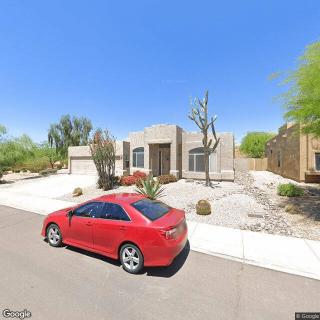
 Private rooms with private baths and 24/7 high-acuity care.




 Social Security Benefits and Assisted Living: Navigating Options Across the U.S.
 An Extensive Exploration of the VA Aid and Attendance Benefit
 Senior Transition Services: Understanding Their Role, Cost, and Importance