
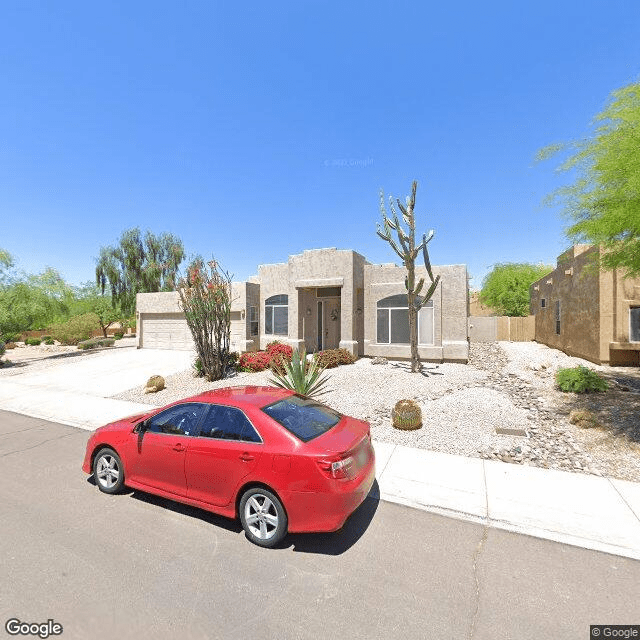
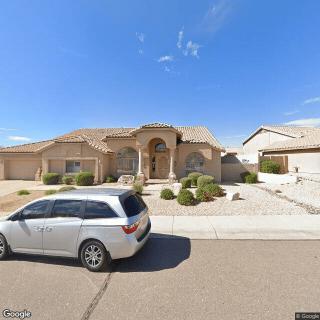
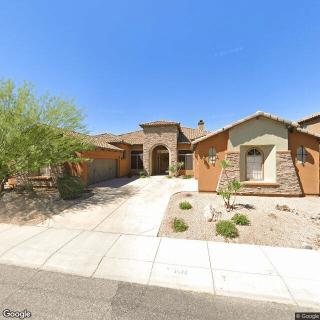
4550 E. Bajada Rd., Cave Creek, AZ 85331
To contact a resident: (602) 550-6520
For more information about senior living options: (866) 208-4318
Scottsdale Assisted Living Homes Costs & Pricing
Scottsdale Assisted Living Homes offers competitive pricing compared to the broader market in Maricopa County and the state of Arizona. For semi-private rooms, residents can expect to pay $2,000 per month, significantly lower than the county average of $2,801 and the state average of $2,820. Similarly, private rooms at Scottsdale are priced at $3,000 per month, which also stands out favorably against the Maricopa County rate of $3,318 and Arizona's overall average of $3,345. This makes Scottsdale a compelling choice for families seeking quality assisted living options that balance affordability with care.
| Floor plans | Scottsdale Assisted Living Homes | Maricopa County | Arizona |
|---|---|---|---|
| Semi-Private | $2,000 | $2,801 | $2,820 |
| Private | $3,000 | $3,318 | $3,345 |
Senior living communities with a similar price nearby
-
About the same

Home Instead - Fountain Hills, AZ
$1,945 to $3,525 / month16.8 miles away -
About the same
Garcia's Assisted Living Home LLC
$2,000 / month22.5 miles away -
About the same
Genesis Assisted Living Care Home
$2,000 to $2,500 / month1.8 miles away -
from +$200 / mo
Bent Tree Assisted Living
$2,200 to $3,200 / month16.2 miles away -
from +$300 / mo
Crystal Rose Assisted Living Home
$2,300 / month22.7 miles away
Overall Review of Scottsdale Assisted Living Homes
Pros
 They look interesting.
Cons
 They took down all of their reviews (including mine), for good reason.
- Do not take someone you love...there.
Review
Scottsdale Assisted Living Homes in Cave Creek appears best suited for families seeking a smaller, more home-like setting where personal attention and direct engagement with the operator are likely, and where price discussions are handled through negotiation rather than posted rates. It is not the right choice for those who must have transparent, predictable pricing up front or for families needing highly consistent care across the board. The limited public performance signals suggest a setting with potential warmth, but also with enough variance in experience to warrant aggressive due diligence before committing.
Those who should consider alternatives are families prioritizing transparent cost structures and steady service quality. With pricing not readily available and conflicting review signals, this community may pose a higher risk for sticker-shock or misaligned expectations. If a resident has higher medical or behavioral needs or requires a clearly documented escalation plan, other providers with clear care levels, posted rates, and standardized workflows may offer greater peace of mind. In short, if reliability and clear governance matter most, casting a wider net is prudent.
From a decision-maker’s perspective, the main pros, where they exist, center on the intimate, less corporate feel that typically accompanies smaller facilities. A setting like this can yield more personalized attention, simpler family interactions, and a potentially homier daily routine. However, these potential upsides are not clearly proven in the current feedback, and they do not automatically offset the most significant drawbacks: opacity around pricing and a troubling comment about the removal of reviews. The strength of any intimate environment can be undermined when families cannot see an honest, consistent performance record or confirm basic terms before admission.
The most consequential red flag is the ecological damage done to trust: a reviewer cites that reviews were removed and issues with taking a loved one there, which strongly signals concerns about transparency and accountability. When trust in the facility’s governance is compromised, it becomes difficult to feel confident about ongoing safety, care planning, or responsiveness to concerns. That single, sharp warning, especially in combination with the visible inconsistency in star ratings, cannot be dismissed. In senior living, oversight, responsiveness, and verifiable care quality matter as much as any warm atmosphere.
To offset these concerns, families should demand concrete assurances before any commitment. That means requesting an explicit, written price sheet with what’s included (meals, medications, activities, transportation, memory care options, and any ancillary fees), along with a sample resident agreement that clarifies guarantees, notice periods, and refund rules. Tours should be used to verify staff presence, routines, and engagement opportunities, while asking direct questions about caregiver training, nurse oversight, and how care plans are updated and communicated. Request current calendars of activities, examples of daily schedules, and a copy of state inspection reports to compare promised service with regulatory performance.
Bottom line: Scottsdale Assisted Living Homes warrants a cautious, comparison-driven decision. It may suit families who value a smaller, closer-knit ambiance and who can secure transparent pricing and verifiable quality indicators through careful vetting. For those unable to tolerate price opacity or potential governance concerns, or for residents with higher care complexity needing predictable, well-documented service levels, exploring stronger alternatives is strongly advised. The path forward is clear: insist on price transparency, demand tangible quality proof, and align expectations with a facility that can consistently demonstrate trustworthy governance and reliable care delivery before any commitment is made.
 Board and Care Home
 Activities on-site
 Bath tubs
 Beautician on-site
 Indoor common areas
 Outdoor common areas
 Private
 Private bathrooms
 Wheelchair accessible showers
 Phoenix Sky Harbor International (21 miles away)
 Diabetic care
 High acuity care
 Meals provided



 Comprehensive Exploration of Living Wills and Other Advance Directives
 A Detailed Exploration of Living Wills and Advance Directives
 Comprehensive Guide to Medicare Coverage for Hospice Care