
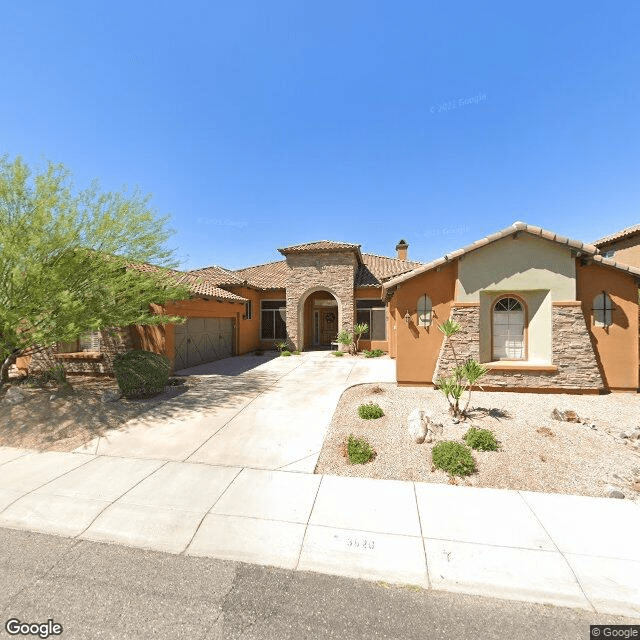
3820 East Expedition Way, Phoenix, AZ 85050
For more information about senior living options: (866) 208-4318
Maranatha Assisted Living Costs & Pricing
Maranatha Assisted Living offers competitive pricing for its services, with monthly costs that reflect a commitment to affordability and quality care. For those seeking semi-private accommodations, the cost is $2,500, which is notably lower than the average rates in Maricopa County at $2,801 and the state of Arizona at $2,820. Similarly, private rooms are available for $3,000 - again undercutting both the county's average of $3,318 and the state's average of $3,345. These pricing structures highlight Maranatha Assisted Living's dedication to providing valuable options for individuals seeking supportive living environments without compromising on care or comfort.
| Floor plans | Maranatha Assisted Living | Maricopa County | Arizona |
|---|---|---|---|
| Semi-Private | $2,500 | $2,801 | $2,820 |
| Private | $3,000 | $3,318 | $3,345 |
Assisted Living communities with a similar price nearby
-
from +$300 / mo

Pinnacle Peak Assisted Living
$2,800 to $3,100 / month4.6 miles away -
from +$125 / mo

The Eldercare Home Of Tempe
$2,625 to $3,412 / month22.8 miles away -
from +$400 / mo
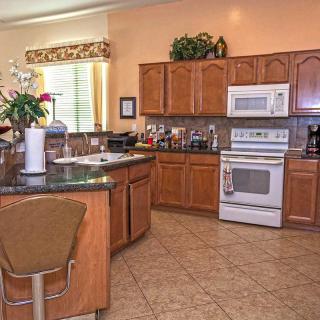
Royal Paradise Care
$2,900 to $3,800 / month21.3 miles away -
from -$100 / mo
Arabian Views Assisted Living One
$2,400 to $3,200 / month4.3 miles away -
from +$200 / mo

Caring Hearts Senior Care
$2,700 to $3,500 / month23.3 miles away
Overall Review of Maranatha Assisted Living
Pros
 Maranatha Assisted Living has been a good experience.
- The facility is clean.
- The lady that runs the place is very friendly.
- The care given there is excellent.
- Things are going just fine here.
Review
Maranatha Assisted Living in Phoenix is best suited for seniors who want a clean, intimate setting with a hands-on, personable operator delivering reliable daily care. The environment is approachable for residents who do not require highly specialized medical interventions or a sprawling campus. Families seeking a low-traffic, easy-to-navigate home where staff relationships are genuine and care is consistent will likely find this option comforting. The tone from the operation itself is one of steady routines and attentive management, which translates into predictable days and a sense of safety for residents who value personal touch and straightforward support.
The strong markers here are clear in practice: the facility reads as clean and well-maintained, a non-negotiable baseline for comfort and safety. The person who runs the home is described as friendly and accessible, a detail that matters when daily schedules or care adjustments arise. Care is reported as excellent, pointing to dependable assistance with activities of daily living and a readiness to address residents’ needs promptly. In a smaller, more intimate setting, these elements tend to produce smoother communication, quicker problem-solving, and a lower risk of gaps in attention. Taken together, cleanliness, approachable leadership, and solid day-to-day care create a backdrop of reliability that many families prize.
Still, discernment is essential. Alternatives should be considered for seniors whose needs go beyond basic assistance. If memory care, rehabilitation services, or continuous skilled nursing oversight are essential, larger assisted living communities or facilities specializing in more intensive medical support may offer the breadth of services required. For families seeking transparent metrics, exact staffing ratios, med-pass schedules, menu rotations, or formal activity calendars, options with explicit documentation could be more reassuring. Those needing transportation, on-site wellness services, or a richer programming slate might find a broader campus better aligned with long-term preferences. In short, this community suits a compassionate, uncomplicated care model rather than a highly medicalized or highly active lifestyle.
The proven advantages, cleanliness, a welcoming operator, and reliable daily care, offset the absence of clearly listed services or expansive clinical capabilities to a degree. A tidy, orderly environment reduces infection risk and reinforces comfort, while a personable leadership presence can translate into clearer communication and quicker adaptation to changing needs. Solid daily care signals capable, attentive aides and a dependable routine, which helps mitigate concerns about limited programming or fewer amenities. Yet these offset benefits do not erase the need for fuller information: without details about medical support, memory-care options, meals, transportation, or emergency readiness, the fit cannot be judged complete. The practical takeaway is that the positive indicators render this option credible and appealing for many residents, but they do not substitute for a thorough, confirmatory evaluation.
The core limitation is the data gap created by a single positive review. That alone does not establish a guaranteed long-term match; it merely signals potential worth pursuing. Prospective families should insist on a full tour, direct conversations with frontline caregivers, and access to sample care plans, licensure confirmations, and safety protocols. Questions about staffing patterns, response times, medication management, diet quality, and activity opportunities will illuminate whether the favorable impressions hold across multiple residents. Observing meals, transportation arrangements, and dementia-related care processes will reveal how well the day-to-day strengths translate into sustained, predictable living. In the absence of comprehensive evidence, the prudent move is to treat Maranatha as a solid contender worthy of evaluation, not yet a default choice.
For families prioritizing warmth, cleanliness, and consistently attentive daily care, Maranatha Assisted Living warrants serious consideration. It presents as a practical, low-friction option capable of delivering daily comfort and dignity in a Phoenix setting. However, if the decision hinges on robust medical oversight, specialized memory care, or highly transparent service metrics, it is essential to compare with other communities that publish detailed staffing data and care plans. The recommended path is a careful, in-person assessment, visiting the home, meeting the caregiving team, and reviewing concrete examples of care plans and resident experiences. When the match is right, Maranatha stands up well as a thoughtfully run home that can meet many seniors’ everyday needs with warmth and reliability.
 10 resident community capacity
 Assisted Living
 Board and Care Home
 Activities on-site
 Beautician on-site
 Cable or satellite TV
 Devotional services on-site
 Dining room
 Fully furnished
 Garden
 Housekeeping services
 Indoor common areas
 Move-in coordination
 Outdoor common areas
 Private
 Private bathrooms
 Telephone
 Wheelchair accessible showers
 Wi-Fi/high-speed internet available
 Phoenix Sky Harbor International (18 miles away)
 24-hour supervision
 Assistance with bathing
 Assistance with dressing
 Assistance with transfers
 Diabetes diet
 Diabetic care
 High acuity care
 Incontinence care
 Meal preparation and service
 Medication management
 Special dietary restrictions
 Transportation arrangement (medical)
 Transportation to doctors appointments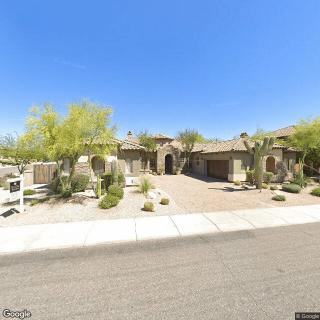




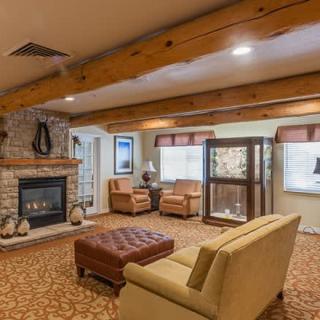


 8 Key Indicators That Suggest It May Be Time to Transition from Assisted Living to Skilled Nursing Care
 Vibrant Senior Living: A Comprehensive Guide for Active Older Adults
 When to Transition from Assisted Living to Memory Care: Key Indicators, Steps, and Finding the Right Community