
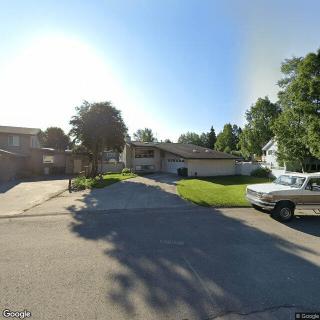
1023 East 28th Avenue, Anchorage, AK 99508
For more information about senior living options: (866) 208-4318
Overall Review of Romana 2 Assisted Living Home
Pros
 The Lommel family and their staff take great care insuring that each resident is treated like family.
- Alex and Bonnie were a Godsend to their family.
- The facility is beautiful and the staff are caring.
- Bonnie and Alex provide such a loving and caring environment for their residents.
- The Marietta House truly has a family home feeling, and it always smells like delicious home cooked meals.
- The owners are hands on to make sure your experience is exactly how you want it.
Cons
 The family felt denied access to information and were told to trust the facility instead.
 - Bonnie allegedly refused to speak with the family and avoided them after concerns were raised.
- The mother had to push to get blood work, which contradicted hospice’s prior prognosis that she would deteriorate.
- Six weeks later, the mother was discharged back to Marlow Manor with promises of visits that never happened.
- The mother’s food portions were small and she lost about 18 pounds.
- There were concerns about improper influence, with caregivers in the next room reportedly selling property to Alex.
- The family claimed hospice care failed, with the mother reportedly saying she “failed hospice.”
Review
This collection of experiences describes a small, family‑run Anchorage assisted living option that is best suited for seniors who crave a truly homelike environment. Residents who want constant, hands‑on attention from owners who feel like extended family will gravitate toward this setting. Families that prioritize personal connections, daily warmth, and highly responsive care will find the approach deeply reassuring. It works especially well for individuals who value flexible visit schedules, belief‑respectful care, and end‑of‑life support delivered with dignity in a home atmosphere.
Those who should actively compare alternatives are residents with more formal medical needs or stringent oversight requirements. A few reviewers raised questions about information access, decision making, and the boundaries between family advocacy and facility staff. For families that require robust, institutionalized processes, clear documentation, or independent governance, larger campuses with established protocols may offer greater peace of mind. Similarly, if specialized memory‑care programs or consistent 24/7 professional nursing oversight are nonnegotiable, broader options may be a better match.
The strongest positives here center on genuine warmth and personal investment. Owners are described as hands‑on, attentive, and deeply committed to treating residents like family. This creates a culture of frequent communication, respectful collaboration with families, and a sense that the resident’s preferences truly shape daily life. The setting itself is praised for cleanliness, a welcoming aesthetic, and the aroma of home‑cooked meals. Visitors often feel they are stepping into a home rather than a clinical facility, which can translate into calmer days, more meaningful daily routines, and better emotional well‑being for residents.
Yet the reviews do not ignore notable concerns. One account highlights a strain between family advocates and staff over access to information, suggesting a possible mismatch between intimate, family‑style care and formal transparency. Another critique points to gaps in medical responsiveness, including delayed blood work and disputes about hospice communication, which underscore the risk that informal processes may not always align with every family’s expectations. A reviewer also notes that small meal portions, despite excellent food quality, left a loved one undernourished, illustrating how nutrition management can become a critical area to scrutinize in a home setting.
These pros and cons illuminate a key balance for decision makers: the strong, person‑centered care model can deliver remarkable quality of life and emotional comfort, but it may require proactive, explicit governance from families. To offset potential gaps, prospective residents should demand clear care plans, oversight mechanisms, and direct access to medical information. Before choosing, ask for a written policy on family advocacy, data sharing, and emergency decisions; verify how hospice or outside clinicians integrate with daily care; and confirm menu customization and portion control to prevent unintended weight loss. A thorough in‑person tour with multiple family members can reveal how the house handles routine questions, transparency, and everyday problem solving.
In the end, this Anchorage option exemplifies what a small, family‑driven home can offer: extraordinary warmth, flexible schedules, and a daily sense of being cared for as a member of a larger family. It is a compelling choice for seniors who prize intimate interactions, individualized attention, and a homey pace over clinical polish and institutional scale. Caution is warranted for families seeking rigid, formal governance or heavy clinical oversight, or for those who require ironclad transparency around information sharing and outside medical decisions. For the right family, one that values closeness, shared meals, and direct access to owners, this model can be transformative.
 5 resident community capacity
 Assisted Living
 Board and Care Home
 Cable or satellite TV
 Dining room
 Fully furnished
 Garden
 Housekeeping services
 Move-in coordination
 Outdoor space
 Telephone
 Wi-Fi/high-speed internet available
 Ted Stevens Anchorage International (5 miles away)
 24-hour supervision
 Activities of daily living assistance
 Assistance with bathing
 Assistance with dressing
 Assistance with transfers
 Diabetes diet
 Meal preparation and service
 Medication management
 Special dietary restrictions
 Transportation arrangement (medical)
 Transportation to doctors appointments


 Understanding Medicaid Coverage for Assisted Living: A Comprehensive Guide
 How and When Medicaid May Cover Assisted Living Costs
 A Detailed Exploration of Assisted Living Medicaid Waivers Across the United States