
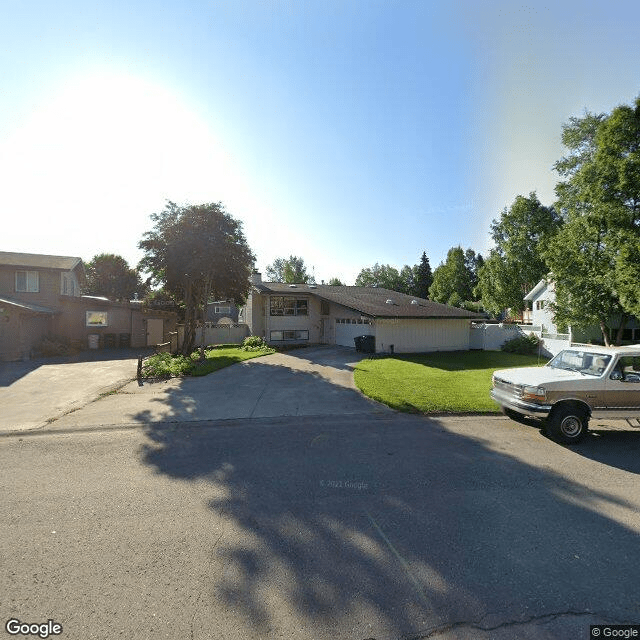
3315 Vassar Dr, Anchorage, AK 99508
To contact a resident: (907) 272-8121
For more information about senior living options: (866) 208-4318
Overall Review of Carenet Assisted Living
Pros
 The home is beautiful.
- The owner is awesome.
- Menime is the most compassionate caretaker in the world.
- She genuinely does everything in her power to ensure her residents enjoy every single day.
- It is a loving family-owned business that genuinely cares for its clients hands-on.
- The employees are dedicated and very knowledgeable.
- The staff are very dependable.
- The owners are trustworthy.
- Loved ones will be thoroughly cared for here.
Review
Carenet Assisted Living in Anchorage is best suited for seniors who want a warm, intimate home atmosphere where leadership is visibly engaged and care feels personal. This community excels when families seek a small, family-owned setting that prioritizes daily life and the relationships that come with it. The home-like environment, described as beautiful, pairs with an owner-operator model that keeps caregiving hands-on and highly attentive. For residents who value consistency, emotional warmth, and a sense of belonging, Carenet delivers care that feels tailored and genuine rather than scripted. In short, it is a strong match for those who prioritize daily quality of life and direct access to the people responsible for that life.
That said, not every senior will be the ideal fit. Families with residents who require advanced medical oversight, complex memory care, or a wide spectrum of on-site therapeutic services may want to consider alternatives. Larger assisted living campuses or dedicated memory care facilities often provide more extensive medical staffing, broader programming, and a deeper bench of specialized services. If the priority is a highly structured medical regime, automatic access to diverse therapies, or a formalized care continuum, the smaller operation may feel limiting. In such cases, a bigger community with built-in medical infrastructure could reduce the need to coordinate care across independent providers.
The standout strengths center on the human touch. The home’s beauty is not just aesthetic; it signals a welcoming, comfortable living space where residents can settle into routine without institutional rigidity. The owner, described as profoundly compassionate, helps create an environment where daily enjoyment and safety are interconnected. The staff are characterized as dedicated, knowledgeable, and dependable, delivering hands-on care and steady oversight. This translates into tangible outcomes: residents who look forward to each day, staff who anticipate needs, and families who gain confidence from consistent, trustworthy interactions with leadership and caregivers. For families, that combination often lowers stress about care decisions and enhances peace of mind.
These strengths offset potential gaps typical of smaller, family-owned settings by enabling a responsive, relationship-driven model. With fewer layers of administration, residents experience quicker adjustments to routines and a more flexible approach to daily activities. The intimate size encourages ongoing conversations between families and caregivers, making it easier to align care with personal preferences, mealtime wishes, and personal histories. The trade-off, potentially fewer on-site resources or a more limited scope of medical services, is mitigated by a culture of close collaboration among owners, staff, and families. In this framework, the trustworthiness of the leadership becomes the core compensator for the absence of a large, formal corporate support structure.
For families considering next steps, the practical tests matter. Tour the home and observe how staff interact with residents; ask about staffing ratios during different shifts, the routine for medical emergencies, and how care plans are developed and revised. Assess the availability of enrichment activities that align with the resident’s interests, and inquire about coordination with outside physicians or therapists. Clarify what medical support is available on-site and where residents would go for specialized care if needs escalate. Above all, measure how easy it feels to partner with the care team and to insert family input into daily life. These questions reveal whether the personal, hands-on advantage matches the resident’s current and anticipated needs.
In the end, Carenet Assisted Living stands out for families who prize a warm, people-forward atmosphere, where the home feels like a family extended by attentive caregivers and a trustworthy leadership core. It is a compelling choice for seniors who thrive on personalized interaction, predictable routines, and a strong sense of community embedded in daily life. For those whose expectations include broad medical coverage, advanced memory care options, or extensive on-site services, it pays to compare with larger facilities that explicitly advertise those capabilities. A thoughtful visit, guided by these criteria, will clarify whether Carenet is the best match or if alternatives better align with long-term care goals.
 Assisted Living
 Activities on-site
 Devotional services off-site
 Indoor common areas
 Ted Stevens Anchorage International (5 miles away)
 Ambulatory care
 Diabetic care
 Meals provided
 Comprehensive Supportive Living Arrangements for Adults with Disabilities
 Funding and Affording Assisted Living: A Thorough Overview
 Assisted Living Expenses and Long-Term Care Insurance: A Comprehensive Exploration