
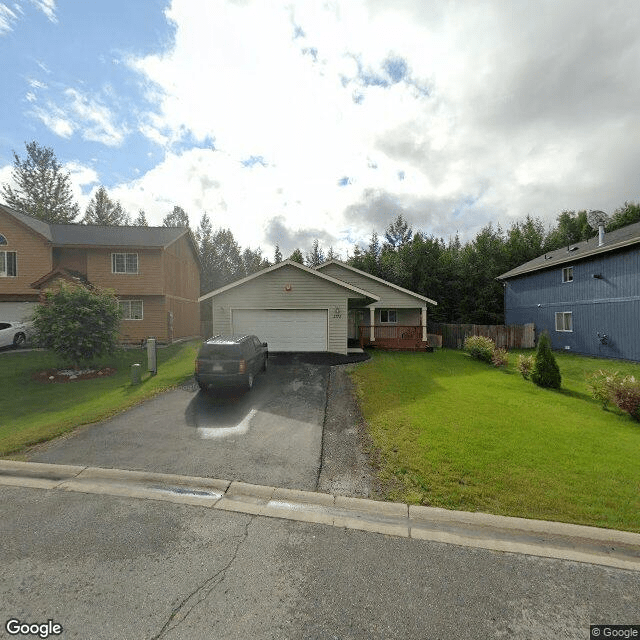
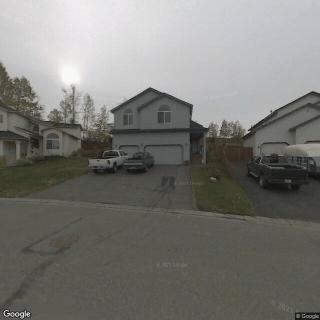
3773 Scenic View Drive, Anchorage, AK 99504
For more information about senior living options: (866) 208-4318
Precious Care Assisted Living Facility Costs & Pricing
At Precious Care Assisted Living Facility, the monthly cost for a private room is set at $6,000, which positions it above both the local Anchorage Municipality average of $4,831 and the broader state average in Alaska of $4,977. This premium reflects not only the quality of care and services provided but also the facility's commitment to creating a supportive environment tailored to individual needs. While the costs may be higher compared to nearby options, residents and their families can expect enhanced amenities and personalized attention that often justify the investment in their loved ones' well-being.
| Floor plans | Precious Care Assisted Living Facility | Anchorage Municipality | Alaska |
|---|---|---|---|
| Private | $6,000 | $4,831 | $4,977 |
Assisted Living communities with a similar price nearby
-
from -$1000 / mo
Jewel Lake Assisted Living Home
$5,000 / month8.0 miles away -
from +$500 / mo
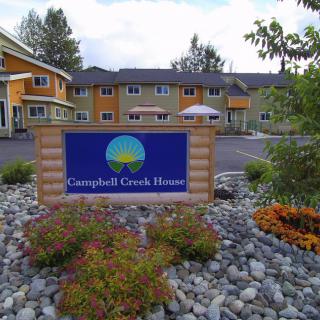
Campbell Creek House
$6,500 / month3.0 miles away -
from +$200 / mo
Aspen Creek
$6,200 to $7,500 / month3.9 miles away -
from +$295 / mo

Fitchetts Assisted Living
$6,295 to $11,395 / month0.7 miles away -
from -$1000 / mo
St Anne Assisted Living Home
$5,000 / month4.6 miles away
Overall Review of Precious Care Assisted Living Facility
Pros
 The staff were very attentive to her needs, kind and compassionate.
- They worked with her family to accommodate her food preferences.
- When additional nursing and other assistants were needed, the staff were very good about coordinating her care appropriately.
- The house itself is in a quiet, nice neighborhood and close to town.
- On the business end of things, they were easy to deal with and transparent.
Cons
 They are unprofessional.
- They are hostile and arrogant.
Review
Precious Care Assisted Living in Anchorage is best suited for families seeking a small, home-like environment where daily care feels personal and responsive. Frontline caregivers are described as attentive, kind, and capable of adapting routines to fit individual preferences, including meal choices and activity pacing. The care team appears to coordinate nursing and support services smoothly, a critical feature for residents who need regular monitoring without the feel of a sprawling institution. The house sits in a quiet, pleasant neighborhood and remains conveniently close to town, easing visits and errands for family members. On the business side, interactions with staff are portrayed as straightforward and transparent, an important factor when handling contracts, billing, and ongoing care decisions.
Yet there is a stark caveat. One reviewer characterizes the leadership as unprofessional, hostel-like in atmosphere, and arrogant, signaling a cultural mismatch that can color every family interaction and care decision. For families who prize steady, respectful governance and predictable administrative processes, this signals real risk. Those who expect a consistently formal tone from management, clear complaint protocols, and polished public-facing operations may wish to compare options where governance is more clearly structured and consistently courteous.
On the plus side, the strongest selling points revolve around everyday experience: compassionate staff who follow through, hands-on coordination of care when additional nursing support is needed, and a willingness to accommodate individual food preferences. The quiet, residential setting helps some residents settle in more easily than at larger campuses, and the location’s proximity to downtown makes outings and family visits straightforward. The ease of dealing with the facility on routine matters reduces friction during transitions or billing, contributing to a smoother overall experience for families navigating daily caregiving.
Nevertheless, the most meaningful concern from the available feedback is the perceived tone at the top. If management communicates in ways that feel disrespectful or arrogant, even excellent frontline care can be undermined. Families should weigh how leadership style might affect care planning, policy adherence, and responsiveness to concerns. In a setting where coordination with outside nursing or therapy services matters, any friction at the administrative level can slow decision-making or complicate care adjustments, which could pose real challenges for residents with complex needs.
That said, the positives can offset the concerns for many families. Where daily attentiveness and flexible care are non-negotiable, Precious Care delivers practical value. Transparent dealings with the business side help families feel informed and involved, and the intimate footprint of the house supports more personalized attention. The staff’s willingness to tailor plans to fit food preferences and routines translates into tangible quality-of-life benefits, particularly for residents who thrive on familiar patterns and individualized nourishment.
Bottom line: Precious Care Assisted Living is worth considering for families prioritizing hands-on, compassionate care in a quiet Anchorage setting who can tolerate or mitigate leadership-style concerns through thorough engagement and due diligence. For those who require a consistently polished governance culture and uniformly professional leadership, exploring other options with stronger management reputations is prudent. Prospective residents should tour with a focus on staffing patterns, how care plans are created and updated, and escalation paths for concerns, while also verifying references and reviewing sample contracts to gauge long-term fit.
 7 resident community capacity
 Assisted Living
 Board and Care Home
 Activities on-site
 Bath tubs
 Beautician on-site
 Cable or satellite TV
 Devotional services off-site
 Dining room
 Fully furnished
 Garden
 Housekeeping services
 Indoor common areas
 Move-in coordination
 Outdoor common areas
 Private
 Telephone
 Wheelchair accessible showers
 Wi-Fi/high-speed internet available
 Ted Stevens Anchorage International (9 miles away)
 24-hour supervision
 Ambulatory care
 Assistance with bathing
 Assistance with dressing
 Assistance with transfers
 Diabetes diet
 Diabetic care
 High acuity care
 Incontinence care
 Meal preparation and service
 Medication management
 Special dietary restrictions
 Transportation arrangement (medical)
 Transportation to doctors appointments
 Comprehensive Residential Support and Assisted Living Solutions for Individuals with Disabilities
 Comprehensive Supportive Living Arrangements for Adults with Disabilities
 Funding and Affording Assisted Living: A Thorough Overview