St. Anne Assisted Living Home offers competitive pricing for its services, with a monthly cost of $5,000 for both one-bedroom and private room accommodations. When we compare these rates to the broader market within the Anchorage Municipality and the state of Alaska, St. Anne's pricing aligns favorably. In Anchorage, the average cost for a one-bedroom unit stands at approximately $5,236, while private rooms are slightly lower at around $4,831. Meanwhile, statewide averages indicate a one-bedroom costs about $4,951 and private rooms hover around $4,977. This positioning suggests that St. Anne Assisted Living Home not only provides quality care but also represents a viable option for those seeking affordability within the local assisted living landscape.
Floor plans
St Anne Assisted Living Home
Anchorage Municipality
Alaska
1 Bedroom
$5,000
$5,236
$4,951
Private
$5,000
$4,831
$4,977
Memory care communities with a similar price nearby
Residents and families consistently describe the staff as compassionate and respectful.
Across the reviews, families repeatedly say caregivers treat residents with respect, kindness, and patience. Several mention feeling supported through difficult transitions, with an emphasis on communication and regular updates. Multiple reviewers also describe a warm, family-like atmosphere and that residents feel cared for day to day. A few reviews note areas that could be better, but even those comments still acknowledge that many workers try to help.
differentiator4 reviews mention this
Medication, providers, and transport
Residents receive hands-on coordination around health care needs and medications.
Several reviews describe the community working with primary care providers and managing medication so needs are met correctly. Families also mention help coordinating transportation for medical appointments, including dialysis trips. Others point to ongoing support when needs go beyond what a resident can manage independently, such as hospice-level needs and assistance with eating and comfort. This lines up with the care services the community offers for medication management, incontinence care, and coordination with health care providers.
common5 reviews mention this
Dining earns mostly positive notes
Dining is frequently described as a bright spot, with homemade meals standing out.
Many reviewers comment on food positively, including homemade meals and favorites like Ensure milkshakes. One longer review specifically mentions preparing meals around a renal diet. At the same time, one review offers a negative take, saying the food felt unclear and didn’t meet expectations. Overall, dining feedback is mostly favorable but not completely consistent.
common2 reviews mention this
Outdoor visiting feels practical
Outdoor areas make it easier for families to visit in comfort.
Some families describe a small yard area designed for visiting, including partitioned picnic seating and adjustments to make colder-weather visits more comfortable. Another reviewer mentions an easy path to watch the water and salmon when conditions are good. This matches the community’s focus on indoor and outdoor shared spaces for day-to-day life.
caveat3 reviews mention this
Staffing and communication can slip
A few reviews raise concerns about staffing levels and timely communication.
While most reviews are positive, some families say there weren’t enough staff on hand. Others mention communication problems, including no returned calls or messages. One reviewer also notes that training levels among some caregivers varied, even while describing the overall care as compassionate. Taken together, residents and families don’t agree on how reliably communication and coverage run day to day.
How we summarize
Counts show how many written reviews mention each theme; a review can touch several themes, and only frequently mentioned themes are displayed.
Features
Housing
4 resident community capacity
Types of Care
Assisted Living
Board and Care Home
Memory Care
Amenities
Activities off-site
Activities on-site
Cable or satellite TV
Devotional services off-site
Devotional services on-site
Dining room
Fully furnished
Garden
Housekeeping services
Indoor common areas
Move-in coordination
Outdoor common areas
Outdoor space
Private
Private bathrooms
Respite or short term stays offered
Telephone
Wheelchair accessible showers
Wi-Fi/high-speed internet available
Transportation
Ted Stevens Anchorage International (6 miles away)
Care Services
24-hour supervision
Activities of daily living assistance
Ambulatory care
Assistance with bathing
Assistance with dressing
Assistance with transfers
Coordination with health care providers
Diabetes diet
High acuity care
Incontinence care
Meal preparation and service
Medication management
Special dietary restrictions
Transportation arrangement (medical)
Transportation to doctors appointments
Dining
Diabetes diet
Kosher
Meals provided
Special dietary restrictions
Vegetarian
Activities
Activities off-site
Activities on-site
Community-sponsored activities
Devotional activities offsite
Devotional activities on-site
Scheduled daily activities
Nearby Places of Interest
This part of Anchorage, Alaska boasts a variety of healthcare options in close proximity, including Hillside Family Medicine and Independence Park Medical Services for primary care needs, as well as pharmacies such as Walgreens and Carrs Pharmacy for medication management. The area is also equipped with reputable hospitals like Providence Alaska Medical Center and Alaska Native Medical Center for specialized care. In terms of dining options, residents can enjoy a mix of fast-food chains like Taco Bell and McDonald's, as well as sit-down restaurants like 907 Alehouse & Grill and Carlos Mexican Restaurant. Places of worship such as Holy Transfiguration Greek Orthodox Church provide spiritual support, while cafes like South Restaurant + Coffeehouse offer a cozy atmosphere to relax. Overall, this neighborhood presents a convenient and diverse array of services for seniors considering living in the area.
Physicians
Hillside Family Medince (0.2 miles)
Independence Park Medical Services (0.4 miles)
Anchorage Oral Maxillofacial (0.5 miles)
Anchorage Oral and Maxillofacial Surgery (0.5 miles)
Alaska Neurology Center (1.1 miles)
Stanton Optical (1.1 miles)
Alaska Hearing & Tinnitus Center (1.2 miles)
Pharmacies
Walgreens (0.2 miles)
Carrs Pharmacy (0.5 miles)
Walmart Pharmacy (0.7 miles)
CVS Pharmacy (1.8 miles)
Walgreens (2.2 miles)
Fred Meyer Pharmacy (3 miles)
Walgreens (3 miles)
Hospitals
Koropp, Michael DDS (0.5 miles)
Providence Alaska Medical Center (3.1 miles)
Providence Alaska Medical Center (3.1 miles)
St. Elias Specialty Hospital Wound Care (3.1 miles)
Concentra Urgent Care (3.1 miles)
ANMC Fireweed Building (3.2 miles)
Alaska Native Medical Center (3.3 miles)
Restaurants
Taco Bell (1.1 miles)
McDonald's (1.1 miles)
Raising Cane's Chicken Fingers (1.3 miles)
907 Alehouse & Grill (1.3 miles)
Yogurt Lounge (1.6 miles)
IHOP (1.7 miles)
Carlos Mexican Restaurant (1.8 miles)
Places of Worship
Holy Transfiguration Greek Orthodox Church (1.1 miles)
St. Anne Assisted Living Home offers competitive pricing for its services, with a monthly cost of $5,000 for both one-bedroom and private room accommodations. When we compare these rates to the broader market within the Anchorage Municipality and the state of Alaska, St. Anne's pricing aligns favorably. In Anchorage, the average cost for a one-bedroom unit stands at approximately $5,236, while private rooms are slightly lower at around $4,831. Meanwhile, statewide averages indicate a one-bedroom costs about $4,951 and private rooms hover around $4,977. This positioning suggests that St. Anne Assisted Living Home not only provides quality care but also represents a viable option for those seeking affordability within the local assisted living landscape.
St Anne Assisted Living Home's comprehensive range of features significantly enhances the well-being of residents with memory care needs. The 24-hour supervision ensures that trained staff are always available to provide immediate assistance and support, fostering a safe environment. Assistance with activities of daily living, such as bathing and dressing, helps maintain dignity while promoting personal hygiene and self-esteem. Transferring assistance addresses mobility challenges, reducing the risk of falls while encouraging independence when possible. Coordination with health care providers enables personalized medical care tailored to individual needs, while incontinence care preserves comfort and privacy. Meal preparation and service cater to nutritional requirements, ensuring residents receive balanced diets that can aid cognitive function. Medication management prevents potential errors by ensuring timely administration of prescriptions, and transportation arrangements facilitate access to necessary medical appointments, further supporting residents' overall health and well-being. Together, these features create an environment conducive to quality memory care and enhance the quality of life for individuals facing dementia or Alzheimer's disease.
Nearby Communities
True Love Too Alh
Anchorage, AK
Small, intimate board-and-care with personalized attention and comprehensive ADL support.
Hope Seal Point
Anchorage, AK
24/7 supervision with ADL support and medical transportation; diabetes-friendly dining in a home-like setting.
Immaculate Concepcion Home II
Anchorage, AK
Small, personalized care with comprehensive services in a cozy setting.
Aphrodite Assisted Living
Anchorage, AK
Small, supportive board-and-care with meals, 24-hour supervision, and daily activities.
Alaska Premier Assisted Living A
Anchorage, AK
4 from 4 reviews
Fully furnished accommodations with 24/7 supervision, ADL support, meals with dietary options, housekeeping, and care coordination in an intimate setting.
TheKey of Anchorage, AK
Anchorage, AK
4.4 from 29 reviews
Great access to healthcare, pharmacies, dining, and nearby amenities.
Aspen Creek
Anchorage, AK
4.7 from 64 reviews
$6,200 to $7,500 / month
Friendly, attentive staff in a beautiful, well-maintained facility with engaging activities.
Dementia often results in disrupted sleep patterns, leading to excessive daytime sleeping due to factors like brain damage affecting circadian rhythms, medication side effects, and lack of structure in daily activities. Caregivers must monitor these changes closely, as oversleeping can increase risks such as malnutrition or dehydration, and provide necessary support and routines to enhance patient engagement and well-being.
The transition from assisted living to skilled nursing care is often prompted by complex medical needs that assisted living cannot meet, with key indicators including frequent health declines, increased falls, severe memory issues, and caregiver burnout. Families should recognize these signs early to discuss options with healthcare providers and prepare for the emotional and logistical aspects of moving to a facility that offers comprehensive medical support.
Dementia is characterized by cognitive decline, with nutrition playing a vital role in brain health; while no specific diet can prevent or reverse it, a nutrient-dense diet rich in antioxidants and healthy fats may support cognitive function. The MIND diet, which emphasizes beneficial foods and limits processed items, along with proper hydration and individualized meal strategies, can enhance the well-being of dementia patients.
Get PricingAsk A QuestionSchedule A TourContact Senior Advisor
By clicking submit, you agree to our Partner's Terms of Use. You
also consent to receive calls and texts, which may be autodialed, from our Partner. Your consent is not a condition to
using our Partner's service. Please visit our Partner's Privacy Policy for information about their privacy practices.

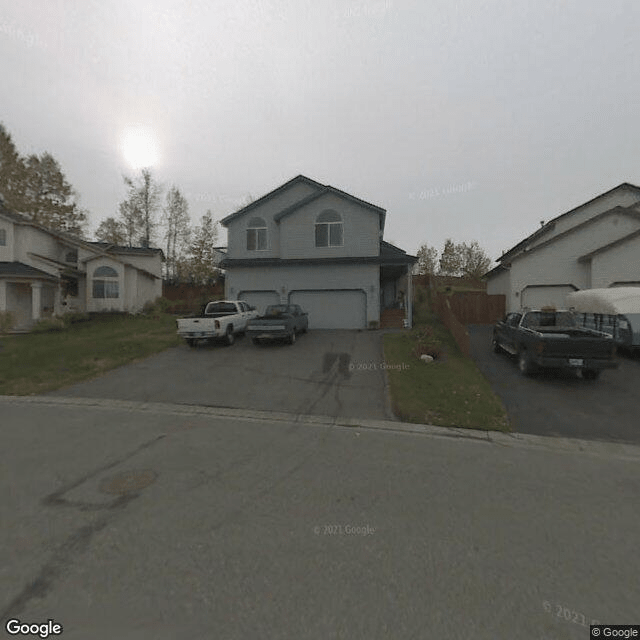

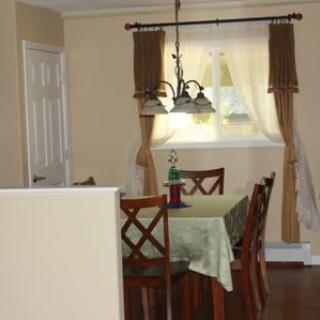

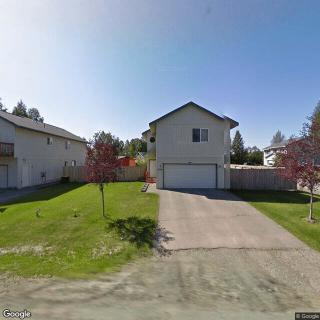
 4 resident community capacity
 Assisted Living
 Board and Care Home
 Memory Care
 Activities off-site
 Cable or satellite TV
 Devotional services off-site
 Dining room
 Fully furnished
 Garden
 Housekeeping services
 Indoor common areas
 Move-in coordination
 Outdoor common areas
 Private
 Private bathrooms
 Respite or short term stays offered
 Telephone
 Wheelchair accessible showers
 Wi-Fi/high-speed internet available
 Ted Stevens Anchorage International (6 miles away)
 24-hour supervision
 Ambulatory care
 Assistance with bathing
 Assistance with dressing
 Assistance with transfers
 Diabetes diet
 High acuity care
 Incontinence care
 Meal preparation and service
 Medication management
 Special dietary restrictions
 Transportation arrangement (medical)
 Transportation to doctors appointments
 Small, intimate board-and-care with personalized attention and comprehensive ADL support.
 Why Do Dementia Patients Sleep So Much? Understanding Oversleeping, Stages, and Care Approaches
 8 Key Indicators That Suggest It May Be Time to Transition from Assisted Living to Skilled Nursing Care
 Nourishing the Mind: Essential Dietary Approaches for Dementia