
8481 Ridgeway Avenue, Anchorage, AK 99504
For more information about senior living options: (866) 208-4318

Fitchetts Assisted Living Costs & Pricing
Fitchetts Assisted Living offers various room types at competitive prices within the Anchorage Municipality and the broader state of Alaska. For a one-bedroom unit, residents can expect to pay $6,295 per month, which is notably higher than the local average of $5,236 and the state average of $4,951. Those opting for a studio will find the cost at Fitchetts to be $6,595 - a significant premium over both the municipality's rate of $4,599 and the state's $4,197. Additionally, for those requiring more space, the two-bedroom option is priced at $11,395, starkly contrasting with local and state averages of $5,196 and $4,689 respectively. These figures indicate that while Fitchetts Assisted Living provides quality care and amenities that may justify their pricing structure, potential residents should weigh these costs against other options available in the region.
| Floor plans | Fitchetts Assisted Living | Anchorage Municipality | Alaska |
|---|---|---|---|
| 1 Bedroom | $6,295 | $5,236 | $4,951 |
| Studio | $6,595 | $4,599 | $4,197 |
| 2 Bedrooms | $11,395 | $5,196 | $4,689 |
Assisted Living communities with a similar price nearby
-
from +$205 / mo
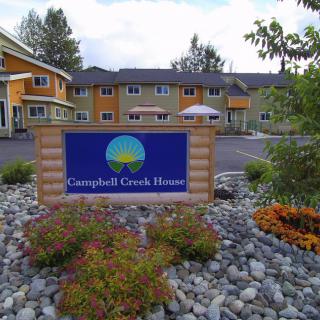
Campbell Creek House
$6,500 / month3.5 miles away -
About the same
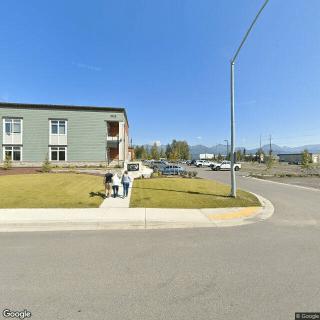
Aspen Creek
$6,200 to $7,500 / month4.5 miles away -
from -$479 / mo

Arc Wesleyan
$5,816 to $7,560 / month2.3 miles away -
from -$295 / mo
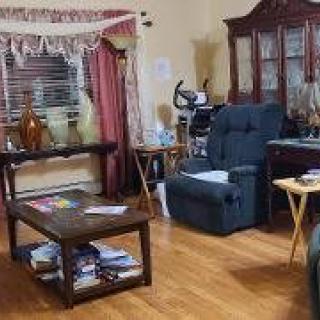
Rabe Assisted Living Home
$6,000 to $6,500 / month6.0 miles away -
from -$295 / mo
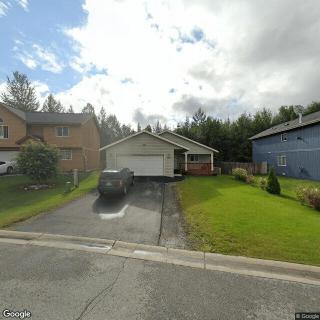
Precious Care Assisted Living Facility
$6,000 / month0.7 miles away
Overall Review of Fitchetts Assisted Living
Pros
 The staff are hardworking, friendly, and genuinely care about the residents.
- Baxter Senior Living is described as a community, not an institution.
- The management fosters a warm, compassionate, supportive environment.
- Families feel reassured by the kindness, respect, and consistent care shown to residents.
- The facility is clean, well-maintained, with appealing meals and thoughtful amenities.
- Residents enjoy a thriving social life with engaging activities and opportunities to connect.
- The overall experience brings happiness, security, and peace of mind to families.
Review
This community is best suited for families seeking a warm, socially vibrant environment where a loved one can transition from assisted living into memory care without losing a sense of home. It works well for seniors who value real participation, daily activities, prepared meals, and a strong, caring staff that treats residents like neighbors rather than numbers. The model shown in the reviews emphasizes a seamless blend of independence, social life, and support, with options like first‑floor rooms and convenient dining access. For families navigating memory‑care needs, the ability for residents and even volunteers from one level to contribute across the community signals a durable, interwoven culture that can keep a person engaged and respected as needs evolve.
Those who may want to consider alternatives include families with higher medical acuity requiring substantial on‑site nursing or skilled clinical care beyond what an assisted‑living footprint typically provides. If a very quiet, highly private setting is preferred, or if a campus with a more clinical, hospital‑like atmosphere is desired, other options could be a better fit. Costs and location are also critical levers; if travel distance or expense strain budgets, exploring nearby options with lower rates or different benefit structures may be prudent. In short, for families seeking a lively, family‑style atmosphere with strong social programming, this model shines; for those prioritizing highly specialized medical engineering or isolation from the social rhythm, alternatives deserve consideration.
The strongest pros center on staff attitude and the community’s culture. The reviews repeatedly highlight hard‑working, friendly caregivers and management that treats residents with genuine respect. A sense of family permeates, with memory‑care residents benefiting from cross‑pollination with assisted‑living peers, and even volunteers from one side participating in the other. Cleanliness, attention to detail, well‑balanced menus, timely issue resolution, and robust resident engagement create a reliable foundation for daily life. The combination of a supportive leadership team, a welcoming atmosphere, and a concrete focus on meals, safety, and social activities translates into a living environment that feels protective, dignified, and genuinely cheerful.
There are relatively few explicit downsides in the reviews, but prudent families should still probe potential gaps. The presence of a single one‑star rating among thirteen glowing testimonials suggests that no operation is perfect and that experiences can vary. Prospective residents should confirm staff stability, care‑plan customization, and the availability and quality of memory‑care programming as needs progress. It’s also wise to verify room availability on desired floors, window views, proximity to dining and common areas, and the transparency of cost structures, including what is included in monthly rates versus add‑ons. These checks help ensure the strengths align with the specific care trajectory required.
When the positives are weighed against potential gaps, the advantages begin to dominate. A culture of compassion and active resident involvement reduces isolation and elevates daily life, while practical details, clean facilities, reliable meals, prompt maintenance, and visible staff investment, lower everyday stress for families and residents alike. The integration between assisted living and memory care offers a continuity of care that reduces upheaval during transitions, an especially meaningful factor for families watching a loved one’s needs evolve. In situations where safety, social fulfillment, and responsive, respectful care are nonnegotiable, the cons become manageable trade‑offs.
For families weighing a visit, the advised approach is clear: tour with a checklist aimed at memory‑care readiness and daily rhythm. Inquire about staff training and turnover, the cadence of activities, opportunities for resident leadership and volunteer participation, meal variety and dining options, and how care plans adapt as needs shift. Inspect room configurations, especially first‑floor availability and ease of access to dining and common spaces, and assess the campus’s cleanliness and safety features. Speak with current residents and families about their daily experiences and the immediacy of problem resolution. When Fitchetts aligns with these findings, it stands as a compelling choice for Anchorage families seeking a compassionate, connected home where care and community reinforce one another.
 3 resident community capacity
 Assisted Living
 Board and Care Home
 Cable or satellite TV
 Dining room
 Fully furnished
 Garden
 Housekeeping services
 Move-in coordination
 Outdoor space
 Telephone
 Wi-Fi/high-speed internet available
 Ted Stevens Anchorage International (9 miles away)
 24-hour supervision
 Activities of daily living assistance
 Assistance with bathing
 Assistance with dressing
 Assistance with transfers
 Diabetes diet
 Meal preparation and service
 Medication management
 Special dietary restrictions
 Transportation arrangement (medical)
 Transportation to doctors appointments
 Comprehensive Supportive Living Arrangements for Adults with Disabilities
 Funding and Affording Assisted Living: A Thorough Overview
 Assisted Living Expenses and Long-Term Care Insurance: A Comprehensive Exploration