Campbell Creek House offers competitive pricing for its accommodations, particularly when compared to the average costs within Anchorage Municipality and the state of Alaska. For all room types, including studios, one-bedrooms, and semi-private options, Campbell Creek House is priced at $6,500 per month. This figure stands in stark contrast to the local averages: studios are about $1,901 more than the Anchorage rate of $4,599 and significantly exceed the state average of $4,197. Similarly, both one-bedroom units and semi-private rooms at Campbell Creek House also reflect a premium over municipal averages - $1,264 above Anchorage's $5,236 for one-bedrooms and $2,499 above the semi-private rate of $4,001. This positioning may suggest that residents could expect enhanced amenities or services that justify these higher costs relative to both local and state benchmarks.
Floor plans
Campbell Creek House
Anchorage Municipality
Alaska
Studio
$6,500
$4,599
$4,197
1 Bedroom
$6,500
$5,236
$4,951
Semi-Private
$6,500
$4,001
$3,956
Memory care communities with a similar price nearby
Residents and families repeatedly describe caring, respectful support from the staff.
Many reviews focus on the way caregivers treat residents with dignity, patience, and compassion. Several families mention close communication and being kept informed, including help coordinating care with doctors and therapists. A number of reviewers also describe staff stepping in during difficult moments and even providing emotional support to families after a passing.
common6 reviews mention this
Dining is described as homemade
Meals, including homemade options, are frequently described positively.
Multiple reviewers say the food quality stood out, with some specifically calling out homemade meals served in a timely way. Others mention that meals were tailored to health needs, including renal diets. One negative review also mentions food quality concerns, though most comments on dining are positive.
differentiator4 reviews mention this
Memory care focuses on redirection
Residents with memory-related needs are described as supported with patience and redirection.
Reviews involving Alzheimer’s and dementia describe staff handling difficult moments with grace and using redirection rather than escalating care conflicts. Families also mention the staff coordinating with primary care and ensuring medication management is aligned with doctors and therapists. Several reviewers say their loved ones were treated with respect even when communication became harder.
caveat2 reviews mention this
Limited help and communication complaints
A small number of reviews raise concerns about staffing coverage or communication.
One reviewer says there were not enough staff available and that their experience was difficult. Another review simply complains about not getting callbacks or returned messages. Most other reviews describe the opposite experience, so these concerns appear in a minority of comments.
How we summarize
Counts show how many written reviews mention each theme; a review can touch several themes, and only frequently mentioned themes are displayed.
Features
Housing
40 resident community capacity
Types of Care
Assisted Living
Memory Care
Amenities
Activities on-site
Beauty salon
Cable or satellite TV
Devotional services off-site
Devotional services on-site
Dining room
Fully furnished
Garden
Ground floor units
Housekeeping services
Indoor common areas
Kitchenette
Move-in coordination
Outdoor common areas
Outdoor space
Respite or short term stays offered
Restaurant-style dining
Small library
Telephone
Wheelchair accessible showers
Wi-Fi/high-speed internet available
Transportation
Ted Stevens Anchorage International (6 miles away)
Care Services
24-hour call system
24-hour supervision
Activities of daily living assistance
Assistance with bathing
Assistance with dressing
Assistance with transfers
Diabetes diet
Diabetic care
Incontinence care
Meal preparation and service
Medication management
Mental wellness program
Special dietary restrictions
Dining
Anytime dining
Diabetes diet
International cuisine
Low / no sodium
Meals provided
No Sugar
Professional chef
Room service
Special dietary restrictions
Special dining programs
Vegan
Vegetarian
Activities
Brain fitness
Community-sponsored activities
Devotional activities offsite
Devotional activities on-site
Educational speakers / life long learning
Forever fit
Karaoke
Live musical performances
Other religious services
Resident-run activities
Scheduled daily activities
Stretching classes
Tai Chi
Yoga / chair yoga
Nearby Places of Interest
This area of Anchorage, Alaska offers a convenient and accessible location for senior living. With several restaurants within a short distance, including Wendy's, Taco Bell, and McDonald's, there are plenty of dining options nearby. Additionally, there are various healthcare providers in close proximity such as The Children's Clinic, Denali Ob-Gyn Clinic, and Providence Alaska Medical Center. Pharmacies like Walgreens and Lake Otis Pharmacy are also conveniently located for easy access to medication. For leisure activities, seniors can enjoy Castle Heights Park which is just 1.2 miles away or grab a cup of coffee at Starbucks or Arctic Grounds Coffee Company. Overall, this area provides a well-rounded community with essential amenities for seniors looking to settle down in Anchorage.
Restaurants
Wendy's (0.3 miles)
Taco Bell (0.4 miles)
McDonald's (0.4 miles)
New Peanut Farm (1.5 miles)
Village Inn (1.8 miles)
McDonald's (1.8 miles)
IHOP (1.8 miles)
Physicians
P C (0.3 miles)
The Children's Clinic (0.5 miles)
Denali Ob-Gyn Clinic (0.5 miles)
ENT Specialists of Alaska (0.6 miles)
Denali Cardiac & Thoracic Surgical Group (0.6 miles)
Seattle Children's Pediatric Cardiology of Alaska (0.6 miles)
Alaska Digestive and Liver Disease (0.6 miles)
Hospitals
Providence Alaska Medical Center (0.4 miles)
Providence Sleep Disorders Center (0.6 miles)
Concentra Urgent Care (0.7 miles)
The Children's Hospital at Providence Prenatal Unit (0.7 miles)
Providence Health & Services-Washington (0.8 miles)
Campbell Creek House offers competitive pricing for its accommodations, particularly when compared to the average costs within Anchorage Municipality and the state of Alaska. For all room types, including studios, one-bedrooms, and semi-private options, Campbell Creek House is priced at $6,500 per month. This figure stands in stark contrast to the local averages: studios are about $1,901 more than the Anchorage rate of $4,599 and significantly exceed the state average of $4,197. Similarly, both one-bedroom units and semi-private rooms at Campbell Creek House also reflect a premium over municipal averages - $1,264 above Anchorage's $5,236 for one-bedrooms and $2,499 above the semi-private rate of $4,001. This positioning may suggest that residents could expect enhanced amenities or services that justify these higher costs relative to both local and state benchmarks.
Campbell Creek House offers several vital features that enhance the quality of life for residents with dementia or Alzheimer's disease. Assistance with dressing and bathing helps individuals maintain personal hygiene and dignity, while medication management ensures they receive the correct doses at appropriate times, reducing the risk of confusion. Meal preparation and service cater to dietary needs and preferences, promoting nutritional well-being. Support with activities of daily living fosters independence and comfort within a structured environment. The provision of 24-hour supervision guarantees safety and immediate assistance when needed, alleviating concerns for both residents and their families. Engaging in a mental wellness program alongside brain fitness activities stimulates cognitive function, improving residents' overall mental health. Incontinence care also addresses this sensitive issue respectfully, allowing individuals to feel secure in their environment, ultimately creating a supportive atmosphere that prioritizes both physical needs and emotional wellness.
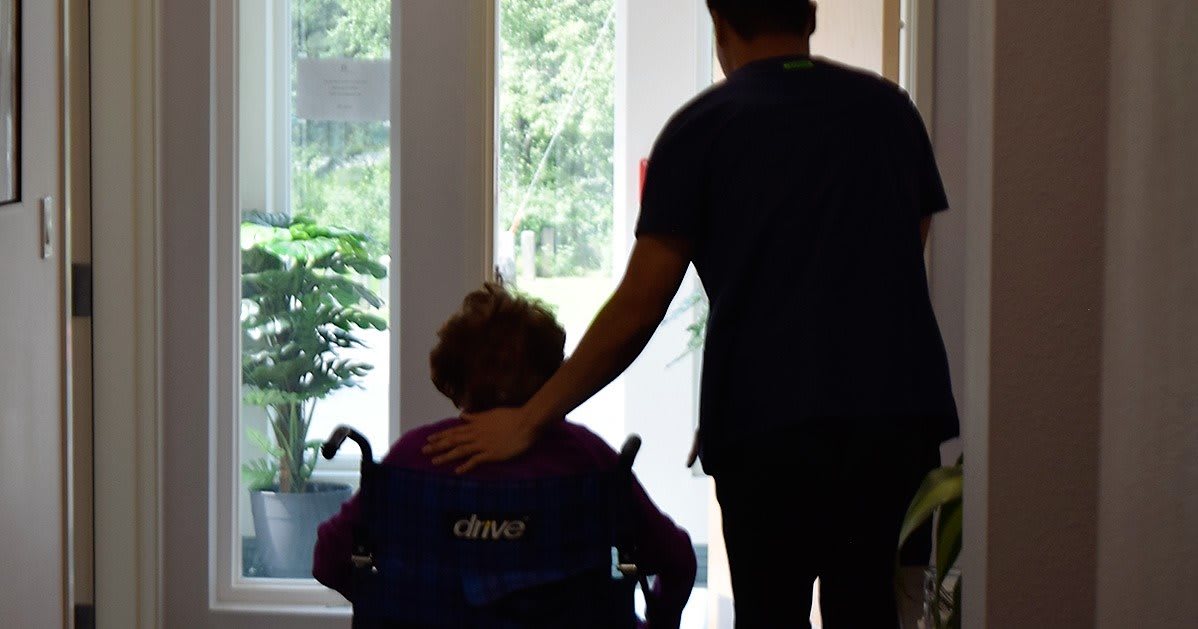
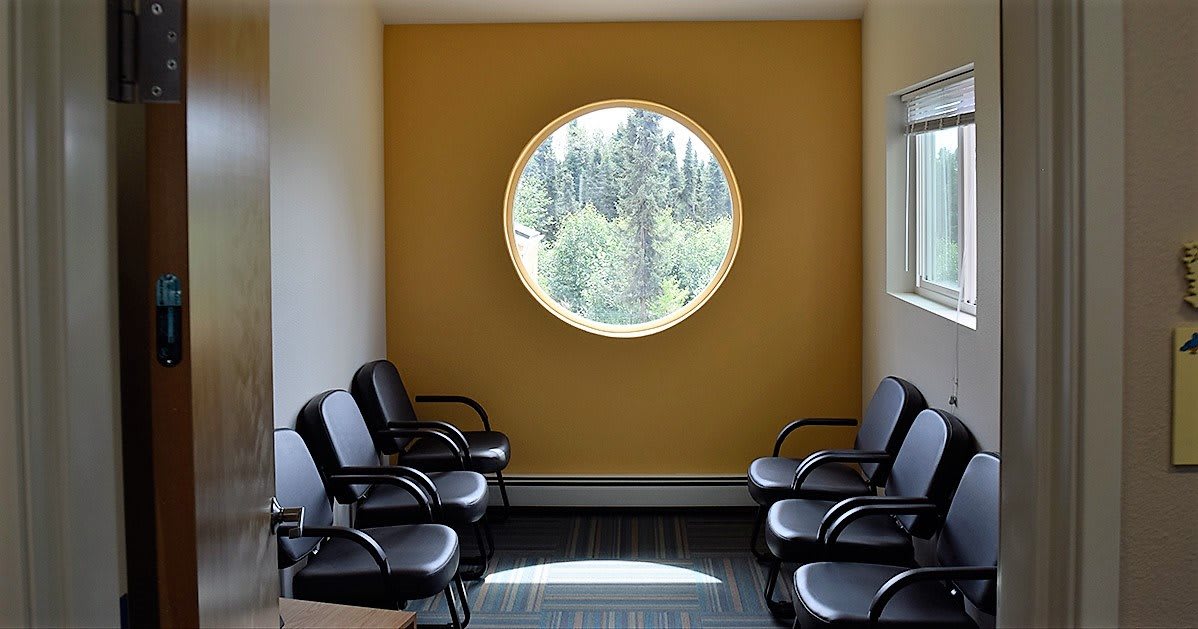
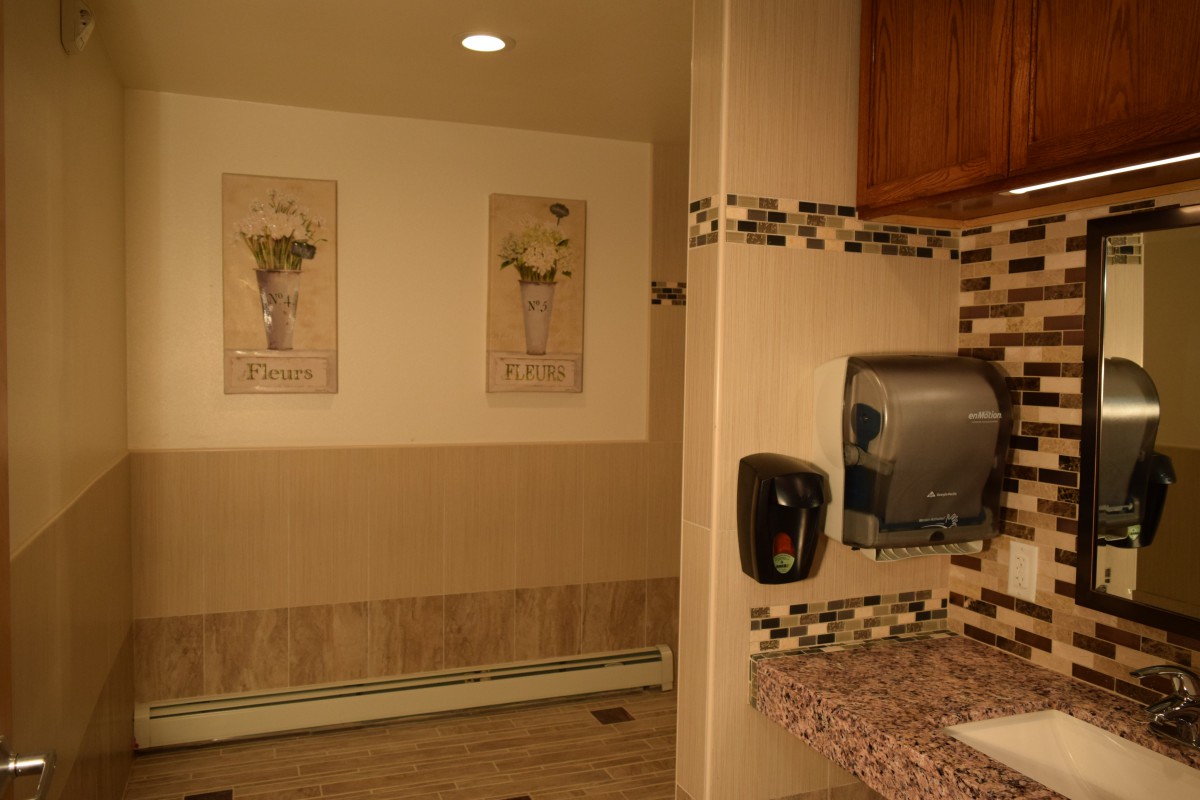
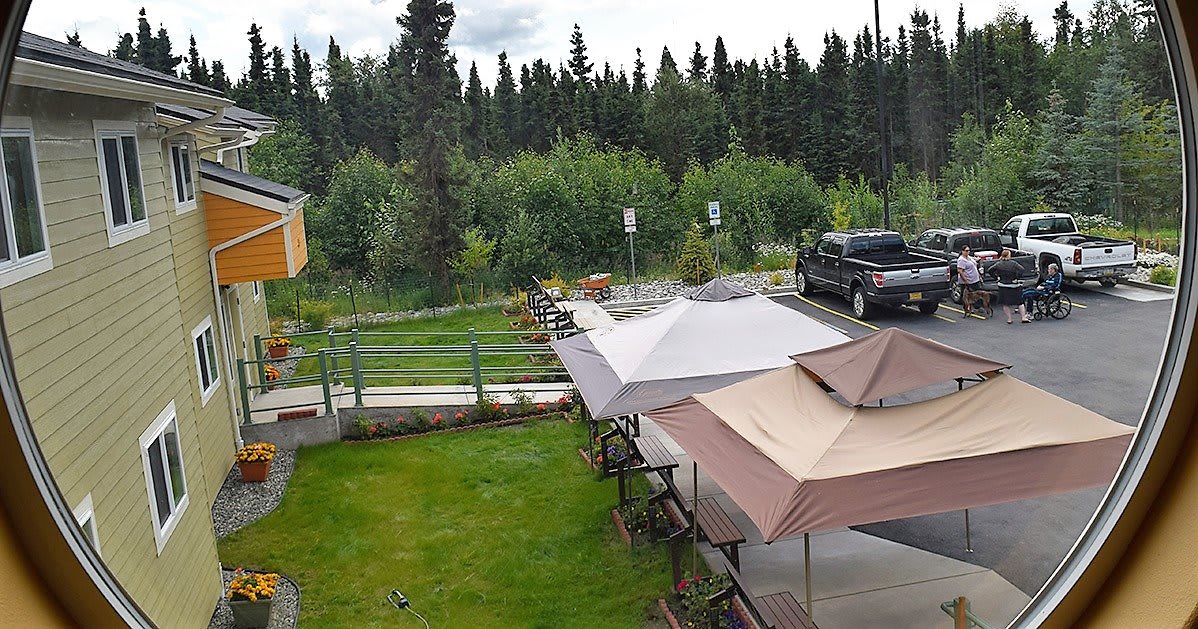
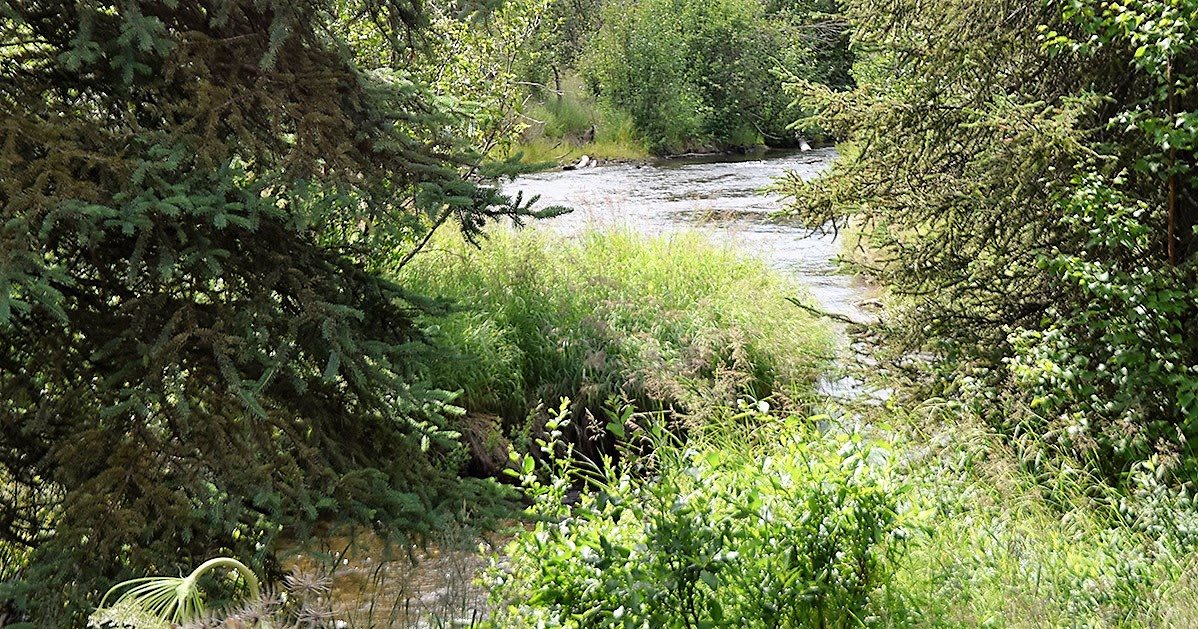
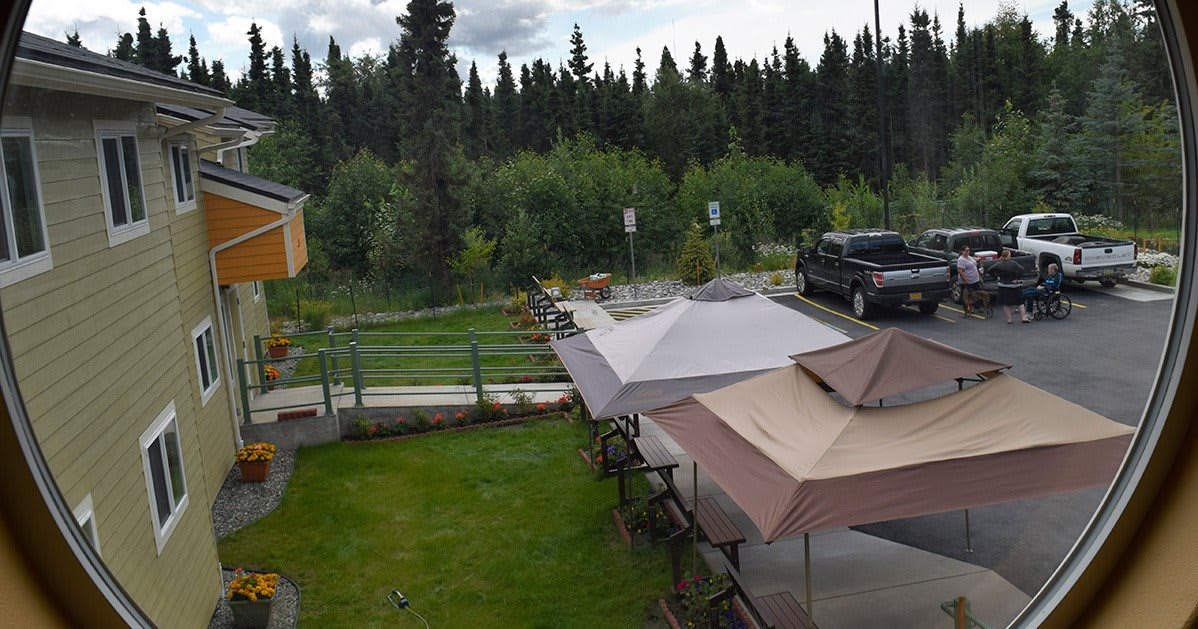
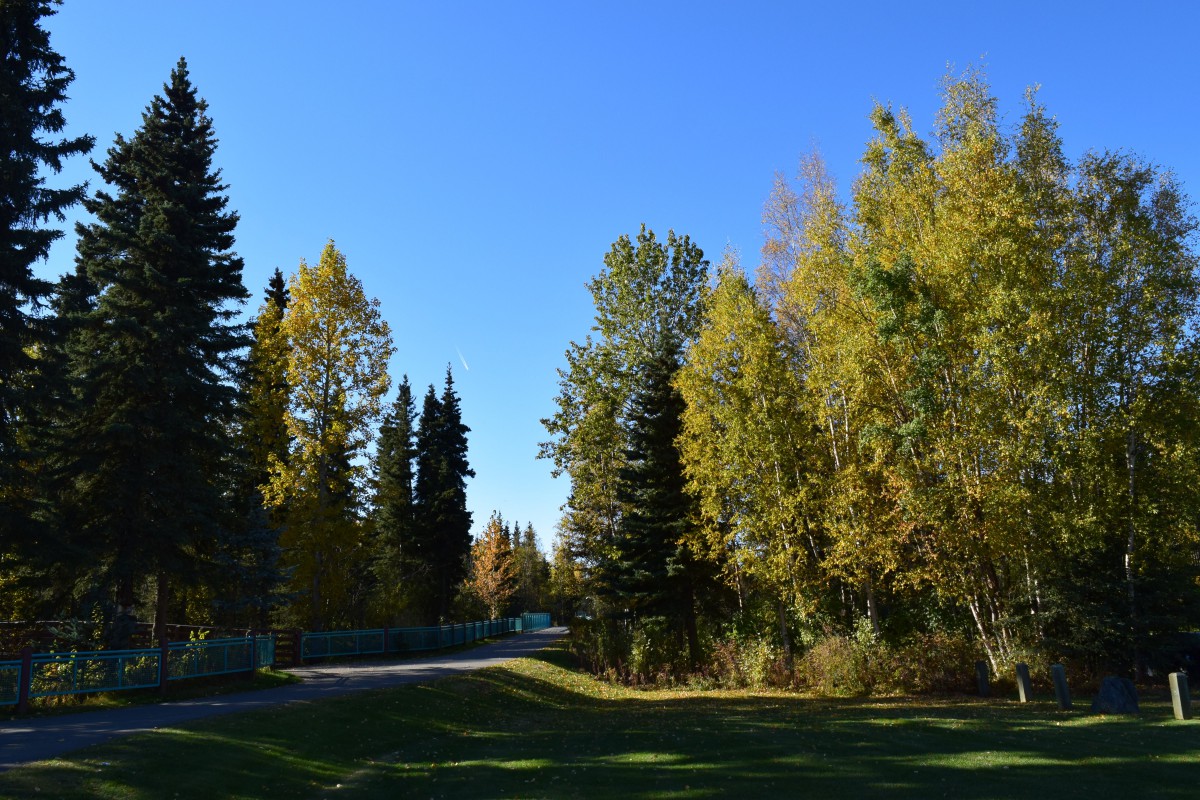
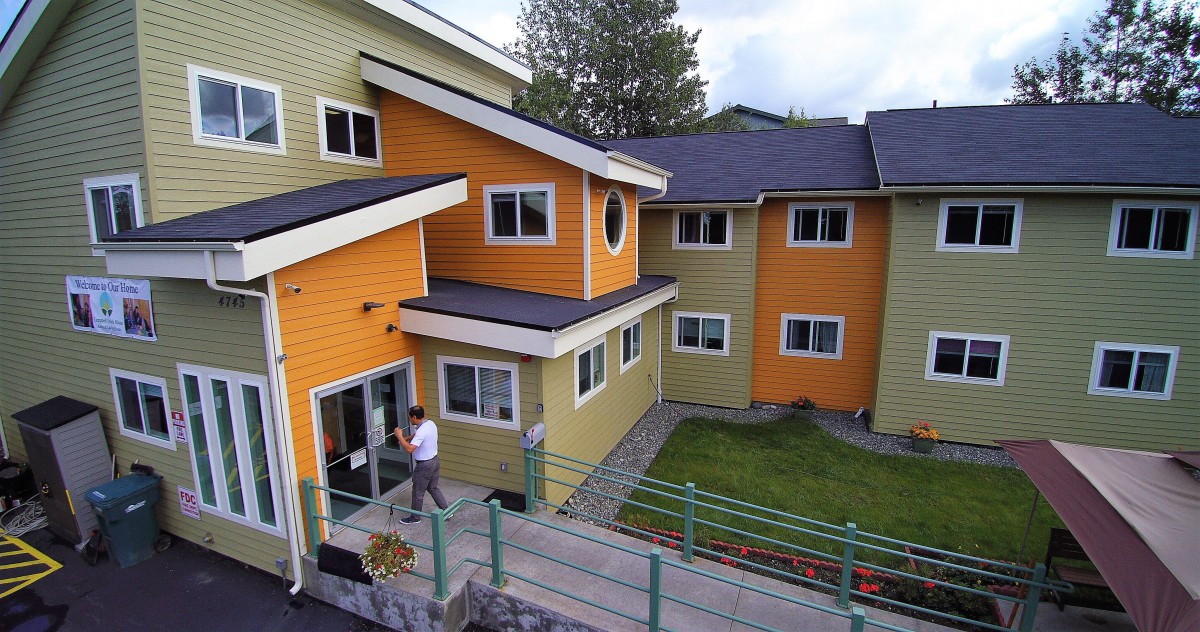
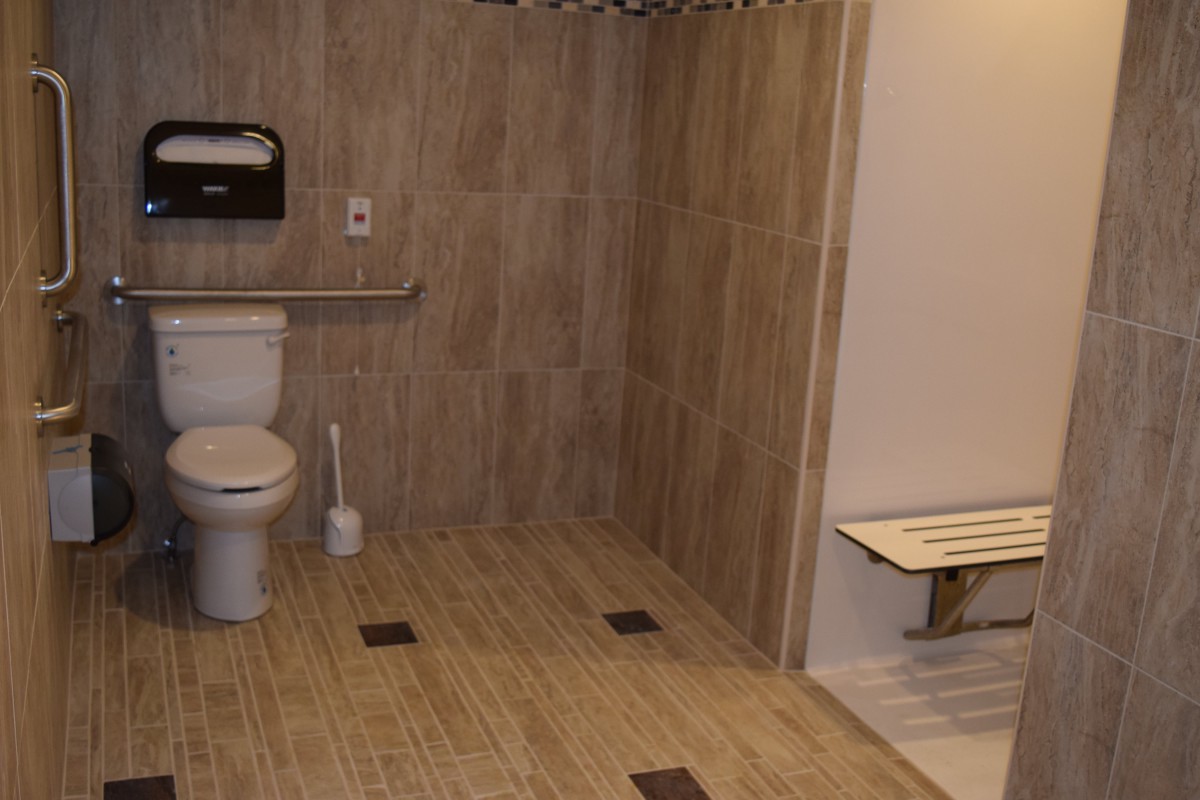
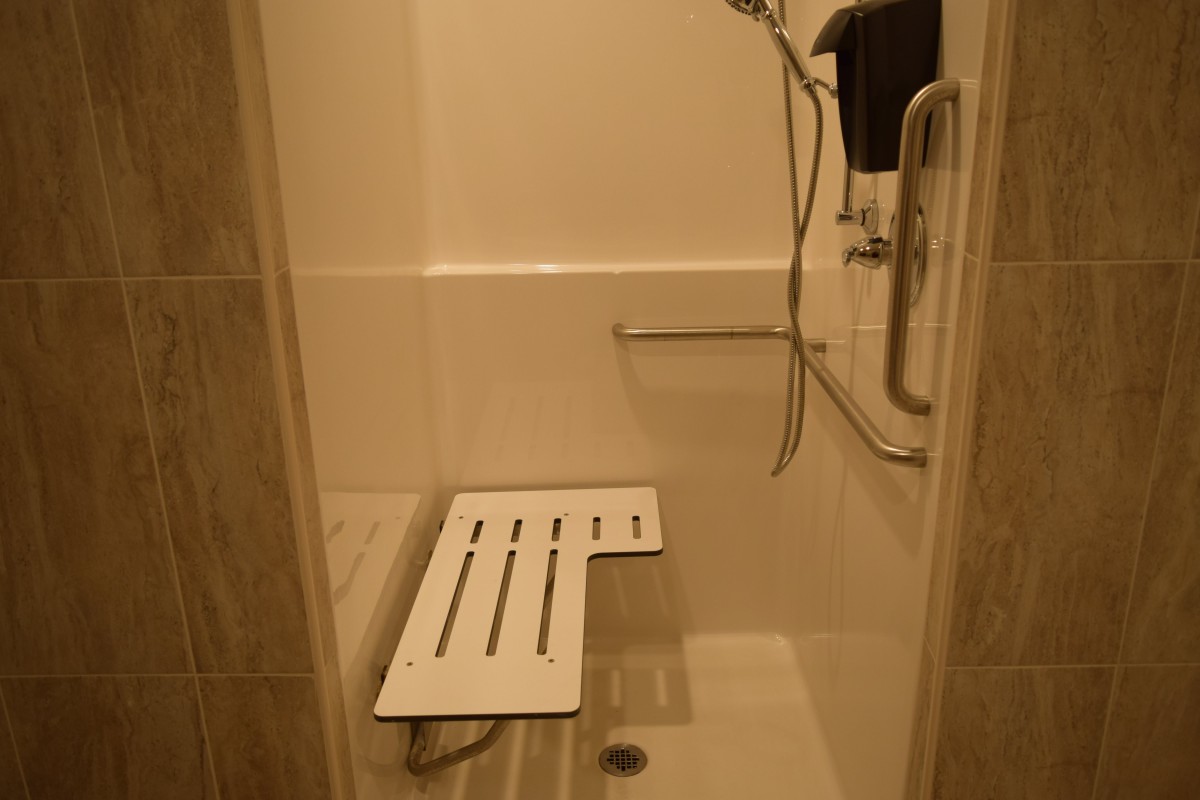
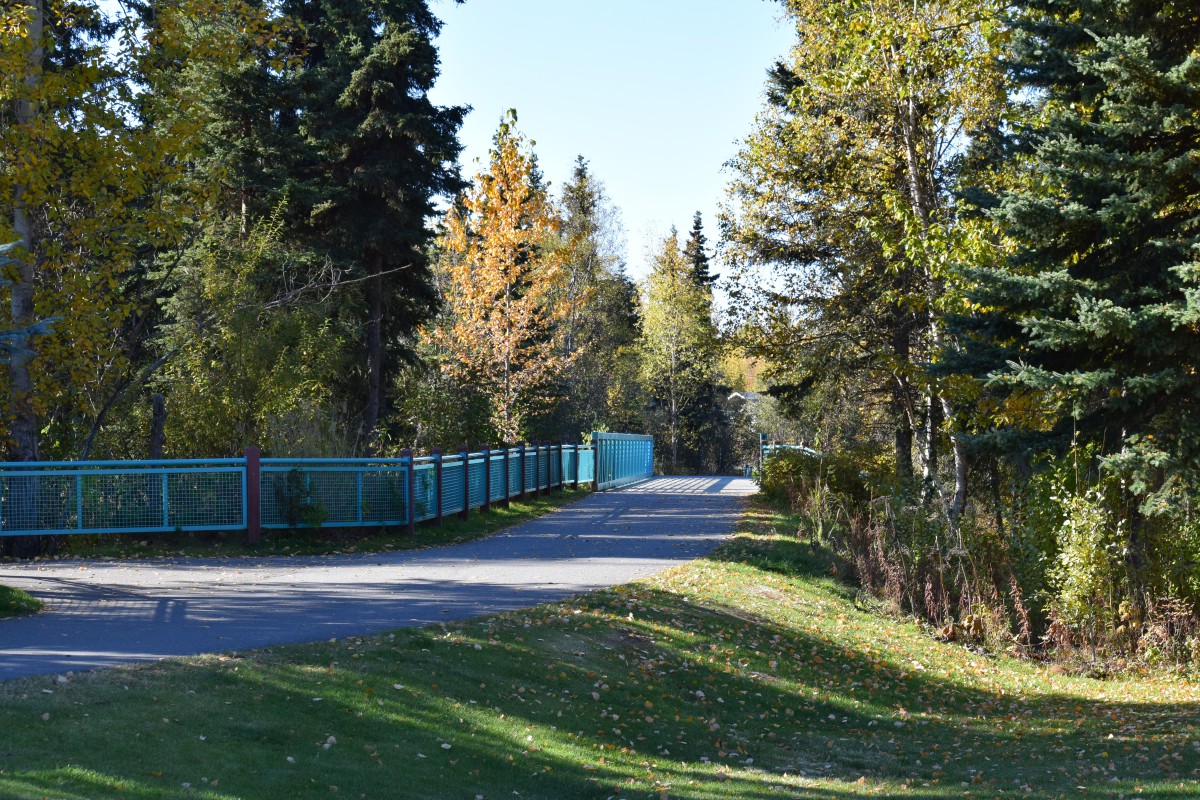
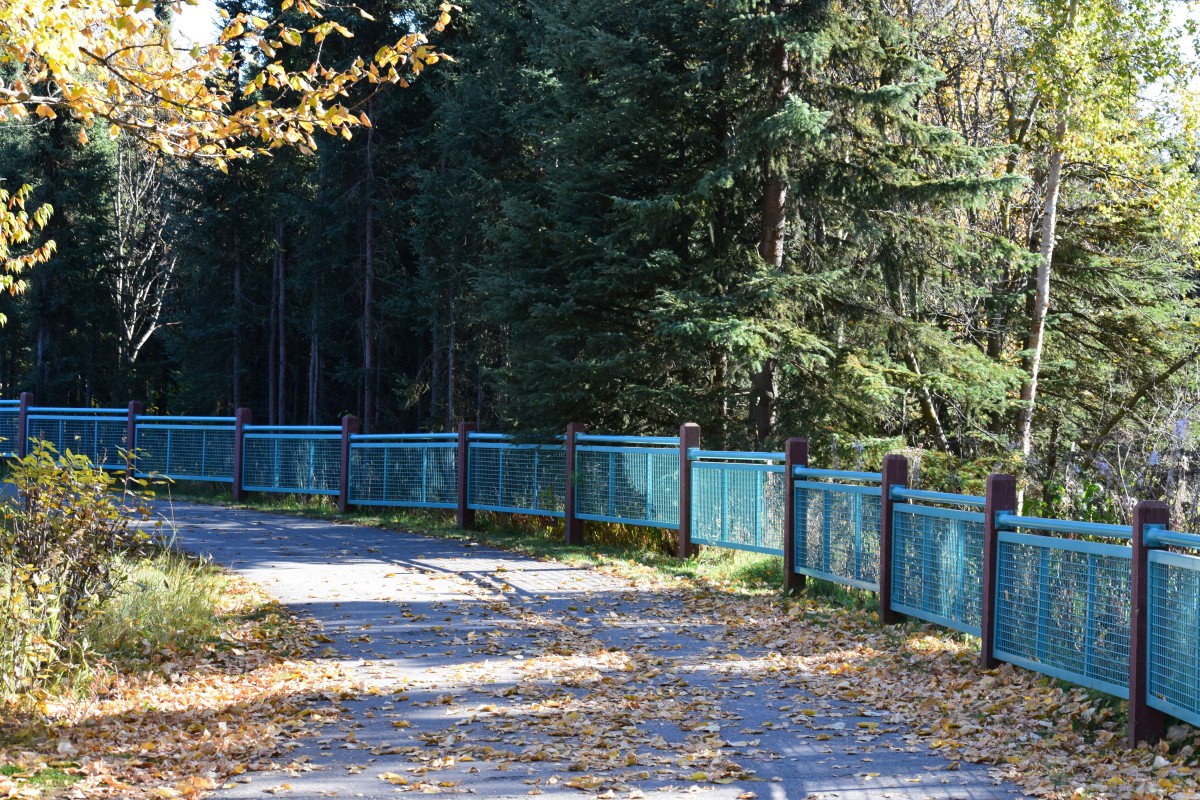
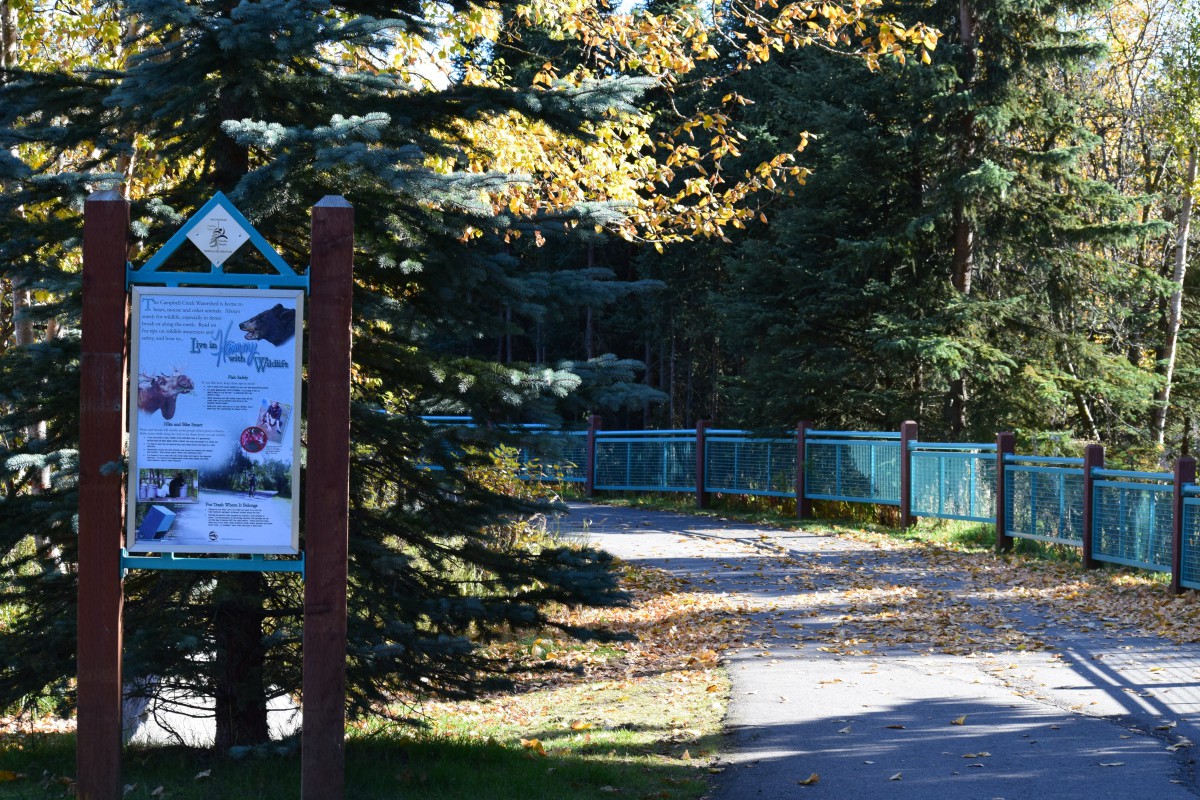
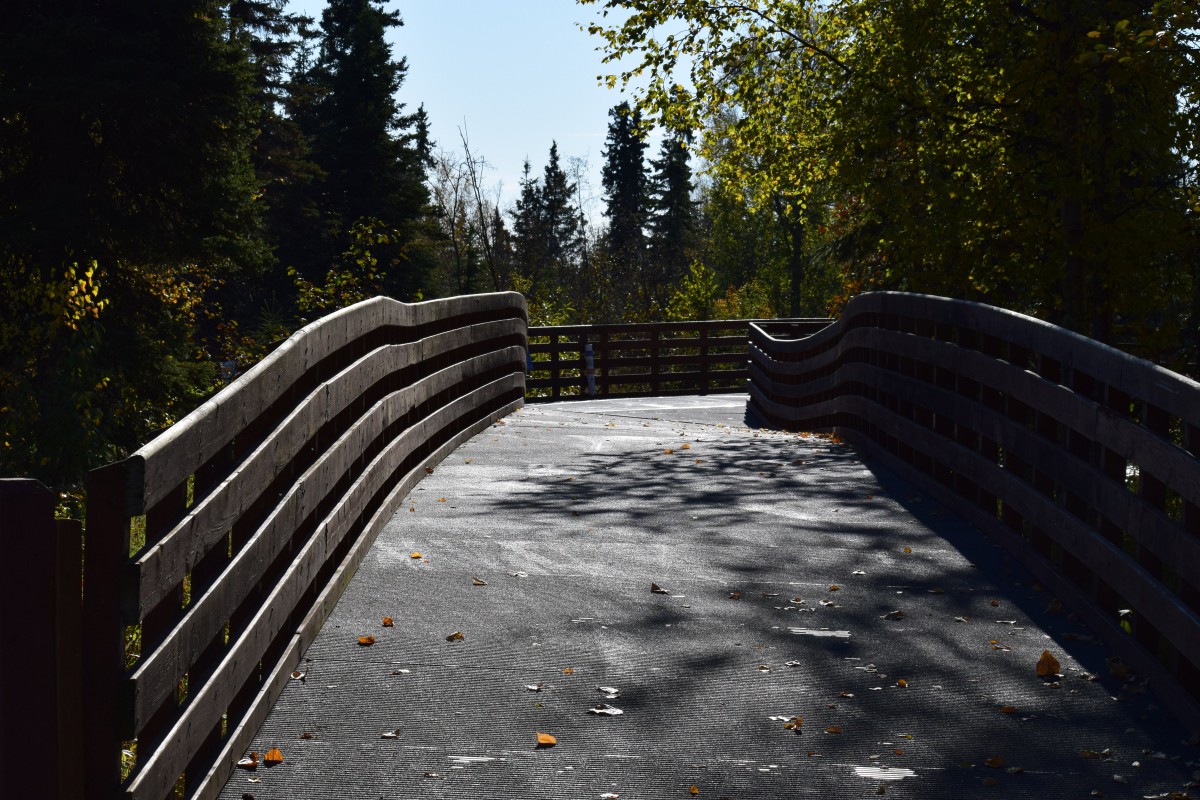
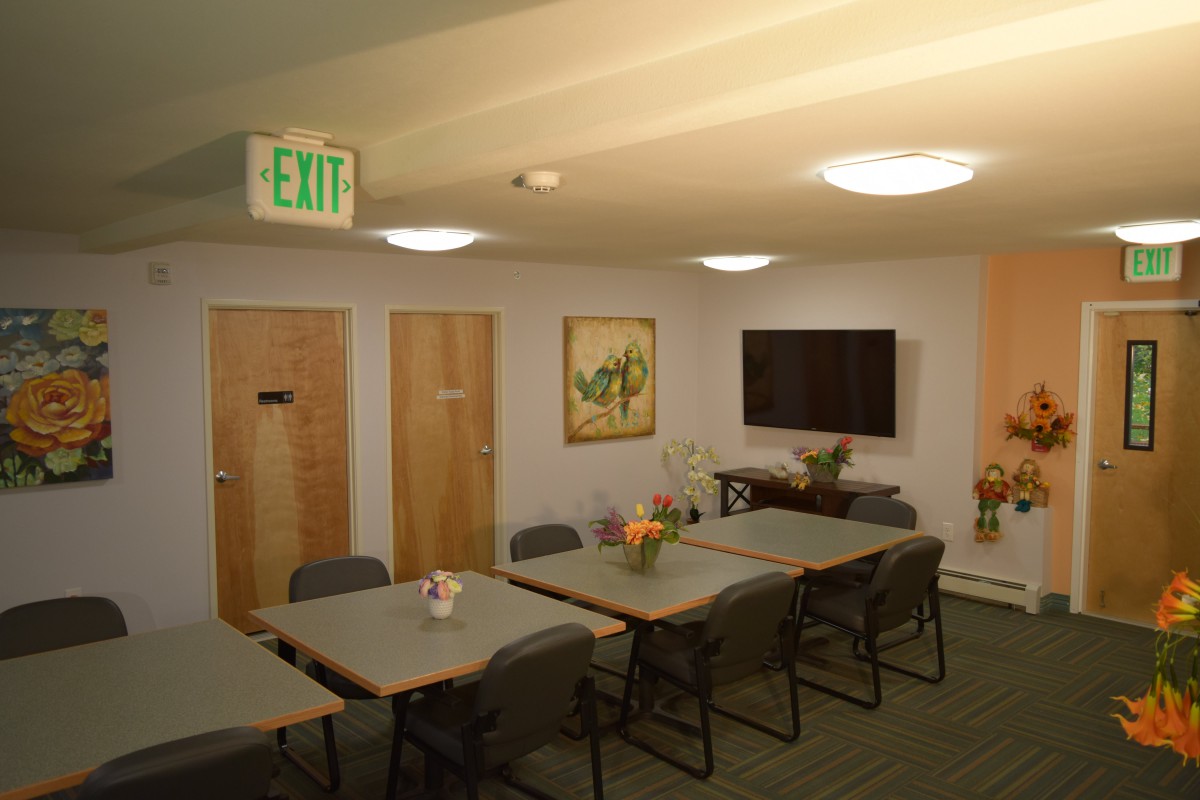
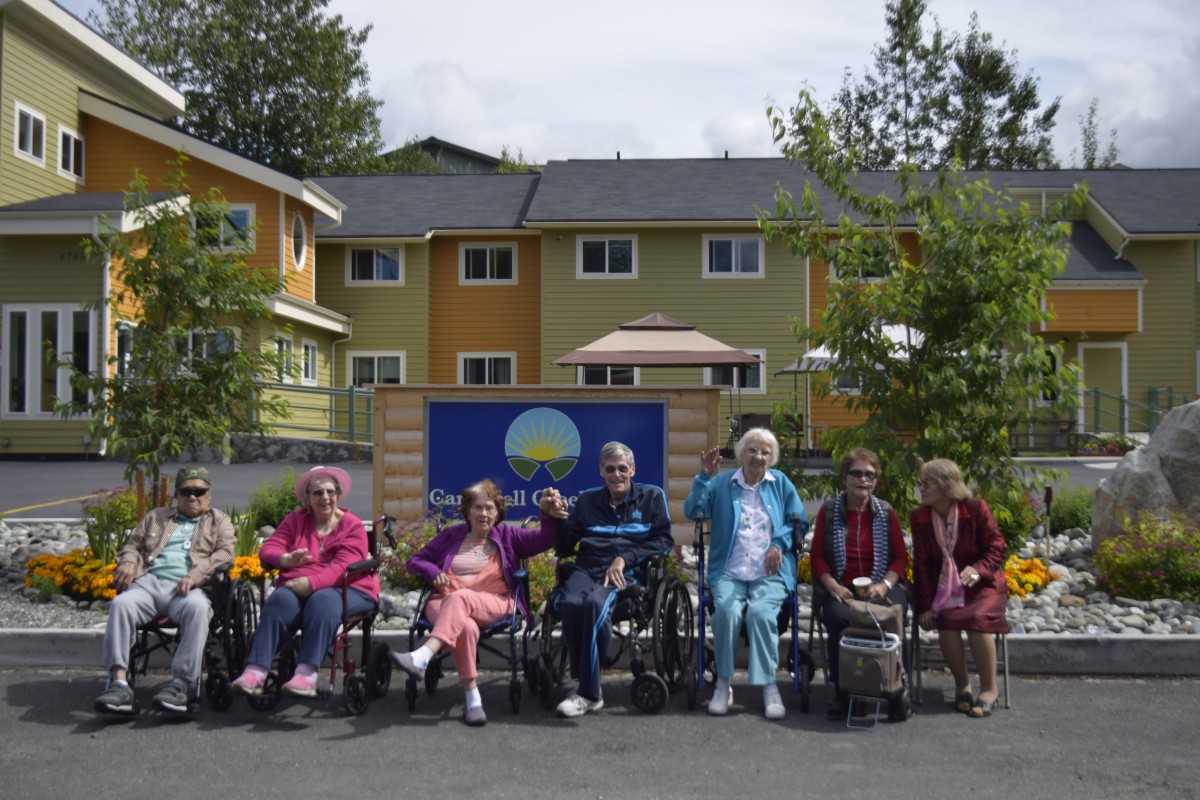
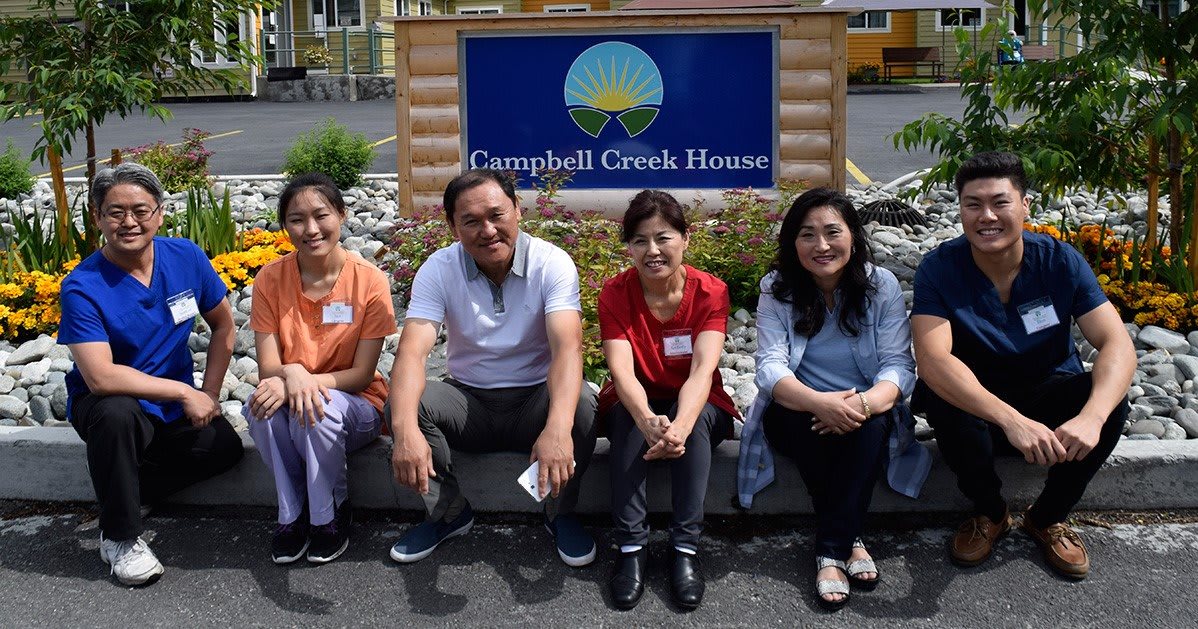
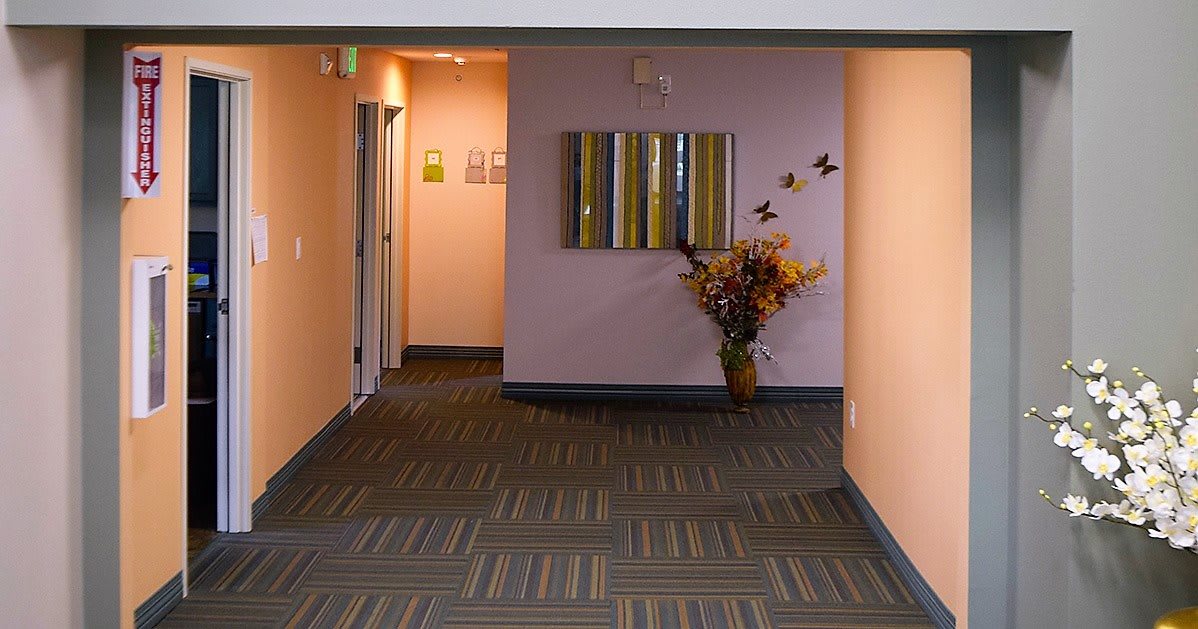
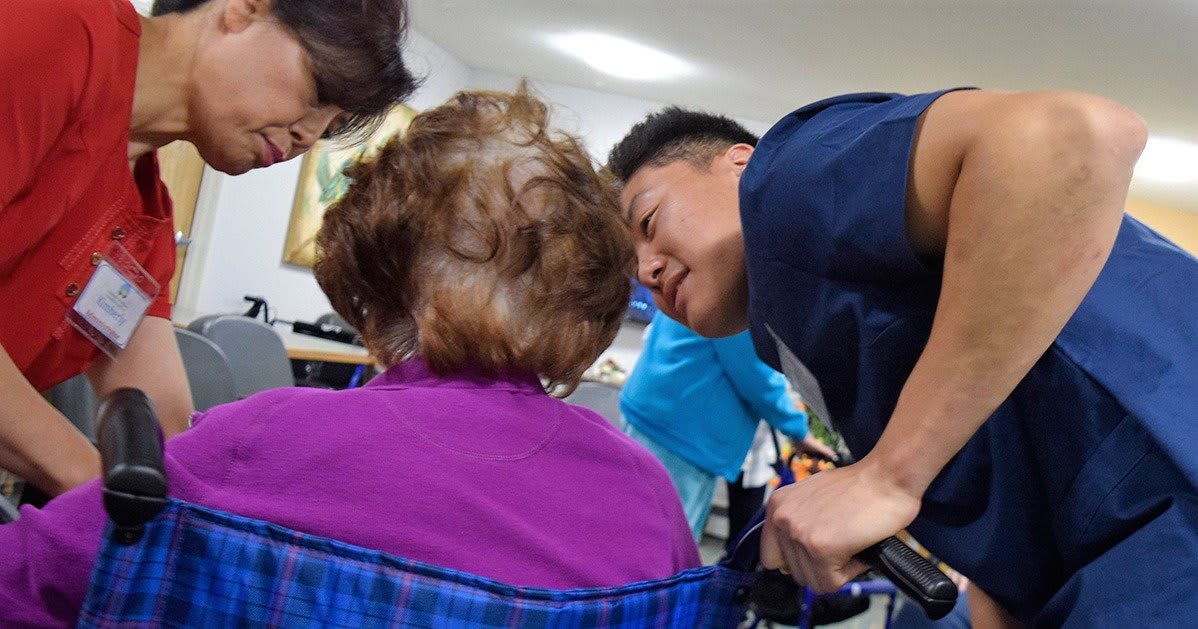
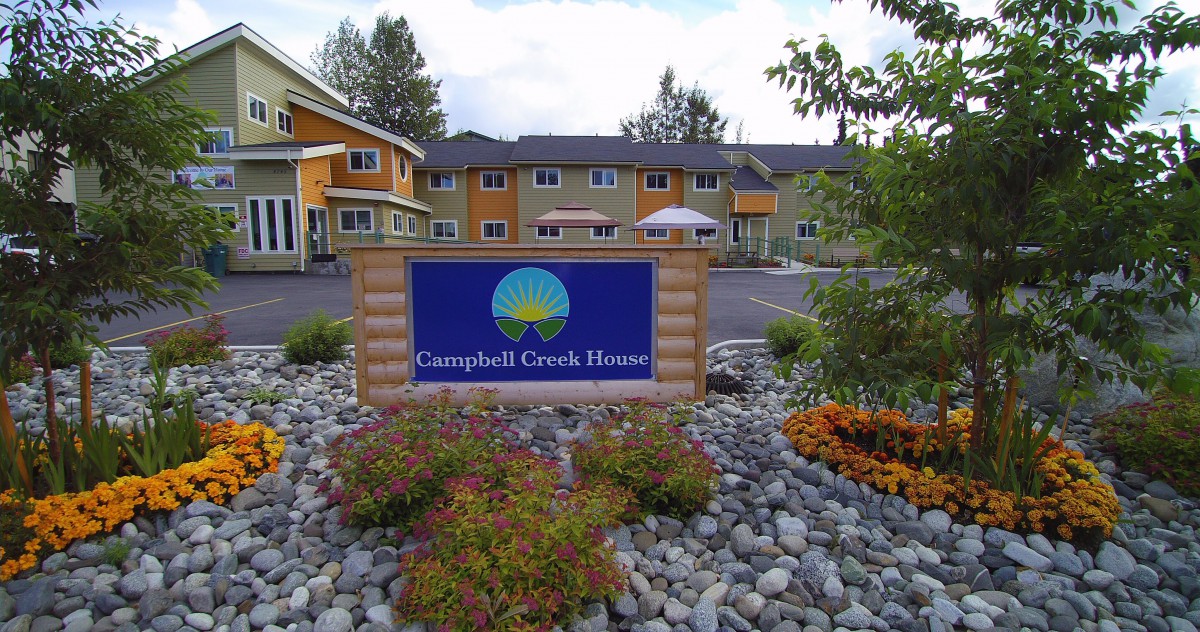
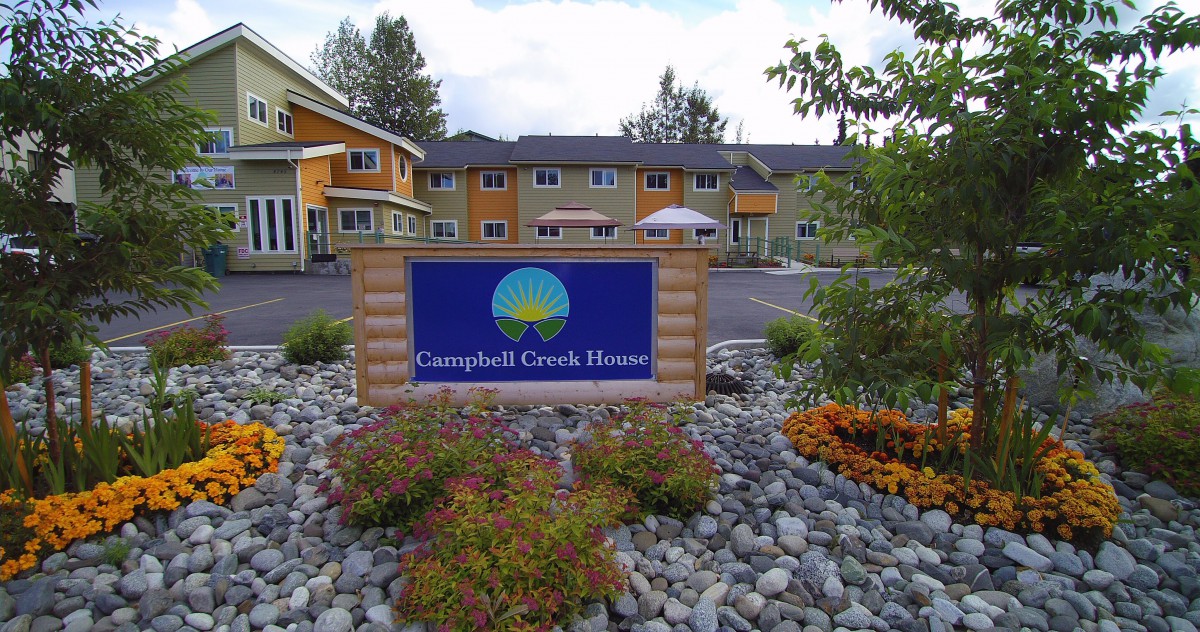
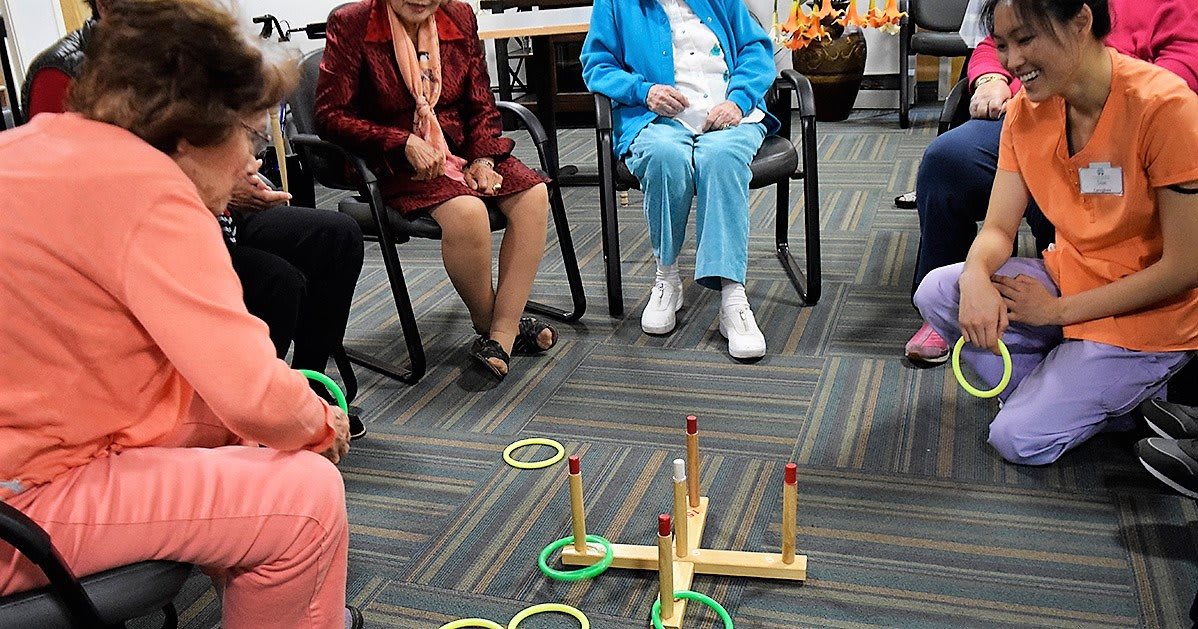
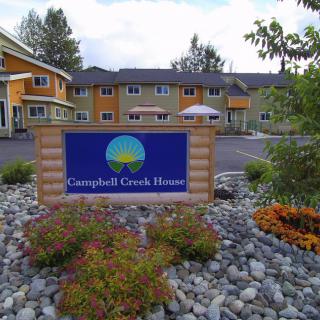
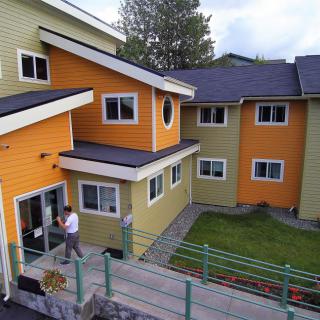
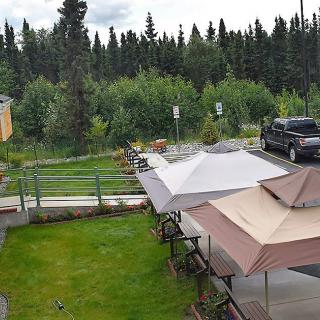
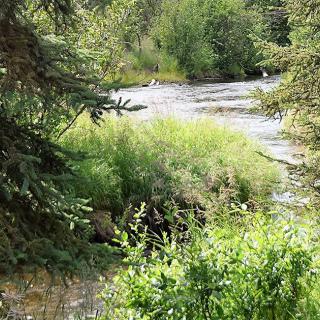
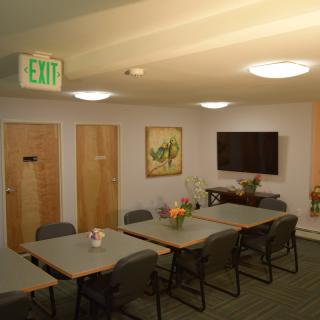
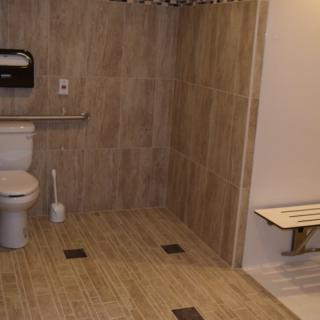
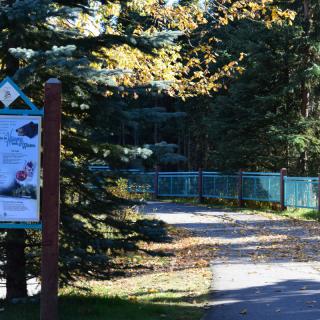
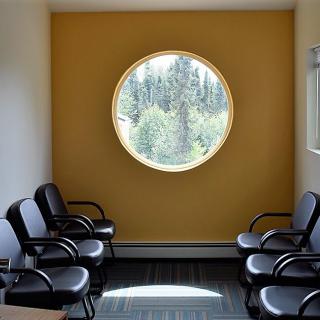
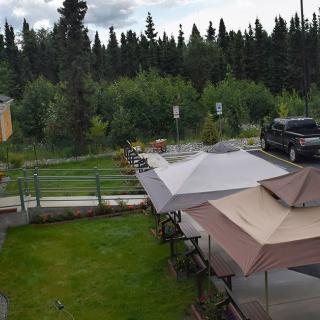
Campbell Creek House on seniors.fyi includes 33 photos including images showing outdoors, trees, landscaping, nature, interior, outdoor, bathroom, wheelchair, and more.
Nearby Communities
Opus Memoria II
Anchorage, AK
5 from 1 review
$11,000 / month
Specialized memory-care with engaging activities and 24/7 supervision.
Opus Memoria
Anchorage, AK
5 from 1 review
Spacious rooms with private bathrooms, nutritious meals, and friendly staff.
Symphony - ALH
Anchorage, AK
5 from 6 reviews
Cozy, well-equipped assisted living with comprehensive care and on-site amenities.
House of Mercy
Anchorage, AK
5 from 6 reviews
Intimate, personalized care with a 5-resident capacity and comprehensive ADL support.
Heart And Harmony
Anchorage, AK
Comprehensive, personalized care with 24-hour supervision, medication management, and diabetes-friendly dining.
Gugy's Assisted Living Home
Anchorage, AK
4.6 from 22 reviews
Comprehensive, personalized care with 24-hour supervision and coordinated healthcare in a home-like setting.
Aspen Creek
Anchorage, AK
4.7 from 64 reviews
$6,200 to $7,500 / month
Friendly, attentive staff in a beautiful, well-maintained facility with engaging activities.
Northern Comfort
Wasilla, AK
Small, intimate setting with 24/7 supervision and personalized care.
Dementia encompasses a range of cognitive impairments characterized by types such as Alzheimer's and vascular dementia, and follows a seven-stage progression model known as the Global Deterioration Scale (GDS), highlighting varying symptoms and decline timelines. Early detection allows for lifestyle adjustments to potentially slow progression, while caregivers need support and resources to manage the challenges involved in caring for affected individuals.
The guide on holistic dementia care outlines the complexity of dementia and stresses the need for individualized caregiver strategies that include medical treatment, psychological support, and environmental adaptations, while emphasizing early detection, various therapeutic options, and caregiver support to enhance quality of life and maintain dignity.
Activities of Daily Living (ADLs) are fundamental tasks vital for an individual's independence, particularly in older adults over 85, and include functions like bathing and dressing; assessing ADLs alongside Instrumental Activities of Daily Living (IADLs) helps determine the level of required assistance due to age-related health challenges. Tailored support plans, involving family and community resources, are essential for maintaining dignity and autonomy in assisted living environments.
Lighting, Artwork, Television, Conference Room, and Meeting Room
Garden, Patio, and Umbrellas
Outdoor
Outdoors
Pathway
Natural Light and Modern Architecture
Wall Art, Hallway, and Interior Decor
Nature
Healthcare
Shower
Grass
Fence
Park
Wheelchair
Grab Bars and Accessible
Nursing Home
Caregiver and Assistance
Water
Nurse
Accessibility, Handrails, and Shower Chair
Additional Photos
Get PricingAsk A QuestionSchedule A TourContact Senior Advisor
By clicking submit, you agree to our Partner's Terms of Use. You
also consent to receive calls and texts, which may be autodialed, from our Partner. Your consent is not a condition to
using our Partner's service. Please visit our Partner's Privacy Policy for information about their privacy practices.










 40 resident community capacity
 Assisted Living
 Memory Care
 Activities on-site
 Beauty salon
 Cable or satellite TV
 Devotional services off-site
 Dining room
 Fully furnished
 Garden
 Ground floor units
 Housekeeping services
 Indoor common areas
 Kitchenette
 Move-in coordination
 Outdoor common areas
 Respite or short term stays offered
 Restaurant-style dining
 Small library
 Telephone
 Wheelchair accessible showers
 Wi-Fi/high-speed internet available
 Ted Stevens Anchorage International (6 miles away)
 24-hour call system
 Assistance with bathing
 Assistance with dressing
 Assistance with transfers
 Diabetes diet
 Diabetic care
 Incontinence care
 Medication management
 Mental wellness program
 Special dietary restrictions
 Brain fitness
 Educational speakers / life long learning
 Forever fit
 Karaoke
 Live musical performances
 Stretching classes
 Specialized memory-care with engaging activities and 24/7 supervision.
 Understanding Dementia Through Its Seven Stages: A Comprehensive Look at Progression and Expectations
 A Holistic Dementia Care Guide: Effective Strategies for Memory Support
 Comprehensive Insights into Activities of Daily Living (ADLs) and Their Assessment