
309 East 24th Avenue, Anchorage, AK 99503
For more information about senior living options: (866) 208-4318
Overall Review of Golden Age's Manor
Cons
 The reviews express concern that residents may not be fed.
- They claim the staff lack training in MANDT and de-escalation.
- They allege cleaning is inadequate, with illnesses reported in the home.
Review
Golden Age’s Manor in Anchorage is best suited for a resident who can tolerate significant care gaps and whose family will provide diligent, ongoing oversight. The most compelling portrait from the available information is a facility where basic expectations, feeding, safe handling of conflicts, and clean living spaces, are not reliably met. In practical terms, this is a setting that would only work for someone with extremely low care needs and with a robust support system on the outside to monitor every day-to-day activity. Without that oversight, the risks to nutrition, safety, and overall well-being become unacceptably high.
Those who should strongly consider alternatives are families seeking dependable daily meals, trained staff capable of de-escalation, and a consistently clean environment. The review paints a picture of staff unwilling or unable to provide basic nourishment, and lacking formal training in handling conflicts, which translates into a fragile, unpredictable living situation. If a senior relies on routine assistance, social interaction, or consistent infection control, this community already shows gaps that are likely to persist, making other options a far safer bet.
There are no evident, substantive advantages highlighted in the feedback that could offset the gravity of the stated concerns. A true balance would require at least reliable meals, competent crisis management, and rigorous sanitation, yet none of these appear to be present in the reported experience. In a decision framework, the absence of meaningful strengths means the facility cannot reasonably compensate for the core risks described, leaving potential residents exposed to neglect and preventable illness.
The most troubling specifics point to three overlapping risks: nutrition neglect, inadequate staff training in handling disruptive situations, and insufficient cleaning or sanitation that correlates with illness. If staff cannot feed residents, that signals a breakdown of fundamental care needs. If de-escalation training is missing, disruptive moments become safety threats to both residents and staff. And if cleaning is lax because “people are getting sick,” infection control becomes a daily concern rather than a precaution. Taken together, these issues undermine safety, dignity, and the chance for a stable daily routine.
From a decision-making standpoint, prospective families should insist on a thorough, transparent visit to verify current operations and staffing. Ask for a complete meal service schedule, food safety certifications, and a demonstration of how staff are trained to handle conflicts. Request a recent health inspection report, speak with front-line staff about daily duties, and observe meal times, housekeeping routines, and activity participation. If these checks reveal persistent gaps, the prudent choice is to pursue another community with verified meals, trained intervention protocols, and visible cleanliness standards.
In the end, placing a senior in Golden Age’s Manor requires accepting a pattern of care that clearly falls short of basic expectations. The responsible path is to direct attention toward facilities with proven meal service, trained de-escalation capabilities, and consistent cleaning practices. If relocation or partnerships with a top-tier option is not feasible, insist on enforceable service agreements that address nutrition, safety, and hygiene head-on. Until those assurances exist, this community is a decision to avoid, not a choice to embrace.
 10 resident community capacity
 Assisted Living
 Board and Care Home
 Cable or satellite TV
 Dining room
 Fully furnished
 Garden
 Housekeeping services
 Move-in coordination
 Outdoor space
 Telephone
 Wi-Fi/high-speed internet available
 Ted Stevens Anchorage International (4 miles away)
 24-hour supervision
 Activities of daily living assistance
 Assistance with bathing
 Assistance with dressing
 Assistance with transfers
 Diabetes diet
 Meal preparation and service
 Medication management
 Special dietary restrictions
 Transportation arrangement (medical)
 Transportation to doctors appointments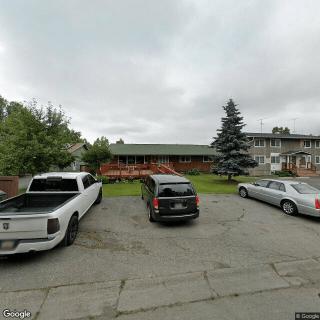
 Holistic well-being focus with strong social spaces and easy access to nearby healthcare and worship options.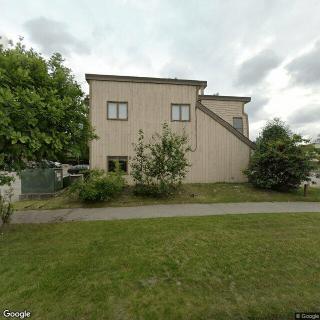

 Comprehensive Insights into Activities of Daily Living (ADLs) and Their Assessment
 Guiding Elderly Parents Who Refuse Assisted Living: 6 Practical Steps
 Your Comprehensive Guide to Luxury Assisted Living: Elevated Facilities, Amenities, and Costs