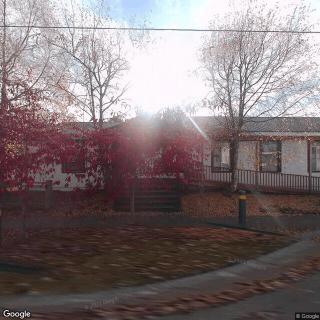
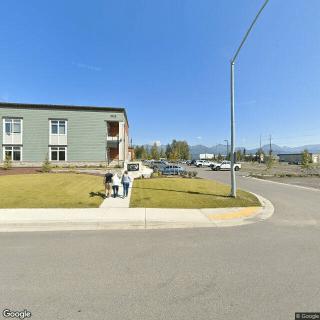
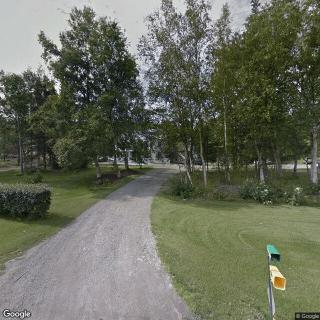
Strong Care Castle in Anchorage, AK

1533 Latouche Street, Anchorage, AK 99501

For more information about senior living options: (844) 490-3973

4.8 from 24 reviews
5 stars
23
4 stars
0
3 stars
0
2 stars
0
1 stars
1

Assisted Living Board and Care Home

Overall Review of Strong Care Castle

Pros

  • pro Carrie Ann is an excellent worker who goes above and beyond.
  • pro She has taken her client on adventures like hair and beard trims and pedicures.
  • pro She is very cheerful and brightens his days.
  • pro The family is thrilled with their in-home aid.
  • pro Randie Szczesny has a happy demeanor and a strong willingness to learn and help.
  • pro Randie is a breath of fresh air on the dementia journey.
  • pro Marjorie Nix is a dynamo - full of life and energy, open to doing anything asked.
  • pro Marjorie's bubbly presence and kind heart of service bless those she works with.
  • pro Alex is a godsend; her calm and loving spirit enriches the lives of the parents.
  • pro Linda is extraordinary in her skills, care, and confidence, forming strong bonds with clients.
  • pro The caregivers are patient and kind and keep families informed.
  • pro Sue and Christie are angels; their care and attentiveness are above and beyond.

Cons

  • pro The GM and his staff are thieves and are failing to provide services that are contracted for but still accepting payment.
  • pro The bathroom has been in this condition for months, with no change of clothes or a shower for over three weeks despite multiple visits.
  • pro The GM refuses to acknowledge or correct these lapses, creating a critical health hazard for the resident.
  • pro Blood on the toilet where the resident sits is a danger to his open wounds and potential pressure sores, especially since showers have not been cleaned for six months.

Review

Strong Care Castle is best for Anchorage families who want high-touch, in-home care for an aging loved one, especially when dementia or memory challenges are part of the picture. The reviews show a workforce that treats daily routines as a core service, adding personal touches that matter: hair and beard trims, pedicures, and social outings that keep a resident engaged. The presence of memory-support tools and aides who can join in on memory exercises and brain games signals a care plan that extends beyond basic assistance. This community suits someone who values staying at home, maintaining familiar surroundings, and receiving flexible assistance that scales up or down with health needs. It is particularly strong for families juggling work and caregiving, requiring reliable, attentive help without constant supervision.

Those who may want to consider alternatives are families seeking a fixed, uniform team with intensive clinical oversight, or those who require a more controlled, facility-like environment. A few reviews point to governance and consistency concerns in one provider's operation, including a serious accusation about management and service lapses in housekeeping and hygiene. While these appear isolated, they underscore the importance of comparing agencies, asking for detailed service agreements, backup staffing plans, and a clear escalation path. If the priority is 24/7 professional supervision, on-site clinical care, or a memory-care community with built-in programming and guaranteed caregiver continuity, exploring other options - including traditional assisted living or another in-home provider - makes sense.

The strongest pro line-up rests on the care teams themselves. The persistently positive anecdotes highlight caregivers who go beyond required tasks: Carrie Ann's cheerful, adventurous approach; Randie's willingness to learn dementia-specific care and to coordinate with family and memory tools; Marjorie's energy and readiness to do whatever is asked; Tonya's genuine concern for aging loved ones. This level of attentiveness translates into real benefits: improved daily routines, better mood, and more free time for family members. The ability to tailor activities - brain games, exercise, and even coordination with counselors via phone conferences - means the program actually works for residents who need cognitive support. When caregivers become trusted extensions of the family, practical gains - reduced caregiver burden, more consistency, and a friendlier daily rhythm - offset most hesitations about in-home care.

But the reviews also remind that not every caregiver relationship lands perfectly. One negative report accuses the operation's leadership of mismanagement and contract shortfalls that created health hazards. While unlikely to reflect the entire network, such feedback underscores the necessity of clear contracts, reliable back-up staffing, and transparent reporting. Families should insist on assigned primary caregivers, a documented plan for substitution when someone is sick, and regular check-ins from a supervising clinician or coordinator. The best-fit providers will show a track record of addressing issues quickly, offering remediation, and maintaining clean, safe home environments. In short, the risk is management- or system-level gaps rather than the daily care delivered by hands-on aides.

Families evaluating Strong Care Castle should demand a rigorous onboarding and oversight process. Key steps include requesting caregiver matching criteria, verifying dementia-care training and experience, and confirming the availability of back-up caregivers. Ask for tangible metrics: senior-care coordination hours, progress updates, and memory-support activities like MapHabit or other cognitive exercises. Seek real-world references and schedule trial days to observe interactions, scheduling reliability, and how emergencies are handled. Ensure the contract details what constitutes acceptable performance, how billing is handled, and who steps in if a caregiver is late or unavailable. Finally, plan for periodic plan reviews as the resident's needs evolve.

Bottom line: Strong Care Castle presents a compelling option for families who want strong, compassionate in-home support that can adapt to memory-care needs and daily life. The positives - exceptional caregiver warmth, practical help with routines and personal care, and memory-support programming - are meaningful, and they often translate into calmer days and longer home-retained independence. Yet the variability some families experience with caregiver coverage and governance cannot be ignored. If reliability of a single, consistently assigned team or a highly structured, facility-like environment is non-negotiable, alternatives - whether other home-care agencies or a dedicated memory-care facility - may fit better. The prudent path is a careful, explicit trial with clear expectations, anchored by a written care plan and a robust oversight structure.

Features

Housing

  • 4 resident community capacity 4 resident community capacity

Types of Care

  • Assisted Living Assisted LivingAssisted living facilities provide crucial support and care for seniors who may need help with daily tasks such as medication management, bathing, and meal preparation. These communities offer a safe and comfortable environment where seniors can maintain their independence while receiving the assistance they need to thrive in their golden years.
  • Board and Care Home Board and Care HomeBoard and care homes provide a smaller, more intimate setting for seniors who require assistance with daily tasks but do not need the level of care offered by a nursing home. They offer personalized care, meals, and social activities in a homelike environment, ensuring that seniors receive individualized attention and support in their golden years.

Amenities

  • Cable or satellite TV Cable or satellite TVCable or satellite TV is important for seniors because it provides entertainment, news, and companionship, helping to combat loneliness and boredom. It also offers a wide range of programming options tailored to different interests and preferences.
  • Dining room Dining roomDining rooms are important for seniors as they provide a space for socialization, connection, and nutritious meals. They offer opportunities for residents to bond over shared meals, foster a sense of community, and promote healthy eating habits. Dining rooms also ensure that seniors have access to well-balanced meals tailored to their dietary needs and preferences.
  • Fully furnished Fully furnishedFully furnished senior living communities are important for seniors because they provide convenience, comfort, and a hassle-free moving experience. Seniors can easily settle into their new living space without the stress of having to buy and move furniture. This allows them to focus on enjoying their new home and community.
  • Garden GardenGardens are important for seniors as they provide a peaceful and therapeutic environment for relaxation, physical activity, and socialization. Being in nature has been shown to reduce stress, improve mood, and promote overall well-being. Gardens also offer opportunities for seniors to engage in gardening activities, which can improve mobility, flexibility, and cognitive function. Additionally, gardens create a sense of community and connection with others who share a passion for plants and outdoor spaces.
  • Housekeeping services Housekeeping servicesHousekeeping services are important for seniors because they help maintain a clean and safe living environment, promote independence, and reduce the risk of accidents or illnesses. Additionally, having assistance with household chores can alleviate physical strain and allow seniors to focus on other aspects of their well-being.
  • Move-in coordination Move-in coordinationMove-in coordination is important for seniors because it helps ease the transition into their new living environment. It ensures that all logistics, such as packing, organizing movers, and setting up utilities are taken care of, allowing seniors to focus on settling in and adjusting to their new home. Having a smooth move-in process can alleviate stress and anxiety, making the transition smoother and more enjoyable for seniors.
  • Outdoor space Outdoor spaceOutdoor spaces are important for seniors as they provide opportunities for physical activity, social interaction, exposure to natural light and fresh air, and a sense of connection to nature. Having access to outdoor spaces can improve overall well-being and quality of life for older adults living in senior communities.
  • Telephone TelephoneTelephones are important for seniors as they provide a lifeline for communication with loved ones, emergency services, and healthcare providers. They offer a sense of security and independence, enabling seniors to stay connected and access assistance when needed.
  • Wi-Fi/high-speed internet available Wi-Fi/high-speed internet availableWi-Fi/high-speed internet is important for seniors to stay connected with loved ones, access online resources, and participate in virtual activities to combat feelings of loneliness and isolation. It also allows them to easily manage healthcare needs, access entertainment, and engage in lifelong learning opportunities.

Transportation

  • Ted Stevens Anchorage International (5 miles away) Ted Stevens Anchorage International (5 miles away)

Care Services

  • 24-hour supervision 24-hour supervision24-hour supervision is important for seniors to ensure their safety, well-being, and access to immediate assistance in case of emergencies or health issues. This constant support provides peace of mind for both seniors and their loved ones, allowing them to age in place with dignity and security.
  • Activities of daily living assistance Activities of daily living assistanceActivities of daily living assistance are important for seniors because they provide essential support with tasks such as eating, bathing, dressing, and mobility. This assistance helps seniors maintain their independence, dignity, and overall quality of life as they age.
  • Assistance with bathing Assistance with bathingAssistance with bathing is crucial for seniors as it helps maintain personal hygiene, prevents infections, and ensures their overall well-being and comfort. It also provides a sense of dignity and independence for seniors who may struggle with this task on their own.
  • Assistance with dressing Assistance with dressingAssistance with dressing is important for seniors because it helps maintain their independence, promotes personal hygiene, prevents accidents and injuries, and improves overall quality of life. This service ensures that seniors can continue to dress comfortably and confidently, despite any physical limitations they may have.
  • Assistance with transfers Assistance with transfersAssistance with transfers is crucial for seniors as it helps prevent falls and injuries, maintains their independence, and ensures they can safely navigate their living environment. It also provides peace of mind for both seniors and their loved ones.
  • Coordination with health care providers Coordination with health care providersCoordination with health care providers is crucial for seniors to ensure proper medical care, medication management, and overall well-being. This collaboration helps prevent overlapping treatments, track progress more effectively, and provide comprehensive support tailored to individual needs.
  • Diabetes diet Diabetes dietA diabetes diet is crucial for seniors as it helps manage blood sugar levels, reduce risks of complications, and improve overall health and well-being. By following a balanced and nutritious diet tailored to their specific needs, seniors can better control their diabetes and enhance their quality of life.
  • Meal preparation and service Meal preparation and serviceMeal preparation and service are crucial for seniors as they may have limited mobility or energy to cook nutritious meals. Having access to healthy and convenient food options can ensure they are getting the proper nutrition needed to maintain their overall health and well-being.
  • Medication management Medication managementMedication management is crucial for seniors to ensure they are taking the right medications at the correct dosages and times. This helps prevent adverse drug interactions, reduces the risk of medication errors, and promotes overall health and well-being. Proactive management also allows for adjustments as needed based on changing health conditions or new prescriptions.
  • Special dietary restrictions Special dietary restrictionsSpecial dietary restrictions are important for seniors because age-related changes in metabolism and health conditions can make it difficult for their bodies to process certain foods. By following a diet tailored to their specific needs, seniors can maintain their overall health and well-being, manage chronic conditions, and reduce the risk of complications such as malnutrition or food interactions with medications.
  • Transportation arrangement (medical) Transportation arrangement (medical)Transportation arrangements for medical purposes are essential for seniors as they may have difficulty driving themselves to appointments or accessing public transportation. Having reliable and safe transportation options ensures that seniors can receive timely medical care and maintain their health and well-being.
  • Transportation to doctors appointments Transportation to doctors appointmentsTransportation to doctors' appointments is crucial for seniors as it ensures they have access to necessary medical care and support for their health needs. Without reliable transportation, seniors may struggle to attend important appointments, leading to potential delays in treatment and health complications. Providing transportation services helps seniors maintain their overall well-being and quality of life.

Dining

  • Diabetes diet Diabetes dietA diabetes diet is crucial for seniors as it helps manage blood sugar levels, reduce risks of complications, and improve overall health and well-being. By following a balanced and nutritious diet tailored to their specific needs, seniors can better control their diabetes and enhance their quality of life.
  • Special dietary restrictions Special dietary restrictionsSpecial dietary restrictions are important for seniors because age-related changes in metabolism and health conditions can make it difficult for their bodies to process certain foods. By following a diet tailored to their specific needs, seniors can maintain their overall health and well-being, manage chronic conditions, and reduce the risk of complications such as malnutrition or food interactions with medications.

Activities

  • Community-sponsored activities Community-sponsored activitiesCommunity-sponsored activities are important for seniors as they provide opportunities for social interaction, mental stimulation, and physical activity. These activities can help improve overall well-being, combat loneliness and isolation, and promote a sense of belonging and purpose among older adults.
  • Scheduled daily activities Scheduled daily activitiesScheduled daily activities are important for seniors because they provide structure, socialization, mental stimulation, and physical activity. Engaging in regular activities can improve overall well-being and quality of life for seniors living in a community setting.

Description

Strong Care Castle is an exceptional board and care home located in Anchorage, AK. With a focus on providing excellent care and creating a comfortable living environment for seniors, this assisted living community offers a variety of amenities and services to meet the unique needs of each resident.

The fully furnished accommodations at Strong Care Castle are designed to promote a warm and inviting atmosphere. With spacious common areas, including a dining room where residents can enjoy delicious meals prepared by the staff, this community fosters social interaction and companionship among its residents.

For those who appreciate spending time outdoors, Strong Care Castle also boasts a beautiful garden and outdoor space where residents can relax and engage in recreational activities. Furthermore, the community offers Wi-Fi/high-speed internet access throughout, ensuring that residents can stay connected with their loved ones or pursue personal interests online.

When it comes to care services, Strong Care Castle goes above and beyond to assist residents with their daily needs. Trained caregivers are available to provide support with activities of daily living such as bathing, dressing, and transfers. The staff also coordinates with healthcare providers to ensure that any medical needs are properly addressed.

Moreover, specialized care is offered for individuals with diabetes through a dedicated diabetes diet plan. Meals are prepared according to specific dietary restrictions or preferences, ensuring that every resident receives proper nutrition.

Transportation is another crucial aspect of the care provided at Strong Care Castle. Whether it's arranging transportation for medical appointments or providing regular transportation services around the local area, the staff ensures that residents have easy access to essential resources like pharmacies, doctors' offices, hospitals, restaurants, cafes, parks, and places of worship.

To keep residents engaged and entertained within the community, Strong Care Castle offers scheduled daily activities designed to suit different interests and abilities. These activities not only help promote mental stimulation but also foster social connections among the residents.

Overall, Strong Care Castle in Anchorage is an assisted living community that prioritizes the well-being and happiness of its residents. With a wide range of amenities, personalized care services, and convenient access to local resources, this community strives to provide a safe and nurturing environment for seniors to age comfortably and enjoy their golden years.

Nearby Places of Interest

Parks

  • Woodside Park (0.4 miles)
  • Valley of the Moon Park (1.1 miles)
  • Anchorage Town Square (1.3 miles)
  • Anchorage Park Strip (1.4 miles)
  • Elderberry Park (1.7 miles)

Places of Worship

  • Central Lutheran Church (0.7 miles)

Physicians

  • Achievement Therapy Center (0.8 miles)
  • North Star Behavioral Health System (0.9 miles)
  • Apex Neurosurgery (1 miles)
  • Ray Robinson (1 miles)
  • Medical Park Family Care (1 miles)
  • Summit Family Practice (1 miles)
  • Alaska Imaging Associates (1 miles)

Pharmacies

  • Walgreens (0.8 miles)
  • Alaska Pharmacists Association (0.8 miles)
  • Carrs Pharmacy (0.9 miles)
  • Fred Meyer Pharmacy (0.9 miles)
  • Carrs-#0720 (0.9 miles)
  • Safeway Pharmacy 0720 Anchorage (1 miles)
  • Ivy Home Infusions (1.1 miles)

Restaurants

  • Village Inn (0.8 miles)
  • Jade Steak & Dinner (0.9 miles)
  • Wendy's (0.9 miles)
  • La Cabana Mexican Restaurant (1 miles)
  • Serrano's Mexican Grill (1 miles)
  • Taco Bell (1.1 miles)
  • Charlie's Bakery (1.1 miles)

Hospitals

  • Hall, Meghan - Coalition Health Center (1 miles)
  • North Star Behavioral Health System Hospital (1.7 miles)

Cafes

  • Black Cup (1.1 miles)
  • AK Alchemist (1.1 miles)
  • Kobuk Coffee Co. (1.3 miles)
  • Snow City Cafe (1.6 miles)

Frequently Asked Questions

Where is Strong Care Castle?

Nearby Communities

  • Mercy Saw Me Assisted Living Home

    Mercy Saw Me Assisted Living Home

    Anchorage, AK

    5 from 7 reviews
     

    pro Small, homelike setting with personalized care and comprehensive support.

  • Sharon's Assisted Living

    Sharon's Assisted Living

    Anchorage, AK

    5 from 6 reviews
     

    pro Small, personalized setting with 24/7 supervision and a full range of care and amenities.

  • Noahs Ark Assisted Living Home II

    Noahs Ark Assisted Living Home II

    Anchorage, AK

    3 from 2 reviews
     

    pro Strong access to nearby healthcare and amenities.

  • Serenity Suites

    Serenity Suites

    Anchorage, AK

    5 from 1 review
     

    pro Fully furnished suites with 24-hour supervision, ADL support, meals, and daily activities.

  • DP Assisted Living Home

    DP Assisted Living Home

    Anchorage, AK


    pro 24/7 supervision with daily living assistance, medication management, and coordinated medical care, plus diabetes-friendly meals.

  • NuStart Assisted Living Home

    NuStart Assisted Living Home

    Anchorage, AK

    3 from 4 reviews
     

    pro Welcoming environment with comprehensive care, medical coordination, and dietary accommodations.

  • Aspen Creek

    Aspen Creek

    Anchorage, AK

    4.7 from 64 reviews
    $6,200 to $7,500 / month

    pro Friendly, attentive staff in a beautiful, well-maintained facility with engaging activities.

  • Northern Comfort

    Northern Comfort

    Wasilla, AK


    pro Small, intimate setting with 24/7 supervision and personalized care.

Assisted Living in Nearby Cities

Related Resources

  • active senior livingVibrant Senior Living: A Comprehensive Guide for Active Older Adults

    Vibrant Senior Living emphasizes active senior living communities that promote independence and engagement through diverse amenities and activities, fostering wellness and social interaction among older adults. These communities range from independent to assisted living, with a focus on personal growth, family involvement, financial planning, and leveraging technology to enhance residents' experiences.

  • when to move from assisted living to memory careWhen to Transition from Assisted Living to Memory Care: Key Indicators, Steps, and Finding the Right Community

    Transitioning from assisted living to memory care is driven by an individual's cognitive decline and specific needs, requiring careful evaluation of indicators like increased confusion and wandering. The process involves consulting medical professionals, researching suitable communities, considering financial and legal aspects, and ensuring effective communication for personalized care plans.

  • assisted living vs memory careAssisted Living and Memory Care: Understanding Their Core Differences

    Assisted living provides moderate support for seniors seeking independence, while memory care offers specialized support for individuals with dementia or cognitive impairments through structured routines and trained staff. Key differences include care approaches, environment security measures, staff training levels, activity types, and cost considerations.