
809 Green Springs Dr, Prattville, AL 36067
To contact a resident: (334) 365-0681
For more information about senior living options: (866) 208-4318
Greensprings II Costs & Pricing
Greensprings II offers a range of living options with monthly costs that reflect its premium services and amenities. For a one-bedroom unit, residents can expect to pay between $8,500 and $10,800, significantly higher than the Elmore County average of $6,228 and the state average of $3,417. The studio option is priced at a flat rate of $8,500, again surpassing local ($4,685) and state ($3,279) averages. Semi-private accommodations are available for $9,000 - a figure that also exceeds both county ($6,475) and state ($3,495) benchmarks. Private rooms cost $10,200 each month, aligning exactly with the county's rate but still notably above Alabama's average of $4,158. Finally, for those seeking two-bedroom units at Greensprings II, prices range from $11,000 to $12,300 - well above local ($7,390) and state ($3,788) levels. Overall, while Greensprings II commands higher fees compared to surrounding areas and state averages due to its enhanced living experience and care offerings, it remains an attractive choice for those prioritizing quality in their housing decisions.
| Floor plans | Greensprings II | Elmore County | Alabama |
|---|---|---|---|
| 1 Bedroom | $8,500 to $10,800 | $6,228 | $3,417 |
| Studio | $8,500 | $4,685 | $3,279 |
| Semi-Private | $9,000 | $6,475 | $3,495 |
| Private | $10,200 | $10,200 | $4,158 |
| 2 Bedrooms | $11,000 to $12,300 | $7,390 | $3,788 |
Overall Review of Greensprings II
Cons
 Dasher is described as very rude and does not tip.
- The reviewer notes having to pay out of pocket for their own chest x‑ray, with no reimbursement or differential pay for the 3-11 evening shift, and says it is not worth it.
Review
Greensprings II in Prattville, AL is best suited for families seeking an affordable, social-oriented assisted-living option where daily life centers on routine, community activities, and dependable everyday care rather than high-acuity medical oversight. The community appears capable of delivering a warm, livable environment at a lower cost, which can be compelling for residents who want companionship, accessible amenities, and straightforward support with daily tasks. Yet the rating track record, two five-star voices alongside two one-star voices, signals that experiences can be markedly uneven. That volatility matters when evaluating suitability for a loved one, because consistency in staff interactions and care delivery directly affects safety and daily quality of life.
Those who should consider alternatives are residents with advanced medical needs, exacting expectations for staff responsiveness, or a requirement for uniformly high morale among caregivers. If reliability and predictable service are non-negotiable, Greensprings II may fall short, given the mixed feedback about staff behavior and the implied costs surrounding staff benefits. Families who prioritize transparent, stable staffing and a consistently courteous, professional atmosphere will want to compare this community to others in the Prattville area that have stronger reputations for continuity of care and staff accountability.
The strongest positives here are the potential for genuine warmth and community belonging when care staff are at their best, along with the practical conveniences that come with an affordable, smaller-scale setting. When staff and programs do click, residents can enjoy meaningful engagement, regular assistance with activities of daily living, and a sense of belonging that makes day-to-day life smoother. These moments illustrate what Greensprings II can deliver: approachable care, accessible social opportunities, and a budget-friendly option that keeps housing cost from eclipsing quality of life. Yet those bright spots are not universal, and the uneven nature of reported experiences means the upside may hinge on personal chemistry with the caregiving team and the specific shift in which a resident is served.
The most consequential drawbacks, however, lie in the practical realities behind the scenes. One review highlights a troubling dynamic around staff reimbursement and compensation, noting out-of-pocket expenses for routine items like chest X-rays and a lack of differential pay for evening shifts. That kind of financial framing matters, because it signals potential staffing pressures, morale issues, and higher turnover, factors that frequently translate into inconsistent coverage, slower response times, and variable quality of care. Additionally, a terse, confrontational note about a service interaction hints at the risk of brusque staff behavior or communication gaps that family members must monitor closely in tours and conversations with leadership. While such anecdotes may not describe every shift, they illuminate real possibilities residents could encounter here.
From a decision-making standpoint, Greensprings II warrants a disciplined evaluation. Prospective families should prioritize concrete questions during visits: what is the current staff-to-resident ratio on each shift, what is the turnover rate among caregivers, how are complaints handled, and what metrics exist for resident satisfaction? Request to see recent inspection or quality-of-care reports, and insist on meeting the front-line team responsible for care planning and daily assistance. Explore whether there are clear policies regarding external service reimbursements, staff benefits, and any steps taken to improve morale and stability. If budget constraints are a driving factor, weigh the cost savings against the potential need for more frequent care plan adjustments or third-party care coordination that may be required if staffing proves inconsistent.
In the end, Greensprings II presents a practical choice for families prioritizing affordability and social opportunity, with the caveat that care consistency cannot be assumed. For residents who require steady clinical oversight, proactive, uniformly courteous staff, or transparent, well-supported compensation structures, alternative communities, ideally with stronger staffing stability and documented quality improvements, should be pursued. The right move is to visit with specific questions in hand, gather current resident perspectives, and scrutinize how the facility handles staffing challenges and care continuity on the days that matter most.
 Assisted Living
 Activities on-site
 Devotional services off-site
 Indoor common areas
 Montgomery Regional Apt (13 miles away)
 Ambulatory care
 Diabetic care
 Meals provided
 Intimate setting with dedicated memory care and comprehensive ADL support.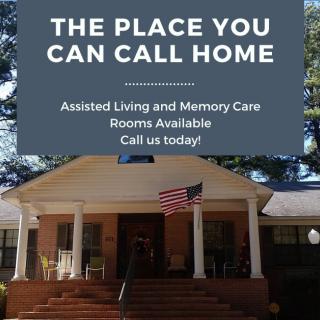

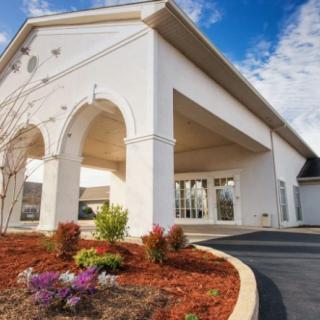




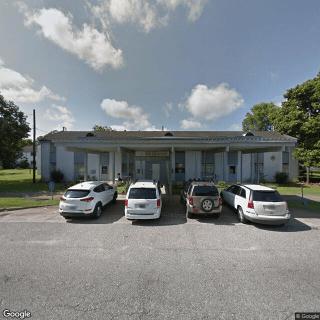
 Vibrant Senior Living: A Comprehensive Guide for Active Older Adults
 When to Transition from Assisted Living to Memory Care: Key Indicators, Steps, and Finding the Right Community
 Assisted Living and Memory Care: Understanding Their Core Differences