
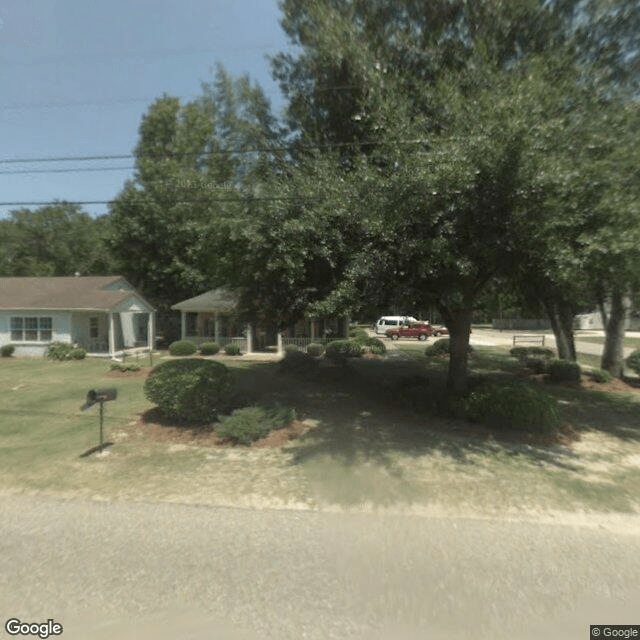
425 Pratt St, Prattville, AL 36067
To contact a resident: (334) 365-9392
For more information about senior living options: (866) 208-4318
Overall Review of Camellia Lane III Assisted
Pros
 The daughter regained weight and showed improved health, going from 92 lbs to 137 lbs.
- The parent promptly took the daughter to the doctor to address her health concerns.
- The daughter’s current weight of 137 lbs reflects a positive health turnaround.
Cons
 The reviewer states that visits were not allowed for several months during the Covid pandemic, with contact only through a window on the front porch.
- The reviewer describes worrying conditions, noting the daughter was losing weight and looked frail.
- A doctor said the daughter had not been getting enough calories.
- The reviewer would not recommend Magnolia Woods to anyone.
- The reviewer claims a nurse administered a TB skin test incorrectly, leading to ongoing chest problems and lifelong TB X-rays.
- The reviewer notes that after the incident they were told they could no longer work there.
Review
This community is best suited for families seeking a practical, budget-conscious assisted-living option in the Prattville area where basic daily support is available and family oversight can play a central role in care. It works best for residents whose needs are primarily help with activities of daily living, medication reminders, and a predictable routine, and for families willing to stay closely engaged to monitor day-to-day quality. The setting is a reminder that the lowest-friction path to reliable assistance still requires active involvement from loved ones and a clear understanding that consistency in care may vary.
Those who may want to consider alternatives are clear: if dependable medical oversight, transparent accountability, and consistently high-quality staffing are nonnegotiable, this provider warrants a longer look at other options. The feedback landscape for this group is notably divided: three residents rate the experience highly, while three others register the lowest possible score. That tension signals a risk of uneven care quality and administrative gaps. In short, any family relying on steady medical oversight or stable caregiver relationships should proceed with heightened due diligence, and be prepared to compare other nearby communities with stronger, steadier reputations.
On the pro side, the mix of high and low reviews suggests that, when operations run smoothly, residents can experience meaningful benefits and attentive service. The positive voices imply capable staff and satisfying day-to-day routines, life-enriching activities, and responsive support that can improve quality of life. Yet those potential strengths are insufficiently reliable given the equally loud concerns documented elsewhere. The clear implication is not to dismiss the good days, but to recognize that the overall picture includes serious blemishes in perceived safety, attentiveness, and consistency of care. Pros do not consistently offset the substantial concerns without sustained, proactive family involvement.
The core deficits cited in the feedback, where they are reflected or echoed, center on care lapses and the distressing consequences of perceived medical oversights. Reported incidents raise red flags about nutrition monitoring, weight maintenance, and the handling of routine medical procedures. Even when the other end of the spectrum is celebrated by a portion of residents, the repeated exposure to troubling outcomes signals which areas demand close scrutiny during due diligence: nutrition management, routine health checks, staff training on medical tasks, and reliable escalation when red flags appear. These are not minor annoyances; they shape daily safety and long-term well-being.
To make a confident decision, run through a focused due-diligence checklist during tours: verify staff-to-resident ratios and shift coverage, ask for the last three months of hospitalization or ER events and the facility’s response timeline, review menus and dietary monitoring processes, and request direct conversations with current residents or families about nutrition, mobility support, and restroom assistance. Probe how care plans are updated, who leads medical oversight, and how quickly concerns are escalated to family members. Confirm licensure status, complaint history, and whether the community has a transparent incident report process. The aim is to separate wishful impressions from verifiable practice.
In the end, Camellia Lane III Assisted should be viewed through a disciplined lens: it may suit families who can tolerate variability and who will stay actively involved to compensate for gaps in oversight. For others, especially those prioritizing consistent medical monitoring, unified staff reliability, and a track record of stable outcomes, alternatives in the Prattville area deserve prioritized consideration. This is a decision where the burden of proof rests on the facility during tours, references, and transparent data sharing. If the prospective resident’s safety, predictability, and steady care are nonnegotiables, keep looking until a consistently solid fit emerges.
 Assisted Living
 Activities on-site
 Devotional services off-site
 Indoor common areas
 Montgomery Regional Apt (12 miles away)
 Ambulatory care
 Diabetic care
 Meals provided





 Medicare Coverage for Assisted Living: An In-Depth Exploration
 Choosing the Right Senior Care: A Detailed Exploration of Assisted Living and Nursing Homes
 Understanding the True Cost of Assisted Living in 2025: A Comprehensive Guide