The Neighborhood at Madison offers competitive pricing for its living arrangements when compared to both Madison County and the broader state of Alabama. For instance, a studio apartment at The Neighborhood is priced at $2,990 per month, which is notably lower than the county's average of $3,239 and the state's average of $3,279. Similarly, one-bedroom units are available for $3,750 - a slight premium over Madison County's average of $3,719 but still below Alabama's statewide average of $3,417. However, it is in the two-bedroom category where The Neighborhood stands out significantly; with a monthly rate of $5,600, it exceeds both the county's average of $4,090 and the state's average of $3,788. This pricing structure reflects a unique balance between quality and value that prospective residents may find particularly appealing as they weigh their options in this vibrant community.
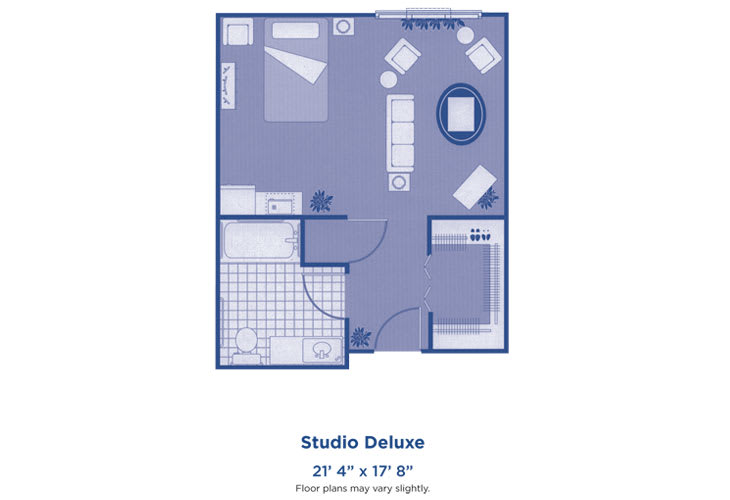
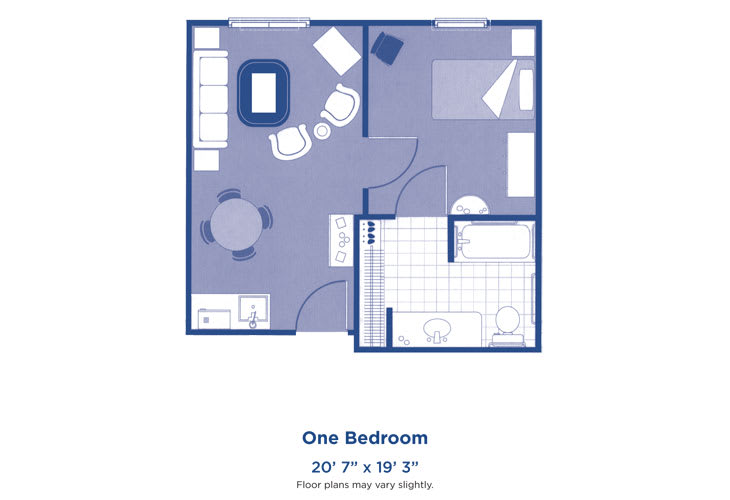
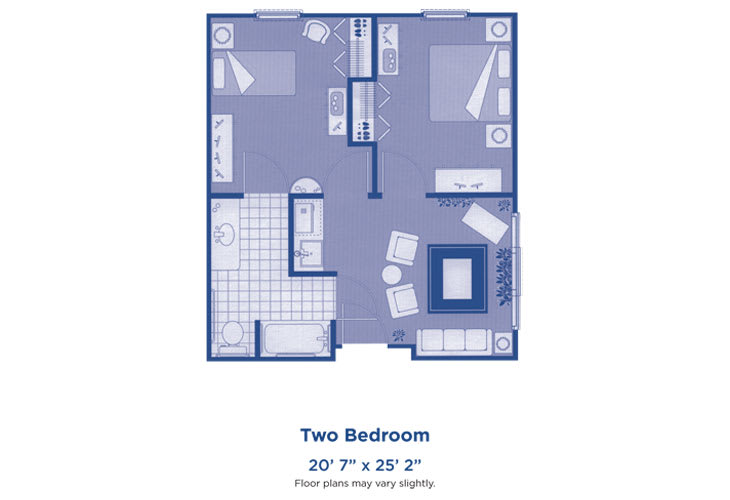
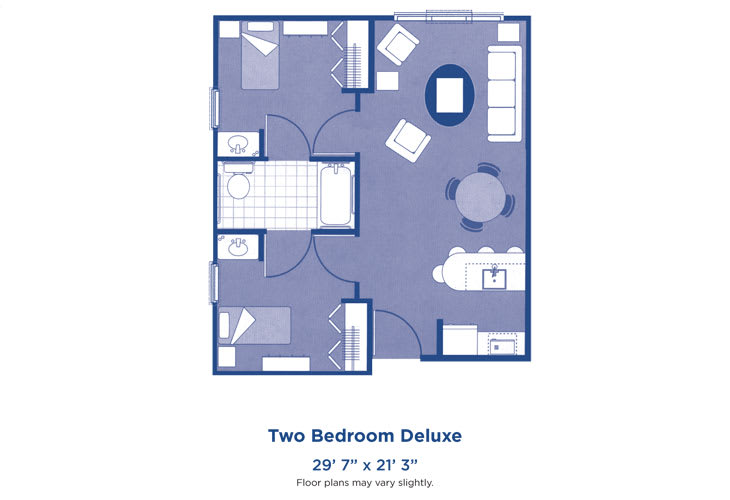
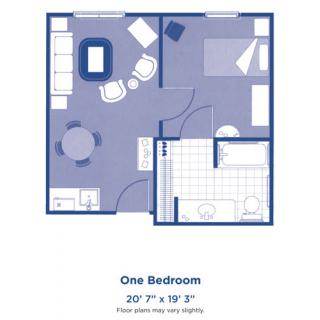
Floor plans
The Neighborhood at Madison
Madison County
Alabama
Studio
$2,990
$3,239
$3,279
1 Bedroom
$3,750
$3,719
$3,417
2 Bedrooms
$5,600
$4,090
$3,788
Assisted Living communities with a similar price nearby
Residents and families repeatedly describe the pricing as manageable.
Several reviewers say they found the community affordable and that the staff worked with them on costs and needs during the move-in process. This lines up with the listing’s price ranges that sit below county and state benchmarks across unit types.
common22 reviews mention this
Staff care and communication stand out
The most consistent praise is for staff kindness and responsiveness to concerns.
Across reviews, families describe staff as warm, friendly, and genuinely attentive to residents’ day-to-day needs. Multiple reviewers specifically mention ongoing communication—such as updates about unexpected changes, support for family decision-making, and staff checking in when they had concerns. Some residents and families also highlight how the staff treated them like part of the community, not just a service provider.
differentiator9 reviews mention this
Care support includes medication help
Residents and families describe hands-on support with medications and personal care.
Reviewers mention dependable assistance for medications and health questions, including staff helping coordinate care details and ensuring needs are handled. Several accounts also describe help with bathing and daily living tasks, plus comfort and reassurance for residents with complex needs. The community also includes a 24-hour call system and 24-hour supervision in its care services, which matches how families describe quick staff response when help is needed.
common4 reviews mention this
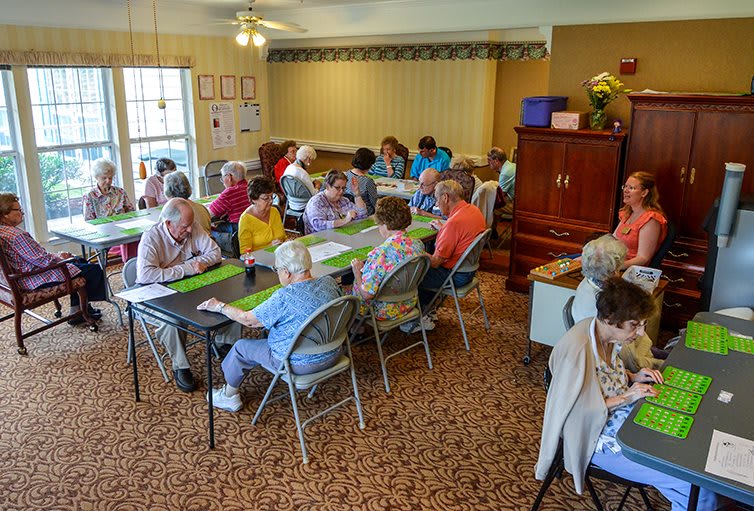
Activities are a regular feature
Residents describe ongoing activities, including scheduled groups and special events.
Multiple reviewers mention that the community stays active with planned programming and a strong activities presence. One review calls out the Activities Director and ongoing events, while others describe a packed day with activities like bingo, sing-alongs, church, and presentations. Families also say residents are encouraged to participate and that the schedule helps residents settle in and socialize.
common7 reviews mention this
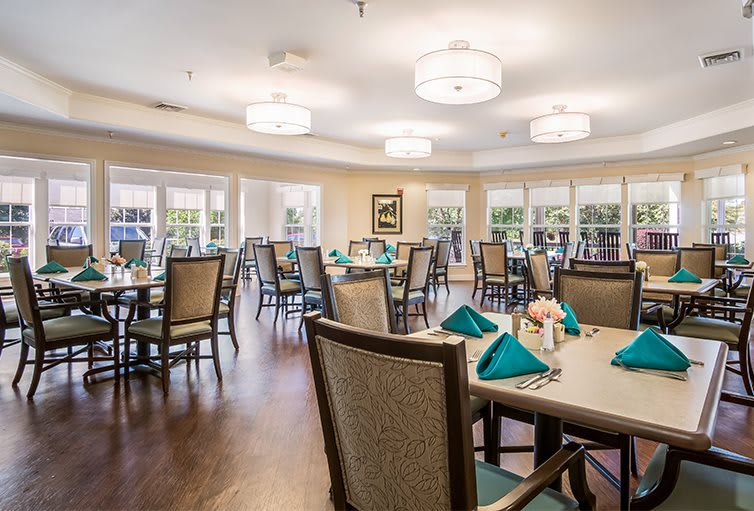
Dining quality and dietary attention
Dining earns praise, especially when families highlight dietary accommodations.
Several reviews describe good meals and menus, including meal delivery to rooms when needed. Others specifically mention dietary attention such as low-salt or no-sugar choices, and families say this makes a difference for residents. There are also some mixed comments: at least one reviewer says food quality declined at some point, including concerns about meals not being as appealing or hot enough.
common5 reviews mention this
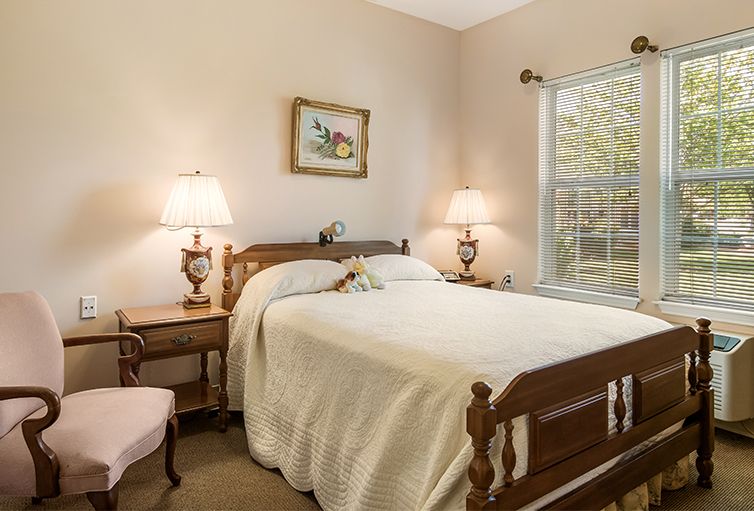
Rooms feel accessible and spacious
Families describe large, accessible rooms that work well for mobility needs.
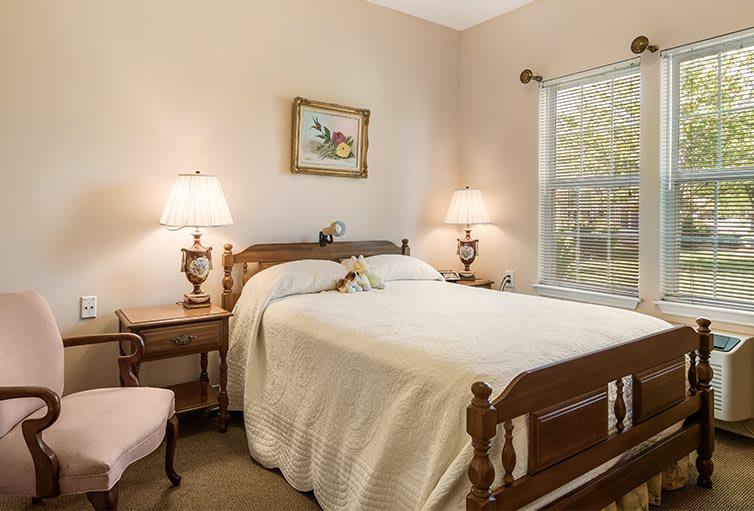
Reviewers highlight room size and accessibility, including wheelchair-friendly movement within the facility. Multiple accounts also mention specific bathroom setup and shower accessibility concerns in different directions—some describe features that support mobility, while others note a problematic shower design that created a trip hazard. Overall, residents and families appear to view the physical layout and units as a key part of whether the move works for them.
caveat5 reviews mention this
Staffing and food can be inconsistent
A recurring complaint is inconsistency, including staffing stability and food quality.
While many reviews are strongly positive, a few describe problems with staffing—such as turnover, difficulty finding and retaining good staff, or unfulfilled expectations from earlier conversations. At least one reviewer also raises concerns about food quality changing after a chef departure and says meals were not reliably good. Another account describes serious breakdowns in care or processes, which stands out against the more positive experiences.
How we summarize
Counts show how many written reviews mention each theme; a review can touch several themes, and only frequently mentioned themes are displayed.
Features
Housing
46 resident community capacity
Types of Care
Assisted Living
Pets
Cats allowed
Dogs allowed
Amenities
Activities off-site
Activities on-site
Air-conditioning
Beautician on-site
Beauty salon
Cable or satellite TV
Devotional services off-site
Devotional services on-site
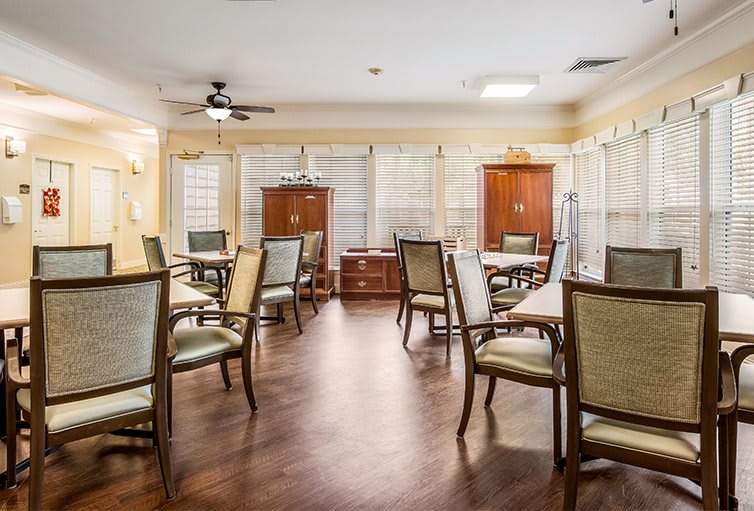
Dining room
Fully furnished
Garden
Ground floor units
Handicap accessible
Housekeeping services
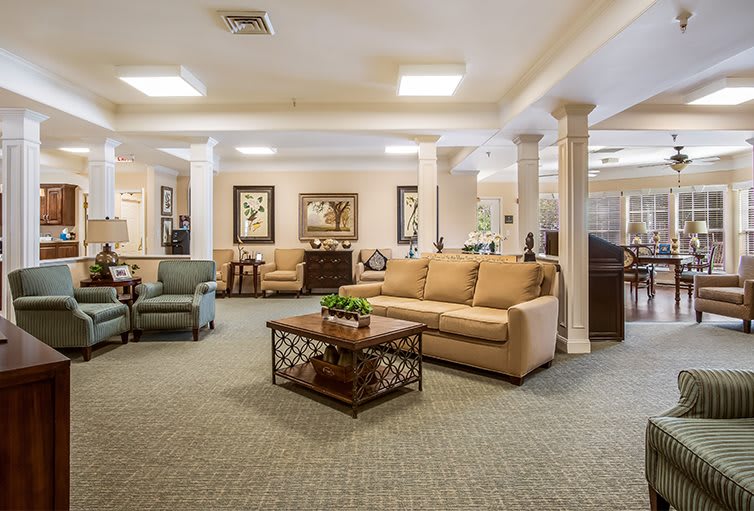
Indoor common areas
Kitchenette
Move-in coordination
Outdoor common areas
Outdoor space
Private bathrooms
Restaurant-style dining
Small library
Telephone
Wi-Fi/high-speed internet available
Transportation
Huntsville International (4 miles away)
Care Services
24-hour call system
24-hour supervision
Activities of daily living assistance
Ambulatory care
Assistance with bathing
Assistance with dressing
Assistance with transfers
Diabetes diet
Diabetic care
High acuity care
Incontinence care
Meal preparation and service
Medication management
Mental wellness program
Special dietary restrictions
Dining
Diabetes diet
Gluten-free
Guest meals
Kosher
Low / no sodium
Meals provided
No Sugar
Restaurant style dining
Room service
Special dietary restrictions
Vegetarian
Activities
Art classes
Community-sponsored activities
Day trips and outings
Devotional activities offsite
Devotional activities on-site
Educational speakers / life long learning
Happy hour
Live dance or theater performances
Live musical performances
Live well programs
Resident-run activities
Scheduled daily activities
Stretching classes
Yoga / chair yoga
Nearby Places of Interest
This part of Madison, Alabama boasts a convenient location with easy access to medical facilities such as North Alabama ENT Associates PC and Madison Hospital. There are several pharmacies nearby including Madison Health Mart Pharmacy and Walgreens for all your medication needs. In terms of dining options, there is a variety of restaurants like Moe's Original BBQ and Old Mexico Cantina within a short distance. For relaxation and outdoor activities, Shelton Park and Palmer Park provide green spaces for leisurely walks. Additionally, there are places of worship such as The Grove Baptist Church and Mt Zion Baptist Church for spiritual support. The Huntsville International Airport is also easily accessible for any travel needs. Overall, this area offers a mix of amenities that cater to the needs of seniors looking for a comfortable living environment in Madison, Alabama.
Physicians
North Alabama ENT Associates PC (0.1 miles)
Valley Behavioral Services (0.2 miles)
Pediatric Associates Of Madison PC (0.3 miles)
Angela Renee Sommerset (0.6 miles)
Crestwood Medical Group Family Medicine Madison Blvd (0.7 miles)
Panacea O'Neill Medical Group (1.1 miles)
Outpatient Diagnostic Center of Alabama (1.3 miles)
Hospitals
Madison Surgery Center (0.4 miles)
Madison Hospital (4.2 miles)
Madison Hospital Emergency Department (4.4 miles)
Brooks Home Healthcare (7.4 miles)
Pharmacies
Madison Health Mart Pharmacy (0.6 miles)
Walgreens (0.9 miles)
CVS Pharmacy (1.1 miles)
Walgreens (1.2 miles)
Walgreens (4 miles)
Walgreens (4.3 miles)
Star Market Pharmacy (4.4 miles)
Restaurants
Jack's (0.8 miles)
Old Black Bear Brewing Company (0.8 miles)
Moe's Original BBQ (0.9 miles)
Slim Chickens (1.1 miles)
Old Mexico Cantina (1.2 miles)
Wendy's (1.2 miles)
Little Libby's Catfish & Diner (1.2 miles)
Cafes
Just Love Coffee Cafe (0.9 miles)
Grounded Coffee (4.1 miles)
Starbucks (4.3 miles)
Alchemy (5.1 miles)
Blue Plate Cafe (7.3 miles)
Parks
Shelton Park (1.6 miles)
Palmer Park (2.3 miles)
Milton Frank Stadium (7.4 miles)
Places of Worship
Church of Jesus Christ of Latter Day Saints (3.3 miles)
The Grove Baptist Church (4.4 miles)
Oakwood University Seventh Day Adventist Church (6.4 miles)
Mt Zion Baptist Church (6.6 miles)
Transportation
Signature Flight Support (3.6 miles)
Huntsville Airport Baggage Claim (3.7 miles)
Huntsville International Airport (HSV) (3.8 miles)
The Neighborhood at Madison offers competitive pricing for its living arrangements when compared to both Madison County and the broader state of Alabama. For instance, a studio apartment at The Neighborhood is priced at $2,990 per month, which is notably lower than the county's average of $3,239 and the state's average of $3,279. Similarly, one-bedroom units are available for $3,750 - a slight premium over Madison County's average of $3,719 but still below Alabama's statewide average of $3,417. However, it is in the two-bedroom category where The Neighborhood stands out significantly; with a monthly rate of $5,600, it exceeds both the county's average of $4,090 and the state's average of $3,788. This pricing structure reflects a unique balance between quality and value that prospective residents may find particularly appealing as they weigh their options in this vibrant community.
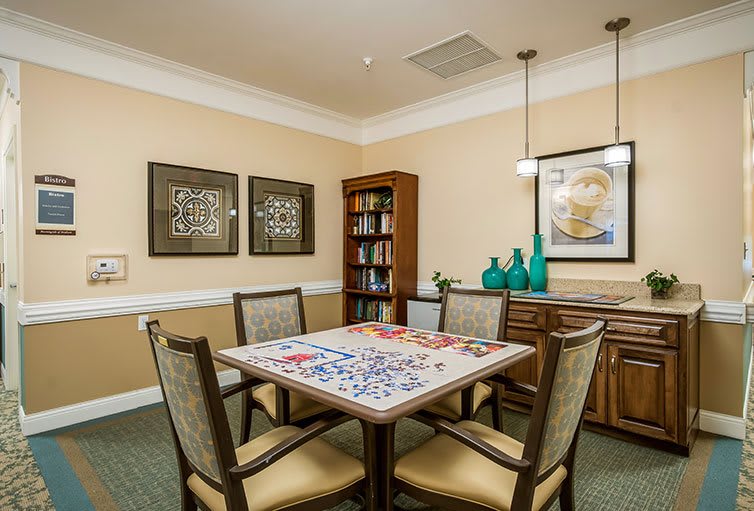
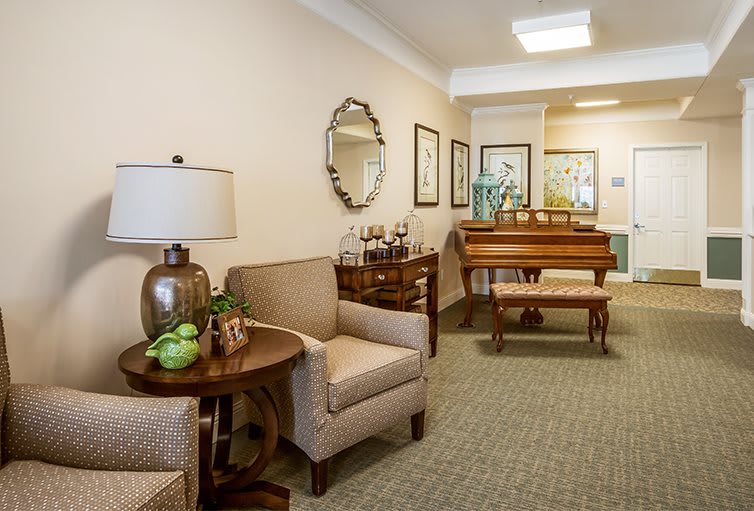
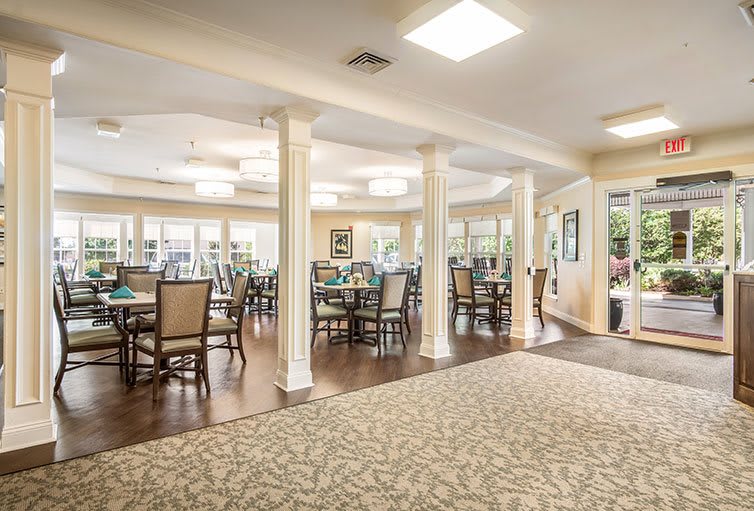
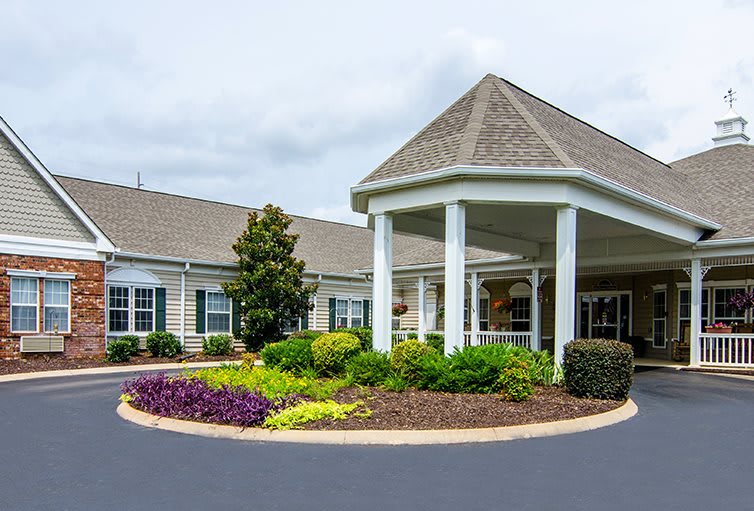
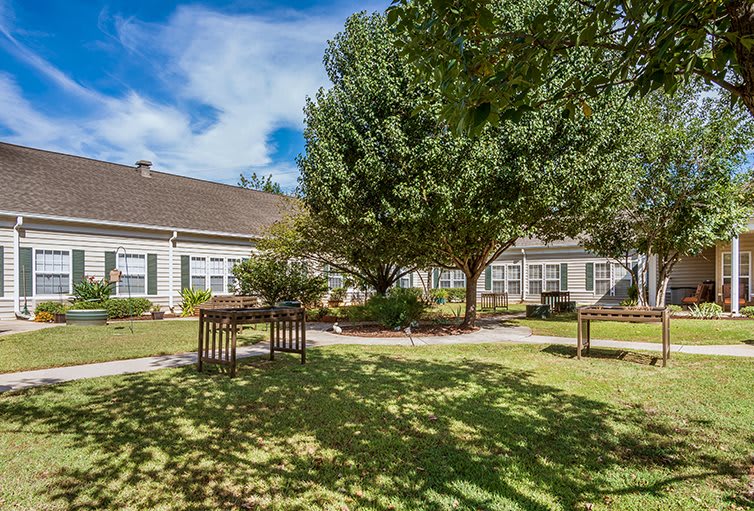
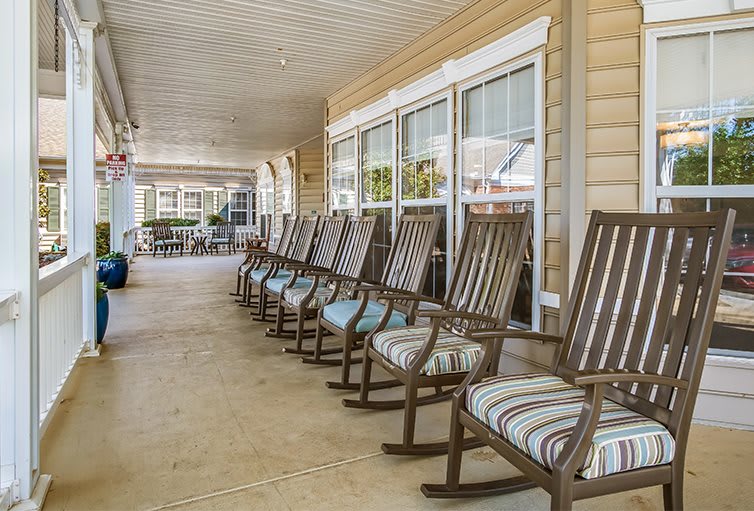
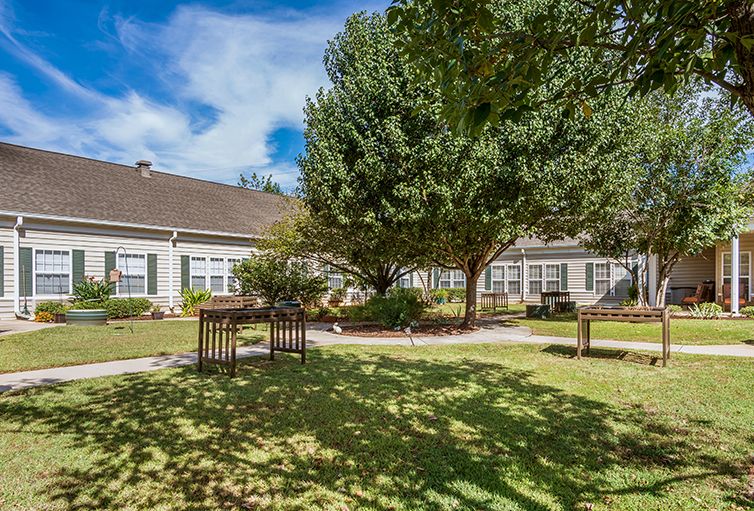
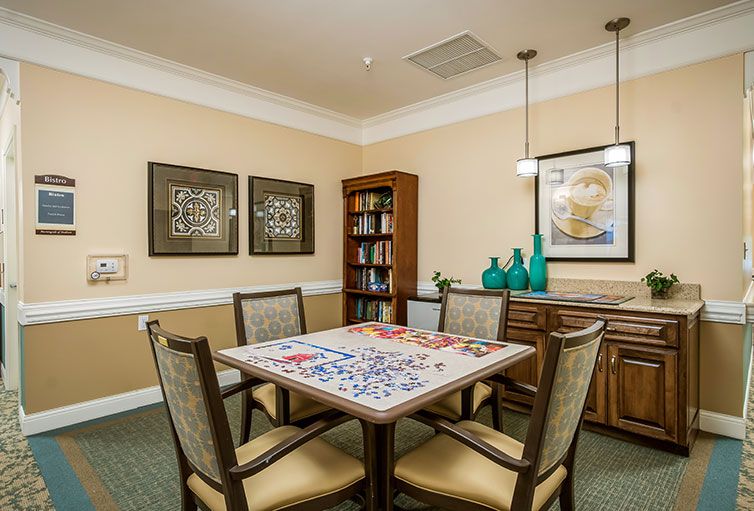
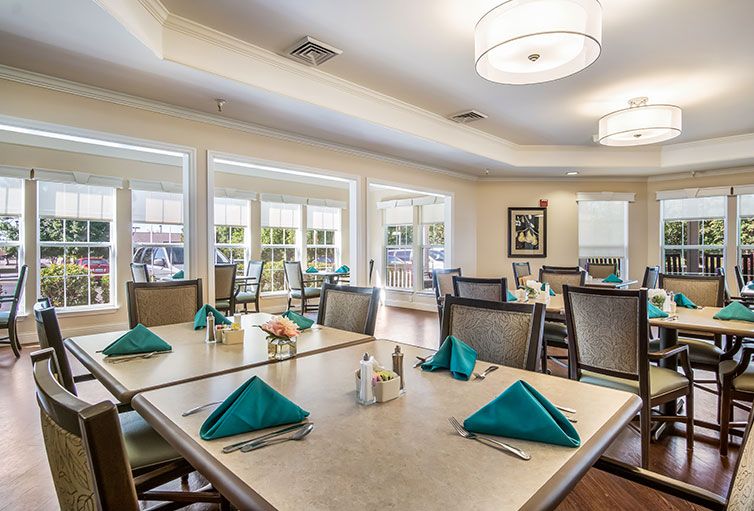
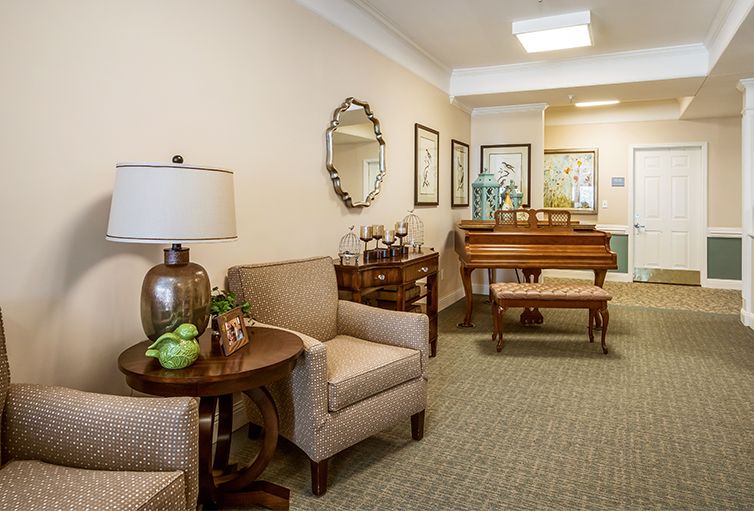
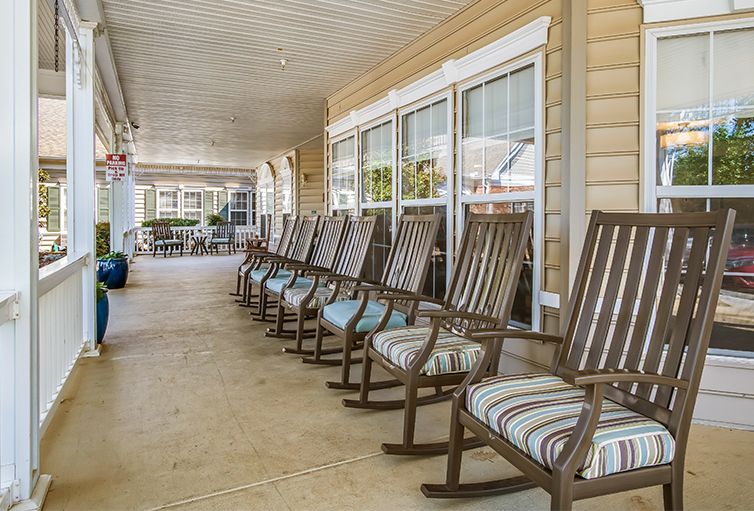
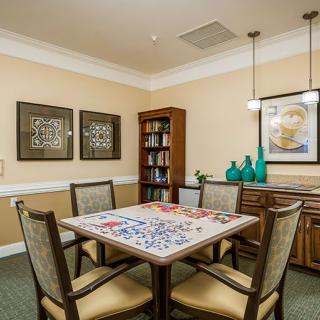
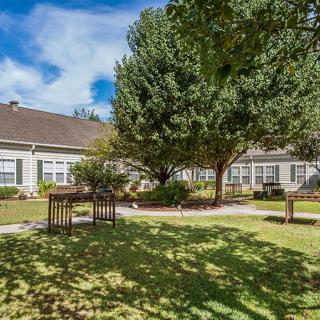
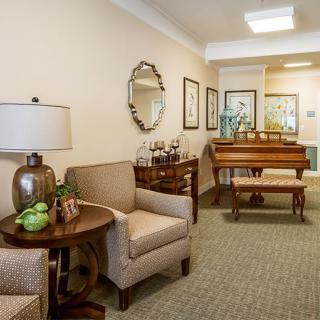
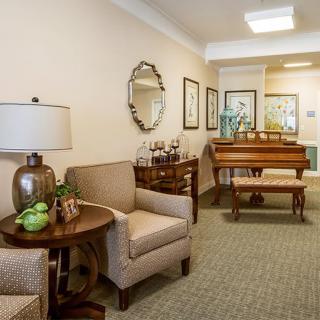
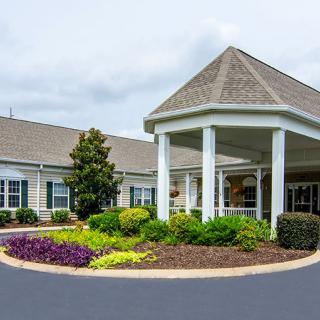
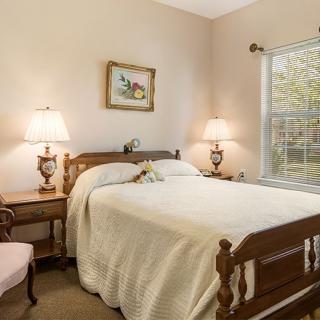
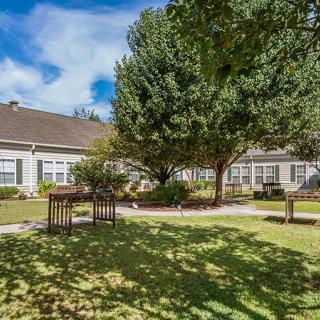
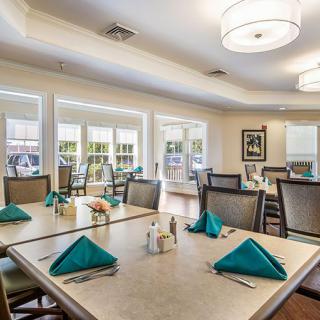
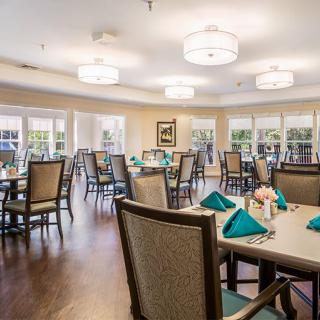
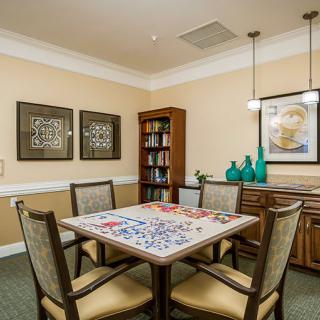
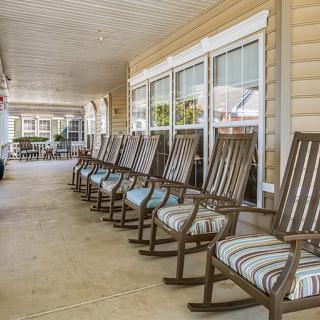
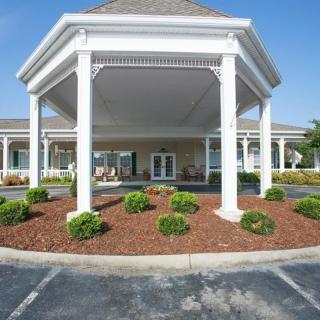
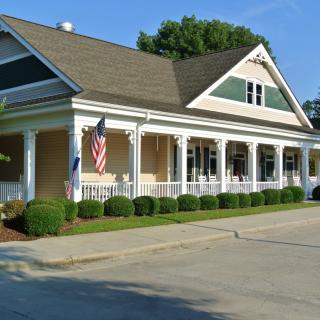
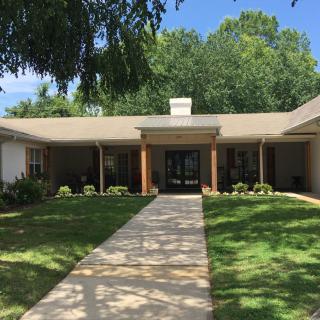
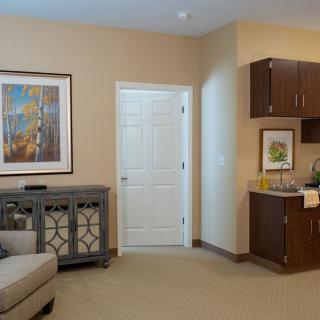
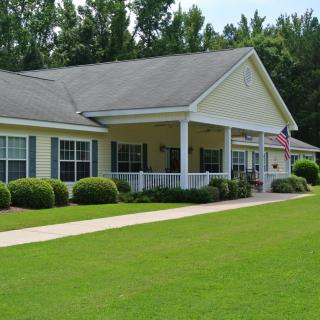
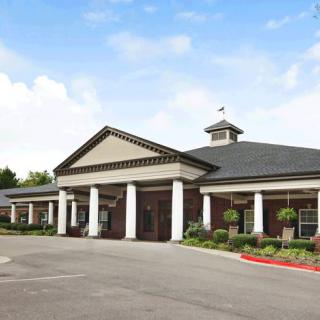
The Neighborhood at Madison on seniors.fyi includes 23 photos including images showing interior, floor plan, bedroom, dining, decor, living room, building, landscaping, and more.
Nearby Communities
The Madison Village
Madison, AL
4.4 from 27 reviews
$1,930 to $3,750 / month
Friendly staff, clean facilities, and a sense of community.
Madison Manor Nursing Home
Madison, AL
4.2 from 46 reviews
Compassionate staff in a homelike, smaller facility.
Caring Senior Service Huntsville
Madison, AL
5 from 1 review
Dublin Village Apartments
Madison, AL
1.7 from 3 reviews
Excellent access to healthcare, dining, and other nearby amenities.
Villas at Madison
Madison, AL
4.1 from 8 reviews
Small, personalized community with meal service and medication management.
Magnolia Trace
Huntsville, AL
4.4 from 110 reviews
Spacious rooms and excellent dining with friendly staff.
Madison at The Range
Madison, AL
4.3 from 146 reviews
$3,495 to $6,495 / month
Caring staff in a clean, engaging community with outdoor access.
Vitality Living Upland Park
Huntsville, AL
4.5 from 83 reviews
$2,250 to $5,900 / month
Welcoming community in a great Huntsville location with robust amenities.
Proveer at Byrd Springs
Huntsville, AL
4.3 from 35 reviews
$3,000 to $3,910 / month
Friendly, attentive staff with engaging activities in a clean, secure environment.
Assisted living in 2025 offers a crucial balance of independence and support for seniors, with costs varying from $2,500 to over $7,000 per month based on factors such as location and care level. Understanding pricing complexities, including regional differences and potential hidden fees, is essential for families to plan financially while ensuring quality care for their loved ones.
The guide outlines the complexities of Medicaid coverage for assisted living, highlighting significant state-to-state variations, limited coverage often restricted to personal care services, and the existence of specialized waivers for certain needs like memory care. It advises families to consult local Medicaid offices for options while emphasizing the importance of understanding state-specific regulations and facility policies.
Medicaid coverage for assisted living varies by state and is primarily available to low-income individuals, with eligibility dependent on strict income and asset limits. Some states offer HCBS waivers for specific services in assisted living, but families must generally cover room and board costs, and should verify facility acceptance of Medicaid while considering potential waiting lists.
Get PricingAsk A QuestionSchedule A TourContact Senior Advisor
By clicking submit, you agree to our Partner's Terms of Use. You
also consent to receive calls and texts, which may be autodialed, from our Partner. Your consent is not a condition to
using our Partner's service. Please visit our Partner's Privacy Policy for information about their privacy practices.

 46 resident community capacity
 Assisted Living
 Cats allowed
 Dogs allowed
 Activities off-site
 Air-conditioning
 Beautician on-site
 Cable or satellite TV
 Devotional services off-site
 Dining room
 Fully furnished
 Garden
 Ground floor units
 Handicap accessible
 Housekeeping services
 Indoor common areas
 Kitchenette
 Move-in coordination
 Outdoor common areas
 Private bathrooms
 Restaurant-style dining
 Small library
 Telephone
 Wi-Fi/high-speed internet available
 Huntsville International (4 miles away)
 24-hour call system
 Ambulatory care
 Assistance with bathing
 Assistance with dressing
 Assistance with transfers
 Diabetes diet
 Diabetic care
 High acuity care
 Incontinence care
 Medication management
 Mental wellness program
 Special dietary restrictions
 Art classes
 Day trips and outings
 Educational speakers / life long learning
 Happy hour
 Live dance or theater performances
 Live musical performances
 Live well programs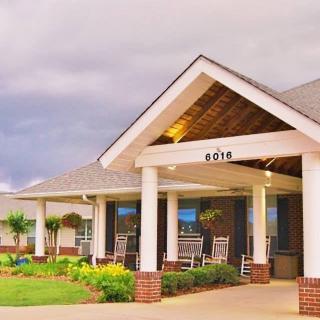
 Friendly staff, clean facilities, and a sense of community.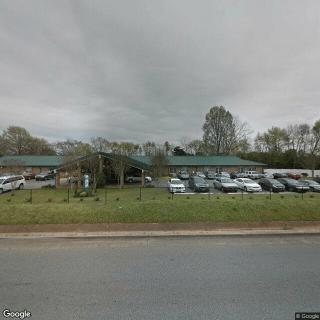


 Understanding the True Cost of Assisted Living in 2025: A Comprehensive Guide
 Understanding Medicaid Coverage for Assisted Living: A Comprehensive Guide
 How and When Medicaid May Cover Assisted Living Costs