
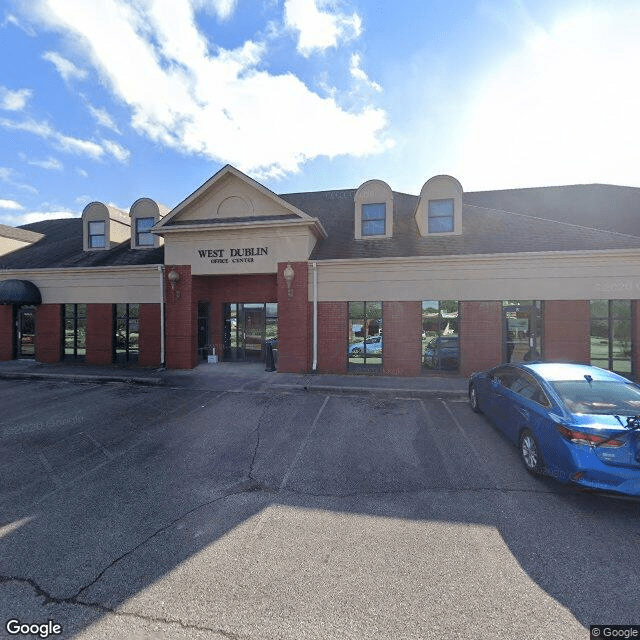
3776 Sullivan Street, Madison, AL 35758
To contact a resident: (866) 397-0496
For more information about senior living options: (866) 208-4318
Overall Review of Caring Senior Service Huntsville
Pros
 Tiffanie Hicks is happy to work with us on a care plan.
- She currently provides staffing to Redstone and several other Memory Care homes in HSV, showing she has a large staff.
- She matches staff to patients and keeps staffing consistent.
- She handles all personal care, meals, outings, medications, etc.
- She understands the need for mental and physical stimulation for Alzheimer’s patients.
Cons
 None detected. The excerpt contains only positive statements about staffing and care planning.
Review
Caring Senior Service Huntsville in Madison is best suited for families seeking a memory-care oriented option with a strong emphasis on staffing reliability and individualized attention. The program is built around Alzheimer’s and related dementias, with a clear focus on pairing staff to residents and maintaining consistent caregivers. An Agency Director, Tiffanie Hicks, anchors care planning and staffing decisions, and the operation leverages a large, active team to cover personal care, meals, outings, medications, and daily routines. For families worried about fragmentation or turnover, this model promises steadiness: caregivers are matched to each patient and assignments are kept stable to the extent possible, a factor that directly supports safety, recognition, and meaningful engagement for residents.
There are clear reasons some families may want to weigh alternatives before choosing. Those prioritizing a more medicalized setting, with on-site physicians, advanced nursing oversight, or a traditional assisted-living model that integrates stronger clinical protocols, may find other communities that align more closely with that structure. Similarly, if a preference exists for a facility with a long-standing in-house medical director and a broader continuum of care within a single campus, comparison shopping is prudent. This option’s strength lies in dementia-focused staffing and activity programming, not necessarily in-house medical hierarchies, so families should ensure the right balance of clinical oversight for their loved one’s needs.
The leading strengths here hinge on robust staffing and purposeful engagement. A large staff body enables flexible scheduling, rapid coverage for shifts, and the capacity to tailor assignments to the cognitive and physical profile of each resident. The ability to match staff to patients reduces the chaos that often comes with high caregiver turnover and helps sustain consistent routines, an important factor for someone living with memory impairment. Beyond basic care, the program delivers a comprehensive package: personal care, meals, outings, and medications are all within the facility’s remit, reducing the burden on families and promoting continuity of daily life. This combination translates into practical benefits: more reliable supervision, smoother meal and activity schedules, and fewer abrupt changes in caregivers that can unsettle a resident.
Equally important is the emphasis on mental and physical stimulation tailored to ALZ patients. The team understands that cognitive engagement and structured activity are not luxuries but necessities for maintaining function and mood. Outings and planned engagement strategies are designed to preserve identity and interest, helping residents feel seen and purposeful rather than isolated. In memory care, this is the differentiator between passive supervision and active, meaningful daily life. Families concerned about the loneliness or agitation that can accompany dementia may find real value in a program that treats stimulation as a core diagnostic and caregiving activity, rather than an afterthought.
However, there is a caveat that prospective families should acknowledge. The feedback base for this community rests on a single, highly favorable review, which limits the ability to gauge variability across shifts, weekends, and different staff teams. The reliance on agency staffing models can introduce unpredictability if demand spikes or if turnover fluctuates; while the director-led planning mitigates this risk, due diligence remains essential. Prospective residents should verify how staffing consistency is maintained across all shifts, request a tour of typical day-to-day operations, and ask for recent staff retention metrics and caregiver-to-resident ratios. Gathering multiple perspectives will provide a fuller, more actionable picture.
In practical terms, this option is compelling for families who prioritize dementia-specific staffing, predictable caregiver assignments, and an engaging activity program coupled with reliable daily care. It suits residents who will benefit from a steady routine, personalized attention, and opportunities for social engagement through outings and structured programming. For those whose decision hinges on high-level medical oversight, or who require a more traditional, in-house clinical model, alternatives should be explored. The next step is a focused visit: meet the Agency Director, tour the facility’s activity spaces, review care plans and staffing schedules, and request a sample week of programming to confirm that the reality aligns with the stated strengths.
 Huntsville International (3 miles away)





 Navigating the Financial Road to Nursing Home Care: In-Depth Guidance and Resources
 Supportive Employee Benefits That Help Caregivers Attain Better Work-Life Harmony
 Top Cars for Senior Drivers and Essential Safety Innovations