
12060 County Line Road, Suite J #242, Madison, AL 35756
To contact a resident: (256) 400-1553
For more information about senior living options: (866) 208-4318
Overall Review of Supportive Living Home Care
Pros
 The staff care deeply for the residents.
- Heritage Assisted Living and Memory Care provides extraordinary senior care.
- The atmosphere is small, family-like, and friendly, with staff who remember resident names and understand their needs.
- The dining area feels like a home dining room, and the food is very tasty.
- The memory care environment is nurturing and comforting, leaving residents calmer and happier.
- Memory Care staff Evelyn, Stacey, Karen, and Margaret are amazing and attentive.
- The Assisted Living staff Marion, LA, Niecey, Liken, Shannon, and Jennifer are kind and attentive to residents' needs.
- Betsy (Director) and Allyson (Nurse Director) offer excellent communication and management with engaging activities and a wholesome environment.
- The facility is a home away from home where residents are treated like family.
Cons
 Be fair warned the administration here are not smarter than a 5th grader.
Review
Heritage Assisted Living and Memory Care in Madison is best suited for families seeking a small, home-like setting where residents are known by name and cared for with tangible warmth. It excels for couples or aging parents who value a calm, family-oriented atmosphere, tight-knit staff relationships, and a seamless blend of memory care and assisted living under one roof. The community tends to attract families who want hands-on involvement, regular communication, and activities that feel more like a daily living environment than a sterile institution. For seniors who prioritize personal touches, gentle routines, and spiritual or faith-aligned programming, Heritage stands out as the right fit.
Those who may want to consider alternatives are residents with demands for a larger campus, more clinical breadth, or highly structured medical programming. A reviewer flagged concerns about administration, suggesting that leadership may not always meet expectations for sharp, proactive decision-making. For families needing aggressive, hospital-style medical supervision, or a facility with a higher-profile rehab program and broader on-site specialists, a bigger operator or a more medical-centric setting could feel more reassuring. In short, this is less about care quality and more about scale, formal systems, and the level of clinical density desired.
The strongest pros center on the human core of care. Staff consistently demonstrate genuine warmth, attentiveness, and the ability to recall individual histories, preferences, and needs. The environment feels intimate and welcoming, with a dining area arranged like a home kitchen and food described as tasty. Memory care is described as nurturing and calming, with care teams that go above and beyond to tailor routines, activities, and spiritual or social programming to residents. Leadership communication and daily operations often align with this ethos, translating into reliable updates and a predictable, comfortable rhythm for residents and their families. The combination of personalized attention, a home-like culture, and engaging activities creates a compelling value for families prioritizing connection and continuity.
On the con side, the most consistent criticism centers on administration, with at least one review characterizing leadership as lacking in basic prudence. While this view is not universally echoed, it underscores a real consideration: some families may prefer a more structured, transparent governance experience or a facility with longer-tenured corporate oversight. Yet the documented day-to-day care, strong staff relationships, and frequent family involvement often mitigate concerns about governance by delivering dependable, who-you-know care. The small size, while a strength for intimacy, can also limit the breadth of on-site resources and the sheer variety of offerings that a larger campus might provide, especially around specialized therapies or cross-department medical coordination.
Decision-making for families should hinge on how much weight is given to intimate, relational care versus the comfort of broader clinical resources. Heritage shines when a loved one benefits from consistent, attentive staff who treat residents like family, with a high-quality dining experience, meaningful activities, and robust memory care support that feels dignified and comforting. For those who want a proactive administrator who champions rapid problem-solving and scalable clinical supports within a larger ecosystem, alternatives may prove more reassuring. Pros offset cons most effectively when families prioritize trust, continuity, and a sense of living permanently at a welcoming, caring home rather than at a larger, more formal facility.
In practical terms, approach Heritage with clear questions about governance style, staffing stability, and how care plans are reviewed and updated. Meet with Betsy, the director, and the nurse director, Allyson, to gauge responsiveness and transparency in the management process. Observe the pace and tone of conversations with staff and how residentsā€™ preferences are integrated into daily routines. If family members value being involved in activities, outings, and spiritual or social programming, Heritage offers a compelling platform for joint participation and peace of mind. If, instead, the primary priorities include extensive campus amenities, expansive rehab programs, or a large network of specialists, it would be prudent to explore larger, more resource-dense options. The bottom line is clear: Heritage delivers a warm, intimacy-driven living experience that resonates deeply with many families; for others, a different environment with broader clinical capacity may be the smarter choice.
 Huntsville International (6 miles away)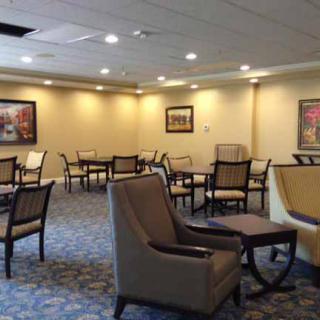






 Financing Long-Term Nursing Home Care Through Social Security: A Thorough Exploration
 Essential Knowledge on Pneumonia in Older Adults
 Exploring Palliative Care in the Home: A Comprehensive Overview