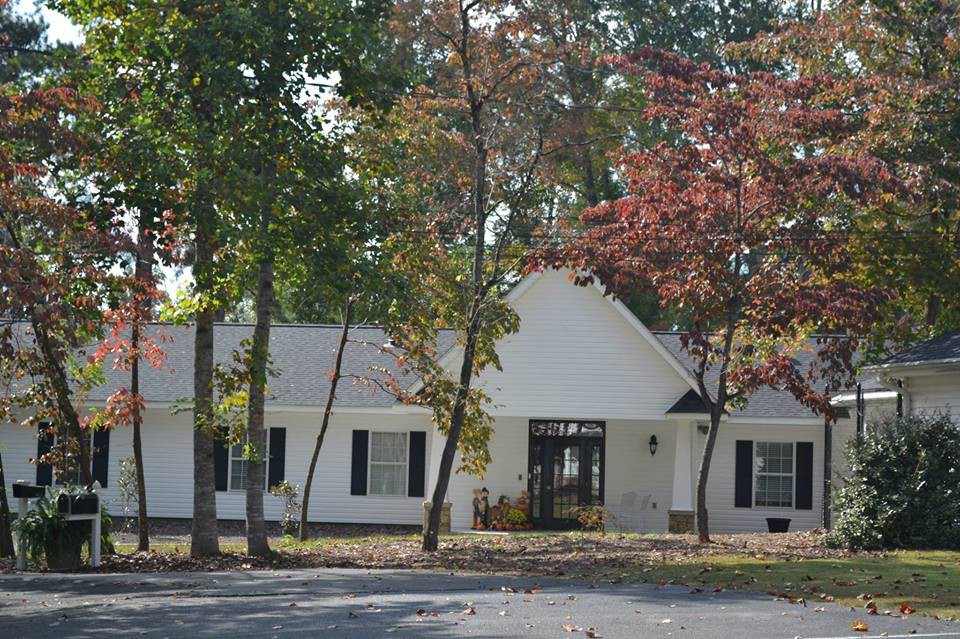
Jacobs House I in Hayden, AL

Save
Jacobs House I

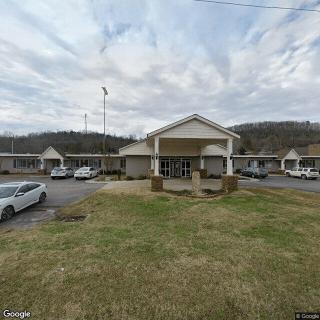
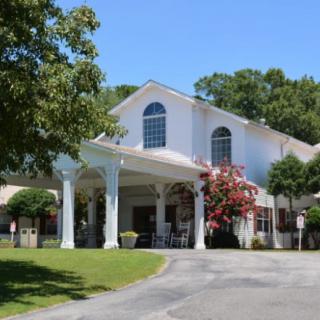
Jacobs House I in Hayden, AL

101 Jacobs Lane, Hayden, AL 35079

For more information about senior living options: (844) 490-3973

3.6 from 7 reviews
5 stars
3
4 stars
0
3 stars
3
2 stars
0
1 stars
1

Assisted Living Board and Care Home Memory Care

What level of care are you interested in?

Assisted Living

Memory Care

Independent Living

Skilled Nursing Facility

Continuing Care Retirement Community (CCRC)CCRC

Other


Request a tour at Jacobs House I

    Overall Review of Jacobs House I

    Pros

    • pro The staff are very caring.
    • pro It is a great home for a mother.
    • pro The short red-haired nurse is favored.

    Cons

    • pro The patients are receiving only the minimum care they need.
    • pro There is no TV in the lobby where patients sit all day.
    • pro The tiles in the visitor bathroom are broken and in need of repair.

    Review

    Jacobs House I in Hayden, AL is best suited for families that prioritize a small, home-like atmosphere and a steady, compassionate caregiving presence over lavish amenities or clinical polish. It works well for seniors who do not require frequent, high-acuity medical oversight but still need reliable assistance with activities of daily living and daily supervision. The setting emphasizes warmth, routine, and personal attention more than upscale finishes or robust programming. In practical terms, this community appeals to families seeking a recognizable, intimate living environment where caregivers form meaningful relationships with residents.

    Those evaluating Jacobs House I should also consider alternatives if certain needs are non-negotiable. For residents requiring constant medical monitoring, frequent therapy, or a highly active social calendar, the facility's offerings may fall short. Maintenance and common-area upkeep appear inconsistent, with notes of repair needs around bathrooms and a sense of understated finishes that can leave the environment feeling underwhelming. If a loved one needs enhanced engagement, richer programming, or more polished surroundings, it's wise to explore other communities that promise stronger daily activity schedules and more comprehensive environmental upkeep.

    On the positive side, the strongest attribute is the caregiving staff. Reviewers consistently describe staff as caring, creating a sense of home and reassurance for families. The impression of genuine, attentive care translates into a reliable routine for residents, with particular emphasis on benevolent, hands-on support. One account highlights a devoted nurse as a standout, suggesting that a few key caregivers can make a significant difference in daily life. This human-centric strength matters deeply when families worry about a loved one's comfort, safety, and emotional well-being.

    Yet those favorable impressions are tempered by notable gaps. The occasional assessment that care remains at a minimum level signals inconsistent expectations across shifts or staff members. Such variability can make it hard for families to feel consistently confident that needs are being met beyond the basics. The physical environment reinforces this concern: broken or dated fixtures and limited communal amenities can undermine the sense of a thriving, engaging home. The absence of common social touchpoints - like a welcoming lobby area with accessible entertainment - can translate into quieter days for residents who crave activity and interaction.

    Despite the drawbacks, the human element can offset several drawbacks for the right resident profile. For families prioritizing dependable daily presence and a reassuring routine, the staff's warmth can provide a meaningful counterweight to the facility's maintenance quirks and variable care intensity. The intimate scale of Jacobs House I allows caretakers to notice subtleties in a resident's condition and respond with quick, personalized adjustments. In such cases, the trade-off becomes practical: fewer frills and occasional upkeep challenges in exchange for reliable, compassionate supervision and a sense of belonging within a familiar, family-like setting.

    For families actively comparing options, a disciplined decision framework is essential. Start with a concrete needs assessment: determine the level of medical oversight, daily living supports, and social programming required, then measure those needs against what Jacobs House I delivers. Inquire about staff stability, shift coverage, and how care plans are documented and updated for families. Inspect the living spaces for safety, cleanliness, and maintenance responsiveness. If memory care, higher acuity care, or a robust activity calendar are non-negotiables, pursue alternatives with stronger offerings in those areas. Jacobs House I presents a solid, dependable choice for the right resident, but it requires proactive management by families and administrators to bridge maintenance gaps and ensure care levels stay consistently aligned with expectations.

    Features

    Housing

    • 16 resident community capacity 16 resident community capacity

    Types of Care

    • Assisted Living Assisted LivingAssisted living facilities provide crucial support and care for seniors who may need help with daily tasks such as medication management, bathing, and meal preparation. These communities offer a safe and comfortable environment where seniors can maintain their independence while receiving the assistance they need to thrive in their golden years.
    • Board and Care Home Board and Care HomeBoard and care homes provide a smaller, more intimate setting for seniors who require assistance with daily tasks but do not need the level of care offered by a nursing home. They offer personalized care, meals, and social activities in a homelike environment, ensuring that seniors receive individualized attention and support in their golden years.
    • Memory Care Memory CareMemory care is crucial for seniors as it provides specialized support and services for individuals with dementia or Alzheimer's disease. These programs offer a safe and secure environment where residents receive personalized care, cognitive stimulation, and help with daily activities. Memory care helps seniors maintain their independence, quality of life, and dignity while also providing peace of mind for their families.

    Amenities

    • Cable or satellite TV Cable or satellite TVCable or satellite TV is important for seniors because it provides entertainment, news, and companionship, helping to combat loneliness and boredom. It also offers a wide range of programming options tailored to different interests and preferences.
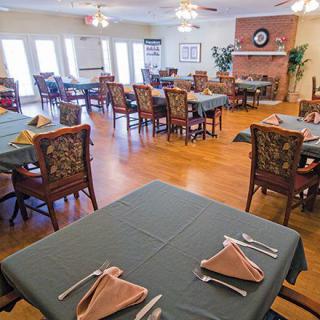
    • Dining room Dining roomDining rooms are important for seniors as they provide a space for socialization, connection, and nutritious meals. They offer opportunities for residents to bond over shared meals, foster a sense of community, and promote healthy eating habits. Dining rooms also ensure that seniors have access to well-balanced meals tailored to their dietary needs and preferences.
    • Fully furnished Fully furnishedFully furnished senior living communities are important for seniors because they provide convenience, comfort, and a hassle-free moving experience. Seniors can easily settle into their new living space without the stress of having to buy and move furniture. This allows them to focus on enjoying their new home and community.
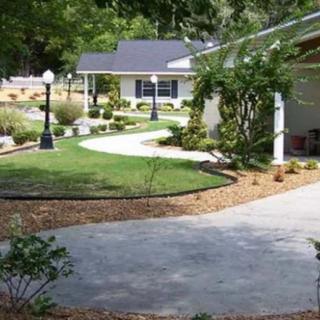
    • Garden GardenGardens are important for seniors as they provide a peaceful and therapeutic environment for relaxation, physical activity, and socialization. Being in nature has been shown to reduce stress, improve mood, and promote overall well-being. Gardens also offer opportunities for seniors to engage in gardening activities, which can improve mobility, flexibility, and cognitive function. Additionally, gardens create a sense of community and connection with others who share a passion for plants and outdoor spaces.
    • Housekeeping services Housekeeping servicesHousekeeping services are important for seniors because they help maintain a clean and safe living environment, promote independence, and reduce the risk of accidents or illnesses. Additionally, having assistance with household chores can alleviate physical strain and allow seniors to focus on other aspects of their well-being.
    • Move-in coordination Move-in coordinationMove-in coordination is important for seniors because it helps ease the transition into their new living environment. It ensures that all logistics, such as packing, organizing movers, and setting up utilities are taken care of, allowing seniors to focus on settling in and adjusting to their new home. Having a smooth move-in process can alleviate stress and anxiety, making the transition smoother and more enjoyable for seniors.
    • Outdoor space Outdoor spaceOutdoor spaces are important for seniors as they provide opportunities for physical activity, social interaction, exposure to natural light and fresh air, and a sense of connection to nature. Having access to outdoor spaces can improve overall well-being and quality of life for older adults living in senior communities.
    • Telephone TelephoneTelephones are important for seniors as they provide a lifeline for communication with loved ones, emergency services, and healthcare providers. They offer a sense of security and independence, enabling seniors to stay connected and access assistance when needed.
    • Wi-Fi/high-speed internet available Wi-Fi/high-speed internet availableWi-Fi/high-speed internet is important for seniors to stay connected with loved ones, access online resources, and participate in virtual activities to combat feelings of loneliness and isolation. It also allows them to easily manage healthcare needs, access entertainment, and engage in lifelong learning opportunities.

    Transportation

    • Birmingham International (23 miles away) Birmingham International (23 miles away)

    Care Services

    • 24-hour supervision 24-hour supervision24-hour supervision is important for seniors to ensure their safety, well-being, and access to immediate assistance in case of emergencies or health issues. This constant support provides peace of mind for both seniors and their loved ones, allowing them to age in place with dignity and security.
    • Activities of daily living assistance Activities of daily living assistanceActivities of daily living assistance are important for seniors because they provide essential support with tasks such as eating, bathing, dressing, and mobility. This assistance helps seniors maintain their independence, dignity, and overall quality of life as they age.
    • Assistance with bathing Assistance with bathingAssistance with bathing is crucial for seniors as it helps maintain personal hygiene, prevents infections, and ensures their overall well-being and comfort. It also provides a sense of dignity and independence for seniors who may struggle with this task on their own.
    • Assistance with dressing Assistance with dressingAssistance with dressing is important for seniors because it helps maintain their independence, promotes personal hygiene, prevents accidents and injuries, and improves overall quality of life. This service ensures that seniors can continue to dress comfortably and confidently, despite any physical limitations they may have.
    • Assistance with transfers Assistance with transfersAssistance with transfers is crucial for seniors as it helps prevent falls and injuries, maintains their independence, and ensures they can safely navigate their living environment. It also provides peace of mind for both seniors and their loved ones.
    • Coordination with health care providers Coordination with health care providersCoordination with health care providers is crucial for seniors to ensure proper medical care, medication management, and overall well-being. This collaboration helps prevent overlapping treatments, track progress more effectively, and provide comprehensive support tailored to individual needs.
    • Dementia waiver Dementia waiverDementia waivers are essential for seniors as they provide critical protections and accommodations for those experiencing cognitive decline. These waivers ensure individuals with dementia receive appropriate care, support, and resources to maintain their quality of life and dignity as they navigate the challenges of this progressive condition.
    • Diabetes diet Diabetes dietA diabetes diet is crucial for seniors as it helps manage blood sugar levels, reduce risks of complications, and improve overall health and well-being. By following a balanced and nutritious diet tailored to their specific needs, seniors can better control their diabetes and enhance their quality of life.
    • Hospice waiver Hospice waiverHospice waivers are important for seniors because they allow individuals to receive specialized end-of-life care and support at home or in a hospice facility. This waiver ensures that seniors can access the necessary resources and services to maintain comfort and dignity during their final days.
    • Meal preparation and service Meal preparation and serviceMeal preparation and service are crucial for seniors as they may have limited mobility or energy to cook nutritious meals. Having access to healthy and convenient food options can ensure they are getting the proper nutrition needed to maintain their overall health and well-being.
    • Medication management Medication managementMedication management is crucial for seniors to ensure they are taking the right medications at the correct dosages and times. This helps prevent adverse drug interactions, reduces the risk of medication errors, and promotes overall health and well-being. Proactive management also allows for adjustments as needed based on changing health conditions or new prescriptions.
    • Mental wellness program Mental wellness programMental wellness programs are essential for seniors as they promote cognitive stimulation, emotional support, and social engagement. These programs help prevent isolation, depression, and cognitive decline, ultimately enhancing the overall quality of life for older adults.
    • Mild cognitive impairment Mild cognitive impairment"Mild cognitive impairment" is important for seniors because it is an early stage of cognitive decline that can potentially progress to more severe conditions such as dementia. Recognizing and addressing mild cognitive impairment can help seniors receive appropriate care and support to maintain their quality of life and independence for as long as possible.
    • Special dietary restrictions Special dietary restrictionsSpecial dietary restrictions are important for seniors because age-related changes in metabolism and health conditions can make it difficult for their bodies to process certain foods. By following a diet tailored to their specific needs, seniors can maintain their overall health and well-being, manage chronic conditions, and reduce the risk of complications such as malnutrition or food interactions with medications.
    • Specialized memory care programming Specialized memory care programmingSpecialized memory care programming is crucial for seniors with cognitive impairments such as dementia or Alzheimer's disease. These programs provide a safe and supportive environment tailored to the unique needs of individuals with memory loss, helping them maintain their independence, dignity, and quality of life.
    • Transportation arrangement (medical) Transportation arrangement (medical)Transportation arrangements for medical purposes are essential for seniors as they may have difficulty driving themselves to appointments or accessing public transportation. Having reliable and safe transportation options ensures that seniors can receive timely medical care and maintain their health and well-being.
    • Transportation to doctors appointments Transportation to doctors appointmentsTransportation to doctors' appointments is crucial for seniors as it ensures they have access to necessary medical care and support for their health needs. Without reliable transportation, seniors may struggle to attend important appointments, leading to potential delays in treatment and health complications. Providing transportation services helps seniors maintain their overall well-being and quality of life.
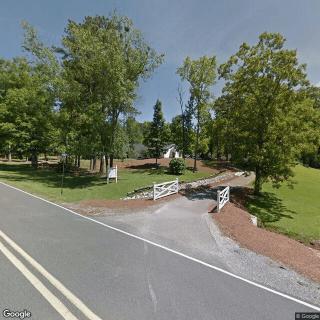
    Dining

    • Diabetes diet Diabetes dietA diabetes diet is crucial for seniors as it helps manage blood sugar levels, reduce risks of complications, and improve overall health and well-being. By following a balanced and nutritious diet tailored to their specific needs, seniors can better control their diabetes and enhance their quality of life.
    • Special dietary restrictions Special dietary restrictionsSpecial dietary restrictions are important for seniors because age-related changes in metabolism and health conditions can make it difficult for their bodies to process certain foods. By following a diet tailored to their specific needs, seniors can maintain their overall health and well-being, manage chronic conditions, and reduce the risk of complications such as malnutrition or food interactions with medications.

    Activities

    • Community-sponsored activities Community-sponsored activitiesCommunity-sponsored activities are important for seniors as they provide opportunities for social interaction, mental stimulation, and physical activity. These activities can help improve overall well-being, combat loneliness and isolation, and promote a sense of belonging and purpose among older adults.
    • Scheduled daily activities Scheduled daily activitiesScheduled daily activities are important for seniors because they provide structure, socialization, mental stimulation, and physical activity. Engaging in regular activities can improve overall well-being and quality of life for seniors living in a community setting.

    Description

    Jacobs House I in Hayden, AL is an assisted living community that offers board and care home services as well as specialized memory care. The community provides a comfortable and fully furnished environment for seniors to reside in.

    Residents can enjoy the beautiful garden and outdoor spaces, which provide a serene setting for relaxation or socialization with fellow residents. The dining room offers delicious meals prepared according to special dietary restrictions if needed. Housekeeping services are provided to ensure a clean and well-maintained living environment.

    The staff at Jacobs House I is dedicated to providing comprehensive care, including assistance with activities of daily living such as bathing, dressing, and transfers. They also coordinate with health care providers to ensure that residents receive the necessary medical attention. Specialized memory care programming is available for those with dementia or mild cognitive impairment.

    Transportation services are provided for medical appointments, making it convenient for residents to access healthcare services whenever needed. The community is conveniently located near cafes, pharmacies, restaurants, and places of worship.

    At Jacobs House I, residents can look forward to engaging in scheduled daily activities that promote mental wellness and social interaction. Wi-Fi/high-speed internet and telephone services are available to keep residents connected with their loved ones. Additionally, move-in coordination makes the transition into the community seamless.

    Overall, Jacobs House I provides a supportive and caring environment where seniors can receive personalized assistance while enjoying various amenities and activities tailored to their needs and preferences.

    Nearby Places of Interest

    Pharmacies

    • Hayden Family Pharmacy (0.4 miles)
    • Hayden Family Pharmacy (4.8 miles)
    • Health Mart Pharmacy (4.9 miles)
    • Warrior Pharmacy (6.2 miles)
    • CVS Pharmacy (6.9 miles)
    • Locust Fork Pharmacy (8.1 miles)
    • Payless Drugs (10.7 miles)

    Places of Worship

    • Smoke Rise Baptist Church (3.7 miles)
    • Southern Baptist Convention (4.7 miles)
    • White Oak Independent Baptist Church (4.8 miles)
    • Life & Praise Assembly of God (5.5 miles)
    • Kingdom Hall Jehovahs Witness (5.5 miles)
    • Southern Baptist Convention (5.6 miles)
    • The Progressive Church of Victory (5.8 miles)

    Restaurants

    • Daylight Donuts (3.8 miles)
    • Jack's (4.8 miles)
    • Jack's (6.5 miles)
    • China Kitchen (6.8 miles)
    • Subway (6.9 miles)
    • McDonald's (6.9 miles)
    • Subway (8.1 miles)

    Cafes

    • Acoustic Cafe (4.9 miles)
    • Groovy Grub Cafe (6.1 miles)
    • Cafe On Main (16.5 miles)
    • Miller's Soda Shoppe (16.8 miles)
    • Starbucks (17.3 miles)

    Physicians

    • Warrior Medical Associates PC (7.4 miles)
    • Morris Med Clinic (10.6 miles)
    • Dodge City Medical Clinic (12.3 miles)
    • Baptist Health Center Pinson Peds (14.9 miles)
    • Primary Care Service-Blount (15.5 miles)
    • Oneonta Pediatrics (15.5 miles)
    • Baptist Health Center (15.6 miles)

    Transportation

    • Deer Tracks Equipment Rental (8.3 miles)

    Parks

    • Cullman Rest Area (13.6 miles)
    • Pinson Bicentennial Park (15.3 miles)
    • Oneonta Recreation Park (15.7 miles)

    Hospitals

    • Wound Care - Ascension St Vincent's Blount (15.5 miles)

    Frequently Asked Questions

    Where is Jacobs House I?
    Does Jacobs House I provide care for residents with dementia or Alzheimer's disease?

    Nearby Communities

    • Legacy Woods

      Legacy Woods

      Hayden, AL

      3 from 1 review
      $2,500 to $2,750 / month

      pro Competitive pricing with strong memory care options and comprehensive amenities.

    • Prince Place

      Prince Place

      Trafford, AL

      4.2 from 10 reviews
       

      pro Caring, attentive staff in a clean, home-like setting with good meals.

    • Warden Manor Assisted Living

      Warden Manor Assisted Living

      Hayden, AL


      pro Holistic care with diabetic support and off-site devotional activities.

    • Hanceville Nursing & Rehab Center

      Hanceville Nursing & Rehab Center

      Hanceville, AL

      3.4 from 35 reviews
       

      pro Loving, attentive staff with spacious, homelike accommodations.

    • Monarch Place

      Monarch Place

      Hanceville, AL

      4.3 from 46 reviews
      $2,725 to $4,125 / month

      pro Caring, accommodating staff; engaging activities; clean, well-maintained and pet-friendly with spacious apartments.

    • Home Sweet Home

      Home Sweet Home

      Gardendale, AL

      3.6 from 9 reviews
       

      pro Clean facility with long-term resident satisfaction and a sense of community.

    • The Olive Home

      The Olive Home

      Oneonta, AL

      4.5 from 11 reviews
      $1,850 to $2,150 / month

      pro Caring, dedicated staff in a clean, homey environment.

    • Proveer at Grayson Valley

      Proveer at Grayson Valley

      Birmingham, AL

      4.3 from 34 reviews
      $3,275 / month

      pro Caring, responsive staff with strong family communication and engaging activities.

    • TLC Nursing Center

      TLC Nursing Center

      Oneonta, AL

      4.8 from 108 reviews
       

      pro Caring staff and engaging activities

    Assisted Living in Nearby Cities

    Related Resources

    • reminiscence therapyAn In-Depth Look at Reminiscence Therapy in Dementia Care

      Reminiscence therapy is a structured method for older adults, especially those with dementia, to share life stories using prompts and sensory cues, fostering emotional well-being, social engagement, and self-identity. It aims to improve quality of life by enhancing interpersonal connections and cognitive stimulation while requiring careful facilitation to avoid distressing memories.

    • dementia hallucinationsDementia-Related Hallucinations: Causes, Experiences, and Practical Approaches

      Dementia, particularly Lewy body dementia, often involves hallucinations that can significantly distress both patients and caregivers due to disruptions in sensory processing and neurotransmitter imbalances. Effective management includes compassionate communication, environmental adjustments, and a multidisciplinary approach to care while addressing the emotional needs of caregivers.

    • alzheimer's factsIlluminating Insights About Alzheimer's Disease: Ten Crucial Realities
      Alzheimer’s disease is a progressive neurological disorder that significantly impacts memory and cognitive functions, accounting for 60-80% of dementia cases, with early diagnosis being crucial yet challenging. It involves brain changes like beta-amyloid plaques and tau tangles, influenced by genetic and lifestyle factors, and while there is no cure, symptom management and support for caregivers are essential.


    Get Pricing Ask A Question Schedule A Tour Contact Senior Advisor