

1100 2nd Ave E, Oneonta, AL 35121
To contact a resident: (205) 625-3190
For more information about senior living options: (866) 208-4318
The Olive Home Costs & Pricing
The Olive Home offers competitive pricing for its residents, particularly when compared to the average costs in St. Clair County and throughout Alabama. For a semi-private room at The Olive Home, the monthly cost is $1,850, significantly lower than the county's average of $3,245 and the state average of $3,495. Similarly, a studio at The Olive Home is priced at $2,150, which again undercuts both the local rate of $2,741 and the state figure of $3,279. These attractive rates reflect The Olive Home's commitment to providing quality care and comfortable living arrangements while remaining accessible to families seeking affordable options in senior housing.
| Floor plans | The Olive Home | St. Clair County | Alabama |
|---|---|---|---|
| Semi-Private | $1,850 | $3,245 | $3,495 |
| Studio | $2,150 | $2,741 | $3,279 |
Overall Review of The Olive Home
Pros
 The care, food, cleanliness, and atmosphere are all great.
- The staff at this facility are great.
- The staff at the Assisted Living Home are very nice and treat residents well.
- The facility is wonderful, and loved ones are very well cared for by great staff.
- The place is amazing; the staff go above and beyond to help and care for residents.
- The staff are wonderful, and the facility has a clean, lovely atmosphere.
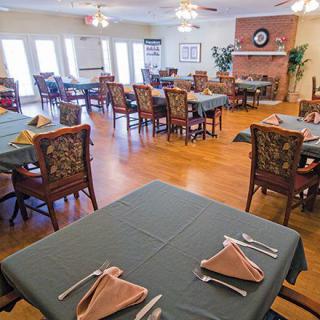
- The facility is welcoming, clean, and homey, with a warm family atmosphere.
- It was among the top two assisted living choices.
- The staff are great, the facility is good, and the CEO goes above and beyond for residents.
- The staff make residents feel at home during respite care; the owner provides daily updates; the facility is extremely clean and meals are good.
Cons
 The facility lacks activities for residents with Alzheimer's and doesn’t have enough caregivers to tend to each client.
- There is fake friendliness and insufficient staff attention to residents.
- A worker was witnessed mistreating a client, yelling at him in front of others and being verbally abusive.
- A staff member hurried a bath, leaving the resident rushed and likely not properly washed.
- A resident reportedly wandered off and staff could not locate him promptly.
- The living space is under-resourced (one room with a TV, five recliners, three tables) and has no meaningful activities to keep residents busy.
Review
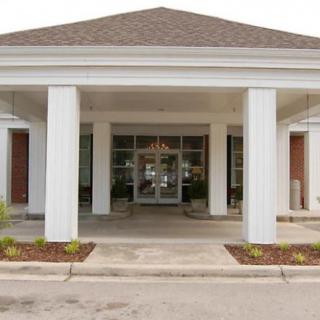
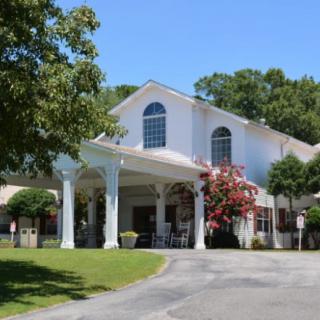
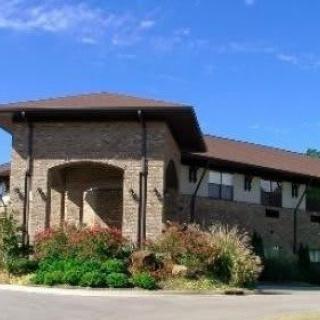
The Olive Home in Oneonta, Alabama is best suited for seniors who want a warm, home-like assisted living experience. It excels when daily life feels intimate, with clean surroundings, good meals, and staff who know residents by name. The smaller, non-sprawling layout creates a family atmosphere where residents are seen as individuals rather than a number, and where hands-on leadership from the owner/CEO translates into responsive, attentive care. For families seeking a place that prioritizes comfort, hygiene, and personal connection over institutional grandeur, The Olive Home delivers reliably.
That said, this community may not be the right fit for every situation. Those with advanced memory-care needs or complex medical supervision should consider alternatives with more structured dementia programming and higher staffing ratios. The reviews suggest limited activities tailored to residents with Alzheimer’s or other forms of dementia, and a perception that engagement options are not robust enough to keep these residents stimulated or safely supervised throughout the day. Families facing these specific needs will want to compare memory-care offerings elsewhere before deciding.
The strongest positives are tangible and meaningful. Care, food, cleanliness, and atmosphere routinely draw praise, with residents described as well cared for and treated with genuine kindness. Staff are repeatedly commended for going above and beyond, and the CEO’s visible involvement is highlighted as a reassurance for families seeking accountability and open communication. The respite care experience, where a loved one is treated as a temporary resident yet kept fully informed, also stands out as a notable strength, underscoring the community’s approach to transparency and family partnerships.
Tours and firsthand impressions reinforce the favorable view. Prospective families consistently encounter a welcoming, clean, and homey environment, with the facility’s size fostering a sense of belonging rather than detachment. In several accounts, The Olive Home ranked highly among choices, cited for its personal touch, the staff’s reliability, and the overall atmosphere. These snapshots suggest that for many residents, the day-to-day experience will feel familiar, comforting, and reassuring, an important factor when choosing a long-term care setting.
However, the negative feedback cannot be dismissed. At least one reviewer reports serious shortcomings for an Alzheimer’s resident: insufficient activities, inadequate caregiver coverage, and a climate of rushed, uneven care that left a resident under-stimulated and under-supervised. Additional concerns touch on the risk of mistreatment and safety lapses, limited outdoor time, restrictive routines, weight loss, and gaps in basic personal care. While these are not universal, they signal that staffing levels, activity programming, and vigilant supervision are areas where the home may fall short for certain residents and families.
For families weighing The Olive Home, the recommended approach combines praise with due diligence. Schedule a thorough visit focused on memory-care readiness if memory loss is a possibility, inquire about daily activity calendars, caregiver-to-resident ratios by shift, and the process for monitoring and reporting concerns. Request meetings with the administrator and the CEO, review recent inspection or survey outcomes, and speak directly with current families about ongoing quality of life, safety, and engagement. If a resident requires strong, structured cognitive-stimulation programming and robust supervision, those questions will be decisive. For many, The Olive Home is a solid, reassuring choice; for others, especially those prioritizing intensive memory care and heightened supervision, exploring alternatives with dedicated memory-care units and more expansive activity schedules will be prudent.
 Assisted Living
 Memory Care
 Activities on-site
 Air-conditioning
 Beautician on-site
 Devotional services on-site
 Indoor common areas
 Outdoor common areas
 Wi-Fi/high-speed internet available
 Ambulatory care
 Diabetic care
 Incontinence care
 Medication management
 Low / no sodium
 Art classes
 BBQs or picnics
 Birthday parties
 Gardening club
 Pet-focused programs

 Understanding Dementia Behaviors: Practical Insights and Strategies for Caregivers
 When Dementia Sparks Anger and Aggression: Understanding the Connection and Ways to Cope
 Dementia Behaviors: In-Depth Understanding and Effective Coping Strategies