
P O Box 130, Ashville, AL 35953
For more information about senior living options: (866) 208-4318
Overall Review of Health Care
Pros
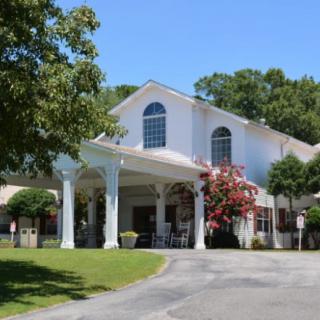
 The nursing home is small and privately owned.
- It is very clean and has a pleasant smell.
- The staff are awesome.
Cons
 The client was not pleased with a number of deficiencies at the nursing home.
- The main deficiency cited was medication errors, such as wrong dosages, wrong drugs, and incorrect administration times.
- The client did not choose to stay at the facility.
Review
This community is best suited for families that want a compact, privately owned nursing home where cleanliness and attentive staff are the standout attributes. It works for residents who prefer a home-like, low-profile setting over a large, corporate campus and who can tolerate a straightforward level of care without highly specialized programming. The small, single-owner model can offer a sense of direct accountability and recognition, residents are more likely to be known by name rather than by a room number. In short, this facility rewards personal attention and a calm, uncluttered environment, making it a sensible choice for those who value simplicity and hands-on oversight from leadership.
However, alternatives should be on the table for residents with higher medical needs or where medication safety is a primary concern. The most salient reason to look elsewhere is the risk of medication errors, wrong dosage, wrong drugs, or incorrect administration times, that undermines the safety profile expected in a nursing setting. If a family prioritizes faultless medication management, or if the resident requires complex regimens, it is prudent to explore facilities with established pharmacy partnerships, formal double-check protocols, and more robust clinical oversight. Facilities with larger staffing pools or integrated memory and skilled-nursing programs may deliver greater reliability in this critical area.
From the available evidence, the strongest positives are clear and tangible: a clean, pleasant-smelling environment and staff described as “awesome.” These factors translate into a noticeably better daily living experience, the kinds of details that lift quality of life, reduce anxiety for families, and foster meaningful interactions between residents and caregivers. The staff strength is especially valuable in a small setting, where consistency can translate into faster responses, better known patterns of need, and a warmer, more personalized routine. Yet these advantages do not absolve the facility of the most serious concern, and the med-management issue inevitably influences the overall risk calculus.
To guard against footing that tilts too far toward risk, prospective families should mandate a rigorous look at medication processes before making a commitment. Request a current, detailed description of how meds are prescribed, dispensed, and monitored, including the role of on-site nursing leadership, pharmacist involvement, and any automated verification systems. Ask for recent deficiency reports, evidence of corrective actions, and a clear plan for ongoing quality improvement. Schedule conversations with the administrator and, if possible, with current residents or families to hear firsthand about med passes, incident follow-ups, and how adverse events are handled. A tour should include observing a med pass and reviewing the MAR (medication administration record) workflow.
Ultimately, the decision hinges on the resident’s medical complexity and the family’s tolerance for risk versus reward. The facility offers a solid foundation: cleanliness, a welcoming staff, and a setting that feels intimate and attentive. These strengths can be leveraged to deliver excellent daily living experiences for seniors with modest medical needs or well-managed medications, especially when families stay engaged and insist on transparent med-management practices. But for anyone with polypharmacy, cognitive impairment requiring nuanced pharmacologic oversight, or a history of medication-related concerns, this community should be approached with caution and paired with explicit assurances about medication governance. The prudent path is a purposeful, informed visit focused on med safety; only then can a confident, final choice be made.
 53 resident community capacity
 Skilled Nursing Facility
 Air-conditioning
 Beauty salon
 Cable or satellite TV
 Computer center
 Dining room
 Fitness room
 Fully furnished
 Gaming room
 Garden
 Housekeeping services
 Kitchenette
 Move-in coordination
 Outdoor space
 Private bathrooms
 Restaurant-style dining
 Small library
 Telephone
 Wellness center
 Wi-Fi/high-speed internet available
 Community operated transportation
 12-16 hour nursing
 24-hour call system
 Activities of daily living assistance
 Assistance with bathing
 Assistance with dressing
 Assistance with transfers
 Diabetes diet
 Medication management
 Mental wellness program
 Special dietary restrictions
 Concierge services
 Planned day trips






 Understanding Home Health Care: A Comprehensive Guide
 Home Health Care Demystified: A Comprehensive Guide for Families and Caregivers
 Seniors and Modern Transportation: Exploring Uber, Lyft, and Other Ride-Hailing Options