

6678 Old Highway 31 N, Gardendale, AL 35071
To contact a resident: (205) 631-8489
For more information about senior living options: (866) 208-4318
Overall Review of Home Sweet Home
Pros
 Home Sweet Home has been an answer to prayers.
- They have cared for the reviewer’s brothers for three years.
- All his needs are met, and he is very happy.
- The staff is very attentive and caring.
- They are quick to contact medical offices when there is a medical question about a patient.
- The residents love living there, and the dogs are a great asset for the residents.
- It is the only place the reviewer would recommend.
- The building is clean.
Cons
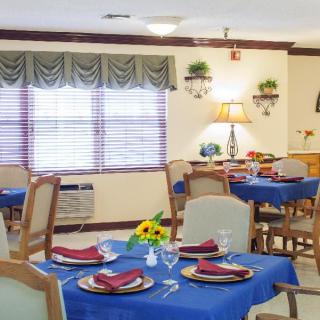
 The boarding house has a cold and dusty feel.
- The residents go hungry.
- Most residents never leave except to go to the doctor.
- The only assistance offered is getting in and out of bed and bathing.
- Staffing is a joke.
- One would not put a loved one there.
- The place is cold and lifeless.
Review
Home Sweet Home in Gardendale is best suited for families seeking a small, home-like boarding option where intimate attention from a tight-knit staff and a pet-friendly vibe can feel like a corrective balance to budget limits. It works best for residents who primarily need help with basic daily tasks and value a warm, non-corporate atmosphere over a polished, modern facility. For families willing to prioritize personalized companionship, frequent staff contact, and a sense of community in a modest setting, this option can be a practical choice. The emphasis is on a comfortable, family-style environment where residents often know the caregivers by name and where dogs are considered an asset to daily life.
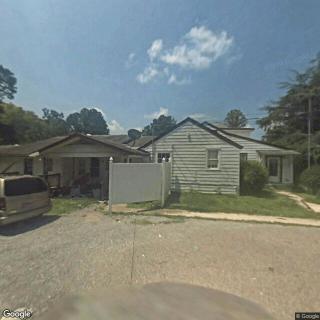
Conversely, those needing formal assisted living with robust medical oversight should look elsewhere. Several experiences described by families point to a boarding-home model rather than licensed assisted living, with limited hands-on care beyond transfers and bathing. The building is old and sometimes felt cold or unkempt to visitors, and concerns about meal quality and staff reach raise legitimate questions about ongoing daily support and safety. For anyone prioritizing consistent nursing, structured activities, regular meals, and a modern, well-maintained environment, alternatives such as traditional assisted living or memory-care communities will likely deliver more reliable safeguards and predictable routines.
The strongest positives hinge on the human side of care. Reports consistently highlight attentive, caring staff who maintain quick lines of communication with medical providers and a willingness to engage with families when medical questions arise. In several accounts, staff are described as quick to respond and genuinely involved in residents’ well-being, and the dog-friendly, homey atmosphere is repeatedly cited as a social and emotional value. For families who place a premium on personal attention, visible empathy from caregivers, and a sense of belonging among residents, these pros can meaningfully offset the less formal structure seen in this setting.
Yet the main drawbacks cannot be dismissed. Descriptions range from “boarding house” rather than assisted living to assertions that the environment feels cold, dusty, and outdated. Critics allege that residents go hungry or are left with limited dietary options, and that staffing levels may be insufficient to deliver more than basic assistance. The implication is that when health or cognitive needs become more complex, the community may struggle to provide the level of supervision, meals, and daily activity that many families expect in senior living. These are not minor inconveniences, these factors influence safety, engagement, and overall quality of life.
To make a well-informed decision, prospective families should conduct targeted due diligence. Schedule face-to-face visits and observe meal service, dining interactions, and how staff engage with residents. Ask to review the actual care offerings: what level of assistance is available beyond bed transfers and bathing, how medications are managed, and how medical emergencies are handled. Inspect the kitchen and dining areas for cleanliness and meal variety, and talk with current residents or families about consistency in attention and follow-through. Verify licensing and inquire about any third-party oversight; clarify the true cost and what is included in the rate, along with policies for worsening health. When weighing options against alternatives, this community’s appeal rests on cost-conscious, intimate, home-like living and strong caregiver relationships. If these elements align with a loved one’s preferences and current needs, and if the family can accept that medical oversight, dining quality, and facility conditions may be uneven, then Home Sweet Home can be a worthwhile fit with careful, ongoing oversight. However, for residents with significant medical requirements, cognitive impairment, or a strong preference for a modern, fully equipped setting with comprehensive staffing, there are clear advantages to pursuing traditional assisted living or memory-care arrangements. In short, matching care needs to the reality of a boarding-home model is the decisive factor, and a disciplined, on-site evaluation should precede any commitment.
 Board and Care Home
 Birmingham International (12 miles away)





 Top Canine Companions for Older Adults
 Comprehensive Guide to Blood Pressure Charts for Older Adults: Understanding Normal and High Readings by Age
 Financing Long-Term Nursing Home Care Through Social Security: A Thorough Exploration