
100 Holmes Avenue, Foley, AL 36535
For more information about senior living options: (866) 208-4318
Overall Review of Sea Pines at Bon Secour
Pros
 It is a nice place.
- There are nice places in the community.
- It is the best place to live for a quiet, well-built, well-landscaped subdivision.
- It is really nice.
- It offers the best deal in town with a spacious floor plan and well-maintained grounds.
- It has a great location with every convenience within minutes, including beaches.
- It is a great 55+ community with a clubhouse and pool.
- The subdivision is really nice and exclusive.
- The area features beautiful appointments and a well-liked area plan.
Cons
 They describe the construction as wasteful, with a lot of material thrown away as houses were built.
- They tried to move there twice, but the HOA refused to allow their three dachshunds, even though one was a senior.
- The HOA is a bit much.
- They found it overpriced and cramped into a small area.
- They warn the HOA may not have enough resources because the development previously failed.
- They note the subdivision is expensive.
Review
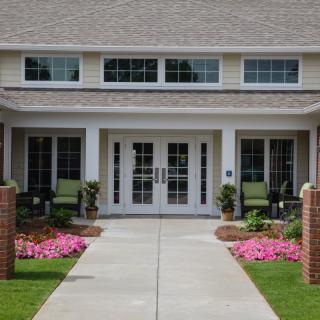
Sea Pines at Bon Secour is best suited for active retirees and older adults who want a quiet, well-built, and meticulously landscaped 55+ environment with built-in social and recreation amenities, plus easy access to beaches and everyday conveniences. The community reads as upscale and well maintained, with spacious floor plans and a clubhouse-pool setup that supports a social routine without leaving the neighborhood. For households prioritizing a polished exterior, predictable maintenance, and a secure, low-key lifestyle, Sea Pines delivers on those fronts in a pronounced way. The combination of exclusivity, clear age-targeting, and a strong sense of place makes it hard to beat for this particular slice of the market.
Those considering alternatives should take note of two nonnegotiables that may push them elsewhere: pet policy and price-to-value sensitivity. Several reviews reference a restrictive HOA posture and a lack of flexibility on pets, including a case where three dachshunds could not be approved despite senior status. The same stories hint at a development arc that faced prior feasibility questions, which can translate into tighter resource allocation and more conservative governance. If pet-friendliness, lower ongoing dues, or a more expansive lot footprint are essential, or if there is concern about high upfront cost without corresponding flexibility, it makes sense to explore other Foley-area options.
The strongest positives, quiet surroundings, solid construction, and meticulously kept grounds, tend to offset several drawbacks. A well-run subdivision atmosphere reduces maintenance headaches and creates a predictable living rhythm, while the spacious floor plans and upscale finishes support comfortable, long-term living for residents who value room to move and entertain. The location remains a major perk: everything needed is within minutes, and beaches are conveniently close. The 55+ designation and a clubhouse with a pool foster social opportunities that keep residents connected, which can be a meaningful offset to price and policy constraints for those who prioritize companionship and routine.
However, the gaps should not be minimized. The main cons, an active HOA with potentially strict rules, perceived overpricing in relation to density, and the sense of being “crammed” into a small footprint, do not vanish because the community looks appealing on paper. If budget pressures are real or if flexibility on pet ownership is non-negotiable, the advantages can be diminished. The past development challenges referenced in reviews also linger as a reminder of potential long-term financial and governance risk. Prospective buyers must weigh the comfort of a refined, low-stress environment against the realities of HOA culture and the premium asked for living in this enclave.
A practical decision framework is essential. Start by listing priorities: how important is pet policy, how critical are expansive outdoor spaces, and how much is the willingness to pay for maintenance-free living and amenities? Run a transparent cost comparison that includes HOA dues, anticipated special assessments, and the price premium for a 55+ designation. Review the HOA covenants and reserve study to gauge financial health and future viability, and talk directly to current residents about management responsiveness and rule enforcement. Finally, verify whether there is real flexibility in rental and guest policies, as those factors often determine long-term satisfaction for households that rotate between visits and full-time occupancy.
In the end, Sea Pines at Bon Secour stands as a strong, practical choice for a specific audience: those who prize a quiet, well-constructed, amenity-rich retirement setting with a premium location and a built-in social framework, and who can accommodate HOA constraints and higher costs. For families or individuals who prioritize pet-friendliness, lower ongoing costs, or greater physical space, alternatives in the Foley area are worth serious consideration. The decision should hinge on financial comfort with the dues and one’s tolerance for HOA governance, balanced against the value of pristine grounds, predictable maintenance, and the social infrastructure that makes retirement living feel active rather than isolating.
 6 resident community capacity
 Active Adult Communities (55+)
 Housekeeping services
 Telephone
 Wi-Fi/high-speed internet available
 Assistance with dressing
 Meal preparation and service
 Medication management
 Diabetes diet
 Special dietary restrictions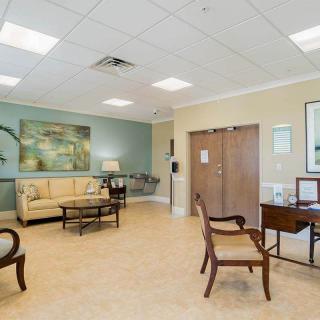


 Financing Long-Term Nursing Home Care Through Social Security: A Thorough Exploration
 Essential Knowledge on Pneumonia in Older Adults
 Exploring Palliative Care in the Home: A Comprehensive Overview