
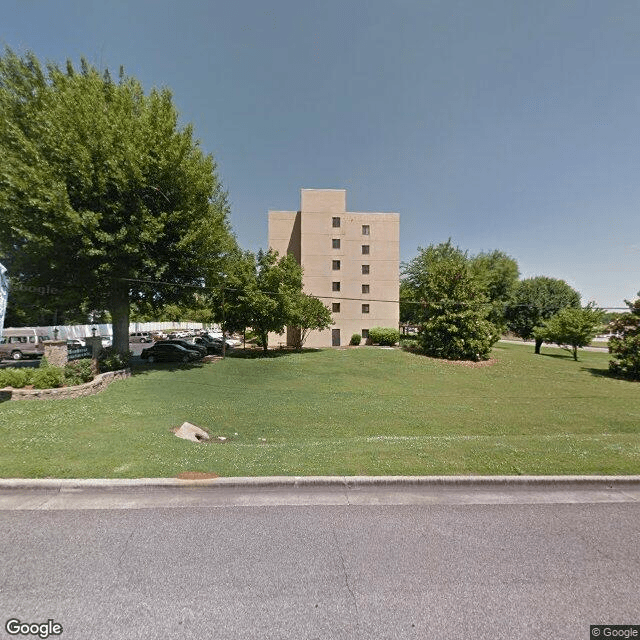
1850 Darby Dr, Florence, AL 35630
To contact a resident: (256) 767-2211
For more information about senior living options: (866) 208-4318
Overall Review of Montreat Apartments
Pros
 The reviews describe Montreat as a very nice place to live for seniors.
- The community is described as a nice place to call home for residents 62 and older.
- The apartments are described as great and a blessing for the elderly and low income.
- The staff are described as going above and beyond in everything they do.
- Misty and Amber are described as professional, positive, upbeat, and friendly.
- The building is described as impressive in photos.
- The grandmother who lives there is said to love every minute of her residence.
- The overall atmosphere is described as a community and a family that makes people feel at home.
Cons
 The bathrooms are too small for walkers or a wheelchair.
- They advise seeking another place.
- For elderly residents who can't live independently, the facilities are insufficient.
Review
Montreat Apartments in Florence, Alabama, is best suited for older adults aged 62 and up who want a budget-conscious, stable home with a strong sense of community. Rent is tied to income and eligibility hinges on age and other qualifications, making it a practical choice for fixed incomes and careful budgeting. The setting appeals to seniors who prefer a residential environment that feels like family, where reliability and ongoing occupancy matter more than high-end finishes. Those seeking a true assisted-living program, frequent on-site care, or highly accessible, modern layouts should consider alternatives. In practice, Montreat tends to serve residents who want independence with predictable costs, long-term stability, and a supportive, neighbor-driven atmosphere, within a six-story building that has become a recognizable Florence option for 62-plus residents.
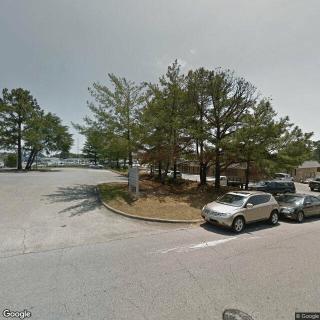
On the practical side, cleanliness and navigability stand out as consistent strengths. The property presents itself in a tidy, well-kept condition, with addresses that are easy to locate, an understated but meaningful reliability for new arrivals and visitors alike. The six-story building projects a professional image, and the surrounding systems, light maintenance, prompt responses to repair requests, and the option to enlist outside help when needed, provide a sense of functional dependability. For families evaluating housing that minimizes monthly surprises, Montreat’s straightforward operations and visible upkeep translate into real peace of mind.
The community narrative is a defining asset. Long-tenured residents and their families emphasize continuity and a feeling of belonging that resembles a family more than a simple lease. An aunt has lived there for more than 25 years and remains supported at age 92, a testament to staff going above and beyond. Other accounts highlight maintenance staff who address issues quickly and will arrange specialized help when required. Positive phone interactions with staff, Mist y and Amber are often cited as professional, upbeat, and genuinely helpful, add a human dimension to the practical advantages. Taken together, these elements create a living environment where residents are more than tenants; they become part of a trusted, enduring community.
Budget discipline, social connection, and dependable upkeep form a compelling triad for many seniors and their families. Montreat’s affordability, anchored in income-based rent, reduces stress around monthly bills and budget shocks. The social fabric, neighbors who look out for one another, a resident community that feels supportive, and maintenance that treats upkeep as a shared responsibility, softens the rough edges of aging-in-place. Yet the trade-off is tangible. The trade-off is tangible. While these strengths offset many concerns, the realities of compact living spaces and limited mobility accommodations can be a limiting factor for some residents, especially when accessibility needs intensify or when someone requires broader on-site services.
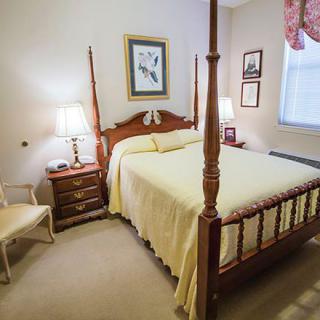
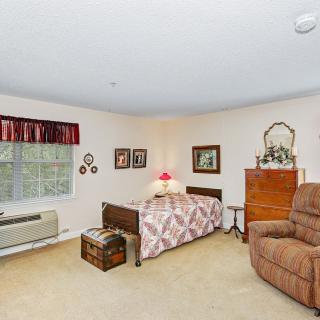
The most consequential drawbacks center on space and accessibility. Bathrooms are described as small and not adequately sized for walkers or wheelchairs, which can hamper safety and daily living for mobility-impaired residents. A subset of reviewers cautions that Montreat may not be the right fit for those who require larger, more accessible layouts or hands-on daily living assistance beyond maintenance and resident support. The sentiment is clear: the strong community and affordable framework are real, but for seniors with higher accessibility demands or a desire for more comprehensive on-site care, alternatives should be explored. The decision hinges on whether the priority is staying within a tight budget and enjoying a familial atmosphere, or attaining broader physical accessibility and on-site caregiving.
In sum, Montreat Apartments delivers practical value for 62-plus seniors who crave a predictable rent, a warm, neighborly environment, and reliable upkeep. It stands out as a solid option for budget-conscious households seeking stability and social connectedness over luxury or extensive care services. Those with modest accessibility needs can move forward with confidence, especially if the goal is to minimize housing costs while staying in a familiar, communal setting. However, alternatives deserve careful consideration for anyone whose priority is barrier-free layouts, larger bathrooms, or integrated assisted living features. The bottom line: Montreat is a pragmatic, proven choice in its niche, and the best fit emerges when budget and community needs align with the level of accessibility and care available.
 Active Adult Communities (55+)


 Exploring Nonmedical Home Care: Understanding Services, Costs, and Financial Approaches
 Engaging Brain Games and Innovative Apps to Keep Senior Minds Active
 Effective Strategies for Keeping Seniors' Minds Active: A Deep Dive into Brain Games and Apps