



2703 Darby Dr, Florence, AL 35630
To contact a resident: (256) 764-4316
For more information about senior living options: (866) 208-4318
Overall Review of Home Instead - Florence, AL
Pros
 Home Instead is a wonderful place to work.
- The franchise owner and office manager are very accommodating.
- They strive to ensure that the management team, caregivers, and clients are all as happy as possible.
- They could not ask for better leadership or a better work environment.
- Home Instead helped with a family member and did so phenomenally.
- The office staff was wonderful and assisted clients with questions at any time.
- The caregivers were great.
- They would not have found the same candor and support elsewhere.
- People would highly recommend Home Instead.
- The caregivers genuinely care about their clients.
- The office staff is extremely helpful.
- People love working for Home Instead.
- For those seeking in-home aid in Florence, AL, Home Instead is a wonderful option.
- The owner is top notch in the field and caring customer service is the priority.
- The staff is like an extended family and is supportive of caregivers.
- It is a great job for people who need flexibility to care for their own families.
- Regina keeps the office going; she is well loved.
Cons
 The salary is poor with no mileage reimbursement.
Review
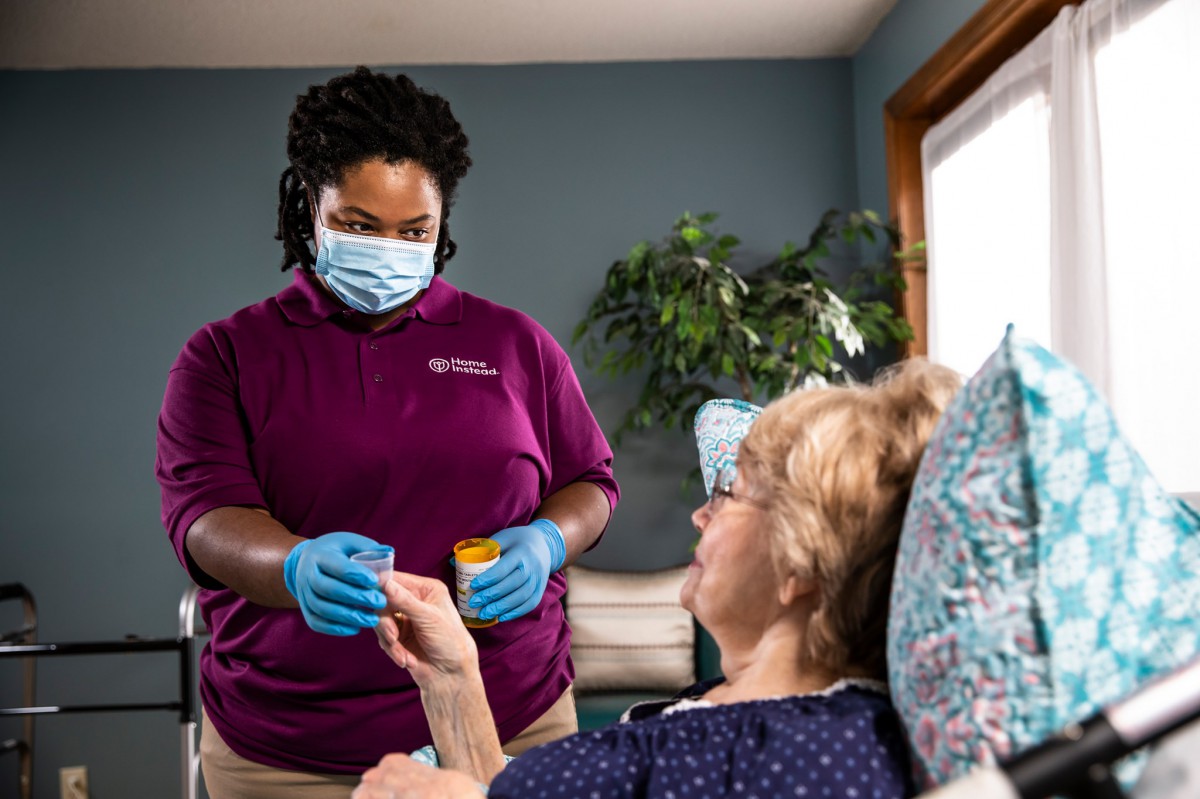
Home Instead Florence is best suited for families seeking dependable in-home care in Florence, Alabama, where the senior prefers to stay at home and relies on a close-knit, caregiver-driven support system. The community’s standout feature is the people: a franchise owner and office manager who prioritize accommodation and a care team that treats clients with genuine warmth. For households that value flexibility, responsive scheduling, and candid, clear communication, this office consistently delivers. The arrangement fits seniors who don’t require round-the-clock medical nursing but do benefit from daily assistance with activities of daily living, medication reminders, and companionship delivered in a familiar home setting.
Those weighing alternatives should consider scenarios where more formal medical oversight or a facility-based environment is essential. If the priority is intensive nursing care, complex wound management, or a highly structured daily routine enforced by on-site clinical staff, an assisted living community or skilled nursing facility may be the better fit. Potential families should also note a compensation-related caveat raised by some staff perspectives: while the team is described as close-knit and supportive, the financial structure appears to influence morale and continuity. In such cases, exploring other agencies with different pay models or facility-based options could yield more predictable coverage and staffing stability.
The core strengths, leadership accessibility, responsive office support, and caregivers who genuinely care, help offset the main drawbacks. The owner and office manager are consistently described as accommodating, with a management team that keeps both caregivers and clients content. Caregivers are praised for their sincerity and reliability, and the office staff is repeatedly touted as helpful and easy to reach. This combination fosters a home-care experience that feels personal and adaptable, capable of meeting last-minute requests and urgent changes with a calm, professional posture. Those relational advantages are the backbone of trust families rely on when navigating care transitions.
Clients repeatedly note tangible benefits in daily life and problem-solving. Stories of effective help for a parent in challenging moments, along with candid, proactive communication from the team, illustrate a level of engagement that goes beyond basic services. The office leadership’s consistency and the sense of colleagues supporting one another contribute to a stable, family-like atmosphere. This isn’t a transactional service; it’s a coordinated effort where the people involved strive to align with the senior’s rhythms and the family’s expectations, reducing stress during already difficult times.
Practical decision-making should center on three areas. First, verify caregiver continuity: how often caregivers rotate, who covers when someone is unavailable, and what backup plans exist for vacations or illness. Second, confirm the reliability and transparency of communication, including the process for handling urgent requests and changes. Third, scrutinize compensation details, mileage reimbursement, and any potential cost escalators to understand long-term budgeting implications. A candid discussion around these factors will reveal whether the team’s relational strengths align with the senior’s medical needs and the family’s financial realities.
In the end, Florence Home Instead delivers a compelling option for families prioritizing a home-based care model led by a genuinely caring and well-managed team. The combination of accessible leadership, devoted caregivers, and a supportive office culture creates a trustworthy framework for aging in place. This makes it a strong choice for those who prize personalization, flexibility, and trusted interpersonal connections over more institutional settings. At the same time, for households requiring heavier clinical oversight or tighter budget predictability, exploring alternatives, such as facility-based care or a different home-care provider with a different staffing and pay structure, is a prudent step. The decisive criterion remains clear: weigh the proven relational strengths against the realities of caregiver compensation and the level of medical oversight required.






 Recognizing the Journey: Understanding and Navigating Anticipatory Grief
 Encouraging Participation in Adult Day Care: A Guide to Supporting a Hesitant Parent
 Comprehensive Exploration of Living Wills and Other Advance Directives