For more information about senior living options: (866) 208-4318
3 from 68 reviews
5 stars
26
4 stars
9
3 stars
2
2 stars
4
1 stars
27
Overall Review of St. Martin's In The Pines
caveat
Care quality and staffing concerns
Residents describe missed or delayed help that affected everyday care.
Several reviewers say staffing was short or unresponsive, especially at night, with residents left waiting for assistance. Multiple accounts mention problems getting help with mobility, using the bathroom, or responding to call buttons. Others describe medication-related gaps, poor follow-through, and communication difficulties when families tried to get updates. A few reviewers also contrast this with moments when daytime help seemed more available.
common
Staff compassion is a bright spot
Many residents and families praise staff for kindness and attentiveness.
Alongside the negative accounts, multiple reviewers describe staff as caring, friendly, and professional. Some families say caregivers checked on their loved ones often and provided support they could rely on. A few reviewers specifically mention being able to sit with a loved one during end-of-life care and feeling supported throughout the process. These positive comments also appear in reviews focused on shorter rehab stays and longer residency.
caveat
Cleanliness and upkeep are mixed
Reviews vary widely on how clean and well-kept the community feels.
Some reviewers say the facility looked clean and well maintained, including rooms and common areas, and they mention no strong unpleasant odors. Other reviews describe dirty rooms, unpleasant smells, pests, or general rundown conditions. A number of the harsher experiences are tied to neglect-related observations, like hygiene not being addressed promptly. Overall, cleanliness comes up both as a strength and as a recurring concern depending on the review.
common
Restaurant-style dining gets praise
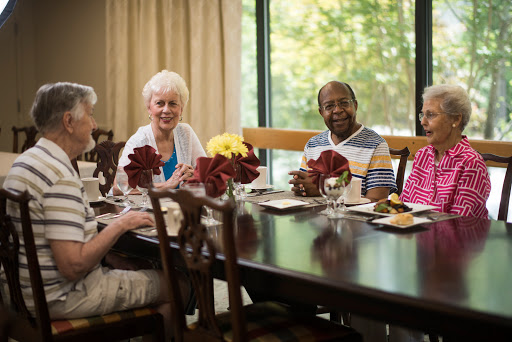
Dining is frequently described positively, including cooked meals.
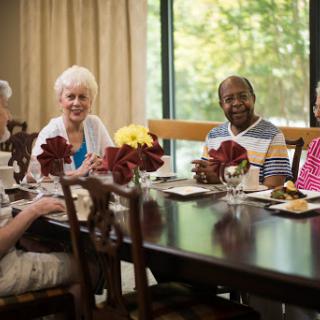
Multiple reviewers comment that the food was good and that meals were prepared on-site rather than handled like a basic cafeteria setup. This aligns with the community offering restaurant-style dining and diet support options for special dietary restrictions and diabetes. While most dining mentions are positive, some negative reviews connect overall care problems to the mealtime experience. Still, the strongest dining feedback centers on the quality of meals.
differentiator
Cottages setup for smaller groups
Residents describe a cottage-style layout with smaller household groupings.
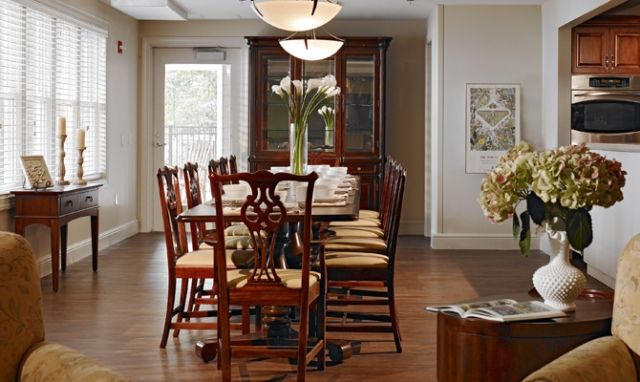
Several reviews highlight a cottage-like approach where residents are grouped in smaller settings rather than a traditional large nursing home. Reviewers mention shared common spaces and an arrangement that feels more home-like, which they link to day-to-day comfort. A couple of reviews also point to how the layout supports meals and resident gathering. This theme is consistent with the community listing a range of living options and apartment-style housing.
How we summarize
We summarize when many written reviews mention each theme; a review can touch several themes, and only frequently mentioned themes are displayed.
Features
Housing
138 resident community capacity
1-bedroom apartments
2-bedroom apartments
Detached homes
Studio apartments
Types of Care
Assisted Living
Continuing Care Retirement Community (CCRC)
Independent Living
Memory Care
Respite Care
Skilled Nursing Facility
Amenities
Air-conditioning
Beauty salon
Cable or satellite TV
Computer center
Fitness room
Full kitchen
Fully furnished
Gaming room
Garden
Housekeeping services
Kitchenette
Move-in coordination
Outdoor space
Private bathrooms
Restaurant-style dining
Small library
Telephone
Wellness center
Wi-Fi/high-speed internet available
Transportation
Birmingham International (3 miles away)
Community operated transportation
Transportation arrangement
Transportation arrangement (non-medical)
Care Services
24-hour call system
24-hour supervision
Activities of daily living assistance
Assistance with bathing
Assistance with dressing
Assistance with transfers
Diabetes diet
Meal preparation and service
Medication management
Special dietary restrictions
Dining
Diabetes diet
Special dietary restrictions
Activities
Community-sponsored activities
Concierge services
Fitness programs
Planned day trips
Resident-run activities
Scheduled daily activities
Languages Spoken
English
Nearby Places of Interest
Pharmacies
CVS Pharmacy (0.2 miles)
Walgreens (0.5 miles)
Winn-Dixie (0.9 miles)
Guardian Pharmacy (1.1 miles)
Mills Discount Pharmacy (2.1 miles)
Walgreens (4.1 miles)
Birmingham Nuclear Pharmacy (4.4 miles)
Cafes
Starbucks (0.2 miles)
Continental Bakery (4.4 miles)
The Red Cat (4.4 miles)
Starbucks (5 miles)
Starbucks (5.2 miles)
The Essential (5.2 miles)
Revelator Coffee Company (5.4 miles)
Restaurants
Chick-Fil-A (0.3 miles)
Zaxby's (0.5 miles)
Milos - Eastwood (0.6 miles)
Subway (0.8 miles)
SAW’s Juke Joint (1.5 miles)
The Filling Station (1.9 miles)
McDonald's (2.2 miles)
Places of Worship
McElwain Baptist Church (1 miles)
East Lake United Methodist Church (2.5 miles)
Levite Jewish Community Center (2.5 miles)
Church of the Highlands (3.5 miles)
Canterbury United Methodist Church (3.6 miles)
South Roebuck Baptist Church (3.7 miles)
The Worship Center Christian Church Huffman-Derby Campus (5 miles)
Parks
Beacon Park (1.2 miles)
East Lake (2.9 miles)
Avondale Park (3.2 miles)
Rotary Trail (5.2 miles)
Railroad Park (5.6 miles)
Physicians
Ginsburg Dermatology Center-Montclair (1.6 miles)
Alabama Psychiatric Services PC (1.7 miles)
Advanced Internal Medicine (1.9 miles)
Sleep Disorders Center of Alabama (2.2 miles)
Baptist Health System (4 miles)
Maria S. Prelipcean, MD (4.4 miles)
Pediatrics East (4.7 miles)
Transportation
Concourse C (3.2 miles)
Birmingham-Shuttlesworth International Airport (BHM) (3.3 miles)
Runway (3.4 miles)
Hospitals
Ascension St Vincent’s Birmingham (4.4 miles)
UAB Spain-Wallace Building (5.1 miles)
UAB Hospital (5.2 miles)
Callahan Eye Foundation Hospital (5.3 miles)
Women & Infants Center (5.3 miles)
Benjamin Russell Hospital for Children (5.4 miles)
Saint Vincents East Saint Vincents Health System (5.4 miles)
St. Martin's In The Pines offers a range of essential services designed to enhance the quality of life for residents with memory care needs. Assistance with dressing helps individuals maintain their dignity and personal identity, while medication management ensures timely and accurate administration of prescribed treatments, reducing the risk of adverse effects. Nutritious meal preparation and service cater not only to dietary preferences but also promote physical health through balanced nutrition. Activities of daily living assistance supports independence in routine tasks, fostering a sense of accomplishment and self-worth. Assistance with bathing and transfers ensures residents feel safe and comfortable during personal care routines, alleviating anxiety that can accompany these activities. Lastly, 24-hour supervision provides peace of mind for both residents and families, offering a secure environment where individuals can thrive despite the challenges posed by dementia or Alzheimer's disease.
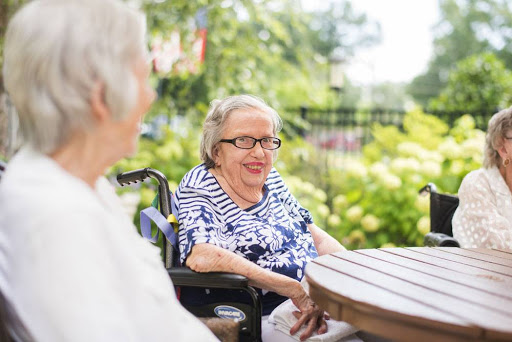
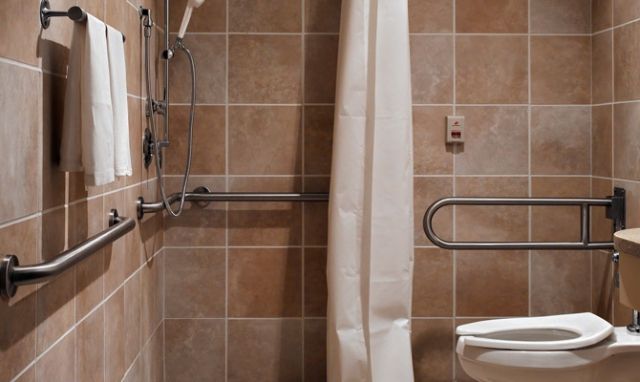
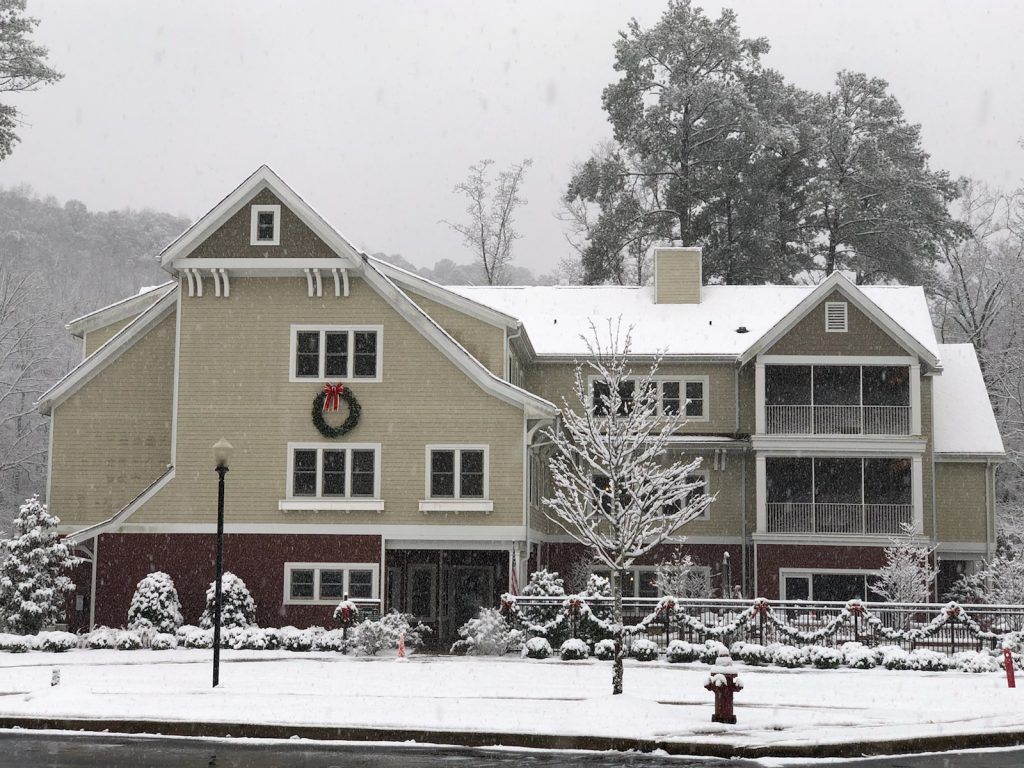
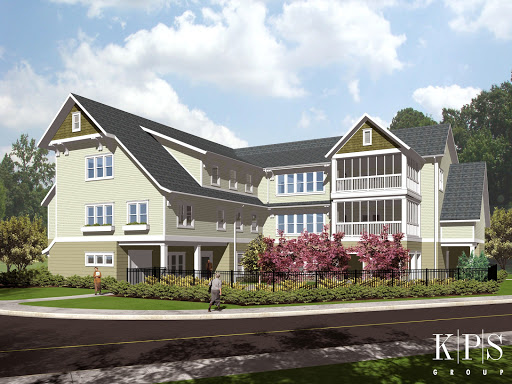
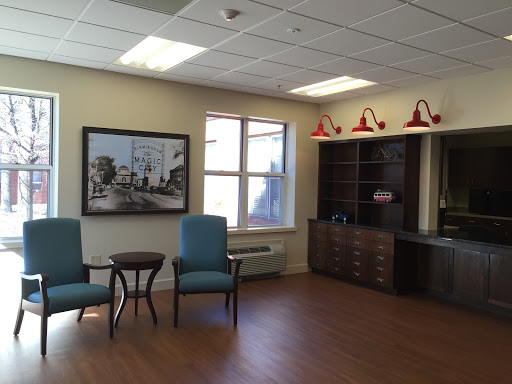
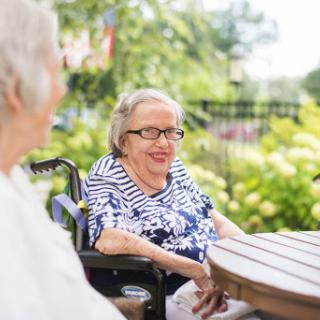
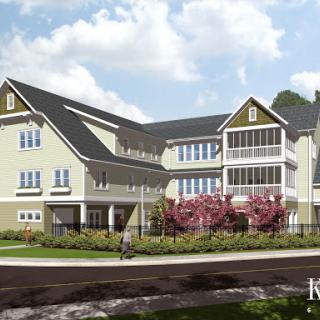
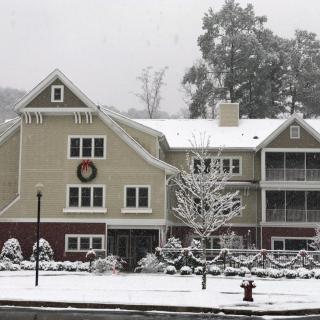
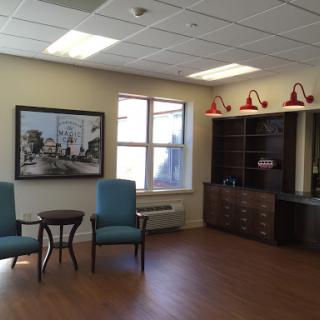
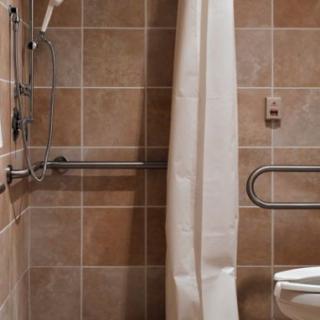
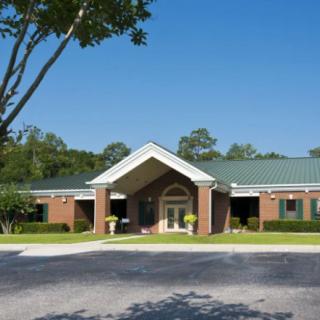
St. Martin's In The Pines on seniors.fyi includes 7 photos including images showing dining, interior, bathroom, architecture, trees, building, exterior, landscaping, and more.
Transitioning from assisted living to memory care is driven by an individual's cognitive decline and specific needs, requiring careful evaluation of indicators like increased confusion and wandering. The process involves consulting medical professionals, researching suitable communities, considering financial and legal aspects, and ensuring effective communication for personalized care plans.
The article differentiates between assisted living and memory care, explaining that assisted living supports seniors with daily activities while promoting independence, whereas memory care provides specialized services for individuals with dementia, focusing on secure environments and cognitive support. It also addresses staff training, safety considerations, costs, family involvement, and transition strategies for families navigating these care options.
The article outlines effective communication strategies for interacting with loved ones with dementia, highlighting the need for empathy, patience, and understanding while emphasizing supportive approaches like using simple language, minimizing distractions, and focusing on feelings over facts to maintain dignity and foster connection. It also suggests seeking professional guidance when needed as communication challenges evolve.
Get PricingAsk A QuestionSchedule A TourContact Senior Advisor
By clicking submit, you agree to our Partner's Terms of Use. You
also consent to receive calls and texts, which may be autodialed, from our Partner. Your consent is not a condition to
using our Partner's service. Please visit our Partner's Privacy Policy for information about their privacy practices.

 138 resident community capacity
 1-bedroom apartments
 Detached homes
 Assisted Living
 Continuing Care Retirement Community (CCRC)
 Independent Living
 Memory Care
 Respite Care
 Skilled Nursing Facility
 Air-conditioning
 Beauty salon
 Cable or satellite TV
 Computer center
 Fitness room
 Full kitchen
 Fully furnished
 Gaming room
 Garden
 Housekeeping services
 Move-in coordination
 Outdoor space
 Private bathrooms
 Restaurant-style dining
 Small library
 Telephone
 Wellness center
 Wi-Fi/high-speed internet available
 Birmingham International (3 miles away)
 Community operated transportation
 24-hour call system
 Activities of daily living assistance
 Assistance with bathing
 Assistance with dressing
 Assistance with transfers
 Diabetes diet
 Medication management
 Special dietary restrictions
 Concierge services
 Planned day trips
 English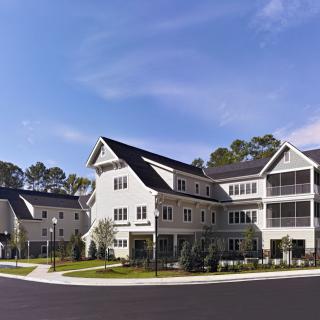
 Caring, attentive staff; engaging activities; clean, welcoming environment with faith-based values.




 When to Transition from Assisted Living to Memory Care: Key Indicators, Steps, and Finding the Right Community
 Understanding the Distinctions: Assisted Living and Memory Care Explained
 How to Communicate with a Loved One Living with Dementia: 10 Supportive Strategies