For more information about senior living options: (866) 208-4318
3.3 from 106 reviews
5 stars
49
4 stars
11
3 stars
3
2 stars
9
1 stars
34
Fair Haven Retirement Community Costs & Pricing
Fair Haven Retirement Community offers competitive pricing for its residents, particularly when compared to both Jefferson County and the broader state of Alabama. For a studio unit, residents can enjoy a cozy environment at just $1,793 per month, significantly lower than the county average of $4,002 and the state average of $3,279. The one-bedroom option is priced at $3,140, which is slightly above the county's rate of $3,094 but remains more affordable than the state average of $3,417. For those seeking a two-bedroom accommodation, Fair Haven's monthly cost stands at $3,460 - while this is higher than Jefferson County's average of $3,079 and Alabama's average of $3,788, it reflects the community's commitment to providing quality services and amenities that enhance the overall living experience. Overall, Fair Haven presents an appealing choice for seniors looking for value without compromising on comfort or care.
Floor plans
Fair Haven Retirement Community
Jefferson County
Alabama
Studio
$1,793
$4,002
$3,279
1 Bedroom
$3,140
$3,094
$3,417
2 Bedrooms
$3,460
$3,079
$3,788
Memory care communities with a similar price nearby
Residents describe limited daily activity in memory care.
Two reviews focused on memory care say there were essentially no daily activities beyond occasional items like Bible study. One family also said the unit felt more like residents wandering or sitting all day, and linked that to worsening cognition. Another review notes that activities can improve with changes in the unit, but the overall concern centers on consistency.
common9 reviews mention this
Meals and cooks stand out
Meals are a frequent point of praise, especially the cooks.
Several residents and families single out meals as a bright spot, including comments about the cook and dining-room experience. Reviews mention wanting certain foods, praising meal quality, and describing the kitchen staff as friendly and exceptional. Other reviews are less specific, but there are also complaints about meal timing and overall food quality, suggesting outcomes vary by situation and time.
caveat6 reviews mention this
Cleanliness ranges from good to concerning
Cleanliness quality is inconsistent across reviews.
Some reviews describe the facility as clean, calm, and welcoming, with improved upkeep after changes in housekeeping. Others report bad odors, dirty rooms or bathrooms, and rooms not being cleaned unless families pushed for it. Taken together, the cleanliness theme doesn’t appear uniform across units or periods covered in the reviews.
common12 reviews mention this
Staff care feels strong in rehab
Many reviewers describe attentive, compassionate staff.
Across multiple accounts, families and residents describe nurses, aides, therapists, and social workers as caring, attentive, and responsive. Several highlight specific individuals and say staff helped with therapy progress, day-to-day comfort, and communication with family members. At the same time, other reviews include harsh criticisms about neglect, rudeness, or staffing shortfalls, so the staff experience appears uneven depending on the floor and circumstances.
caveat4 reviews mention this
Activities appear to vary by unit
Activity programming is described differently by different families.
Some reviews praise participation and structured routines, including activities and holiday events for independent living and engaging daily activity in specialized settings. In contrast, memory care reviews describe little to no daily programming, with residents left largely to sit or wander. The contrast suggests that activity quality depends strongly on the unit and the staff being referenced in the review.
How we summarize
Counts show how many written reviews mention each theme; a review can touch several themes, and only frequently mentioned themes are displayed.
Features
Types of Care
Assisted Living
Independent Living
Memory Care
Pets
Cats allowed
Dogs allowed
Amenities
Activities on-site
Beautician on-site
Devotional services off-site
Devotional services on-site
Indoor common areas
Outdoor common areas
Transportation
Birmingham International (3 miles away)
Care Services
Ambulatory care
Diabetic care
Incontinence care
Medication management
Dining
Kosher
Meals provided
Vegetarian
Activities
Activities on-site
Devotional activities offsite
Devotional activities on-site
Nearby Places of Interest
This part of Birmingham, Alabama offers a diverse range of amenities that cater to the needs and interests of seniors. With a variety of restaurants including Milos, Subway, and Zaxby's in close proximity, dining options are conveniently accessible. Additionally, there are several pharmacies such as Winn-Dixie and Walgreens nearby for easy access to medication and healthcare supplies. For spiritual enrichment, there are numerous places of worship including McElwain Baptist Church and Canterbury United Methodist Church within a few miles radius. The area also boasts several cafes like Starbucks and Continental Bakery for leisurely outings. In terms of healthcare, there are reputable physicians like Ginsburg Dermatology Center-Montclair and Baptist Health System providing quality medical care. Furthermore, the presence of parks like Beacon Park and East Lake offer opportunities for outdoor recreation and relaxation. Transportation options are also readily available with the Birmingham-Shuttlesworth International Airport nearby for ease of travel. Additionally, the close proximity to hospitals such as Ascension St Vincent’s Birmingham and UAB Hospital ensures access to top-notch medical facilities in case of emergencies. Overall, this part of Birmingham provides a vibrant and well-rounded environment that would be ideal for seniors looking to enjoy a comfortable and convenient lifestyle.
Restaurants
Milos - Eastwood (0.2 miles)
Subway (0.2 miles)
Zaxby's (0.2 miles)
Chick-Fil-A (0.5 miles)
SAW’s Juke Joint (0.8 miles)
The Filling Station (1.2 miles)
McDonald's (1.8 miles)
Pharmacies
Winn-Dixie (0.3 miles)
Walgreens (0.3 miles)
CVS Pharmacy (0.6 miles)
Mills Discount Pharmacy (1.8 miles)
Guardian Pharmacy (1.8 miles)
Walgreens (3.3 miles)
Birmingham Nuclear Pharmacy (3.7 miles)
Places of Worship
McElwain Baptist Church (0.4 miles)
Levite Jewish Community Center (1.7 miles)
East Lake United Methodist Church (2.6 miles)
Canterbury United Methodist Church (2.9 miles)
Church of the Highlands (4.2 miles)
South Roebuck Baptist Church (4.2 miles)
Galilee Baptist Church (4.7 miles)
Cafes
Starbucks (0.6 miles)
The Red Cat (3.6 miles)
Continental Bakery (3.6 miles)
Starbucks (4.4 miles)
The Essential (4.4 miles)
Revelator Coffee Company (4.7 miles)
Starbucks (4.7 miles)
Physicians
Ginsburg Dermatology Center-Montclair (0.9 miles)
Alabama Psychiatric Services PC (0.9 miles)
Advanced Internal Medicine (1.1 miles)
Sleep Disorders Center of Alabama (1.4 miles)
Baptist Health System (3.3 miles)
Maria S. Prelipcean, MD (3.6 miles)
Pediatric Nephrology Of Alabama, PC (4.1 miles)
Parks
Beacon Park (1.9 miles)
Avondale Park (2.5 miles)
East Lake (3.3 miles)
Rotary Trail (4.4 miles)
Railroad Park (4.8 miles)
Transportation
Concourse C (3 miles)
Birmingham-Shuttlesworth International Airport (BHM) (3.1 miles)
Runway (3.2 miles)
Hospitals
Ascension St Vincent’s Birmingham (3.7 miles)
UAB Spain-Wallace Building (4.3 miles)
UAB Hospital (4.5 miles)
Callahan Eye Foundation Hospital (4.5 miles)
Women & Infants Center (4.6 miles)
Benjamin Russell Hospital for Children (4.7 miles)
Fair Haven Retirement Community offers competitive pricing for its residents, particularly when compared to both Jefferson County and the broader state of Alabama. For a studio unit, residents can enjoy a cozy environment at just $1,793 per month, significantly lower than the county average of $4,002 and the state average of $3,279. The one-bedroom option is priced at $3,140, which is slightly above the county's rate of $3,094 but remains more affordable than the state average of $3,417. For those seeking a two-bedroom accommodation, Fair Haven's monthly cost stands at $3,460 - while this is higher than Jefferson County's average of $3,079 and Alabama's average of $3,788, it reflects the community's commitment to providing quality services and amenities that enhance the overall living experience. Overall, Fair Haven presents an appealing choice for seniors looking for value without compromising on comfort or care.
Medication management in Fair Haven Retirement Community ensures that residents receive their prescribed medications at the right times and in correct dosages, which is crucial for individuals with dementia or Alzheimer's disease who may have difficulty remembering their medication schedules. This structured approach not only enhances adherence to treatment plans but also minimizes the risk of medication-related complications. Incontinence care provides residents with dignity and comfort, addressing a common challenge faced by those with cognitive decline. By offering specialized support in this area, staff members help reduce anxiety and maintain personal hygiene, which can positively impact overall well-being and quality of life. Together, these features create a supportive environment that addresses both medical and personal needs effectively.
Choosing between assisted living and nursing homes involves evaluating emotional and financial factors, with assisted living offering independence and support for daily activities at a lower cost, while nursing homes provide intensive medical care for individuals with significant health needs. The decision is influenced by personal preferences, health status, cognitive function, and varying Medicaid coverage across states.
The article presents eight strategies for preserving cognitive health and memory in older adults, emphasizing a nutrient-rich diet, regular exercise, intellectually stimulating activities, adequate sleep, social connections, stress management techniques, limiting harmful substances, and regular medical checkups to mitigate age-related memory decline.
Activities of Daily Living (ADLs) are fundamental tasks vital for an individual's independence, particularly in older adults over 85, and include functions like bathing and dressing; assessing ADLs alongside Instrumental Activities of Daily Living (IADLs) helps determine the level of required assistance due to age-related health challenges. Tailored support plans, involving family and community resources, are essential for maintaining dignity and autonomy in assisted living environments.
Get PricingAsk A QuestionSchedule A TourContact Senior Advisor
By clicking submit, you agree to our Partner's Terms of Use. You
also consent to receive calls and texts, which may be autodialed, from our Partner. Your consent is not a condition to
using our Partner's service. Please visit our Partner's Privacy Policy for information about their privacy practices.

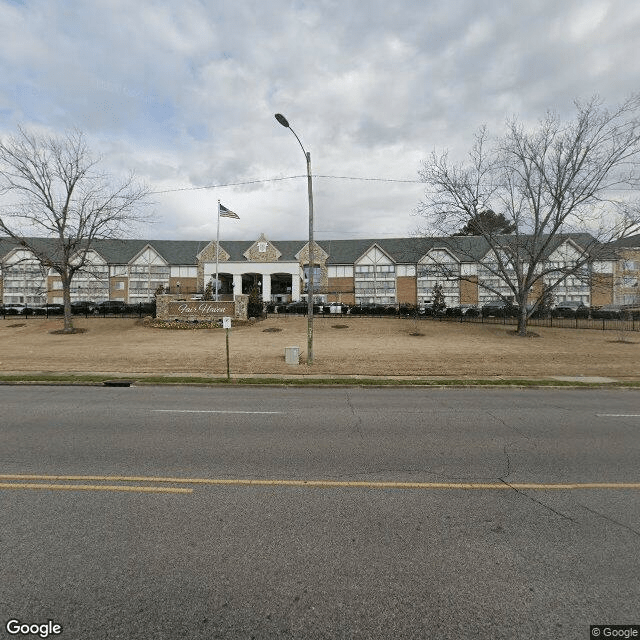
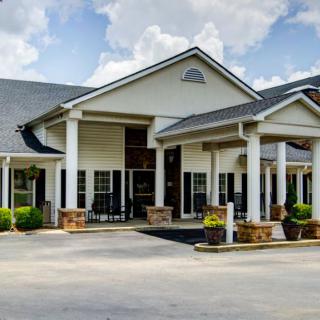
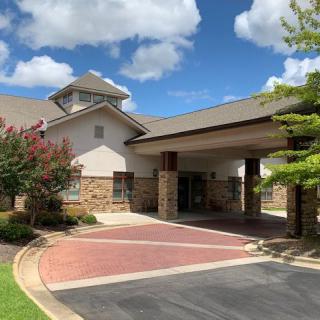
 Assisted Living
 Independent Living
 Memory Care
 Cats allowed
 Dogs allowed
 Activities on-site
 Beautician on-site
 Devotional services off-site
 Indoor common areas
 Outdoor common areas
 Birmingham International (3 miles away)
 Ambulatory care
 Diabetic care
 Incontinence care
 Medication management
 Kosher
 Broad care options (CCRC) with rehab, memory care, and engaging amenities.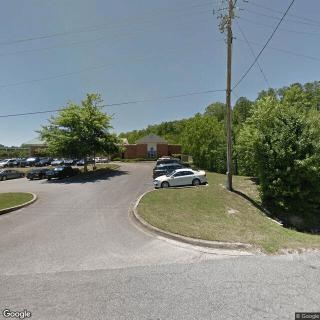



 Choosing the Right Senior Care: A Detailed Exploration of Assisted Living and Nursing Homes
 Safeguarding Your Memory Through the Golden Years: Eight Ways to Preserve Cognitive Health
 Comprehensive Insights into Activities of Daily Living (ADLs) and Their Assessment