

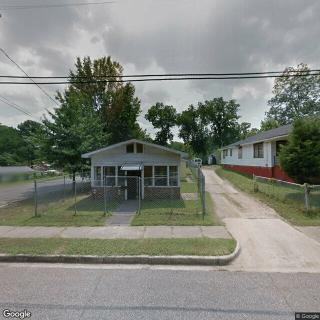
5237 10th Ave N, Birmingham, AL 35212
To contact a resident: (205) 591-6094
For more information about senior living options: (866) 208-4318
Overall Review of Jackson Home For the Elderly
Pros
 The staff are kind and helpful.
- They are knowledgeable and patient.
- They help new staff feel at ease when starting a job there.
- They love the company they're training with in the classroom.
- Their experience at JHCF is enjoyable and remarkable.
Cons
 The senior members are lackadaisical.
- CoVid patients are in a room with non CoVid patients.
Review
Jackson Home For the Elderly in Birmingham is best suited for families that prize a warm, people-first environment where caregivers are consistently kind, patient, and approachable. The community clearly leans into the human side of care, and that matters when daily routines depend on dependable, reassuring interactions. Residents who want immediate access to staff, a respectful tone in day-to-day care, and a culture that treats residents like family will feel supported here. The overall mood suggested by the reviews is one of comfort, approachability, and a welcoming onboarding for new teammates, which often translates into smoother transitions for residents as needs evolve.
That said, there are clear reasons why families might want to consider alternatives. A recurring concern in the feedback points to uneven initiative among more senior staff, with some notes that long-standing members appear less engaged while newer staff are described as more on the ball. For families prioritizing highly consistent clinical oversight, rigorous care coordination, and uniform performance across all shifts, this balance may feel unsettled at times. Those evaluating specialized memory care, complex medical needs, or predictably high levels of supervision should compare options that emphasize steady leadership and tightly monitored care plans from shift to shift. In short, this community excels when care is built on warmth and responsiveness, but readers should probe whether day-to-day consistency meets their specific clinical standards.
The strongest positives center on staff behavior and the learning environment embedded in the facility. Reviewers repeatedly highlight kindness, patience, and knowledge among caregivers, along with a sense that staff training and onboarding are meaningful and practical. When staff are patient and well-informed, residents benefit from calmer mornings, clearer explanations, and a more dignified cadence to daily activities. Those advantages help offset some of the perceived gaps in senior leadership by creating an atmosphere where families feel confident that immediate needs will be addressed with courtesy and competence. The enthusiasm described for the training experience also suggests a workforce that takes development seriously, which tends to translate into higher reliability on the floor.
Despite the favorable tone, the caveats matter. A facility that depends heavily on the energy and attentiveness of newer staff, without fully resolved consistency among longer-tenured teammates, risks uneven experiences as care plans shift or as leadership priorities change. That dynamic can affect routine tasks such as timely assistance, continuity of care, and the subtle reliability families count on during evenings and weekends. In practice, this means that while most days may feel smooth and positive, families should verify that there is a solid, transparent escalation path for concerns, clear accountability for senior staff, and predictable coverage during off-peak hours. Without those assurances, the warmth can still be very real, but the predictability of care may not be as unwavering as required for certain health conditions.
For families moving through the decision process, practical due diligence becomes decisive. Schedule a tour with the administration and insist on meeting both front-line caregivers and the clinical manager. Ask about staff turnover, shift-by-shift coverage, and how care plans are reviewed and updated. Request examples of care plans for common needs, med management, mobility assistance, daily activities, and how family input is incorporated. Inquire about activity programming, transportation options, meal quality, and safety features, and observe a live interaction between a resident and a caregiver to gauge whether the tone remains consistently respectful and patient. The goal is to confirm not only kindness and energy but also dependable structure behind that warmth.
In the end, Jackson Home For the Elderly offers a compelling landscape for families who prize a welcoming, staff-driven culture and who can live with the reality of primary strengths in interpersonal care. The overwhelmingly positive feedback on staff demeanor and training signals a level of day-to-day comfort that is difficult to match elsewhere. For families seeking pristine clinical metrics, uniform leadership across shifts, or specialized high-acuity support, alternatives with a sharper emphasis on standardized clinical oversight may be more suitable. Weigh these elements against the resident’s needs, and use on-site observations to reveal whether this community’s undeniable warmth can translate into the consistent, comprehensive care that matters most.
 Board and Care Home
 Birmingham International (1 miles away)







 Understanding the Full Cost of 24/7 In-Home Care: A Detailed Overview
 Exploring the World of Home Health Nurses: Qualifications, Roles, and Hiring Tips
 Navigating Medicare Coverage for In-Home Care Services