
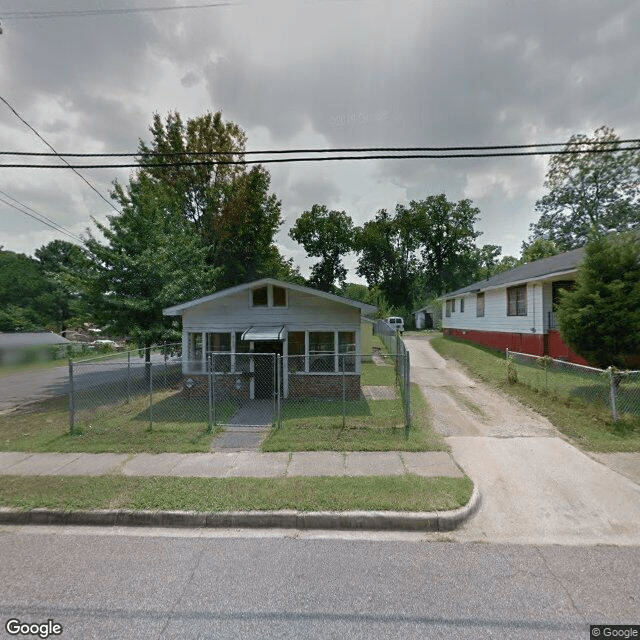
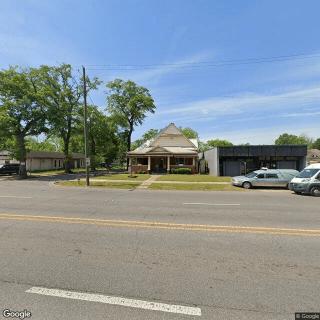
4235 44th Ave N, Birmingham, AL 35217
To contact a resident: (205) 849-0776
For more information about senior living options: (866) 208-4318
Overall Review of Heavenly Place Manor
Pros
 The congregation here is loved.
- It is a blessing to be part of a church where there is love and the Word of God is preached and taught.
- The church has great leadership, led by God.
Review
Heavenly Place Manor in Birmingham, Alabama is best suited for seniors who want a close-knit, faith-centered living experience where daily life remains intimately connected to a church community, worship, and spiritual leadership. The reviews consistently spotlight a loving congregation, with emphasis on God-centered preaching and teaching as core to daily life. Residents drawn to a sense of belonging, moral guidance, and a pastor-led atmosphere will likely feel a strong fit here. In practical terms, this is a setting where faith is not incidental but central to how companionship, routines, and purpose are cultivated.
Those considering alternatives should note who may not be a fit. Families seeking a secular environment or a facility that markets broad non-religious programming should look elsewhere. Likewise, residents who require highly specialized medical oversight, memory care programs, or a wide range of clinical services may find the emphasis on spiritual life without explicit confirmation of clinical depth a misalignment. For seniors who measure value by a diverse activity slate beyond worship and who want to see a robust, cross-cutting approach to daily living, a different option with more varied programming and care modalities could be a better match.
The most persuasive pros center on community as a healing force. The strongest asset is the congregational life itself: a welcoming atmosphere where love abounds, and where the word of God is both preached and taught in a manner that reinforces belonging and emotional safety. Leadership is described as great and God-led, which translates into a perception of trustworthy direction and consistent values. For families and residents who prize spiritual nourishment, personal accountability, and a sense of shared mission, these aspects translate into lower anxiety about social isolation and higher confidence that daily routines align with personal beliefs. In short, the faith-based framework becomes a practical mechanism for connection, accountability, and daily meaning.
When weighing potential drawbacks, the missing pieces become more noticeable. The strongest caveat for anyone not fully aligned with a church-centric lifestyle is the risk of a narrower social calendar that orbits around worship and religious activities rather than a broad spectrum of secular recreation and diverse peer groups. Details about medical oversight, caregiver staffing patterns, meal variety, and safety features are not spelled out in the available impressions, which means families must verify these elements directly. If a resident’s needs extend beyond spiritual companionship, such as memory care specialization, rehabilitation services, or highly individualized clinical oversight, these gaps could temper overall satisfaction. The key is whether the pros, community warmth, faith-based purpose, and consistent leadership, adequately offset a potential shortfall in non-religious programming and explicit care depth.
For families actively evaluating options, a practical path forward is clear. Begin with a candid assessment of what faith and community mean to the prospective resident, and confirm how worship, pastoral support, and church-based activities are integrated into the weekly rhythm. Probe for non-religious engagement, social clubs, and a calendar that includes secular outings, as well as details on clinical care availability, emergency response protocols, and caregiver ratios. If a trial stay or short-term residency is possible, use that window to observe how staff respond to medical, emotional, and spiritual needs outside worship contexts. Finally, talk directly to current residents about overall satisfaction, safety, and the balance between church life and other forms of stimulation.
The bottom line is decisive. Heavenly Place Manor stands out for residents for whom faith is the axis of daily living and who seek a community where love, preaching, and god-led leadership create a palpable sense of home. For those who prioritize secular programming, a broader social calendar, or robust clinical services, alternatives should be explored in parallel to avoid compromising on care depth or personal autonomy. When faith is the compass and church-life integration is non-negotiable, Heavenly Place Manor offers a compelling, well-aligned option in Birmingham. If the resident’s identity and needs align with that compass, this community delivers a confident, practical residence with clear spiritual value.
 Skilled Nursing Facility
 Birmingham International (1 miles away)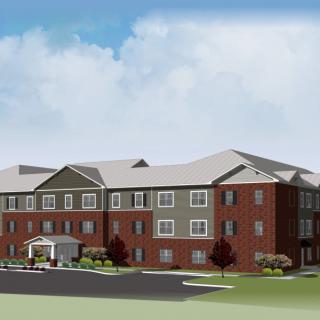




 Caregiver Exhaustion: Recognizing the Signs and Restoring Your Well-Being
 Understanding Hospice Care at Home: Comprehensive Services, Key Benefits, and Eligibility
 Understanding the Full Cost of 24/7 In-Home Care: A Detailed Overview