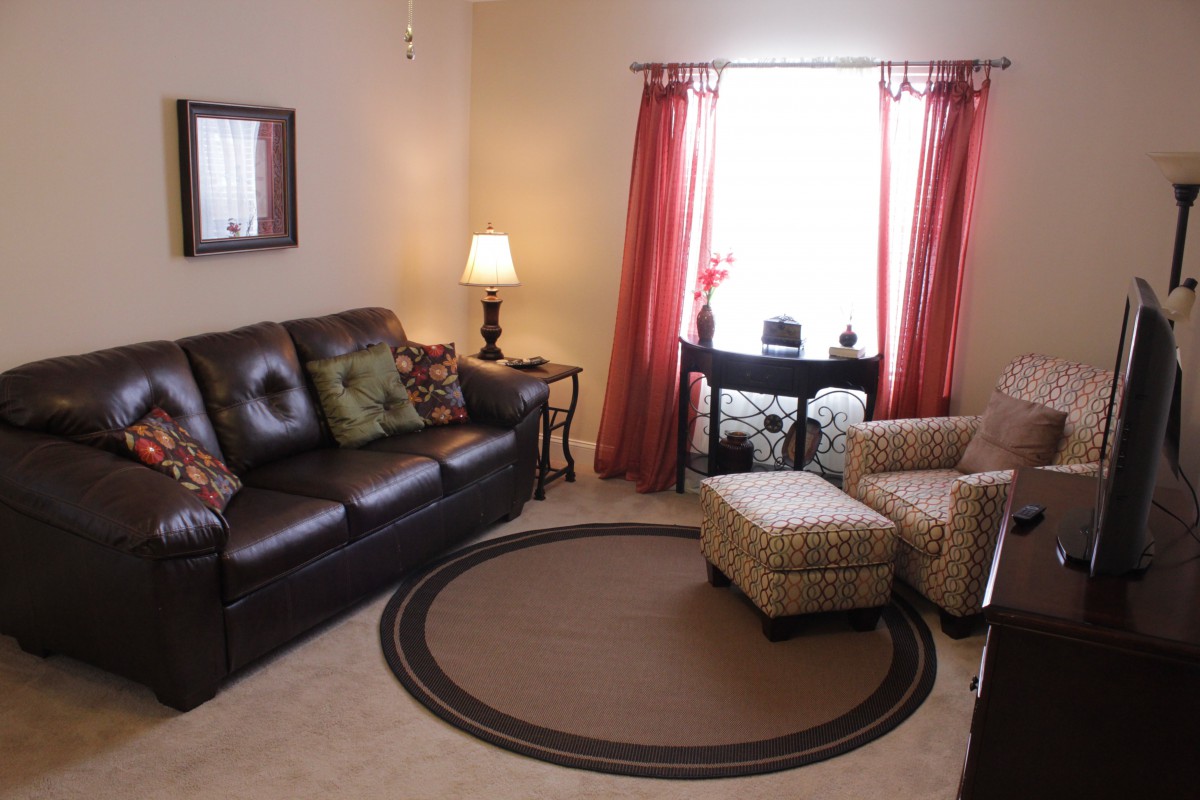
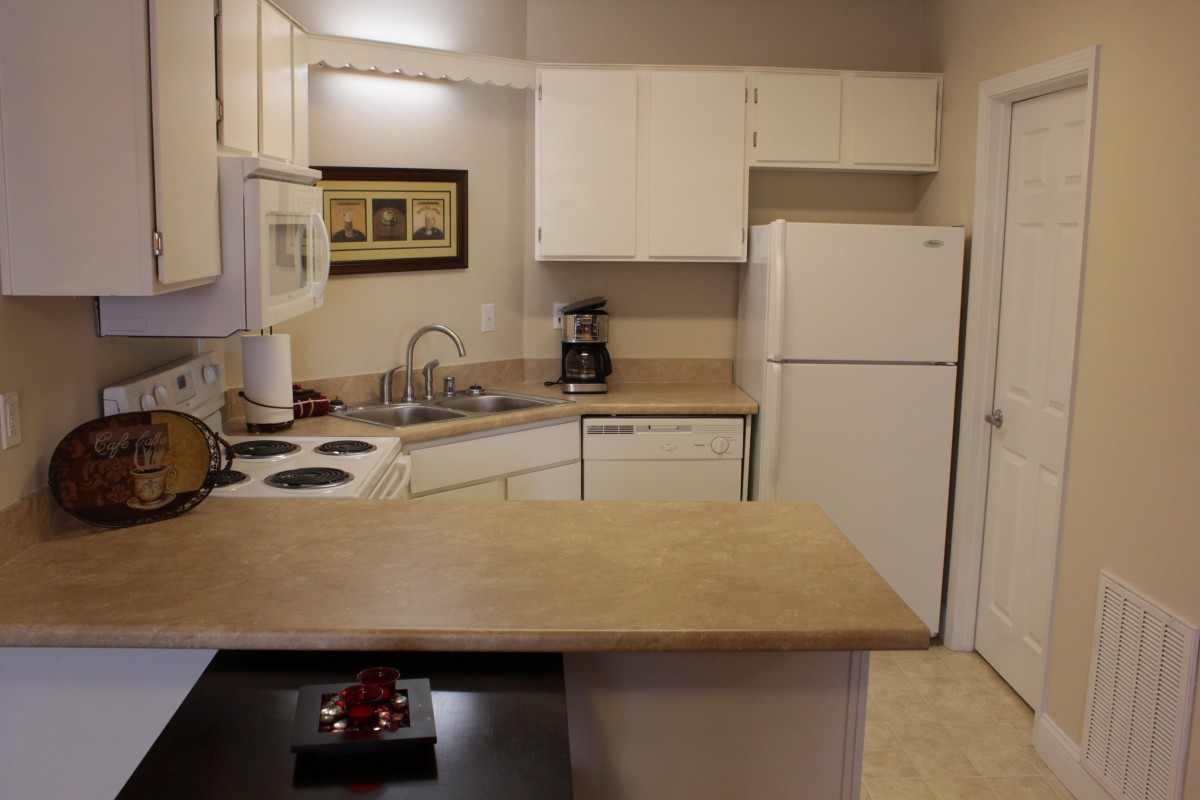
Regency Retirement of Birmingham offers competitive pricing for its accommodations, particularly when compared to both Jefferson County and the broader context of Alabama. For a semi-private room, residents can expect to pay $1,950 per month, which is significantly lower than the Jefferson County average of $4,413 and the state average of $3,495. The one-bedroom option is priced at $3,095, closely aligning with Jefferson County's cost but more affordable than the statewide average of $3,417. Meanwhile, the studio apartments are available at $3,765, slightly above the county's average of $4,002 yet considerably lower than Alabama's overall average of $3,279. This pricing structure illustrates Regency Retirement's commitment to providing quality care and comfortable living arrangements while maintaining affordability within the local market context.
Floor plans
Regency Retirement of Birmingham
Jefferson County
Alabama
Semi-Private
$1,950
$4,413
$3,495
1 Bedroom
$3,095
$3,094
$3,417
Studio
$3,765
$4,002
$3,279
Memory care communities with a similar price nearby
Overall Review of Regency Retirement of Birmingham
differentiator20 reviews mention this
Memory care feels hands-on
Memory care residents are described as closely supervised and supported day to day.
Several residents in memory care are described as safe and well cared for, with staff members staying attentive to changing needs. Families also mention that the memory care area is secured and that residents receive more hands-on support than they had elsewhere. A number of reviewers connect this to proactive communication and assistance through difficult transitions. The community also offers specialized memory care programming and mild cognitive impairment support as part of its care services.
common58 reviews mention this
Caregivers are consistently kind
Residents and families frequently describe staff as kind, responsive, and attentive.
Across many reviews, families emphasize that caregivers and nurses are supportive and responsive when help is needed. Multiple reviewers highlight steady day-to-day care, including help with safety, transitions, and personal needs. Some also describe staff as professional while still being compassionate with residents and reassuring for families. The community provides assistance with activities of daily living and supports medication management, alongside a 24-hour call system.
common26 reviews mention this
Dining earns strong and mixed feedback
Restaurant-style dining is a major part of daily life for residents.
Dining comes up often in reviews, with many families saying the food is good, and some calling out special-event meals. Others describe food as sub-par or even terrible, and a few mention concerns with how meals are served. The community offers restaurant-style dining and provides meals, including support for special dietary restrictions and diabetes diet needs, which aligns with what residents talk about.
caveat10 reviews mention this
Cleanliness and maintenance are uneven
Some reviews raise concerns about cleanliness and odors.
While many reviewers say the facility is clean, there are also recurring complaints about unpleasant conditions. A handful of reviews mention roaches, dirt, or surfaces that still smell after arrival, and one reviewer says the building feels old. Separate comments point to odors in shared areas, like the lobby. These mixed experiences contrast with the community’s marketed attention to upkeep, and residents’ day-to-day impressions can vary.
caveat8 reviews mention this
Pricing feels low, but can change
Pricing is often described as reasonable, but added services and increases can surprise families.
Some reviewers say the pricing compares favorably to other options and that the overall cost was a factor in choosing the community. At the same time, other families mention price increases after moving in. There are also comments about additional paid add-ons for services or extra help, which implies the “base” price may not cover everything families expect. Pricing benchmarks available for studio, one-bedroom, and semi-private units are positioned well below county and state levels, but reviews still point to change and add-on costs.
common18 reviews mention this
Activities are a frequent highlight
Residents are described as staying engaged through regular activities.
Many reviews mention weekly activities and scheduled programs, including outings and resident involvement. Several families describe the calendar as varied, with residents staying active and busy. A few reviewers note limitations during certain periods, like reduced activities at the time of their experience. The community also lists scheduled daily activities and community-sponsored and resident-run activities as offerings.
How we summarize
Counts show how many written reviews mention each theme; a review can touch several themes, and only frequently mentioned themes are displayed.
Features
Housing
32 resident community capacity
Types of Care
Assisted Living
Independent Living
Memory Care
Respite Care
Pets
Cats allowed
Dogs allowed
Amenities
Activities off-site
Activities on-site
Bath tubs
Beautician on-site
Beauty salon
Cable or satellite TV
Devotional services off-site
Devotional services on-site
Dining room
Fully furnished
Garden
Housekeeping services
Indoor common areas
Kitchenette
Move-in coordination
Outdoor common areas
Outdoor space
Respite or short term stays offered
Restaurant-style dining
Small library
Telephone
Wheelchair accessible showers
Wi-Fi/high-speed internet available
Transportation
Birmingham International (10 miles away)
Care Services
24-hour call system
24-hour supervision
Activities of daily living assistance
Ambulatory care
Assistance with bathing
Assistance with dressing
Assistance with transfers
Diabetes diet
Diabetic care
Incontinence care
Meal preparation and service
Medication management
Mental wellness program
Mild cognitive impairment
Special dietary restrictions
Specialized memory care programming
Dining
Diabetes diet
Meals provided
Special dietary restrictions
Activities
Activities off-site
Activities on-site
Community-sponsored activities
Devotional activities offsite
Devotional activities on-site
Resident-run activities
Scheduled daily activities
Videos
Nearby Places of Interest
This part of Birmingham, Alabama offers a variety of amenities and services that may be appealing to seniors looking for a convenient and vibrant community. There are several cafes and restaurants within a short distance, providing plenty of options for dining out or grabbing a quick bite to eat. The presence of parks and recreational areas like Oxmoor Park and the Lakeshore Running Trail offer opportunities for outdoor activities and relaxation. Additionally, there are reputable physicians, pharmacies, hospitals, and places of worship nearby, ensuring access to healthcare resources and spiritual support. Overall, this area provides a well-rounded environment with essential services for seniors seeking a comfortable living situation in Birmingham.
Cafes
Starbucks (1 miles)
Starbucks (3.1 miles)
Continental Bakery (5.3 miles)
Starbucks (5.5 miles)
Starbucks (5.6 miles)
Revelator Coffee Company (5.7 miles)
The Essential (5.7 miles)
Restaurants
Chick-Fil-A (1.3 miles)
Taco Casa (1.3 miles)
Paw Paw Patch (2.2 miles)
McDonald's (3 miles)
Pappas' Grill (3.1 miles)
Salem's Diner (4.1 miles)
Twin Peaks (4.5 miles)
Parks
Oxmoor Park (1.3 miles)
Lakeshore Running Trail (2.1 miles)
Loch Haven Dog Park (4.3 miles)
Railroad Park (5.3 miles)
Ensley Park (5.4 miles)
Rotary Trail (5.6 miles)
Physicians
VisionFirst Eye Center (2 miles)
MedHelp (2 miles)
Alabama Eye Services (3.1 miles)
Hoover Family Medicine (3.3 miles)
DR Ronald McCoy Doctor of Medicine (3.4 miles)
Facial Plastic & Reconstructive Surgery (3.7 miles)
Brookwood Professional Building (4.2 miles)
Pharmacies
CVS Pharmacy (2.5 miles)
Walgreens (2.5 miles)
Vestavia Hills Apothecary (3 miles)
Walgreens (3.1 miles)
CVS Pharmacy (4.2 miles)
CVS Pharmacy (4.2 miles)
Walgreens (4.3 miles)
Theaters
AMC DINE-IN Vestavia Hills 1 (2.9 miles)
Hospitals
Community Health Systems (3.2 miles)
Medscreen (4 miles)
Baptist Medical Center (4.1 miles)
Callahan Eye Foundation Hospital (5.1 miles)
Benjamin Russell Hospital for Children (5.1 miles)
Regency Retirement of Birmingham offers competitive pricing for its accommodations, particularly when compared to both Jefferson County and the broader context of Alabama. For a semi-private room, residents can expect to pay $1,950 per month, which is significantly lower than the Jefferson County average of $4,413 and the state average of $3,495. The one-bedroom option is priced at $3,095, closely aligning with Jefferson County's cost but more affordable than the statewide average of $3,417. Meanwhile, the studio apartments are available at $3,765, slightly above the county's average of $4,002 yet considerably lower than Alabama's overall average of $3,279. This pricing structure illustrates Regency Retirement's commitment to providing quality care and comfortable living arrangements while maintaining affordability within the local market context.
The features offered by Regency Retirement of Birmingham are integral to supporting residents with dementia or Alzheimer's disease by ensuring their daily needs are met in a compassionate and structured environment. Assistance with dressing, bathing, and transfers promotes dignity and safety while fostering independence. Medication management ensures that residents adhere to prescribed regimens, alleviating anxiety around health issues. Meal preparation and service cater to nutritional needs while considering preferences that may enhance enjoyment during mealtime. Activities of daily living assistance helps maintain routine and consistency, which is crucial for those facing cognitive challenges. The 24-hour supervision provides peace of mind for both residents and families, facilitating immediate support when needed. Additionally, specialized memory care programming addresses the unique cognitive challenges faced by individuals with varying degrees of impairment, while mental wellness programs foster engagement and social interaction. Incontinence care further ensures comfort and dignity in daily life, reinforcing a holistic approach to memory care that prioritizes both physical well-being and emotional security.
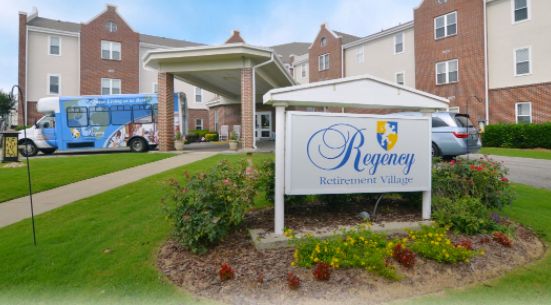
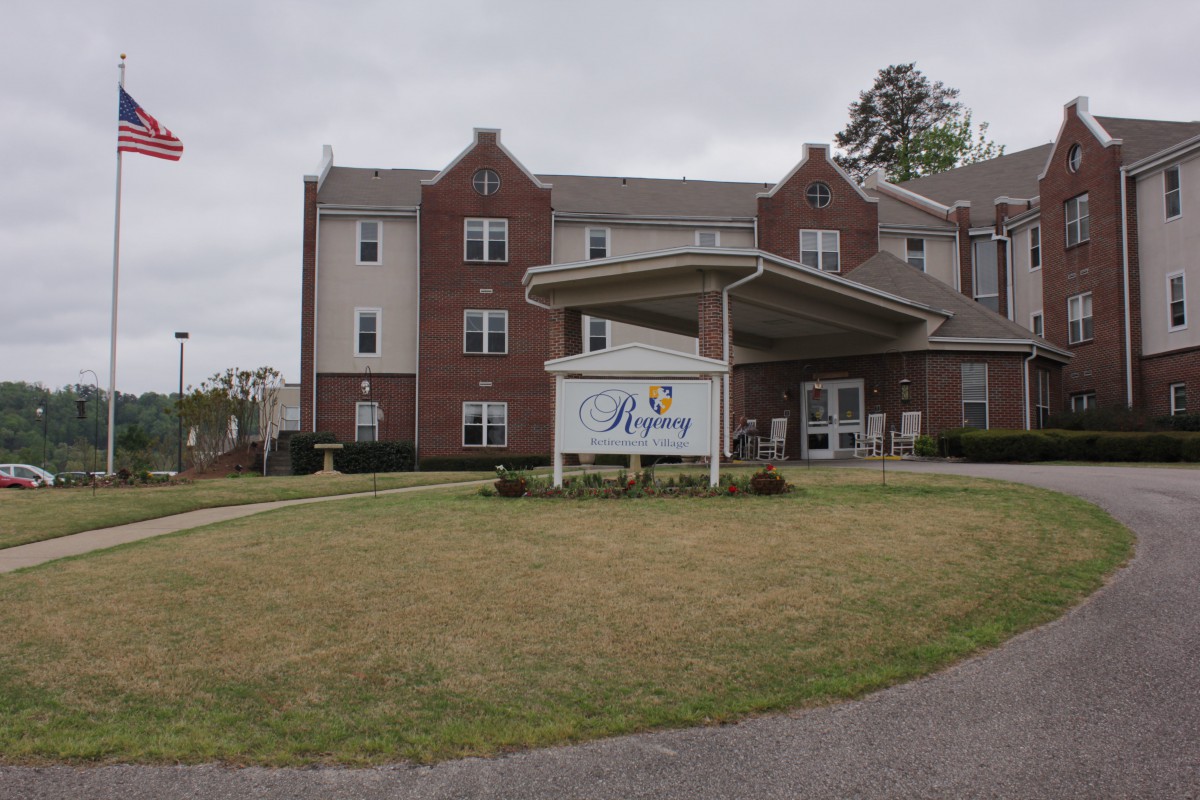
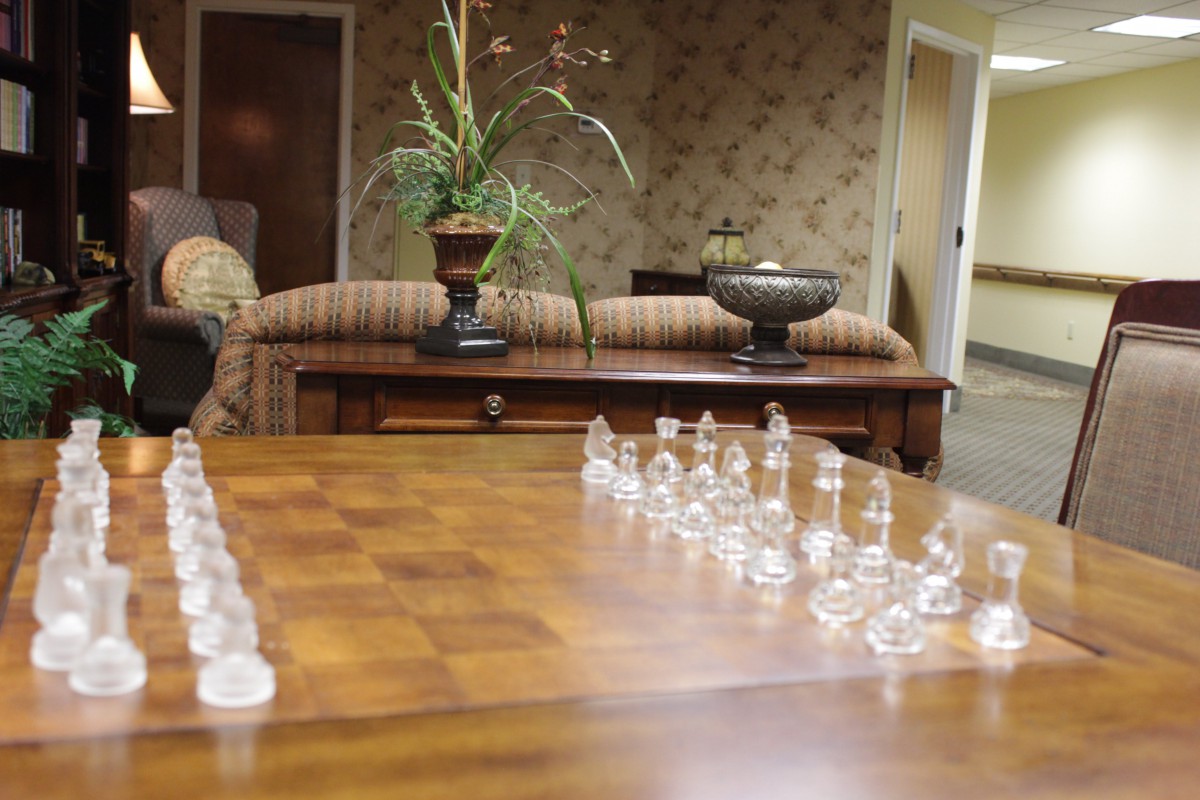
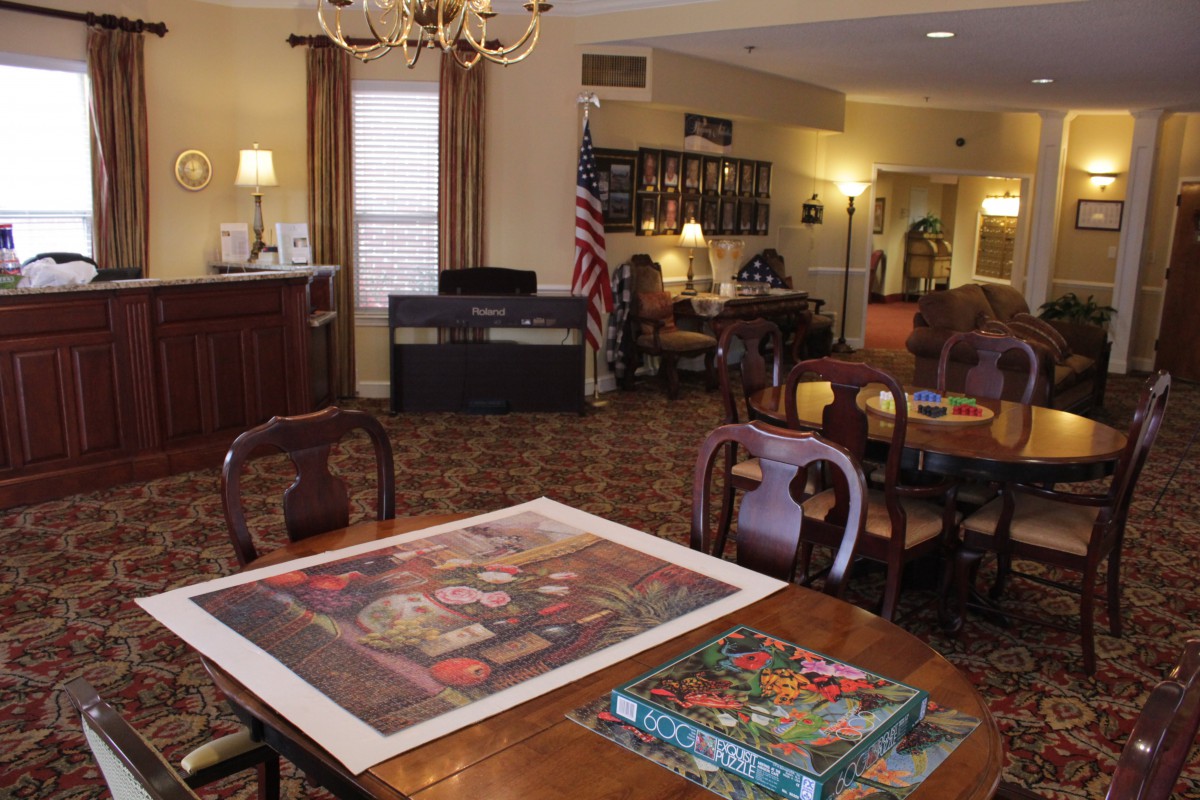
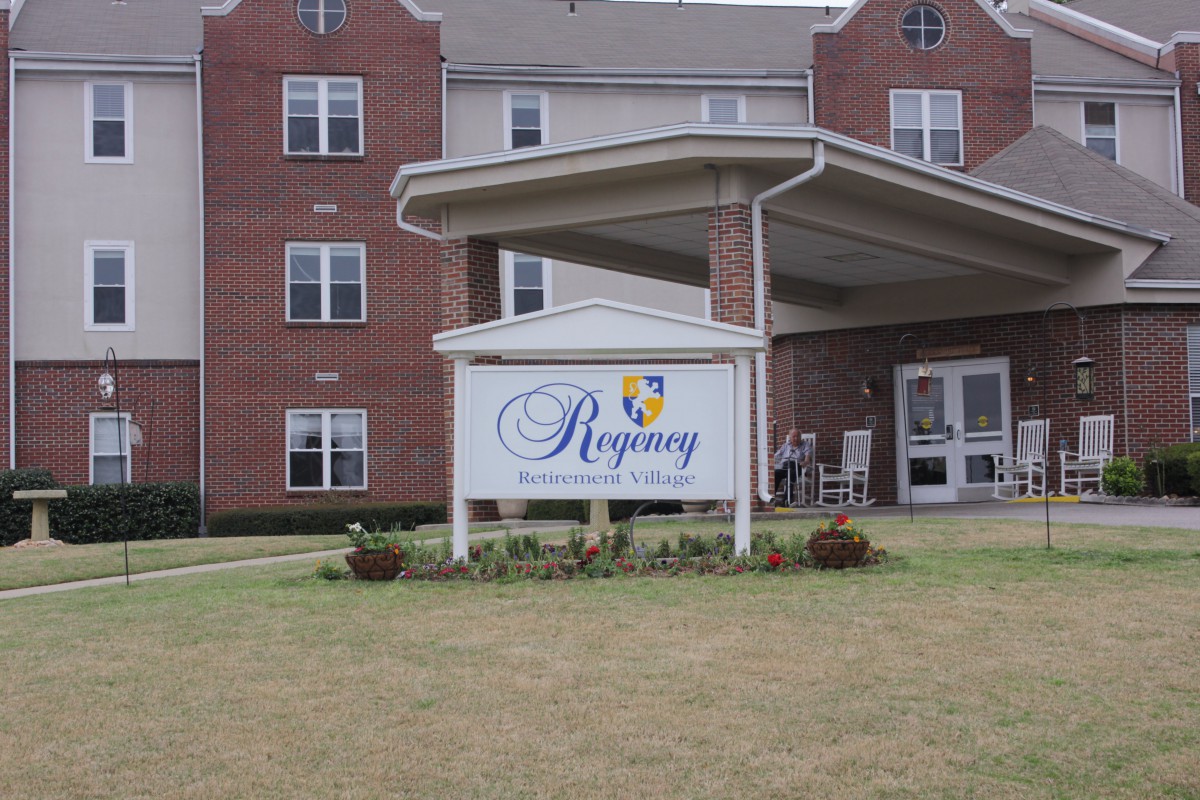
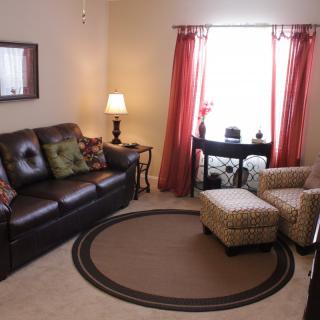
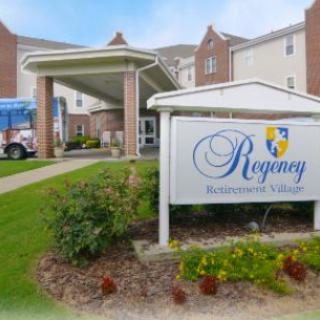
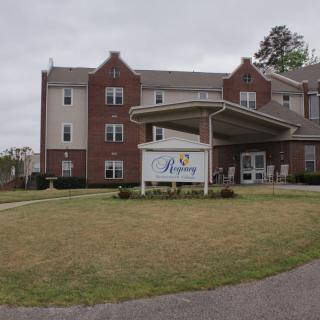
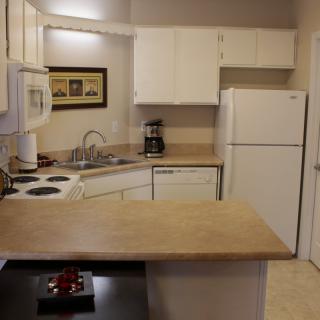
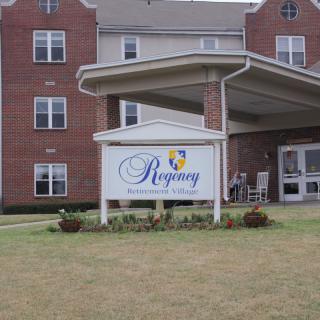
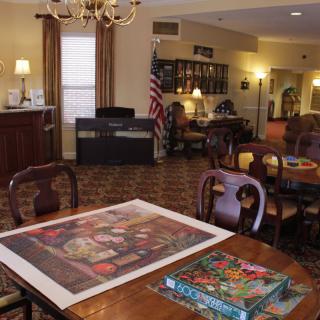
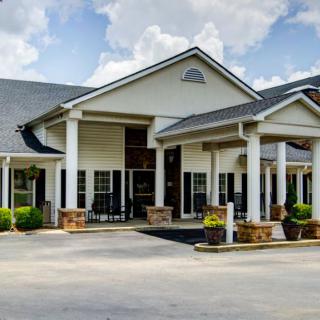
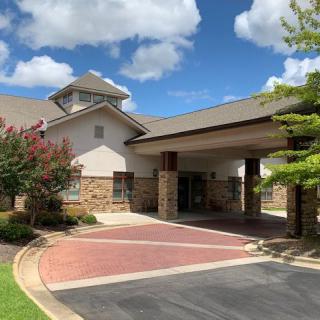
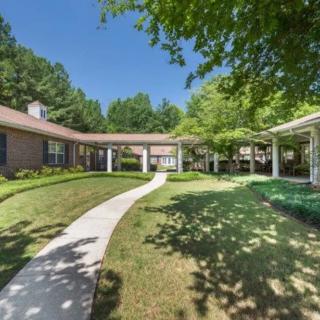
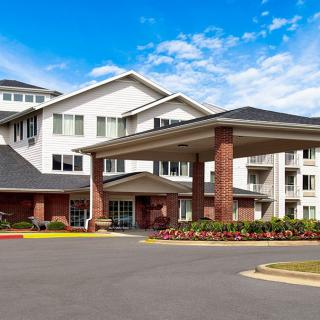
Regency Retirement of Birmingham on seniors.fyi includes 7 photos including images showing entrance, building, landscaping, interior, decor, lounge area, indoor plants, chandelier, and more.
Nearby Communities
Maxxon Home Health Care Inc
Birmingham, AL
Excellent access to nearby amenities and healthcare.
Able Homecare of Birmingham
Vestavia Hills, AL
4.6 from 52 reviews
Close to many amenities and healthcare services (cafes, pharmacies, physicians, hospitals, parks, restaurants, worship venues).
Virginia Sitter's Service
Birmingham, AL
Vibrant, supportive assisted living with easy access to parks, dining, and healthcare.
Helping Hearts Senior Care - Birmingham, AL
Birmingham, AL
4.1 from 42 reviews
$5,150 to $6,695 / month
Premium assisted living with a strong focus on resident well-being and convenient nearby amenities.
Morningside of Vestavia Hills
Vestavia Hills, AL
4.6 from 133 reviews
$1,734 to $3,060 / month
Friendly staff, clean, welcoming environment with engaging activities.
Home Instead - Birmingham, AL
Birmingham, AL
4.7 from 75 reviews
Strong neighborhood amenities: cafes, restaurants, parks, healthcare providers, worship options, and entertainment within easy reach.
Briar Glen Alzheimer's Special Care Center
hoover, AL
3.8 from 72 reviews
$4,650 to $6,075 / month
Friendly, attentive staff; engaging activities; and inviting outdoor spaces.
Right at Home of Birmingham, AL
Birmingham, AL
4.7 from 6 reviews
Reliable, responsive care with consistent caregivers.
Holiday Rocky Ridge
Hoover, AL
4.4 from 117 reviews
$2,279 to $3,279 / month
Friendly staff, clean facilities, and engaging activities with restaurant-style dining.
Assisted living provides moderate support for seniors seeking independence, while memory care offers specialized support for individuals with dementia or cognitive impairments through structured routines and trained staff. Key differences include care approaches, environment security measures, staff training levels, activity types, and cost considerations.
Choosing between assisted living and nursing homes involves evaluating emotional and financial factors, with assisted living offering independence and support for daily activities at a lower cost, while nursing homes provide intensive medical care for individuals with significant health needs. The decision is influenced by personal preferences, health status, cognitive function, and varying Medicaid coverage across states.
The article presents eight strategies for preserving cognitive health and memory in older adults, emphasizing a nutrient-rich diet, regular exercise, intellectually stimulating activities, adequate sleep, social connections, stress management techniques, limiting harmful substances, and regular medical checkups to mitigate age-related memory decline.
Kitchen, Appliances, Refrigerator, Stove, and Coffee Station
Chandelier and Flag
Indoor Plants and Lounge Area
Nursing Home
Get PricingAsk A QuestionSchedule A TourContact Senior Advisor
By clicking submit, you agree to our Partner's Terms of Use. You
also consent to receive calls and texts, which may be autodialed, from our Partner. Your consent is not a condition to
using our Partner's service. Please visit our Partner's Privacy Policy for information about their privacy practices.



 32 resident community capacity
 Assisted Living
 Independent Living
 Memory Care
 Respite Care
 Cats allowed
 Dogs allowed
 Activities off-site
 Bath tubs
 Beautician on-site
 Cable or satellite TV
 Devotional services off-site
 Dining room
 Fully furnished
 Garden
 Housekeeping services
 Indoor common areas
 Kitchenette
 Move-in coordination
 Outdoor common areas
 Restaurant-style dining
 Small library
 Telephone
 Wheelchair accessible showers
 Wi-Fi/high-speed internet available
 Birmingham International (10 miles away)
 24-hour call system
 Ambulatory care
 Assistance with bathing
 Assistance with dressing
 Assistance with transfers
 Diabetes diet
 Diabetic care
 Incontinence care
 Medication management
 Mental wellness program
 Special dietary restrictions
 Excellent access to nearby amenities and healthcare.

 Assisted Living and Memory Care: Understanding Their Core Differences
 Choosing the Right Senior Care: A Detailed Exploration of Assisted Living and Nursing Homes
 Safeguarding Your Memory Through the Golden Years: Eight Ways to Preserve Cognitive Health