

2090 Columbiana Rd Ste. 1910, Vestavia Hills, AL 35216
To contact a resident: (205) 979-3180
For more information about senior living options: (866) 208-4318
Overall Review of Able Homecare of Birmingham
Pros
 Right at Home is fantastic.
- Duffy Towey was so helpful. He is amazing.
- The Birmingham office is a delight to work with.
- Beau Green and the Right at Home team always go above and beyond to assist clients with their caregiving needs; they have an excellent team of experienced and compassionate caregivers.
- Right at Home as a company is the best; the staff and caregivers go above and beyond.
- A true resource in the senior community.
- Beau and his staff are wonderful.
- Catricia at the Vestiva Office was patient, took the time to explain everything, and made the reviewer feel understood.
Cons
 The staff is unprofessional and not adequately trained.
- The office manager deflects and never provides truthful answers, effectively giving customers the runaround.
- There are no Black caregivers advertised, prompting questions about employing Black staff.
- The office manager's unprofessional, accusatory tone left the reviewer feeling disrespected and undervalued.
- The company is described as the worst ever used, with sitters who are not actually trained despite claims.
Review
This community is best suited for families seeking highly engaged, in-home care in the Vestavia Hills area who value proactive coordination with doctors, hospitals, and paperwork as much as personal caregiving. The most compelling signal is the strong, hands-on support network described by families who needed help navigating appointments and enrollment, with staff and coordinators stepping in to smooth the process. In particular, reviewers point to coordinators who connect clients to the right resources quickly, and to office teams that are capable of moving the care plan forward even when obstacles appear. When the goal is not just chores at home but a comprehensive, client-centered caregiving rhythm, this provider shows real strength.
Those who should consider alternatives are families that prioritize consistently flawless administrative professionalism and unambiguous, sensitive communication at every encounter. Several reviews flag concerns about office-room tone and process clarity, including an instance of deflection, unhelpful answers, and a run-around. There are also pointed critiques about training adequacy and sometimes abrasive or accusatory language from front-office staff. For families that cannot tolerate inconsistent messaging or marketing that feels out of step with actual caregiver quality, it is prudent to shop around and demand concrete proof of training protocols, respectful communication standards, and a transparent escalation path.
The strongest pros center on the caregiving relationship and the responsiveness of the office team. Caregivers are repeatedly described as patient, kind, and genuinely engaged in the client’s well-being. Several reviews highlight staff who “go above and beyond,” deliver thoughtful, personalized care, and maintain strong bonds with families over time. One caregiver is remembered as especially empathetic and professional, and a dedicated coordinator is praised for keeping the family connected to the care plan. The ability of a local office to greet families with warmth, follow through on requests, and mobilize resources quickly is a meaningful offset to the daily realities of aging care when it works well.
The main drawbacks lie in communications and perceived training gaps. Negative voices reference not just offhand rudeness but a pattern of unhelpful guidance and even questions about whether staff are sufficiently trained. The implications are serious: when schedules shift, when a concern arises, or when a novel health event occurs, families need a reliable, confident response. Additionally, a critique about the marketing being non-representative or insensitive underscores the need for ongoing cultural competency and inclusive outreach. These are not trivial concerns; they should shape how any prospective client evaluates onboarding, caregiver assignment, and ongoing supervision.
Fortunately, the strongest caregiving advantages can meaningfully offset these concerns if the agency provides structured safeguards. A dedicated care manager, a clear primary caregiver, and predictable scheduling can turn excellent bedside care into a consistently dependable daily experience. Families should insist on a formal care plan with milestones, regular written updates, and an explicit process for addressing miscommunications. Demand measurable metrics: caregiver tenure, response times, incident reporting, and satisfaction surveys. When the office demonstrates steady reliability and the caregiving team consistently earns praise for warmth and competence, the earlier drawbacks fade in importance relative to peace of mind and practical daily support.
For families weighing options in Vestavia Hills, this provider appears capable of delivering high-impact, compassionate care alongside responsive coordination that lightens the family burden. Yet the evidence also cries for due diligence: verify training standards, request a named supervisor, and obtain a candid reference list that speaks to both reliability and professional behavior. Compare with peers on explicit criteria, staff retention, caregiver matching processes, and the tone of administrative interactions. The right choice will thread strong, respectful communication with equally strong, patient-centered caregiving, ensuring that seniors receive consistent support aligned with their goals and families feel consistently informed.
 Birmingham International (9 miles away)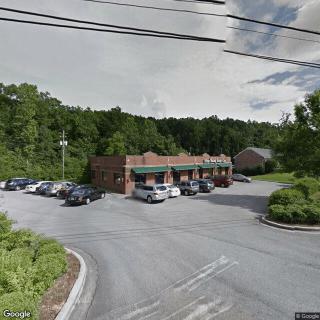






 Exploring the World of Home Health Nurses: Qualifications, Roles, and Hiring Tips
 Navigating Medicare Coverage for In-Home Care Services
 In-Home Care Costs in 2025: A Detailed State-by-State Exploration