For more information about senior living options: (866) 208-4318
4.1 from 42 reviews
5 stars
32
4 stars
1
3 stars
0
2 stars
1
1 stars
8
Helping Hearts Senior Care - Birmingham, AL Costs & Pricing
At Helping Hearts Senior Care in Birmingham, AL, the monthly costs reflect a commitment to quality care that surpasses both county and state averages. For semi-private accommodations, residents can expect to pay $5,150, which is notably higher than Jefferson County's average of $4,413 and Alabama's statewide figure of $3,495. Private rooms come at a rate of $6,180, again exceeding the county rate of $4,926 and the state average of $4,158. For those seeking studio apartments, the cost is $6,695 - significantly above Jefferson County's average of $4,002 and Alabama's average of $3,279. This pricing structure highlights Helping Hearts Senior Care's focus on providing superior living conditions and personalized care tailored to meet the unique needs of its residents.
Floor plans
Helping Hearts Senior Care - Birmingham, AL
Jefferson County
Alabama
Semi-Private
$5,150
$4,413
$3,495
Private
$6,180
$4,926
$4,158
Studio
$6,695
$4,002
$3,279
Senior living communities with a similar price nearby
from -$800 / mo
Legacy Ridge at Trussville
4.7 from 67 reviews
$4,350 to $5,350 / month
20.9 miles away
About the same
Longleaf Liberty Park
4.4 from 45 reviews
$5,150 to $8,350 / month
7.6 miles away
from +$296 / mo
Angel of Mercy ElderCare, LLC
4 from 17 reviews
$5,446 to $7,079 / month
4.7 miles away
from -$500 / mo
Briar Glen Alzheimer's Special Care Center
3.8 from 72 reviews
$4,650 to $6,075 / month
4.1 miles away
from -$186 / mo
Briar Glen Alzheimer’s Special Care Center
3.3 from 27 reviews
$4,964 to $6,453 / month
4.1 miles away
Overall Review of Helping Hearts Senior Care - Birmingham, AL
common22 reviews mention this
Staff feel consistently professional
Residents and families describe staff as professional, caring, and responsive to questions.
Many reviews say the staff is professional and helpful, with people describing smooth onboarding or orientation experiences. Several also emphasize kindness and care, including respect for residents and their families. A few reviewers specifically mention rapid response and flexibility when care is needed.
caveat3 reviews mention this
Communication and respect get questioned
Some reviewers raise concerns about communication, respect, and how situations are handled.
A small set of reviews describe problems around communication and how staff interact with clients or families. One reviewer alleges repeated disrespect and non-communication, while another describes being yelled at during an email follow-up. Another mentions issues with scheduling communication and bedside manner, alongside overall dissatisfaction.
caveat2 reviews mention this
Some work reviews describe toxicity
Some workers report negative experiences with the work environment and pay.
Two reviews from former workers describe an unfavorable workplace, including claims of bullying or an overloaded schedule. One also reports never being paid for a completed shift and says there was no paid training. Across these reviews, the theme is not just dissatisfaction but a lack of support and professionalism at work.
How we summarize
Counts show how many written reviews mention each theme; a review can touch several themes, and only frequently mentioned themes are displayed.
Features
Transportation
Birmingham International (8 miles away)
Nearby Places of Interest
This part of Birmingham, Alabama offers a convenient location with a variety of amenities essential for senior living. There are several pharmacies located within close proximity, providing easy access to medication and healthcare supplies. A range of restaurants cater to different culinary preferences, while cafes offer a relaxing spot for socializing or enjoying a cup of coffee. The presence of reputable hospitals and physicians ensures quality healthcare services nearby. Parks provide opportunities for outdoor recreation and exercise, while places of worship offer spiritual fulfillment. Additionally, the area features a theater for entertainment options. Overall, this neighborhood provides a well-rounded environment conducive to comfortable senior living.
Pharmacies
CVS Pharmacy (0.9 miles)
Walgreens (0.9 miles)
Walgreens (2.5 miles)
CVS Pharmacy (3 miles)
CVS Pharmacy (3 miles)
Walgreens (3.1 miles)
Walgreens (3.1 miles)
Restaurants
Paw Paw Patch (0.9 miles)
Taco Casa (1.2 miles)
Chick-Fil-A (1.5 miles)
Salem's Diner (2.9 miles)
Domino's Pizza (3.2 miles)
Church's Chicken (3.2 miles)
McDonald's (3.3 miles)
Cafes
Starbucks (1.5 miles)
Starbucks (3.7 miles)
Continental Bakery (3.9 miles)
Revelator Coffee Company (3.9 miles)
The Essential (3.9 miles)
The Red Cat (4.5 miles)
Starbucks (4.6 miles)
Hospitals
Community Health Systems (1.7 miles)
Baptist Medical Center (2.4 miles)
Benjamin Russell Hospital for Children (3.4 miles)
Callahan Eye Foundation Hospital (3.4 miles)
Women & Infants Center (3.4 miles)
UAB Hospital (3.5 miles)
UAB Spain-Wallace Building (3.6 miles)
Physicians
VisionFirst Eye Center (1.7 miles)
MedHelp (1.7 miles)
Montgomery Rian L MD - Rian L Montgomery, MD (2.5 miles)
Simon Williamson Clinic, PC (2.5 miles)
Short Kathleen S MD - Simon-Williamson Clinic (2.5 miles)
At Helping Hearts Senior Care in Birmingham, AL, the monthly costs reflect a commitment to quality care that surpasses both county and state averages. For semi-private accommodations, residents can expect to pay $5,150, which is notably higher than Jefferson County's average of $4,413 and Alabama's statewide figure of $3,495. Private rooms come at a rate of $6,180, again exceeding the county rate of $4,926 and the state average of $4,158. For those seeking studio apartments, the cost is $6,695 - significantly above Jefferson County's average of $4,002 and Alabama's average of $3,279. This pricing structure highlights Helping Hearts Senior Care's focus on providing superior living conditions and personalized care tailored to meet the unique needs of its residents.
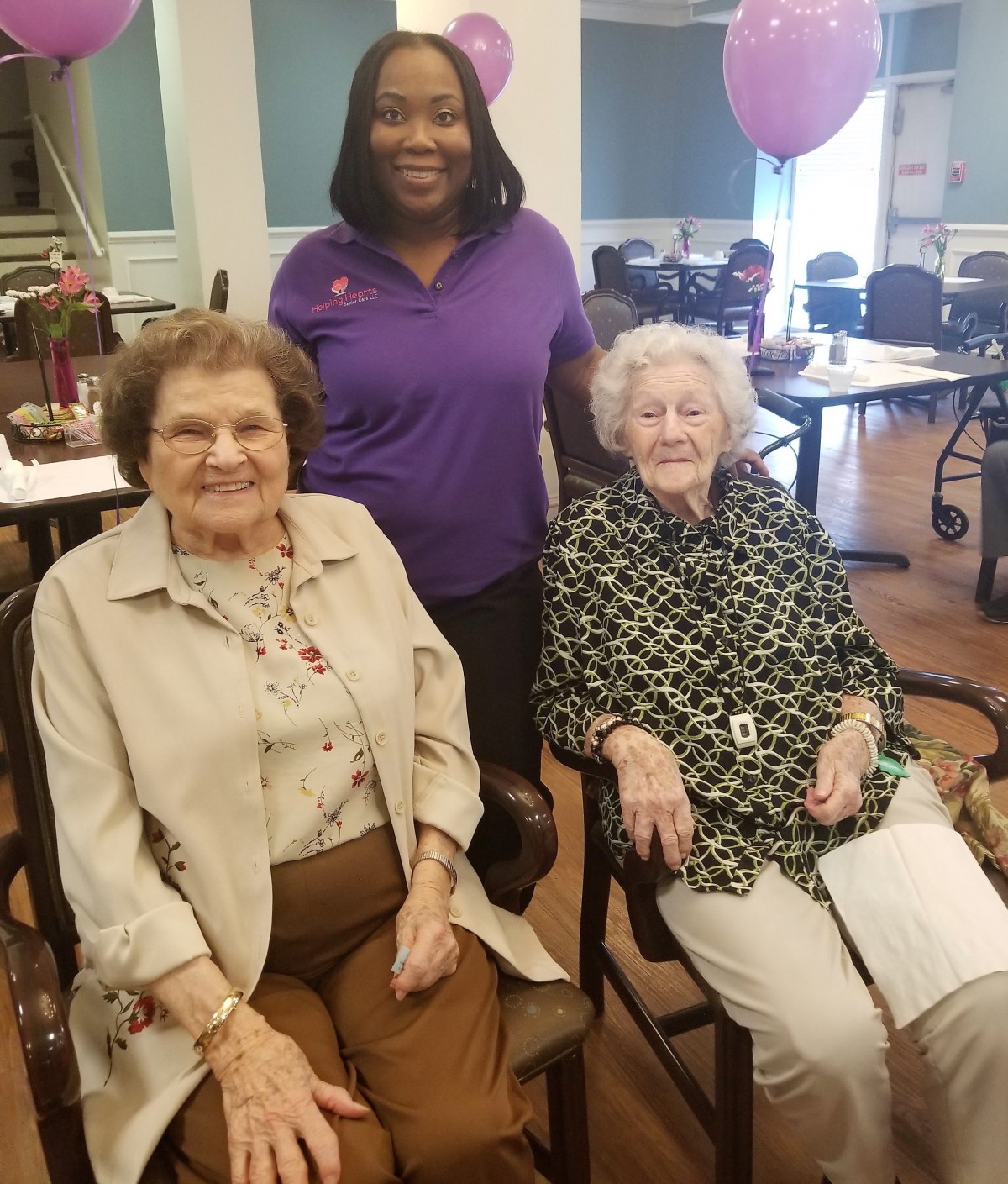
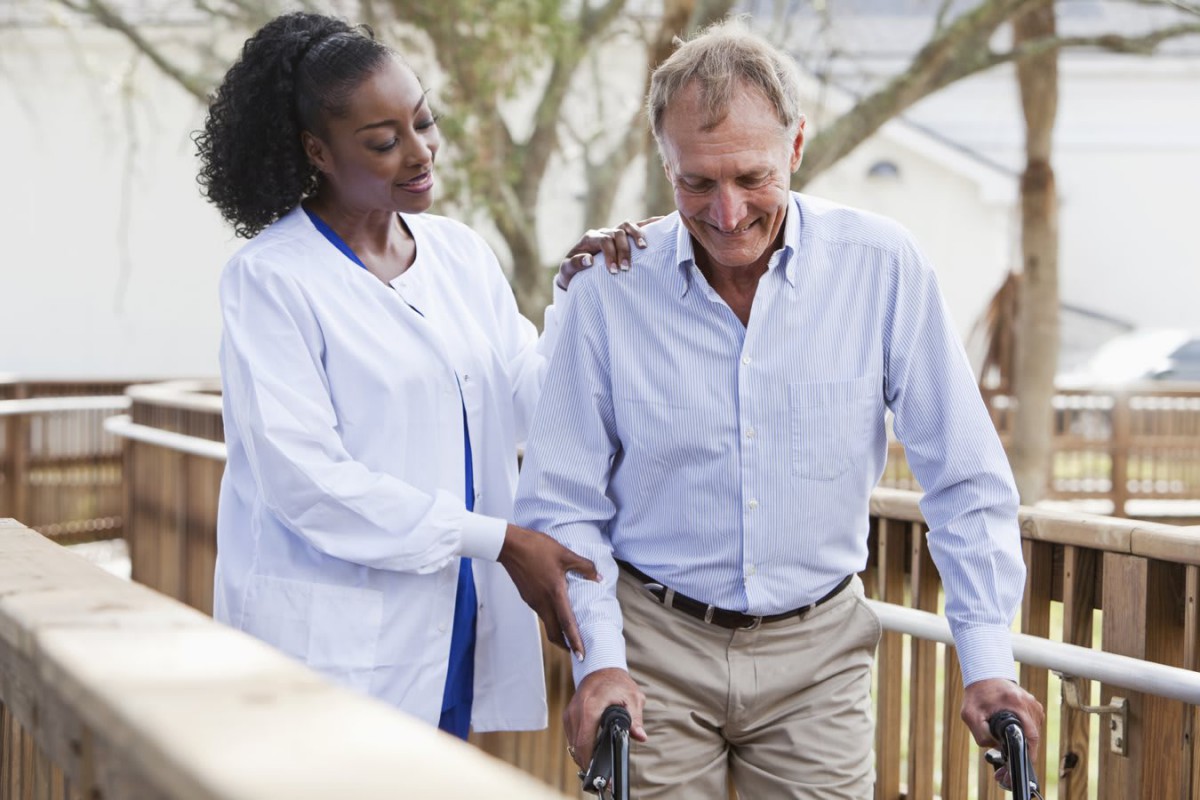
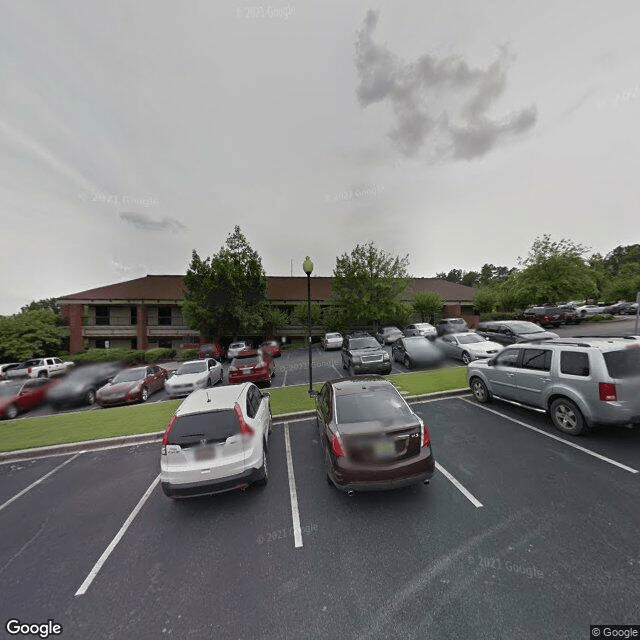
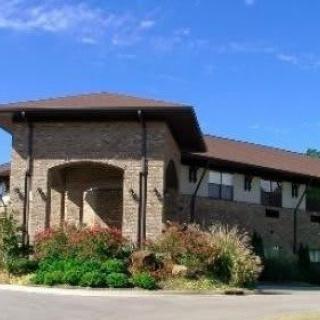
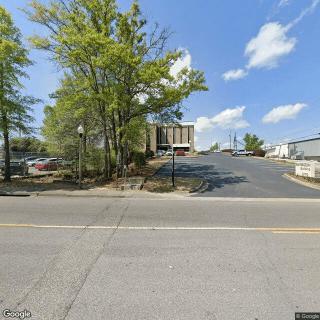
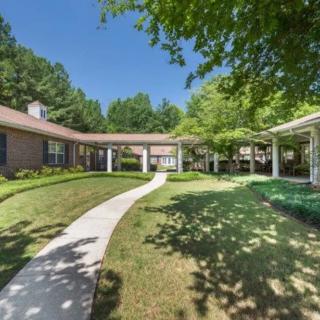
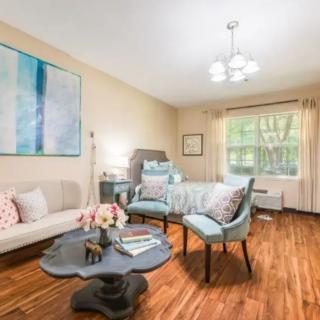
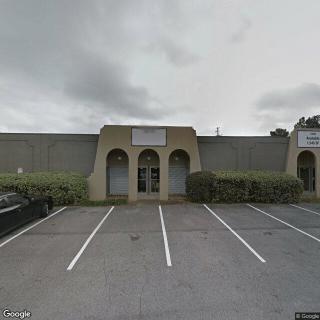
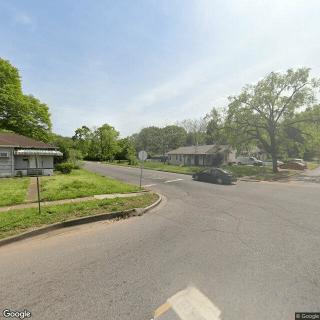
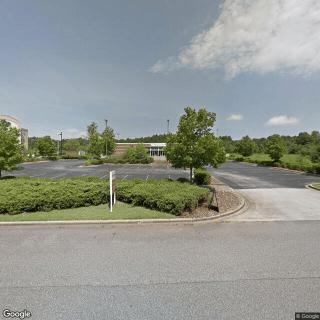
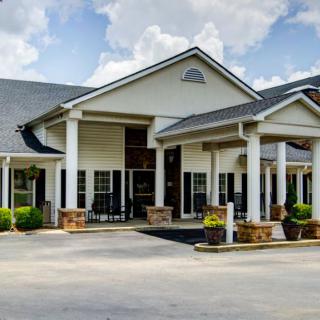
Helping Hearts Senior Care - Birmingham, AL on seniors.fyi includes 4 photos including images showing interior, outdoors, healthcare, assistance, nurse, and more.
Nearby Communities
Addus Healthcare
Birmingham, AL
4 from 4 reviews
Close proximity to numerous amenities (cafes, restaurants, parks, pharmacies, physicians, places of worship, theaters, and hospitals) boosts resident convenience.
Skyline Village at Red Mountain
Homewood, AL
4.2 from 95 reviews
$1,600 to $2,600 / month
Friendly, caring staff; active community with ample on-site amenities.
Maxxon Home Health Care Inc
Birmingham, AL
Excellent access to nearby amenities and healthcare.
Virginia Sitter's Service
Birmingham, AL
Vibrant, supportive assisted living with easy access to parks, dining, and healthcare.
Lena's Passionate Care
Birmingham, AL
3 from 1 review
Caregiver communication and proactive problem-solving.
FirstLight Home Care of Birmingham
Birmingham, AL
4.9 from 42 reviews
Reliable, compassionate care with professional, supportive staff.
Morningside of Vestavia Hills
Vestavia Hills, AL
4.6 from 133 reviews
$1,734 to $3,060 / month
Friendly staff, clean, welcoming environment with engaging activities.
Right at Home of Birmingham, AL
Birmingham, AL
4.7 from 6 reviews
Reliable, responsive care with consistent caregivers.
Briar Glen Alzheimer's Special Care Center
hoover, AL
3.8 from 72 reviews
$4,650 to $6,075 / month
Friendly, attentive staff; engaging activities; and inviting outdoor spaces.
In-home care is increasingly sought after by older adults for maintaining independence, with average private home care rates in 2025 varying by state and service type, reflecting geographical and local labor market influences. As demand rises, families are considering funding options like Medicaid waivers and long-term care insurance to manage costs effectively while ensuring quality care.
Home health care has become essential for supporting independence among the aging population, offering diverse services such as skilled nursing and rehabilitation in familiar environments, while also incorporating technology for personalized care. Despite its benefits, including improved recovery rates and emotional well-being, challenges like safety, staff availability, and insurance navigation must be managed for effective implementation.
Home health care offers a range of clinical services provided in a patient's home, including nursing and therapy, tailored to individual needs, particularly for aging seniors with chronic conditions. This approach enhances patient independence, promotes better disease management, and utilizes technology for real-time monitoring while fostering collaboration among healthcare providers and family members.
Helping Hearts Senior Care - Birmingham, AL photos
×
Interior
Outdoors
Healthcare
Interior
Outdoors
Healthcare, Nurse, and Assistance
Get PricingAsk A QuestionSchedule A TourContact Senior Advisor
By clicking submit, you agree to our Partner's Terms of Use. You
also consent to receive calls and texts, which may be autodialed, from our Partner. Your consent is not a condition to
using our Partner's service. Please visit our Partner's Privacy Policy for information about their privacy practices.



 Birmingham International (8 miles away)
 Close proximity to numerous amenities (cafes, restaurants, parks, pharmacies, physicians, places of worship, theaters, and hospitals) boosts resident convenience.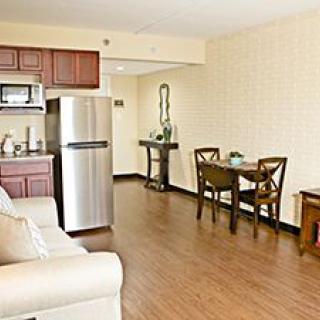
 In-Home Care Costs in 2025: A Detailed State-by-State Exploration
 Understanding Home Health Care: A Comprehensive Guide
 Home Health Care Demystified: A Comprehensive Guide for Families and Caregivers