
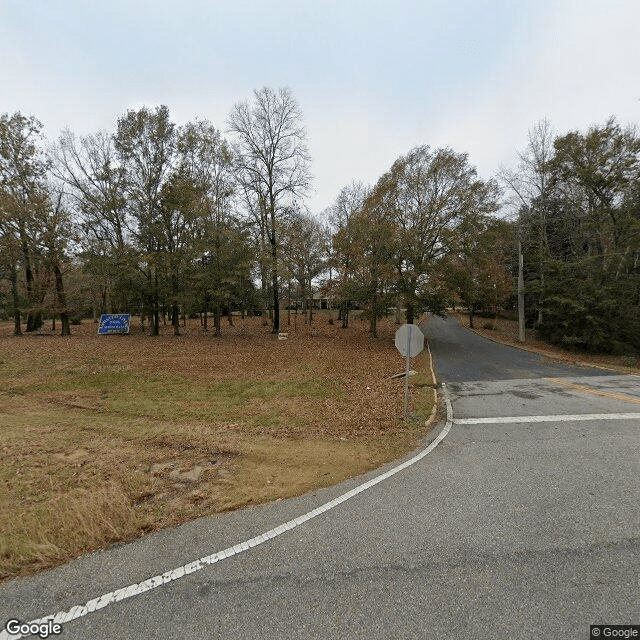
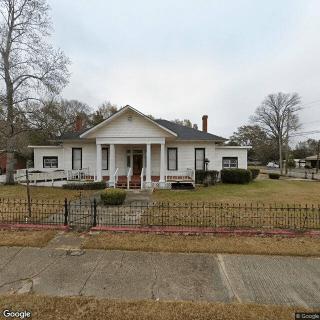
3084 U.S. 431 South, Abbeville, AL 36310
To contact a resident: (334) 585-1072
For more information about senior living options: (866) 208-4318
Overall Review of Twin Magnolias
Pros
 Twin Magnolias is the most wonderful and caring place.
- People would recommend Twin Magnolias to anyone.
Cons
 The place is very unprofessional.
Review
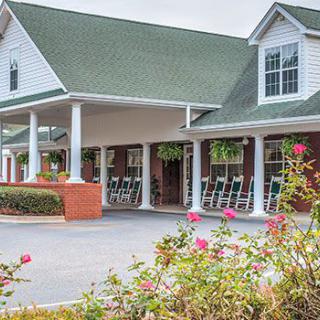
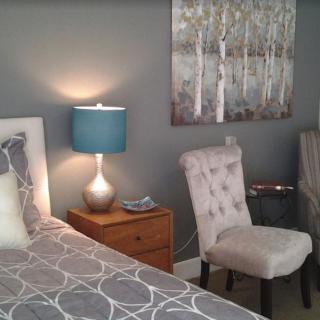
Twin Magnolias in Abbeville, Alabama, is best suited for families seeking a small, home-like assisted living option where caregivers are invested in building personal relationships with residents over the long haul. The most compelling testimony comes from a family whose dad lived there for more than five years, describing the community as wonderfully caring and steady in its approach. For families prioritizing continuity, familiar routines, and a warm, supportive atmosphere, this setting can feel like a true home, not a clinical transition. In a rural Alabama town, the sense of community and daily familiarity can be a powerful stabilizer for seniors who resist frequent moves or abrupt changes in caregivers.
That said, Twin Magnolias is not the default pick for every situation. Those who demand meticulous professionalism, consistently polished operations, and highly structured communication should consider alternatives. Prospective residents needing robust nursing oversight around the clock, detailed clinical protocols, or aggressive management of complex medical needs may find the environment too soft or informal. Likewise, families seeking extensive memory-care programs, highly scheduled activities, or a facility with larger staff and more formal processes may be better served elsewhere. In short, if professional polish and aggressive operational systems are non-negotiable, broaden the search beyond this community.
The strongest positives, genuine warmth, attentive caregivers, and a sense of long-term stability, can meaningfully offset the potential downsides for the right resident. A family remarking on multiple years of residency signals that residents often achieve meaningful consistency in daily life and social connection. When care is built on relationships and familiar faces, emergencies feel more manageable and daily routines become reassuring anchors. However, the presence of a single negative review calling the place unprofessional cannot be ignored. That tension matters: it suggests a potential gap in formal processes, communication clarity, or administrative responsiveness that families must scrutinize before making a commitment. For families prioritizing emotional security over bureaucratic precision, the pros can still win out, but only with careful probing during visits.
Practical due diligence will determine fit. Prospective residents should demand a transparent tour plus hard information on staffing: what the average staff-to-resident ratio is, how shifts are organized, and how often caregivers interact with families to share updates. Inquire about care planning and updates: are plans reviewed routinely with family input, and how are changes communicated? Evaluate daily life: what does a typical day look like, what activities are offered, what meals are served, and how are dietary restrictions handled? Request to speak with several current residents or their families, and review any available state inspection reports or licensing records to gauge how the facility handles safety, incident reporting, and quality improvements. A clear, written residency agreement with fee structures and what happens if care needs escalate also deserves careful review.
For those who determine that 24/7 nursing oversight, memory-care specialization, or high-volume professional systems are essential, Twin Magnolias may not be the optimal choice. The combination of a warm, relationship-driven environment with only limited public evidence of formalized processes creates a meaningful trade-off: more personalized attention and stability on one hand, potentially slower formal responsiveness on the other. If the decision hinges on a preference for a tightly run operation with sharp, centralized administration, broaden the options to facilities known for stronger clinical governance and standardized procedures. If, however, the goal is to protect a beloved parent with a home-like setting where staff know names and routines and stay consistent over years, Twin Magnolias offers a compelling, practical fit.
In the end, Twin Magnolias serves a distinct niche: a small, personable setting where warmth and long-tenured care can translate into real comfort and continuity for an aging loved one. The decisive question is whether the family values intimate, relationship-based care over formal operational polish, and whether rural, homey surroundings align with mobility, transport, and access needs. If those alignments hold, the community can be a strong match; if not, it is prudent to cast a wider net toward facilities with more explicit professional protocols and nursing oversight. The next step is a guided visit with prepared questions, candid conversations with current residents or families, and a close read of the residency agreement and any publicly available inspection data.
 Board and Care Home
 Dothan (18 miles away)
 Exploring Palliative Care in the Home: A Comprehensive Overview
 Comprehensive Insights into Palliative Home Care: What It Is and What to Expect
 Skilled Nursing Facilities vs. Nursing Homes: Making Sense of the Differences