
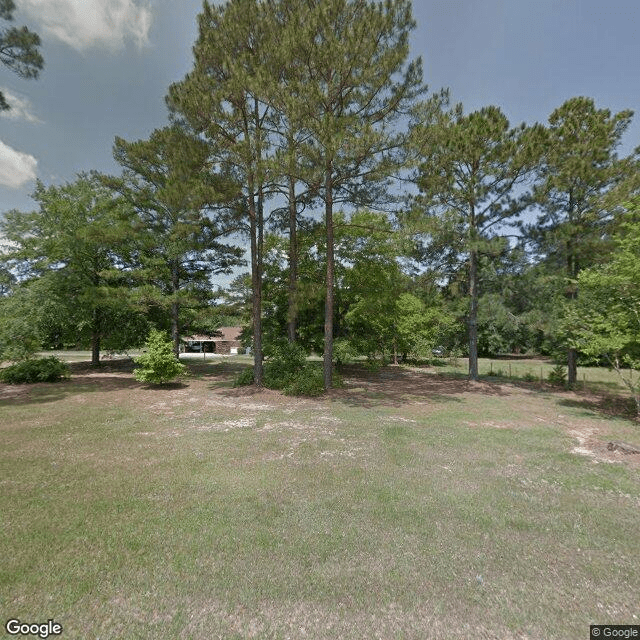
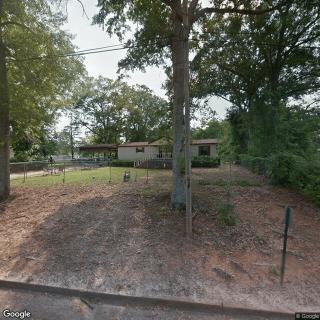
301 Ward Drive, Abbeville, AL 36310
To contact a resident: (334) 585-1114
For more information about senior living options: (866) 208-4318
Dogwood Manor Assisted Living Facility Costs & Pricing
At Dogwood Manor Assisted Living Facility, the monthly cost for a private room is competitively priced at $2,020, aligning with the average costs in Henry County. This pricing stands in stark contrast to the state average for Alabama, which reaches $4,158 for similar accommodations. This significant difference highlights Dogwood Manor's commitment to providing quality care at a more accessible rate, ensuring that residents can enjoy comfortable living arrangements without excessive financial strain. The facility not only offers value but also fosters a supportive community environment for its residents.
| Floor plans | Dogwood Manor Assisted Living Facility | Henry County | Alabama |
|---|---|---|---|
| Private | $2,020 | $2,020 | $4,158 |
Senior living communities with a similar price nearby
-
from -$225 / mo

Henry County Health And Rehabilitation Facility
$1,795 to $2,945 / month0.1 miles away -
About the same
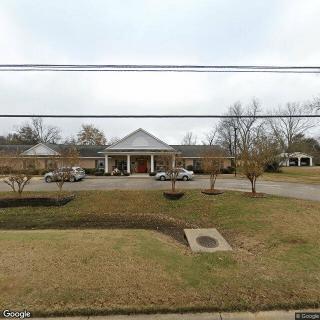
Azalea Court Assisted Living Facility
$2,080 to $6,595 / month14.8 miles away -
from -$220 / mo
Big Brothers Home AFH
$1,800 / month24.2 miles away
Overall Review of Dogwood Manor Assisted Living Facility
Pros
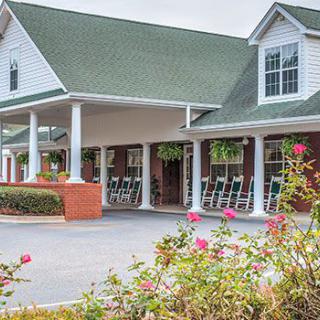
 The facility was bright, cheerful, and open.
- The kitchen staff was preparing lunch when guests arrived, and the food smelled wonderful.
- The staff permitted guests to look into the spotless kitchen.
- The tables were set with placemats and decorations.
- There were sitting rooms everywhere, giving it a homey feel.
Review
Dogwood Manor Assisted Living Facility in Abbeville, AL is best suited for seniors who prize a warm, home-like atmosphere with abundant social spaces and reliable daily comforts. The community presents a bright, cheerful, open setting that invites residents to move between inviting lounges and a dining area that feels like a neighborhood home. There is a clear emphasis on cleanliness and hospitality, delivering the kind of first impression where kitchens are spotless, tables are thoughtfully set, and staff-led meals carry comforting aromas. For families prioritizing mood, comfort, and a sense of everyday belonging, this option delivers on those fronts with practiced ease.
Those who may want to consider alternatives are residents with higher medical or memory-care needs. While the ambiance and dining experience are strengths here, the information available does not detail overnight nursing coverage, specialized dementia programming, or rehabilitation services. If 24/7 skilled nursing, complex medication management, or intensive cognitive-stimulation programming are essential, additional options that explicitly offer these levels of care should be evaluated. Transportation logistics, breadth of activity programming, and long-term care planning also warrant verification to ensure alignment with individual needs.
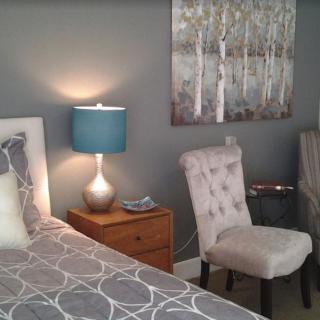
The core advantages center on the environment: brightness and openness support a positive daily rhythm and reduce the sense of confinement. The spotless kitchen and the willingness to showcase it signal a strong commitment to cleanliness and food safety, while multiple sitting rooms and a homey décor scheme create ready-made opportunities for social interaction, casual conversations, and familiar routines around meals and gatherings. These features tend to elevate mood, encourage participation, and sustain appetite, which matters greatly for independent or lightly assisted residents seeking consistent daily flow.
These strengths effectively offset many common concerns tied to assisted living environments. A welcoming, transparent dining and kitchen area reduces uneasiness around meal quality, and the attentive décor and layout promote a sense of personal space within a community setting. The sustained emphasis on comfort and socialization helps mitigate isolation risks, particularly for residents who draw energy from neighborly engagement. For families choosing between options, atmosphere and hospitality can be decisive when evaluating the overall quality of daily life, not just the care plan on paper.
From a practical standpoint, prospective residents should verify several key details during visits. Clarify what levels of care exist beyond assisted living, including medication management, nursing oversight, and any available memory-care add-ons. Inquire about staffing ratios, especially during evenings and weekends, and request a sample weekly activity calendar to assess whether offerings align with personal interests. Explore dining, dietary accommodations, menu variety, and the ability to honor cultural or culinary preferences. Finally, talk with current residents or families and tour multiple common spaces to confirm consistency in cleanliness, ambiance, and daily life.
Overall, Dogwood Manor stands out as a compelling option for families prioritizing a bright, clean, and socially vibrant environment with well-crafted meals and a genuinely homelike feel. The atmosphere and hospitality provide a strong platform for meaningful daily life and engagement, making it a practical, confident choice for those whose care needs fit the services offered. For residents requiring advanced medical support or specialized dementia programming, however, it remains prudent to explore alternatives explicitly designed to address those requirements. When care needs align with the community’s strengths, this facility delivers a robust, hard-to-match combination of ambiance, food quality, and social opportunity.
 Board and Care Home
 Activities on-site
 Devotional services off-site
 Indoor common areas
 Private
 Dothan (20 miles away)
 Ambulatory care
 Diabetic care
 High acuity care
 Incontinence care
 Meals provided



 A Detailed Exploration of Living Wills and Advance Directives
 Comprehensive Guide to Medicare Coverage for Hospice Care
 Caring for Those Who Care: Recognizing, Understanding, and Overcoming Caregiver Burnout