

619 W Walnut St, Milwaukee, WI 53212
To contact a resident: (414) 263-1770
For more information about senior living options: (866) 208-4318
Overall Review of Plymouth Manor Health Care
Pros
 The facility and its staff provide wonderful experiences for residents and families.
- Residents are kept in good spirits and well cared for.
- The staff are friendly and always willing to answer questions.
- Plymouth Health Services is very resident-oriented and works as a team to ensure residents' health, safety, and well-being.
- The residents are considered part of the family.
- The staff genuinely care about the residents, and the therapy is great.
- The facility houses Shear Delight Hair Salon, with staff who go the extra mile and deliver fast, friendly, and caring service.
- The activities coordinator Jera is wonderful.
Cons
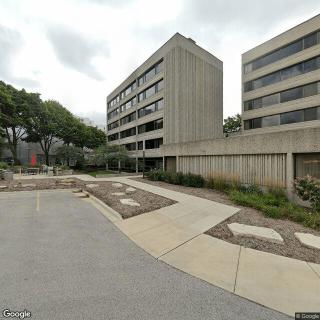
 The facility is outdated by decades, grungy and depressing.
- The majority of staff look dead inside and won’t greet residents.
- The rooms lack phones, making it hard for families to talk to their loved ones.
- The social worker lied and there were delays with transportation and updates.
- The center feels like a prison and appears not to care for the residents.
- There is a high turnover rate due to unethical management.
- The staff are egotistical, overbearing, judgmental, and rude, with the director of nursing sarcastic and opinionated.
- Care for a dying family member was described as horrible and neglectful.
- Medications were mishandled, and hospice staff moved the mother after a day due to safety concerns.
Review
Plymouth Manor Health Care in Milwaukee is best suited for families seeking a warm, family-like atmosphere and solid rehabilitation therapy, with the understanding that the facility itself is aging and the care environment can be uneven. This community can work well for residents who value personal attention, a friendly front-line staff, and a sense of belonging over modern amenities or pristine surroundings. Those who demand a consistently modern facility, flawless communication, and tightly controlled operations should consider alternatives that prioritize newer buildings and steadier administration.
On the positive side, Plymouth Manor is repeatedly described as resident-oriented, with staff who genuinely care about those living there. Several reviews emphasize a welcoming, family-feel where staff and therapy teams are approachable and attentive, and where activities and social engagement are prioritized. The presence of an on-site hair salon and an active activities coordinator adds practical, quality-of-life value that families notice and appreciate. For families prioritizing rehab quality and personal connection, these elements can substantially offset the daily realities of an older building.
Yet the downsides are persistent and material enough to influence a decision. The building itself is repeatedly labeled outdated, grungy, and uninviting, creating a backdrop that undermines trust in the care setting even when staff are friendly. Communication gaps recur in multiple accounts: unanswered calls, delayed updates, and a social-work dynamic that some families describe as unhelpful or even misleading. These operational frictions matter because they color every other aspect of care, from discharge planning to routine progress reports, and they can amplify concerns about how residents are really being treated day to day.
The most troubling threads pull from reports of high turnover among both staff and management, reports of neglect or mistreatment, medication mishaps, and inconsistent enforcement of policies. Several families recount difficult interactions with administrators and nurses, along with incidents that left belongings unaccounted for and questions about the handling of sensitive transitions, including end-of-life care. The mix of these elements, even when balanced by occasional praise for therapy and kindness, creates a risk profile that families should weigh carefully, particularly when expensive time-sensitive care is involved or when a loved one requires steady, transparent oversight.
Given the strengths and the risks, alternatives deserve serious consideration. For families who cannot tolerate inconsistent communication, frequent staff changes, or a facility that feels run-down, exploring other options is prudent. The contrast is stark in reviews that describe compassionate front-line care but a disengaged or overbearing administrative culture. In terms of rehab placement, some families even relocate to other facilities (for example, moving to a different center to secure more reliable therapy logistics and transportation). The decision should hinge on whether the potential benefits of warmth, personal attention, and strong therapy outweigh the discomfort with the building, the administrative climate, and the risks highlighted by reviewers.
To move forward decisively, prospective residents and families should conduct a focused, two-track evaluation. First, tour with specific questions about staff turnover, supervision, and daily caregiver coverage; request to meet the therapy team and to review a sample care plan and recent progress notes. Second, examine recent state survey results, incident logs, and the facility’s transparency around billing, refunds, and transitions, then corroborate with current residents and their families. If choosing Plymouth Manor, insist on a clear plan for ongoing communication, a defined caregiver assignment process, and a transparent schedule for updates on medical status and therapy milestones. If any of these assurances cannot be documented, alternatives should be pursued to protect care quality, financial clarity, and the resident’s daily experience.
 Skilled Nursing Facility
 General Mitchell International (7 miles away)





 8 Essential Assistive Devices for Older Adults
 Navigating the Financial Road to Nursing Home Care: In-Depth Guidance and Resources
 Supportive Employee Benefits That Help Caregivers Attain Better Work-Life Harmony