
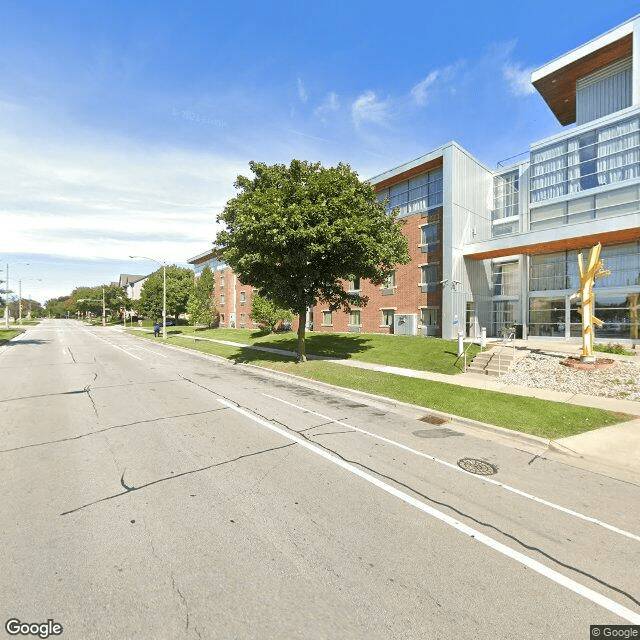
1840 N 6th St, Milwaukee, WI 53212
To contact a resident: (414) 263-1933
For more information about senior living options: (866) 208-4318
Overall Review of Jackson Center Nursing Home
Cons
 They discharged her after 10 days though she was authorized for 20.
- They claimed she met all the criteria, which was subjective and not true based on a brief look at her.
- She even fell there one night while attempting to go to the bathroom alone.
- They decided on Saturday that she should be discharged on Monday morning, forcing the family to scramble for paperwork and information.
- There was absolutely no one available; no one returned voicemails and no one told them how to arrange a wheelchair.
- Staff told them medical transport was not available and to try Uber, then hung up.
- They screened their calls.
- When the family arranged their own medical transport, no one said goodbye to her as she was pushed out.
- Getting meds and discharge papers was very difficult because no one would pick up the phone or call back.
- The place is a black hole.
- It is really rude and frankly dangerous.
- For those navigating the care they say they provide, it seems to be good luck (favoring only millionaires).
Review
Jackson Center Nursing Home appears best suited for families that are prepared to take an unusually active role in discharge planning and post-acute logistics. In practice, the strongest fit is families with the bandwidth to supervise every step of a transition from hospital to rehab, coordinate medical paperwork, secure transportation, and insist on clear, timely updates from the care team. This is not a facility where advocacy can be relaxed or where the discharge process can be entrusted to staff without vigilant oversight. For seniors who rely on steady, predictable follow-through after a hospital stay, this community demands a hands-on, proactive family presence.
There are clear reasons to consider alternatives. Any family hoping for consistently transparent communication, dependable post-acute planning, and respectful, accessible staff interaction should evaluate other options. Residents with complex medical needs or those at risk of safety gaps, such as medication reconciliation, mobility support, or timely transfer arrangements, may find the current model insufficient. Families without the capacity to dedicate time and persistence to navigate paperwork and transportation should pursue facilities with established, responsive case management and documented discharge protocols.
Pros and cons do not balance neatly in this context. The mixed ratings suggest that certain residents may have positive experiences, but the critical incidents described in the account reveal systemic failures that carry real risk. When a facility can boast high marks in some reviews while simultaneously producing a discharge experience that feels rushed, opaque, or unsupported, the positive impressions become largely undermined by safety and reliability concerns. In practical terms, any perceived benefits are consistently overshadowed by discharge-day chaos and the related aftermath.
The most salient drawbacks center on discharge planning and care-team responsiveness. A pattern emerges: authorization for longer stays is overridden by subjective judgments; crucial paperwork and medications are left unsettled; communication channels are unreliable; and transportation arrangements are either non-existent or abruptly unsatisfactory. The combination of unreturned calls, limited staff availability, and a culture that screens or avoids contact with families creates an environment where frail seniors are pushed toward transition without a dependable safety net. That dynamic elevates the risk of medication errors, missed follow-ups, and readmission concerns.
For families evaluating this community, several concrete steps are essential. Request a written discharge policy with clearly defined criteria, timelines, and designated case managers. Ask for the average length of stay for rehab patients and the typical process for post-discharge planning. Inquire about who coordinates transportation, who reconciles medications, and how families are kept informed during the transition. Speak with current residents or their families about accessibility of the care team, and insist on meeting the person who will lead discharge planning. These questions are not rhetorical; they are guardrails against the very gaps highlighted in troubling accounts.
In the end, this facility warrants serious caution for anyone whose priority is a reliable, well-coordinated post-hospital transition. Alternatives with transparent discharge protocols, steady family communication, and robust case management should be seriously considered. If choosing this community, demand a formal, written discharge plan with a named point of contact, and require confirmation that medications, equipment, and transportation will be arranged and documented before any transfer. A cautious approach is warranted to protect safety and ensure continuity of care beyond the hospital stay.
 Skilled Nursing Facility
 General Mitchell International (8 miles away)
 Excellent access to nearby restaurants, parks, pharmacies, and hospitals.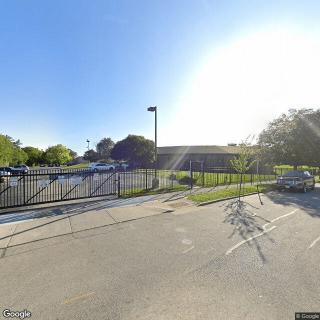



 A Detailed Examination of Nursing Home Costs Across the U.S.
 Exploring Nonmedical Home Care: Understanding Services, Costs, and Financial Approaches
 Engaging Brain Games and Innovative Apps to Keep Senior Minds Active