For more information about senior living options: (866) 208-4318
3.3 from 50 reviews
5 stars
26
4 stars
2
3 stars
0
2 stars
3
1 stars
19
Overall Review of Lakewood Care Ctr
caveat9 reviews mention this
Staff responsiveness is mixed
Communication and response times are inconsistent, with families describing unanswered calls and delays.
Several reviews describe difficulties getting help when it was needed, including unanswered messages and calls and long waits for basic assistance. Some residents and families also describe care coordination as unclear, with questions about treatments or progress not answered to their satisfaction. Other reviews, however, highlight specific staff members who returned calls and helped families navigate care steps.
caveat12 reviews mention this
Care and safety concerns recur
Residents and families describe major lapses in care quality and safety.
A number of negative reviews raise concerns about neglect and unsafe conditions, including delayed attention when residents appeared to need help. Families also mention incidents that led to hospital transfers or urgent escalation. On the positive side, multiple reviews describe therapists and nursing staff working with residents on rehab goals and helping with comfort and mobility, including during hospice stays.
common18 reviews mention this
Rehabilitation results vary
Many reviews credit rehabilitation teams with meaningful recovery progress.
Positive reviews frequently describe improvement through therapy, including getting stronger, learning to care for themselves, and regaining walking ability after major surgeries. Reviews also mention coordinated therapy support, including PT/OT/speech working together and helping residents work toward discharge. A smaller set of reviews disputes that consistency, describing slower progress or care that did not match stated rehab needs.
common5 reviews mention this
Food quality splits opinion
Food quality is a point of disagreement among reviewers.
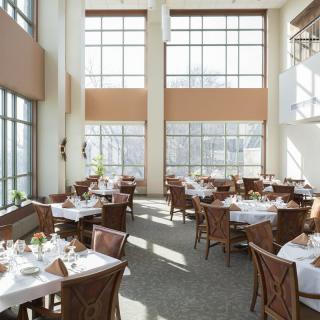
Some residents and families praise meals, describing breakfast, lunch, and dinner as good. Others describe food as unimpressive, unappealing, or not matching dietary needs, including complaints about what was being served. Several mixed comments also describe between-meal snacks, but at least one review calls the overall food experience poor.
caveat6 reviews mention this
Facility cleanliness is debated
Cleanliness and odor concerns show up in multiple reviews.
Negative reviews describe units and rooms as dirty or having bad odors, with issues like unhygienic conditions and insufficient upkeep. Some also mention problems that affected comfort, such as not having hot water at times and waiting for basic changes. Positive reviews counter this by calling the facility beautiful and describing staff support during stays, but cleanliness remains a recurring criticism.
How we summarize
Counts show how many written reviews mention each theme; a review can touch several themes, and only frequently mentioned themes are displayed.
Features
Types of Care
Skilled Nursing Facility
Transportation
General Mitchell International (8 miles away)
Nearby Places of Interest
This part of Milwaukee, Wisconsin offers a variety of amenities that may appeal to seniors looking for a convenient and comfortable living environment. There are several cafes within close proximity, providing opportunities for socialization and relaxation. In terms of dining options, there is a mix of casual venues like McDonald's and Champion's Pub, as well as more upscale choices such as Casablanca and Glorioso's Italian Market. Additionally, the area boasts several pharmacies for easy access to medical supplies and prescriptions. For outdoor recreation, residents can enjoy nearby parks like Lakeshore State Park and Red Arrow Park. Transportation is easily accessible with the Milwaukee Intermodal Station located within a short distance. There are also reputable hospitals in the vicinity including Aurora Sinai Medical Center and Wheaton Franciscan - St. Joseph Campus. Overall, this neighborhood offers a blend of conveniences and services that may make it an attractive option for seniors seeking a vibrant community to call home.
Cafes
Colectivo Lakefront (0.3 miles)
Colectivo Coffee (3.9 miles)
Starbucks (4.7 miles)
Starbucks (6 miles)
Hawthorne Coffee Roasters (6.2 miles)
Starbucks (6.2 miles)
Starbucks (6.8 miles)
Restaurants
McDonald's (0.4 miles)
Champion's Pub (0.4 miles)
Jamo's (0.5 miles)
Glorioso's Italian Market (0.8 miles)
Casablanca (1 miles)
Veggas Pub (1 miles)
Company Brewing (1.1 miles)
Pharmacies
CVS Pharmacy (0.5 miles)
Walgreens (0.5 miles)
Walgreens (1.1 miles)
Metro Market Pharmacy (1.3 miles)
Walgreens (1.7 miles)
Walgreens (2 miles)
Walgreens (2.3 miles)
Parks
Lakeshore State Park (1.5 miles)
Red Arrow Park (1.6 miles)
Kern Park (1.9 miles)
Henry Maier Festival Park (2.1 miles)
Atwater Park (2.4 miles)
Paliafito Park (2.9 miles)
Estabrook Park (3.1 miles)
Transportation
Milwaukee Intermodal Station (2.3 miles)
Hospitals
Aurora Sinai Medical Center (2.4 miles)
Wheaton Franciscan - St. Joseph Campus (4.8 miles)
Palliative home care focuses on improving the quality of life for individuals with serious illnesses by providing comfort, symptom management, and emotional support in their own homes. This approach includes personalized care plans, regular assessments, and resources for family caregivers, all while prioritizing person-centered treatment that aligns with patients' goals.
Skilled nursing facilities (SNFs) provide high-level medical care and rehabilitation for short-term recovery, typically covered by Medicare after hospitalization, while nursing homes focus on ongoing custodial care for chronic conditions, mainly funded by Medicaid or private payments. The staffing and regulatory structures differ significantly between the two, necessitating clarity for families in choosing appropriate long-term care options.
Nursing home care costs in the U.S. vary significantly based on location, level of care, and amenities, with private room prices ranging from approximately $6,700 to over $30,000 monthly. Families need to explore various payment options and conduct thorough research to manage these expenses effectively.
Get PricingAsk A QuestionSchedule A TourContact Senior Advisor
By clicking submit, you agree to our Partner's Terms of Use. You
also consent to receive calls and texts, which may be autodialed, from our Partner. Your consent is not a condition to
using our Partner's service. Please visit our Partner's Privacy Policy for information about their privacy practices.

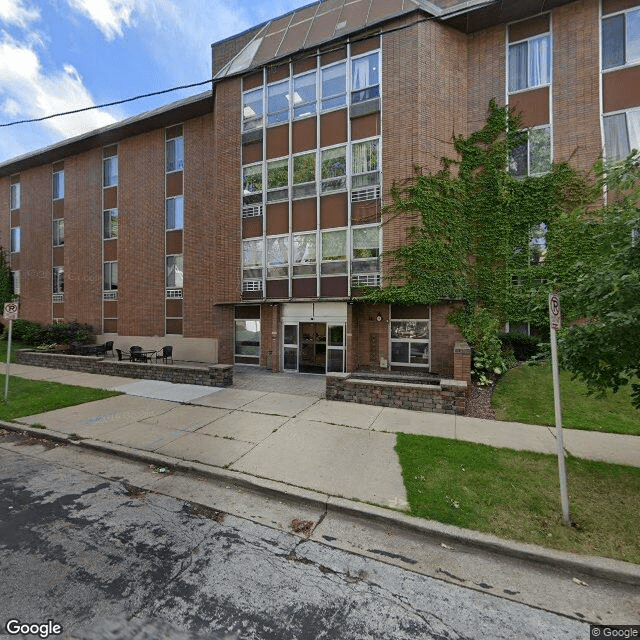
 Skilled Nursing Facility
 General Mitchell International (8 miles away)
 Robust amenities and 24/7 care with engaging activities.

 Comprehensive Insights into Palliative Home Care: What It Is and What to Expect
 Skilled Nursing Facilities vs. Nursing Homes: Making Sense of the Differences
 A Detailed Examination of Nursing Home Costs Across the U.S.