Dycora Transitional Health - Glendale Costs & Pricing
Dycora Transitional Health in Glendale offers private rooms at a monthly rate of $5,792, which is notably higher than the average costs within Milwaukee County and the broader state of Wisconsin. In comparison, Milwaukee County sees private room rates around $4,513, while the overall state average is approximately $4,339. This premium pricing at Dycora may reflect enhanced amenities or specialized care services provided by the facility, catering to individuals seeking a higher level of comfort and support during their transitional health needs.
Floor plans
Dycora Transitional Health - Glendale
Milwaukee County
Wisconsin
Private
$5,792
$4,513
$4,339
Skilled Nursing Facilities with a similar price nearby
from +$708 / mo
Lakewood Transitional Assisted Living and Memory Care
Overall Review of Dycora Transitional Health - Glendale
common23 reviews mention this
Staff caring and responsive
Residents and families frequently describe the staff as kind, helpful, and attentive to patient needs.
Many reviews focus on staff behavior, describing helpful, polite caregivers and staff who communicate with families during visits. Several reviewers also credit staff for recognizing symptoms and supporting progress during therapy. A few other comments add nuance, saying the staff felt friendly but not enough caregivers were available to provide the attention families wanted.
caveat6 reviews mention this
Cleanliness issues come up
Some reviewers report cleanliness and odor problems inside the facility.
While some guests describe a clean, well-kept building, multiple reviews raise concerns about smells, dirty surfaces, and unclean items. A few comments mention strong urine odors or soiled items, and others describe a room that looked poorly maintained. One reviewer also said hygiene details for a loved one (like grooming and basic care) were not done to expectations.
caveat6 reviews mention this
Call response and updates
Communication problems show up in several reviews, including long waits for responses.
Several families describe difficulties getting timely updates, including not being able to reach staff by phone. A few reviews mention call-button delays for responses, and another describes an extended period before being informed about a health change. Separate comments also raise concerns about how information and medication-related details were handled when families were not consulted.
common7 reviews mention this
Rehab and therapy results
Reviews frequently mention therapy and rehab as meaningful for recovery progress.
A number of reviewers say the rehab or physical therapy experience helped their loved one improve function and mobility. Some describe effective therapy outcomes, and others share that staff supported goals during their stay. A smaller set of reviews, however, questions whether staffing levels or care follow-through matched what the family expected for rehab.
caveat4 reviews mention this
Medication oversight concerns
Some reviews question medication communication and delivery practices.
A few reviews mention medication-related issues, including delays or missing coordination around what medications were being given. One reviewer said they had not been consulted about medication details, while another reported concerns about how medications were distributed. There are also isolated comments describing more direct medication handling, suggesting experiences varied by situation and staff.
How we summarize
Counts show how many written reviews mention each theme; a review can touch several themes, and only frequently mentioned themes are displayed.
Features
Housing
97 resident community capacity
Types of Care
Skilled Nursing Facility
Amenities
Air-conditioning
Beauty salon
Cable or satellite TV
Computer center
Dining room
Fitness room
Fully furnished
Gaming room
Garden
Housekeeping services
Kitchenette
Move-in coordination
Outdoor space
Private
Private bathrooms
Restaurant-style dining
Small library
Telephone
Wellness center
Wi-Fi/high-speed internet available
Transportation
General Mitchell International (12 miles away)
Community operated transportation
Transportation arrangement
Transportation arrangement (non-medical)
Transportation to doctors appointments
Care Services
12-16 hour nursing
24-hour call system
24-hour supervision
Activities of daily living assistance
Assistance with bathing
Assistance with dressing
Assistance with transfers
Diabetes diet
Meal preparation and service
Medication management
Mental wellness program
Special dietary restrictions
Dining
Diabetes diet
Special dietary restrictions
Activities
Community-sponsored activities
Concierge services
Fitness programs
Planned day trips
Resident-run activities
Scheduled daily activities
Nearby Places of Interest
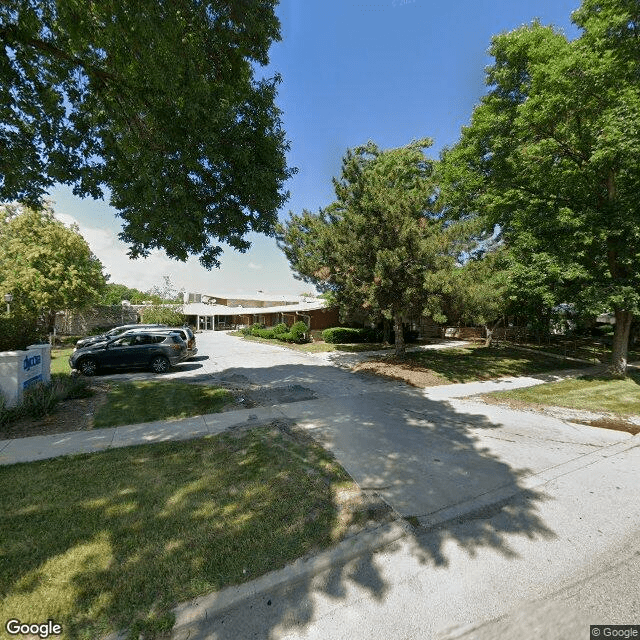
This part of Glendale, Wisconsin offers a variety of amenities and services that cater to the needs of seniors. In close proximity, there are several restaurants including Kopp's Frozen Custard, The Cheesecake Factory, and Culver’s for dining options. Pharmacies such as Walgreens and CVS Pharmacy are also conveniently located for easy access to medications. Additionally, there are cafes like Starbucks for social gatherings or relaxing outings. Parks such as Estabrook Park and Kern Park provide scenic spots for leisurely walks or outdoor activities. For medical services, there are reputable physicians like Rheumatic Disease Center and hospitals like Wheaton Franciscan - St. Joseph Campus within a short distance. Transportation options like U-Haul Moving & Storage and Milwaukee Intermodal Station are easily accessible for getting around the area. Nearby places of worship and hospitals offer additional support and resources for seniors in this community.
Dycora Transitional Health in Glendale offers private rooms at a monthly rate of $5,792, which is notably higher than the average costs within Milwaukee County and the broader state of Wisconsin. In comparison, Milwaukee County sees private room rates around $4,513, while the overall state average is approximately $4,339. This premium pricing at Dycora may reflect enhanced amenities or specialized care services provided by the facility, catering to individuals seeking a higher level of comfort and support during their transitional health needs.
The article highlights nine memory-boosting activities for seniors that enhance cognitive health and social interaction, including puzzles, trivia quizzes, and storytelling, while emphasizing the importance of adapting these activities to individual preferences to maximize enjoyment and engagement. Consistent mental engagement is linked to improved cognitive function and emotional well-being in older adults.
Medicare provides limited coverage for skilled nursing home care, covering full benefits for the first 20 days and partial benefits up to 100 days under certain conditions, after which families must explore alternative funding options like Medicaid or long-term care insurance to manage potentially high costs. Proactive planning is essential to navigate the complexities of financing ongoing care once Medicare coverage ends.
Geriatric care managers create personalized care plans for older adults, addressing their medical, social, financial, and psychological needs while coordinating services and advocating for their well-being. They help families navigate caregiving challenges but may be hindered by high costs and a shortage of qualified professionals.
Get PricingAsk A QuestionSchedule A TourContact Senior Advisor
By clicking submit, you agree to our Partner's Terms of Use. You
also consent to receive calls and texts, which may be autodialed, from our Partner. Your consent is not a condition to
using our Partner's service. Please visit our Partner's Privacy Policy for information about their privacy practices.

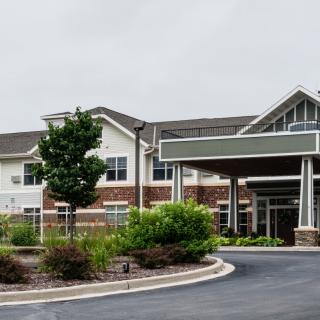

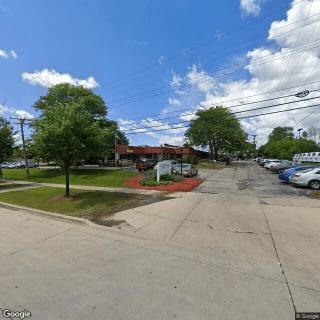
 97 resident community capacity
 Skilled Nursing Facility
 Air-conditioning
 Beauty salon
 Cable or satellite TV
 Computer center
 Dining room
 Fitness room
 Fully furnished
 Gaming room
 Garden
 Housekeeping services
 Kitchenette
 Move-in coordination
 Outdoor space
 Private
 Private bathrooms
 Restaurant-style dining
 Small library
 Telephone
 Wellness center
 Wi-Fi/high-speed internet available
 General Mitchell International (12 miles away)
 Community operated transportation
 12-16 hour nursing
 24-hour call system
 Activities of daily living assistance
 Assistance with bathing
 Assistance with dressing
 Assistance with transfers
 Diabetes diet
 Medication management
 Mental wellness program
 Special dietary restrictions
 Concierge services
 Planned day trips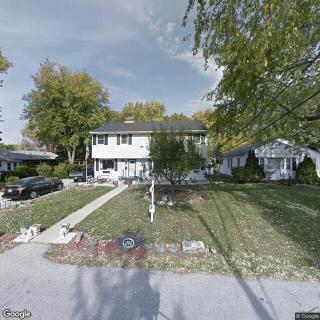
 Excellent access to nearby amenities (cafes, parks, pharmacies, restaurants, transportation, hospital).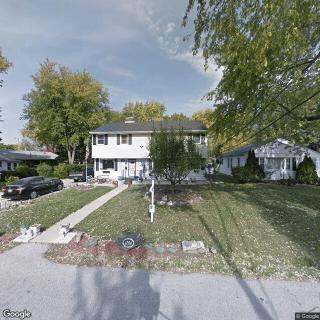

 9 Stimulating Memory Activities for Seniors: Puzzles, Cards, and Much More
 Managing Nursing Home Expenses After Medicare Coverage Ends
 Is a Geriatric Care Manager the Right Choice for Your Family?